Iffa Jayyana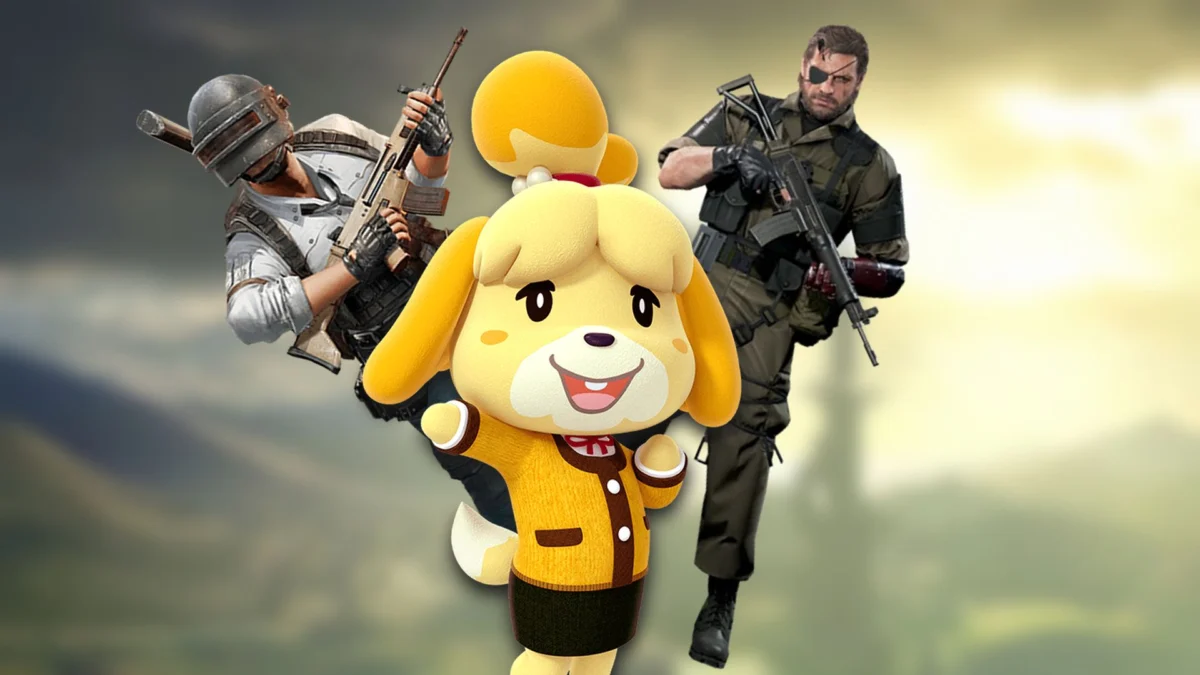
The landscape of interactive entertainment is not a static monolith; it is a living, breathing ecosystem defined by constant evolution. Over the last three decades, the video game industry has been propelled forward by relentless technological advancements, shifting consumer expectations, and bold creative risks. While some innovations have pushed the medium toward new heights of storytelling and immersion, others have fundamentally altered the DNA of gaming, marking definitive "end of an era" moments that left fans and developers alike wondering if the industry would ever be the same again.
From the quiet, contemplative pacing of early JRPGs to the aggressive, monetization-heavy models of modern live-service titles, change is the only constant. Whether these shifts were heralded as progress or lamented as the loss of a "golden age," their impact is undeniable. Here, we examine ten pivotal titles that served as catalysts for change, marking the end of old traditions and the birth of new, often controversial, paradigms.
10. Final Fantasy X: The Sunset of Traditional Turn-Based Purity
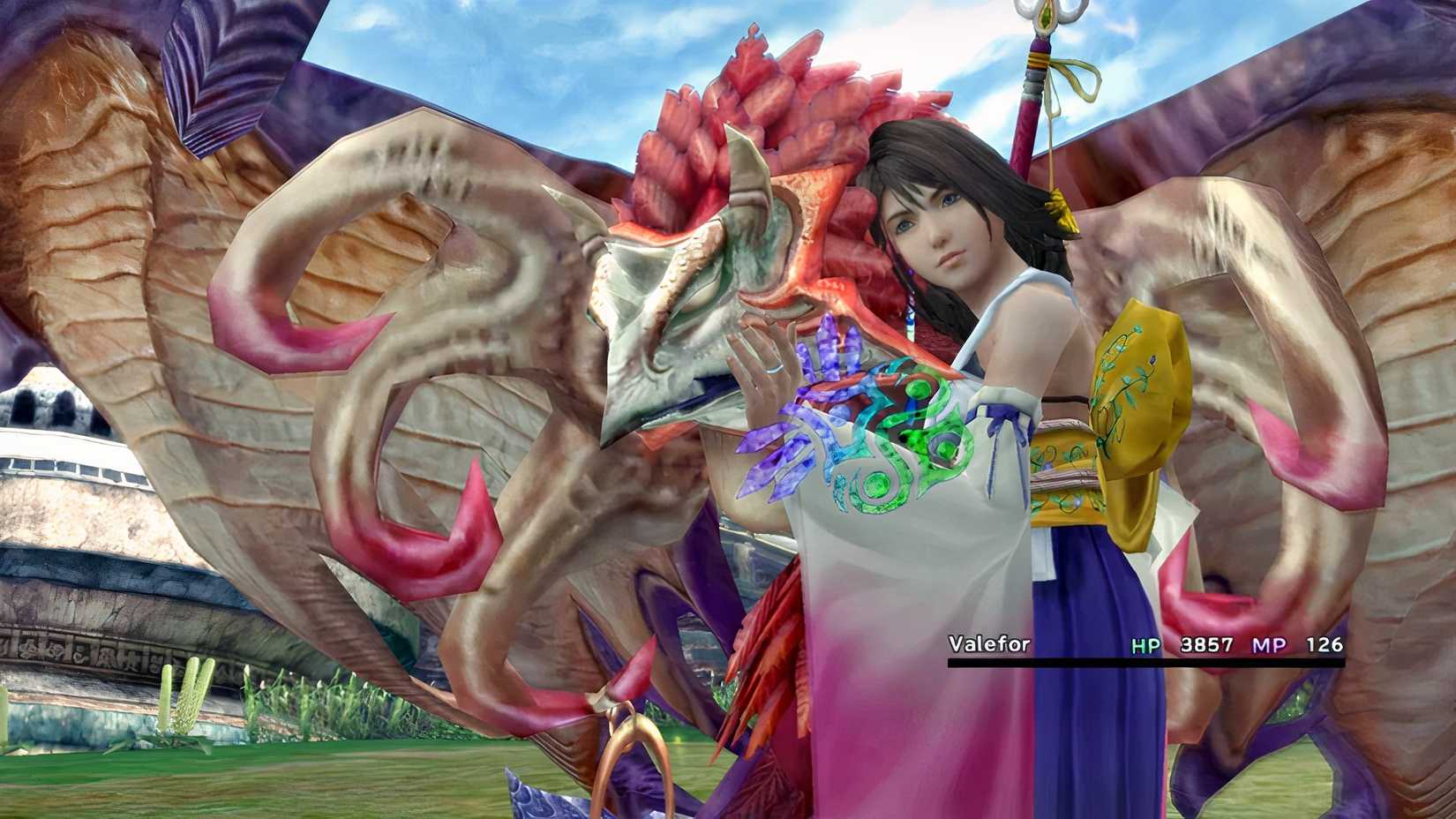
Released in 2001, Final Fantasy X stands as a monumental achievement in the history of the Square Enix (then Squaresoft) catalog. It served as the culmination of everything the series had built since its inception. Final Fantasy VII brought the franchise into the 3D era, FF8 refined the visual fidelity, and FF9 paid homage to the series’ classic roots. Final Fantasy X bridged these gaps with seamless FMV (Full Motion Video) transitions, emotional voice acting, and a turn-based battle system so polished that many purists still cite it as the genre’s zenith.
However, FFX also marked the final stand of the "traditional" Final Fantasy experience. With the arrival of Final Fantasy XII, the series pivoted toward gambit systems and real-time combat, abandoning the static, menu-driven encounters that had defined the series for fifteen years. FFX remains the peak of a specific design philosophy—a farewell to the era where turn-based combat was the undisputed king of the RPG landscape.

9. Animal Crossing: New Leaf and the Shift Toward Customization
When Animal Crossing: New Leaf launched, it introduced the revolutionary role of the "Mayor." Suddenly, players were no longer just residents; they were architects of their own town’s infrastructure. While this gave players unprecedented freedom—choosing the placement of bridges, public works, and local ordinances—it also signaled a departure from the series’ original, more organic, and unpredictable charm.
The transition from the cozy, hands-off nature of the GameCube original to the heavy customization focus of New Leaf—and subsequently New Horizons—has created a divide in the community. Many long-time fans argue that by prioritizing granular creative control, the series lost the "simulated life" magic that made the villagers and the daily routine feel so special. New Leaf was the turning point where the series evolved from a "life simulator" into a "design sandbox."
8. Sonic Frontiers: Reclaiming Identity through Lore
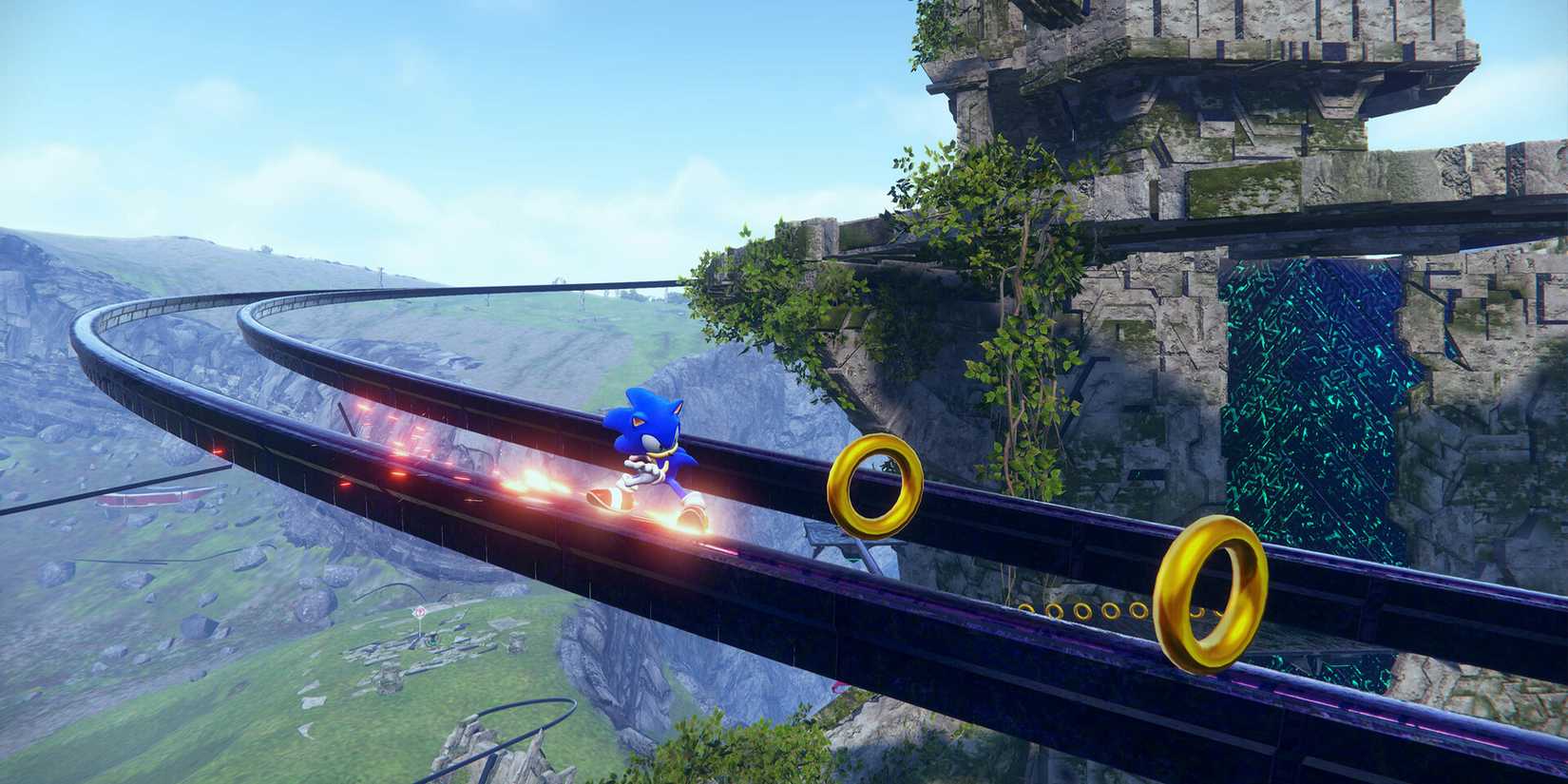
The development cycle of Sonic Frontiers was shrouded in uncertainty. For years, the Sonic the Hedgehog franchise had struggled with an identity crisis, oscillating between experimental gameplay styles and a hesitancy to embrace its own established history. Frontiers changed that narrative by leaning into a new open-zone formula and a story that prioritized continuity.
The success of Frontiers—which became the best-selling Sonic title in history—provided Sega with the confidence to stop apologizing for its past. By establishing a dedicated lore team and committing to a consistent portrayal of its cast, Sega transformed Sonic from a franchise in decline to one at an all-time high. It proved that sometimes, the best way to move forward is to stop running away from who you were.

7. Icewind Dale 2: The Final Breath of the 2D CRPG
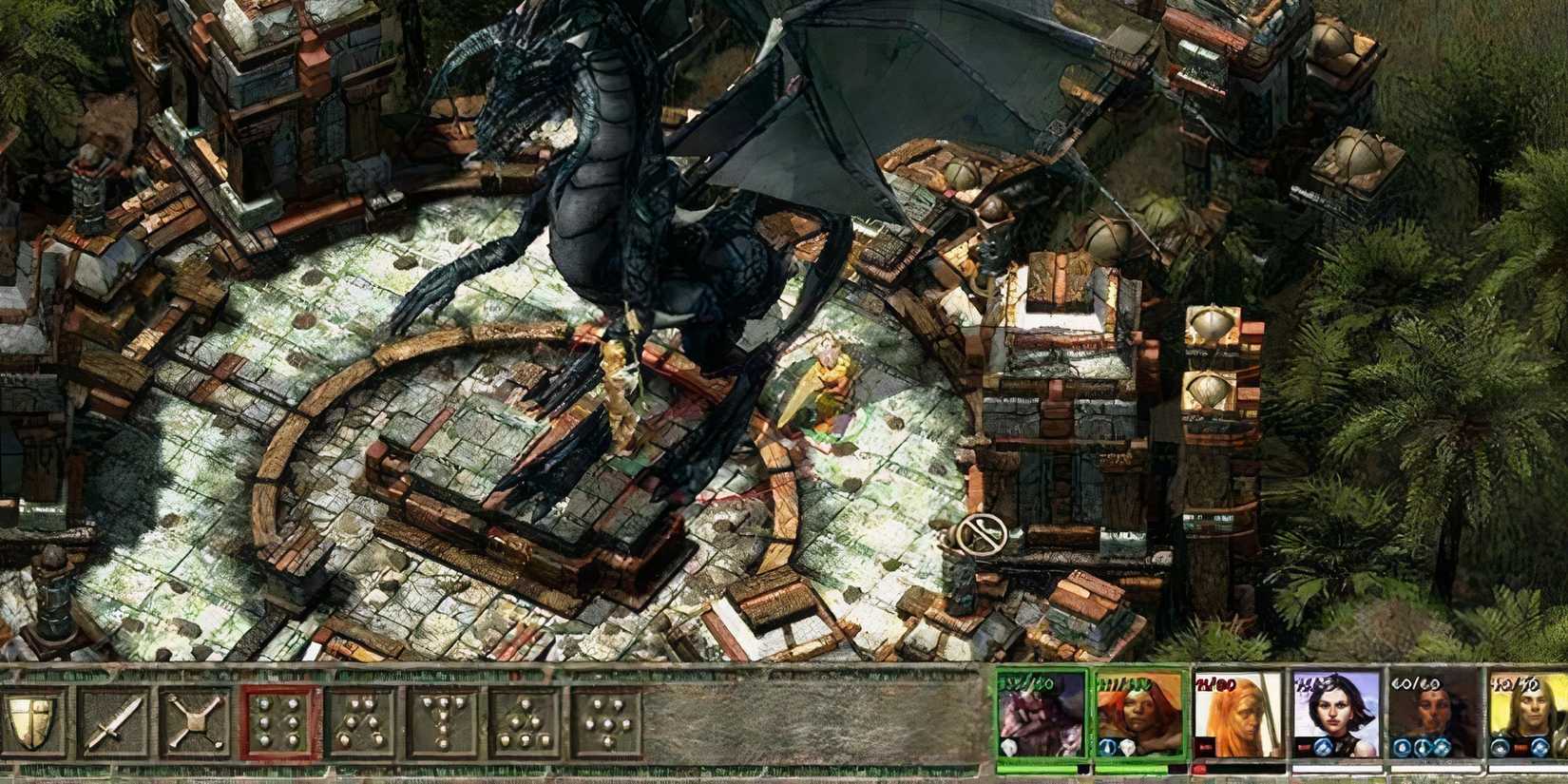
In the early 2000s, the top-down 2D Computer Role-Playing Game (CRPG) was the gold standard for Dungeons & Dragons adaptations. Icewind Dale 2, released in 2002, was a technical marvel of its time, but it arrived at an unfortunate juncture. Just months later, Neverwinter Nights hit the market, showcasing a 3D engine that promised to render the top-down perspective obsolete.
Icewind Dale 2 is often viewed as the "last of its kind"—a swan song for the isometric, text-heavy D&D games that defined a generation. While modern titles like Baldur’s Gate 3 have brought the CRPG back into the spotlight with high-fidelity graphics, the specific, crunchy, 2D-sprite-based aesthetic of the early 2000s died with the release of the Neverwinter era.
6. World of Warcraft: Wrath of the Lich King and the Unattainable Peak
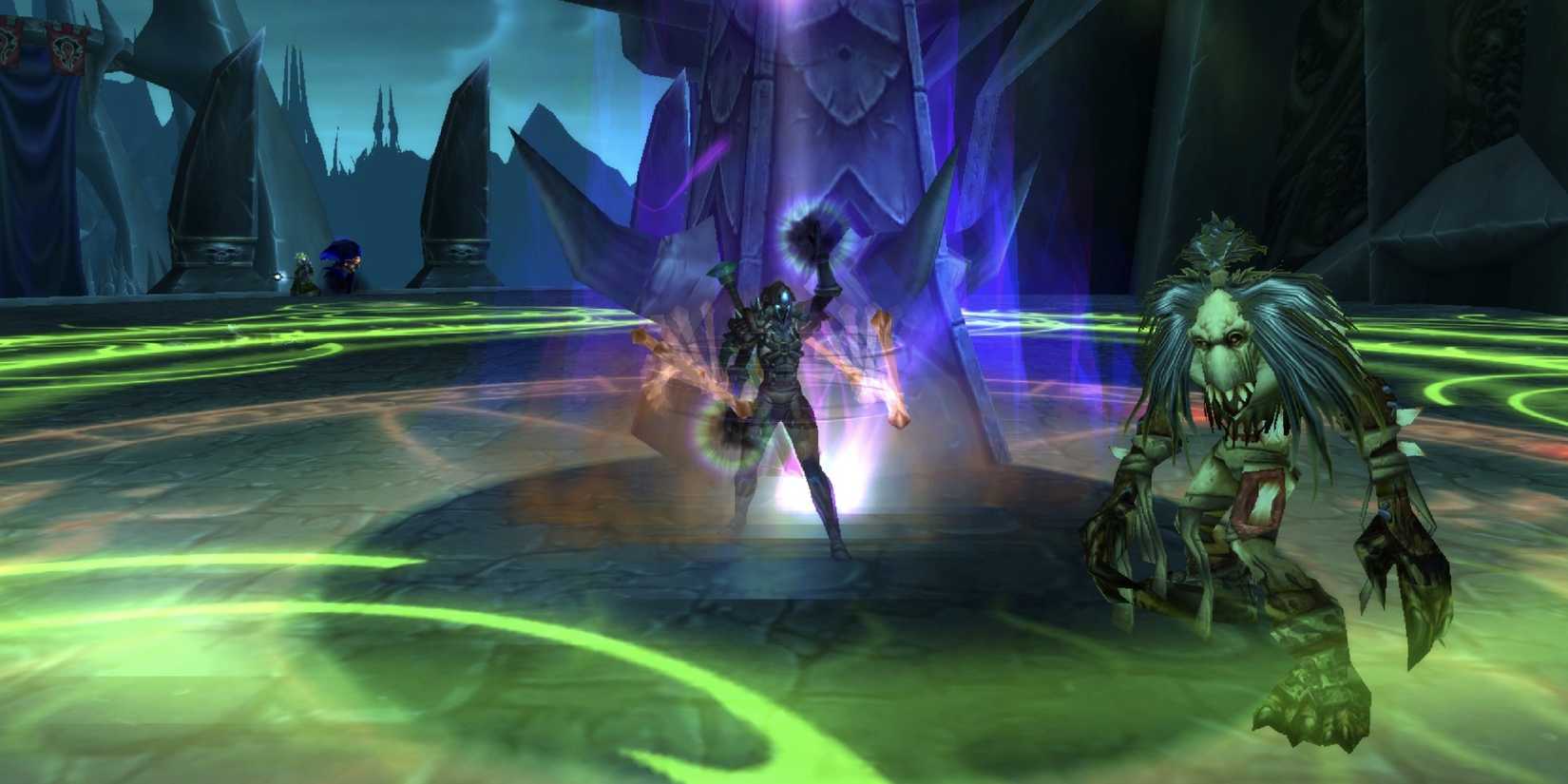
For over two decades, World of Warcraft has been the titan of the MMORPG genre. Yet, even as the game has continued to receive content updates, the community largely agrees that Wrath of the Lich King represented the expansion where Blizzard hit their stride perfectly. The introduction of the Death Knight class and a narrative that felt deeply personal made it the "peak" of the experience.
However, the subsequent expansions, while technically proficient, often faced criticism for stripping away the social friction—such as the Dungeon Finder tool—that made early WoW feel like a genuine community. Wrath remains the yardstick against which every subsequent expansion is measured, representing the last time the entire player base felt they were truly at the center of the world’s story.

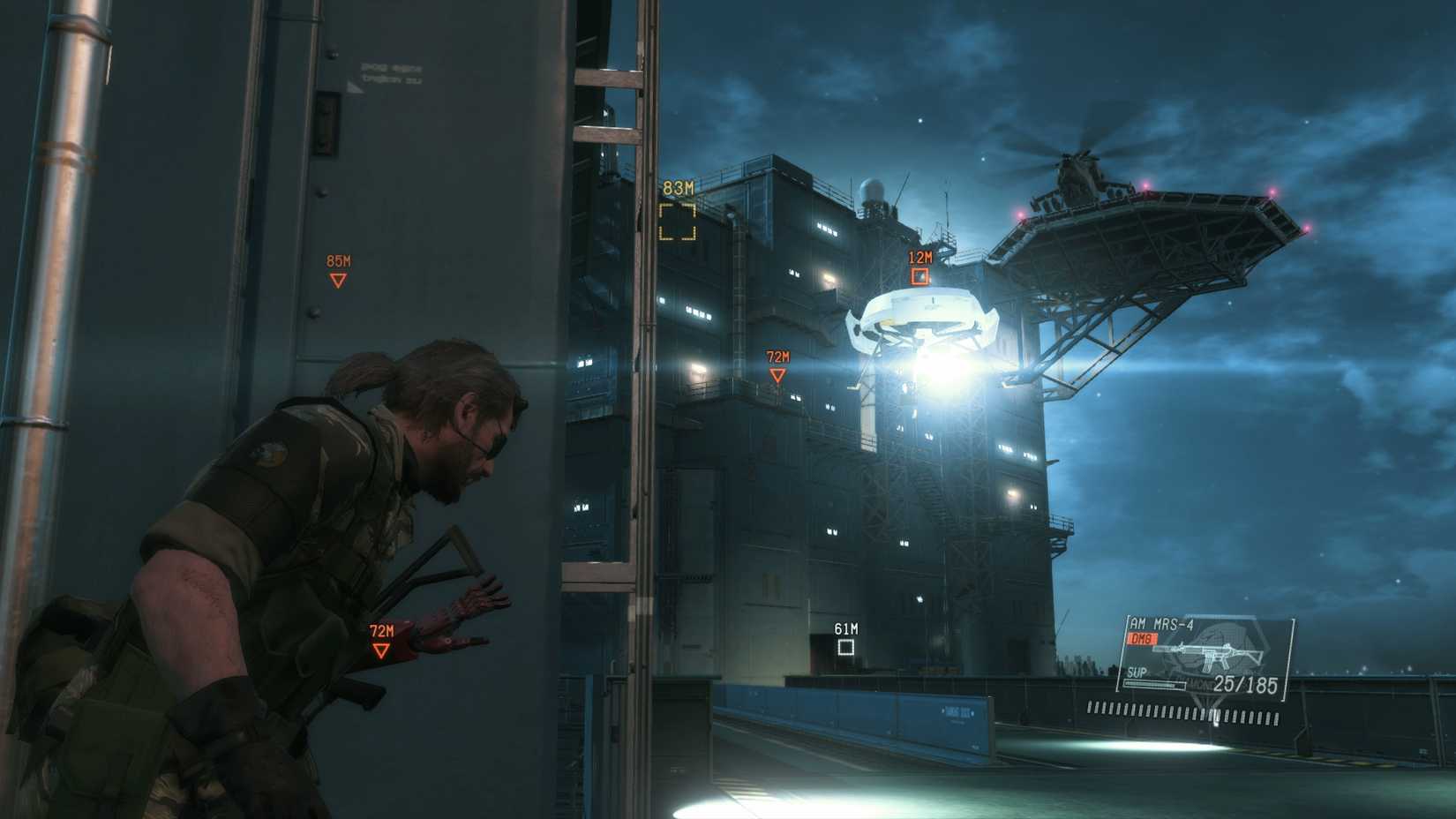
5. Metal Gear Solid V: The Phantom Pain and the Cost of Ambition
The development of Metal Gear Solid V: The Phantom Pain is one of the most tragic chapters in gaming history. The power struggle between Konami and director Hideo Kojima resulted in a masterpiece that felt fundamentally incomplete, with the director famously barred from attending industry events to celebrate his own work.
The incident was a chilling reminder of the volatility of the AAA development space. While The Phantom Pain offered a revolutionary open-world stealth experience, it was also the final time the Metal Gear series would benefit from Kojima’s singular vision. The subsequent decline of the franchise under Konami served as a cautionary tale: a franchise is only as good as the creative freedom it affords its architects.
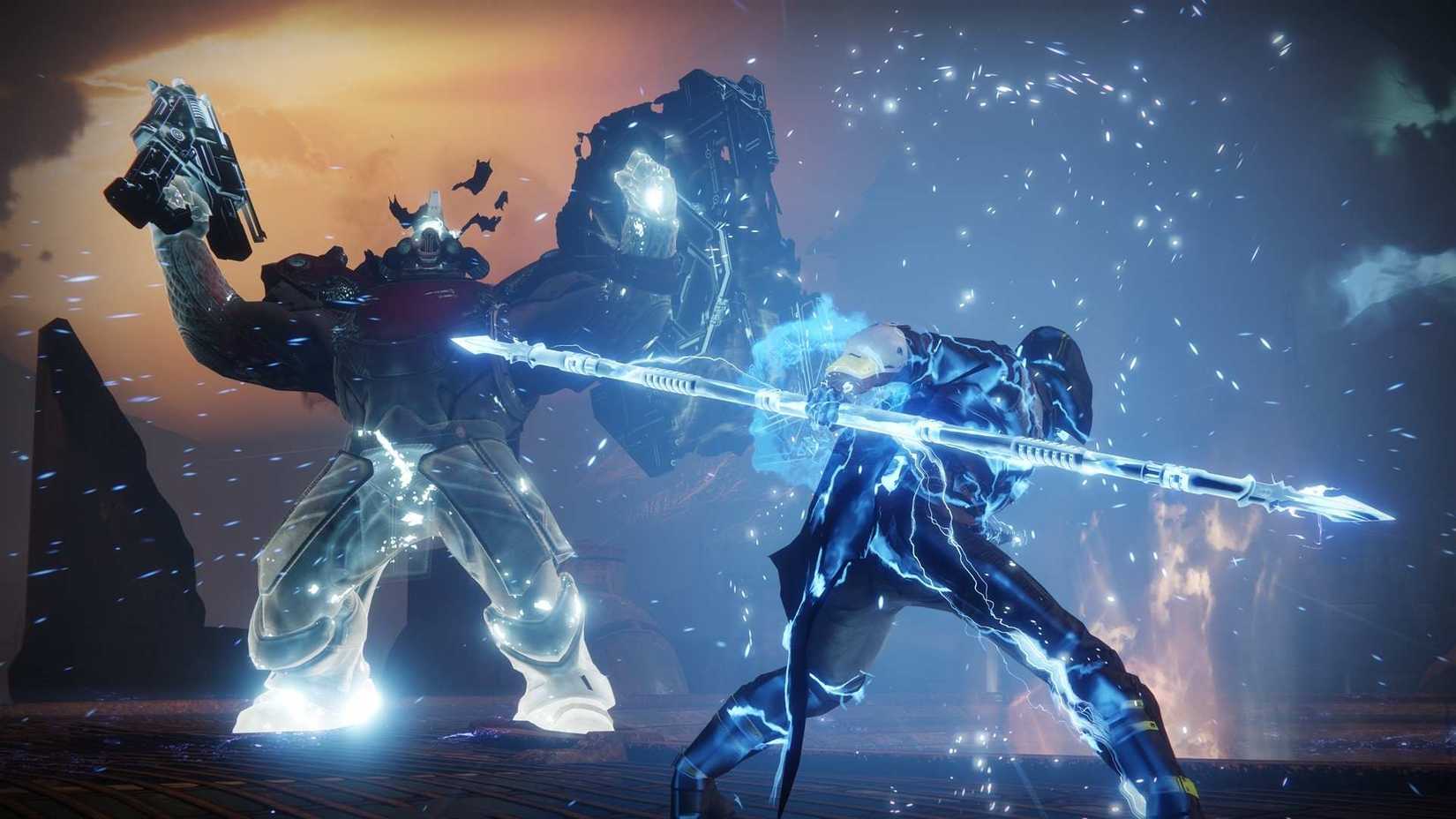
4. Destiny 2: The Live-Service Mirage
Destiny 2 serves as a modern cautionary tale regarding the sustainability of the live-service model. For years, Bungie attempted to build an overarching, multi-year narrative that required constant engagement. While The Final Shape provided a satisfying conclusion to a decade-long saga, it also marked the end of an era where players believed in the infinite growth of the looter-shooter.
The subsequent layoffs and the winding down of live-service updates have left players questioning the permanence of their digital collections. Destiny 2 demonstrated that the "live-service" promise—that a game can last forever—is often a fragile illusion, subject to the whims of corporate profitability and studio burnout.
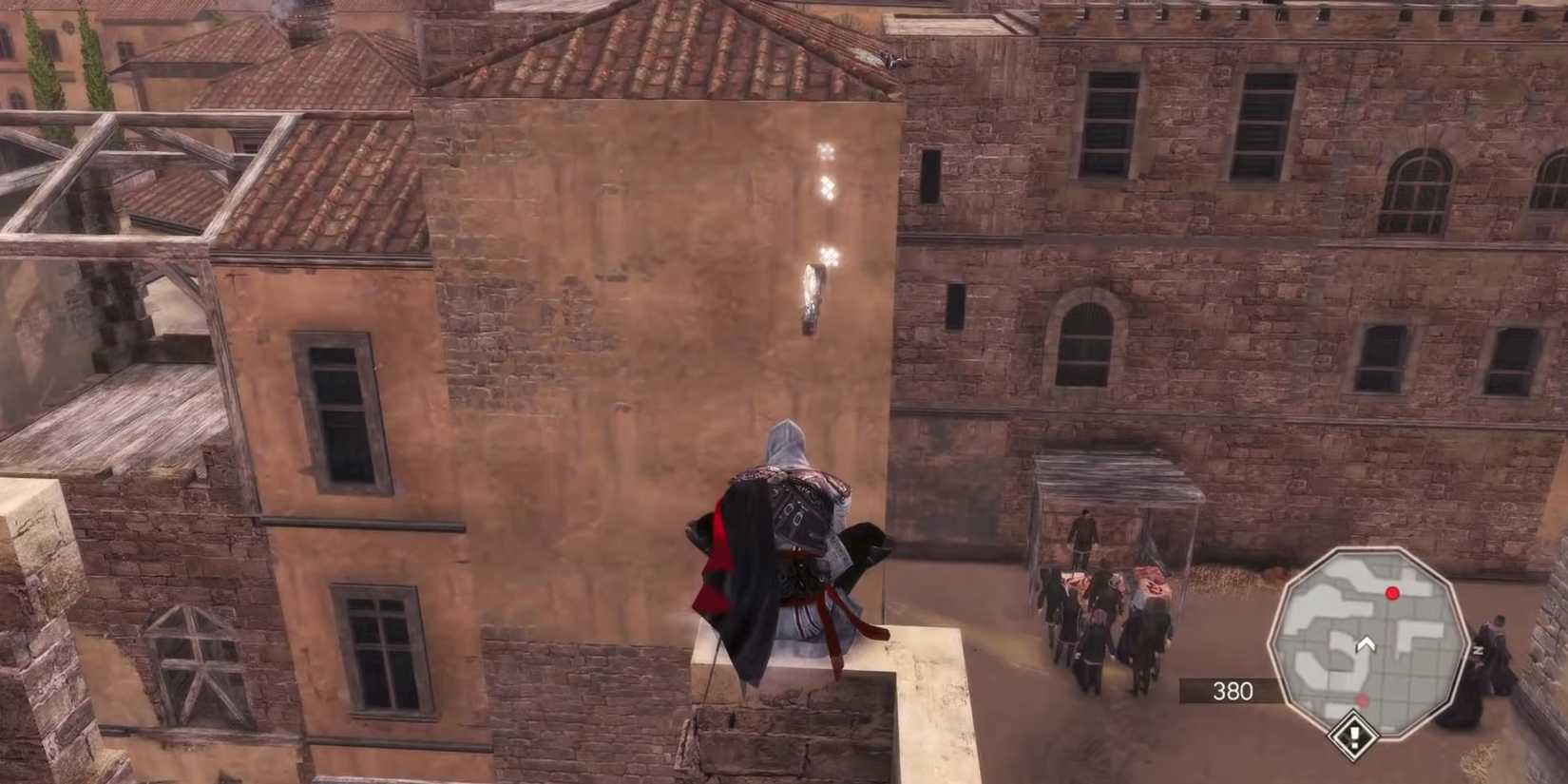
3. Assassin’s Creed 2: The Architect of "Map Bloat"
Assassin’s Creed 2 is rightfully remembered as a masterpiece, but its success inadvertently birthed one of the most frustrating trends in modern gaming: the "bloated" open world. Following Ezio Auditore through Renaissance Italy was a delight, but the industry interpreted its success as a mandate to make every game map bigger, denser, and filled with "needless tasks."
Ubisoft and many other publishers spent the following decade trying to top the sheer square mileage of their previous titles. This pursuit of scale over substance has led to the current fatigue surrounding open-world games, where side quests often feel like padding rather than content. We are still living in the shadow of the design standards set by the Assassin’s Creed franchise.
2. PUBG: Battlegrounds and the Fortnite Tsunami
The battle royale phenomenon changed the trajectory of the entire industry. PUBG: Battlegrounds arrived in early access as a scrappy, emergent experience, but the release of Fortnite shortly after turned the sub-genre into a global cultural movement. The lawsuit between the two developers highlighted a tense industry moment: the scramble to dominate the most profitable new trend in gaming.
Since Fortnite’s dominance, the industry has struggled to find a balance between creating unique, singular experiences and chasing the "battle royale" gold rush. It was the moment that proved "live-service" could be a multi-billion dollar juggernaut, effectively ending the era of the self-contained, linear blockbuster.
1. The Horse Armor: A Precursor to Modern Monetization
Perhaps the most infamous moment in the history of digital commerce is the release of the "Horse Armor" DLC for The Elder Scrolls IV: Oblivion. At the time, players were outraged by the prospect of paying $2.50 for a purely cosmetic item. It was a scandal that dominated gaming forums for weeks.
Looking back, that outrage seems almost quaint. The horse armor was the canary in the coal mine, predicting a future where microtransactions, battle passes, and predatory monetization are not just common, but foundational to the business model of most AAA games. It was the first step toward the "pay-to-win" and "live-service" structures that now dominate the industry.
Implications: The Future of the Medium
The common thread among these ten titles is that each one marked a "point of no return." Whether it was the transition from 2D to 3D, the shift from offline to online, or the birth of the microtransaction, these games changed the industry’s expectations of what a title should be.
As we look toward the future, the primary challenge for developers is to avoid the traps of the past. The industry is currently at a crossroads where the pressure to monetize and scale is clashing with a growing player desire for curated, meaningful experiences. These ten games serve as a reminder that progress isn’t always linear, and sometimes, the most important changes are the ones that force us to re-examine what we value most about the games we play.


 Asro
Asro
 Muslim