Lina Hope
The Metroidvania genre occupies a unique space in the gaming pantheon. It is a genre born from the marriage of two distinct design philosophies: the atmospheric, interconnected exploration of Metroid and the action-RPG progression systems pioneered by the Castlevania series. For many, the appeal lies in the rhythm of the experience—the satisfaction of uncovering a map, the frustration of a locked door, and the eventual triumph of acquiring a new ability that turns an impassable barrier into a gateway. While modern titles often lean into "roguelite" elements or extreme difficulty spikes, there is a specific, enduring charm to the classic Metroidvania structure.
The following list explores ten quintessential titles released prior to the 2020s. These games have been selected not only for their historical significance but for their remarkable ability to withstand the passage of time. They remain as playable, engaging, and atmospheric today as they were upon their original release.
Chronology and Evolution of the Genre
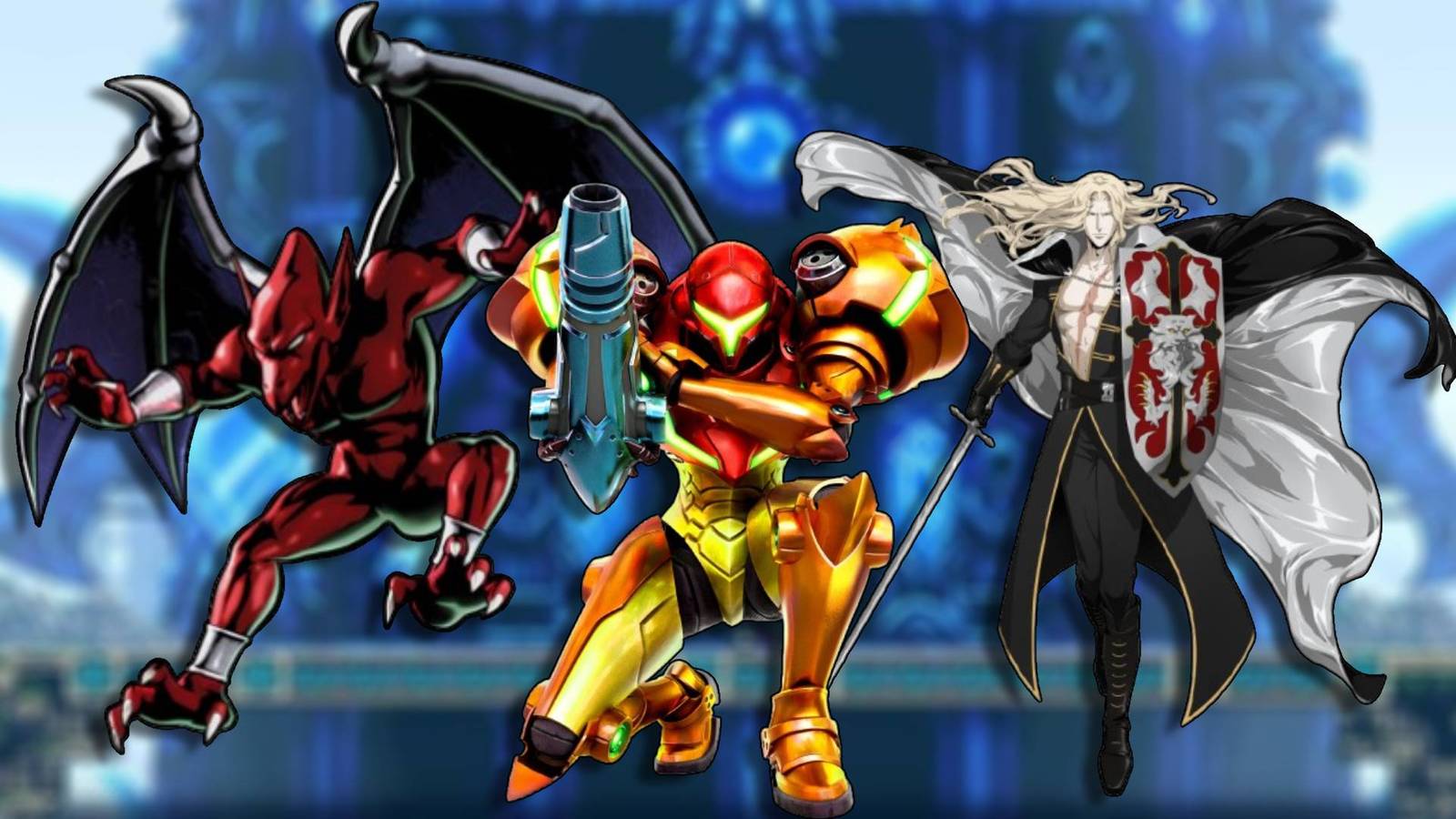
The history of the Metroidvania is a story of iterative design. While the genre roots itself in the 1980s, the 2010s represented a massive resurgence, fueled by the indie development boom. The games on this list represent a cross-section of this timeline, ranging from the foundational 16-bit classics of the mid-90s to the polished, high-definition indie darlings of the late 2010s.
10. Momodora: Reverie Under the Moonlight (2016)
As the fourth entry in the series, Momodora: Reverie Under the Moonlight served as an entry point for many players into rdein’s dark, ethereal universe. Developed by Bombservice and published by PLAYISM, this title masterfully blends pixel art with a distinctly melancholic atmosphere. Players take control of Kaho, a priestess on a mission to halt a curse ravaging her homeland. The gameplay is deceptively simple, featuring a bow for range and a leaf for melee combat. Its brevity—typically clocking in at around five hours—makes it a perfect candidate for multiple playthroughs, encouraging players to master its systems and uncover hidden endings.
9. The Messenger (2018)
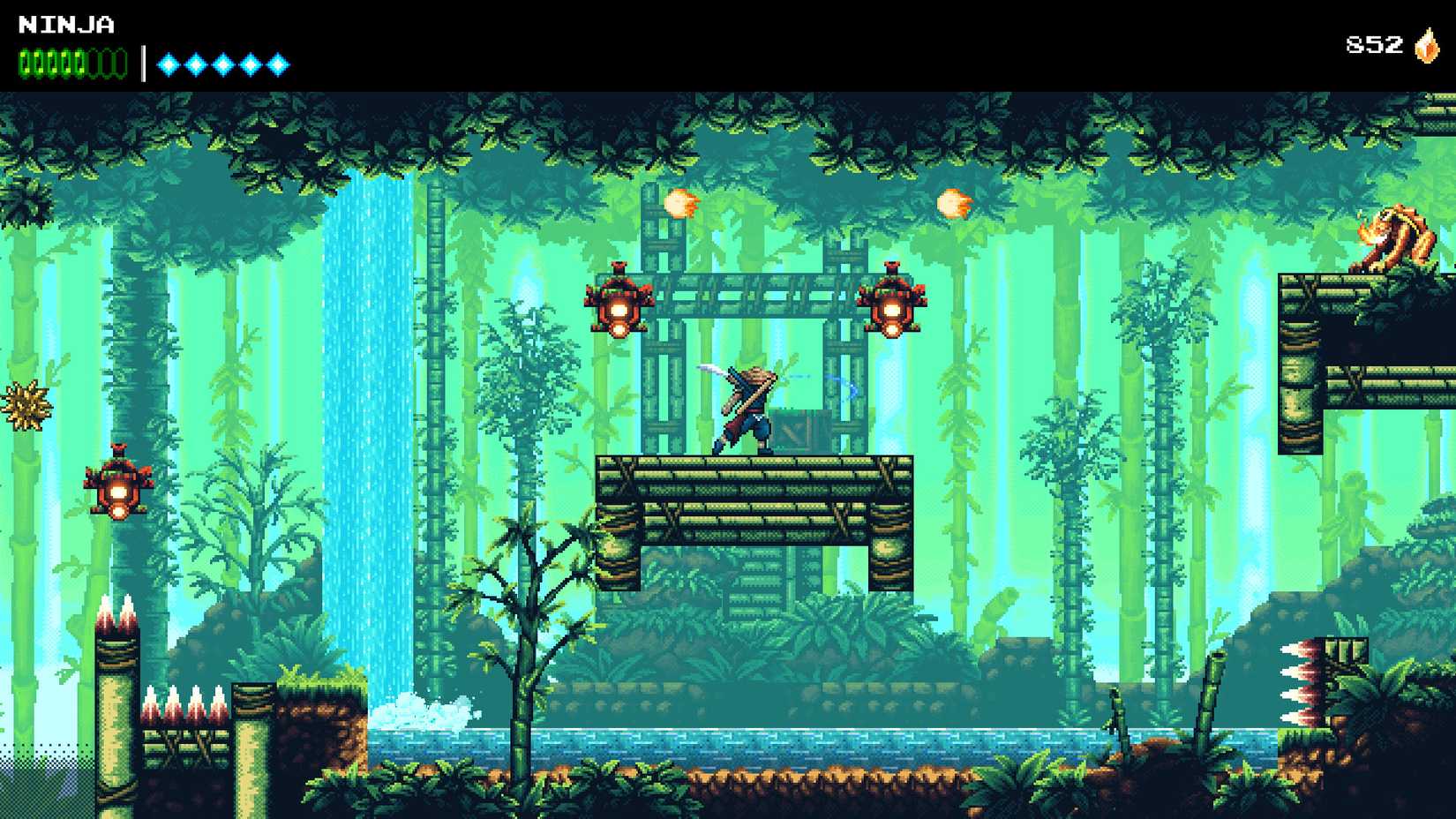
Developed by Sabotage Studio, The Messenger is a love letter to the 8-bit and 16-bit eras of action-platforming. What begins as a linear, Ninja Gaiden-inspired romp undergoes a massive structural shift halfway through, transforming into a full-fledged, time-traveling Metroidvania. The game’s ability to switch between 8-bit and 16-bit aesthetics is not merely visual; it impacts the mechanics and the level design. Complemented by a legendary chiptune soundtrack from Rainbowdragoneyes, The Messenger remains one of the most innovative genre entries of the last decade.
8. Ori and the Blind Forest (2015)
Moon Studios’ Ori and the Blind Forest is, in many ways, an interactive painting. It tells the story of Ori, a guardian spirit, and their quest to save the Forest of Nibel. While it possesses the traditional hallmarks of the genre, it distinguishes itself through its emotional weight and fluid movement mechanics. The "Definitive Edition" polished the experience, ensuring that the platforming challenges—often intense and demanding—always felt fair. It remains a benchmark for environmental storytelling and artistic direction.

7. Blasphemous (2019)
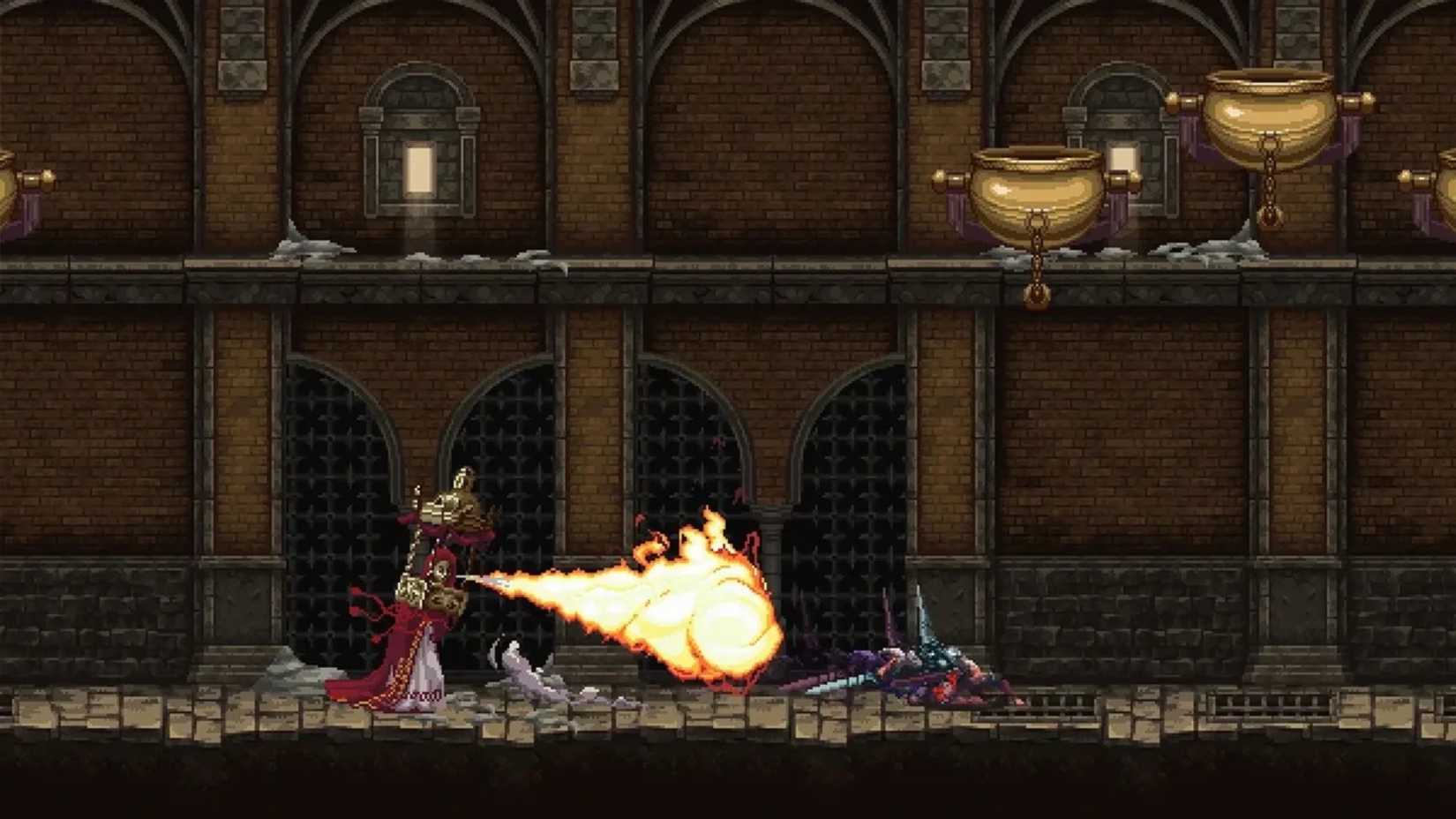
The Game Kitchen’s Blasphemous arrived with a grim, religious-horror aesthetic that immediately captured the imagination of the gaming community. Set in the nightmarish world of Cvstodia, players control the Penitent One, a silent knight wandering a land twisted by "The Miracle." While it flirts with Soulslike difficulty, its core is pure Metroidvania, rewarding patient observation and parry-based combat. Its success spawned a sequel, yet the original stands on its own as a masterpiece of grotesque art and tight, challenging gameplay.
6. SteamWorld Dig 2 (2017)
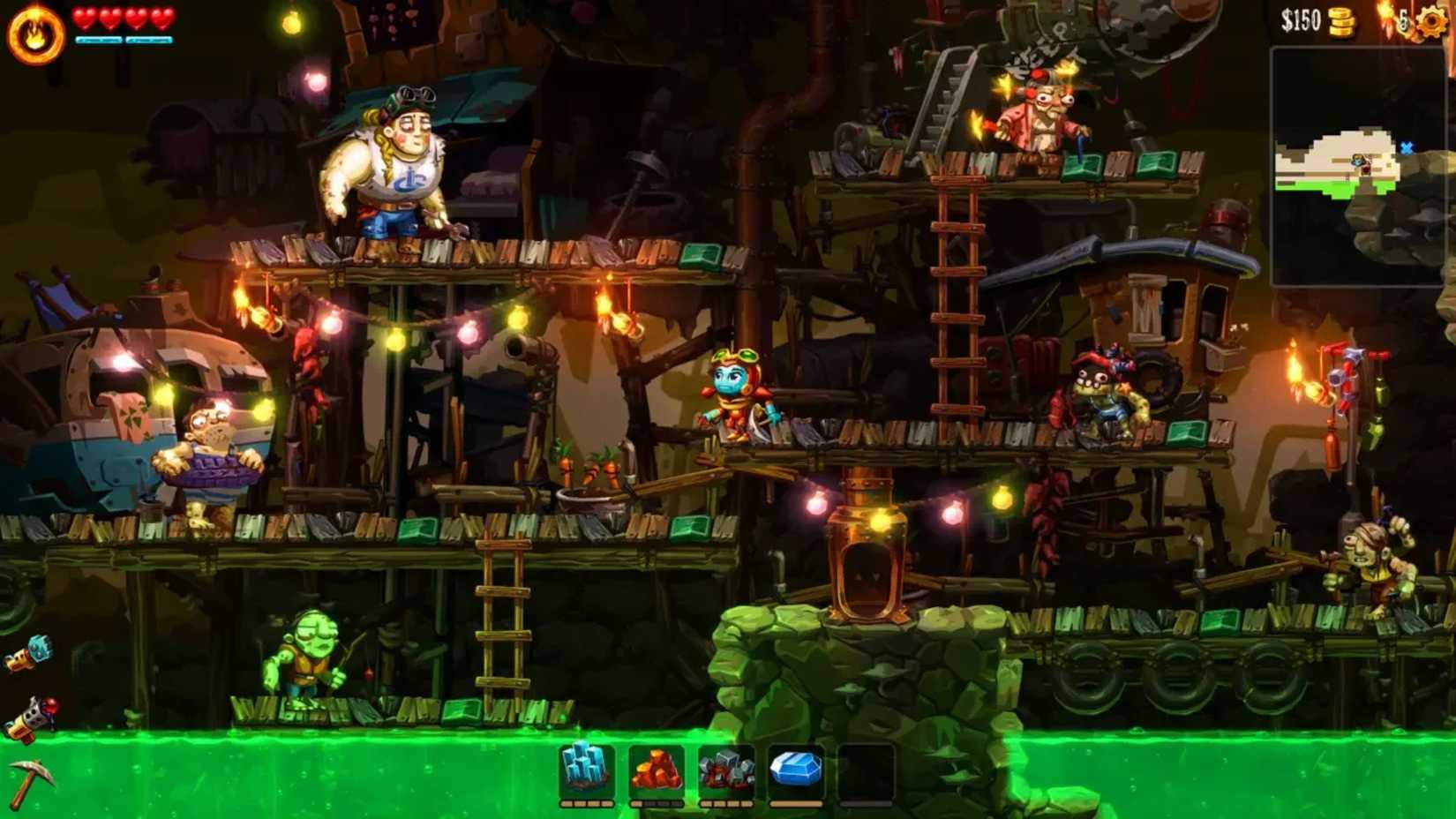
Image & Form achieved something rare with SteamWorld Dig 2: a sequel that completely eclipsed its predecessor in scope and refinement. Trading the randomized mining of the first game for a more curated, hand-crafted world, SteamWorld Dig 2 provides a satisfying loop of drilling, upgrading, and exploration. The protagonist, Dorothy, feels infinitely more mobile than her predecessor, and the narrative—a surprising, dark turn for a game about robots—keeps the player engaged throughout its roughly eight-hour runtime.
5. Axiom Verge (2015)
Axiom Verge is a testament to the power of solo development. Created by Thomas Happ, the game captures the eerie, isolated feeling of the original Metroid while introducing unique mechanics, such as the "Address Disruptor," which allows players to "glitch" enemies and the environment. It is a love letter to the 8-bit era, filled with secrets and a sense of discovery that feels both nostalgic and fresh.
4. Hollow Knight (2017)
Team Cherry’s Hollow Knight is widely considered the modern gold standard of the genre. With a map size that dwarves most competitors and a combat system that feels as sharp as a razor, it is an exhaustive, beautiful, and punishing experience. Despite the player’s potential revulsion toward its insectoid inhabitants, the world of Hallownest is undeniably magnetic. Its success is not just in its challenge, but in the layers of lore hidden in every corner of its vast, interconnected map.

3. Demon’s Crest (1994)
Often overlooked in favor of more mainstream titles, Demon’s Crest remains a hidden gem of the Super Nintendo era. As the final game in the Gargoyle’s Quest trilogy, it follows the demon Firebrand through a dark, atmospheric world. Its non-linear progression, reliance on acquiring specific crests for traversal, and multiple endings set a precedent for the genre that many later developers would follow.
2. Super Metroid (1994)
It is difficult to overstate the importance of Super Metroid. Often cited as one of the greatest games of all time, it codified the genre’s "language"—the feeling of being alone on a hostile planet, the gradual power-up progression, and the environmental storytelling that requires no dialogue. It is a masterpiece of pacing, and even decades later, its controls remain as responsive and satisfying as any modern equivalent.

1. Castlevania: Symphony of the Night (1997)
If Super Metroid provided the foundation, Symphony of the Night provided the soul. By integrating deep RPG mechanics—experience points, equipment, and complex magic systems—Konami revolutionized what an action-adventure game could be. The inverted castle, the iconic soundtrack, and the fluid movement of Alucard established a level of quality that remains, in many ways, unsurpassed. It is the quintessential Metroidvania, a game that feels just as perfect today as it did on the original PlayStation.
Supporting Data: Why These Games Last
The longevity of these titles can be attributed to three key factors:
- Mechanical Density: Each of these games features a "reward loop" where every hour spent yields a tangible increase in player agency, whether through movement upgrades or combat versatility.
- Atmospheric Consistency: Unlike games that rely on photorealism, the art styles—ranging from Momodora’s pixel art to Hollow Knight’s hand-drawn aesthetic—do not age. They exist in a stylistic vacuum that remains visually coherent.
- Non-Linearity: By allowing players to "wander" and discover secrets at their own pace, these games avoid the "corridor" fatigue found in more linear action games.
Official and Community Perspectives
Critics and fans alike maintain a high reverence for these titles. Super Metroid and Symphony of the Night are frequently highlighted in post-mortems and developer interviews as the primary influences for virtually every indie Metroidvania released in the last decade. Furthermore, the "Metroidvania" tag on digital storefronts acts as a seal of quality, often signaling that a game will prioritize exploration and player intelligence over cinematic hand-holding.
Implications for the Future
The enduring success of these ten titles highlights a critical implication for the gaming industry: players do not necessarily crave "infinite" content or the latest graphical fidelity. Instead, they crave precision in design. The success of modern hits like Hollow Knight proves that the fundamental pillars of the genre—exploration, backtracking, and progression—are timeless.
As we look toward the future of the genre, the blueprint left by these classics remains the gold standard. Whether it is a solo developer in their basement or a larger studio, the goal remains the same: to create a labyrinth so compelling that the player never wants to find the exit. For those looking to dive into the genre, these ten games are not just history lessons; they are the best experiences the genre has to offer.


 Asro
Asro
 Muslim