Ali Ikhwan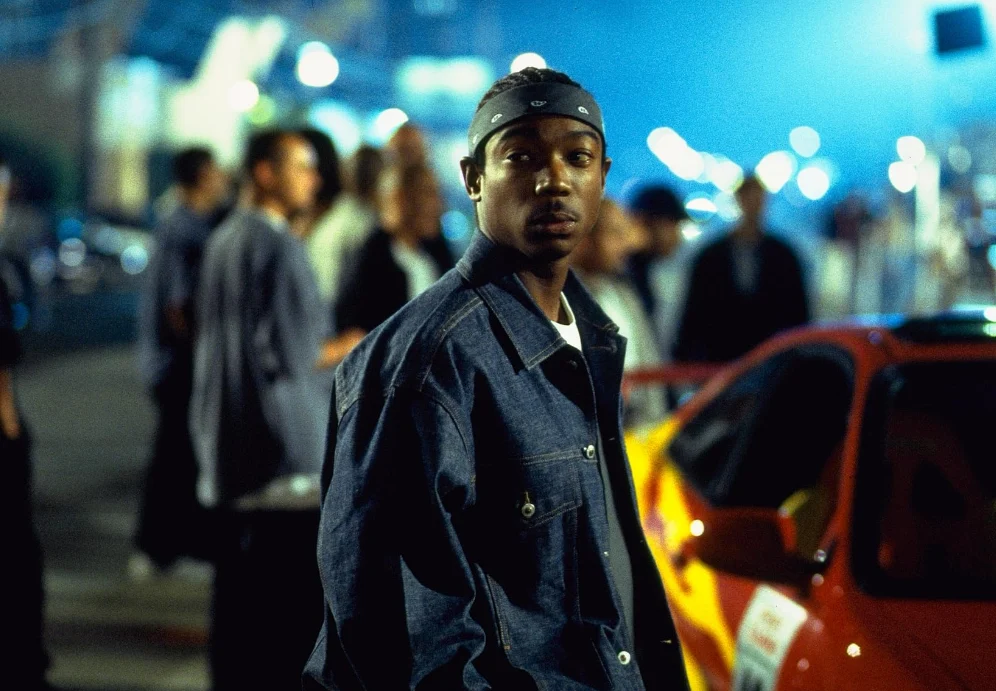
By Alfredo Federico Robelo | May 29, 2026
Hollywood is a town built on the foundation of "what ifs." For every star who secures an iconic role and rides it to legendary status, there is another who, for reasons of ego, timing, or simple miscalculation, walked away from the opportunity that could have defined their career. In the high-stakes world of entertainment, the difference between a lifetime of A-list status and fading into obscurity often comes down to a single decision.
While some performers manage to reinvent themselves, the graveyard of industry ambition is crowded with those who "fumbled the bag." Whether they were blinded by the allure of a different project or simply misjudged the trajectory of a hit, these 15 actors illustrate the precarious nature of success in the digital age.
The Anatomy of a Misstep: Why Stars Walk Away
To understand why an actor would abandon a juggernaut, one must look at the psychological pressures of fame. The entertainment industry rewards risk-taking, but it is notoriously unforgiving of those who misread the cultural temperature. Many of the individuals on this list were not necessarily "failures" in their craft; rather, they were victims of their own expectations. They believed they had outgrown their circumstances, only to find that the industry—and the audience—had moved on without them.

A Chronology of Missed Opportunities
The 1970s and 80s: The Era of Creative Differences
The phenomenon of the "breakout departure" is not a modern invention. McLean Stevenson, beloved as Lt. Col. Henry Blake in MASH, left the show at the height of its popularity in 1975. Stevenson’s desire to lead his own projects, rather than remain part of an ensemble, is a classic cautionary tale. While MASH became a permanent fixture in television history, Stevenson’s subsequent ventures never captured the same magic.
Similarly, Valerie Harper became the face of a high-profile contract dispute in the late 80s. Her exit from the sitcom Valerie—a show named after her—resulted in a fractured legacy. The series continued under a different title, while the public controversy served to alienate her from the very network that had made her a household name.

The 90s and 2000s: The Age of Franchise Blindness
As the blockbuster era matured, the stakes for actors became monumental. David Caruso’s departure from NYPD Blue remains perhaps the most cited example of "quitting while ahead." Caruso’s pivot to cinema was met with lukewarm critical reception, and he never regained the momentum he held as Detective John Kelly.
The turn of the millennium brought the rise of massive franchises. Stuart Townsend experienced a unique tragedy: he was cast as Aragorn in The Lord of the Rings before being replaced by Viggo Mortensen just days into filming. In the high-pressure environment of massive production budgets, the "fit" must be perfect; for Townsend, the loss of this role was a career-defining blow.
Supporting Data: The Cost of "Mad Money" vs. "The Dark Knight"
Perhaps no decision in modern film history illustrates the "opportunity cost" better than Katie Holmes’ choice to forgo a return as Rachel Dawes in The Dark Knight. By opting for the crime comedy Mad Money, Holmes stepped out of a cultural phenomenon directed by Christopher Nolan. Maggie Gyllenhaal stepped in, and while Holmes continued to work, the loss of a key role in one of the highest-grossing superhero films of all time significantly altered her trajectory in the film industry.
Similarly, Ed Skrein’s decision to leave Game of Thrones—the greatest television success of its generation—to star in the reboot of The Transporter Refueled serves as a stark reminder that even in Hollywood, brand power matters. Game of Thrones solidified its status as a global phenomenon, while Skrein’s action pivot failed to resonate with audiences or critics.
The "One-Hit" Phenomenon and Reality Television
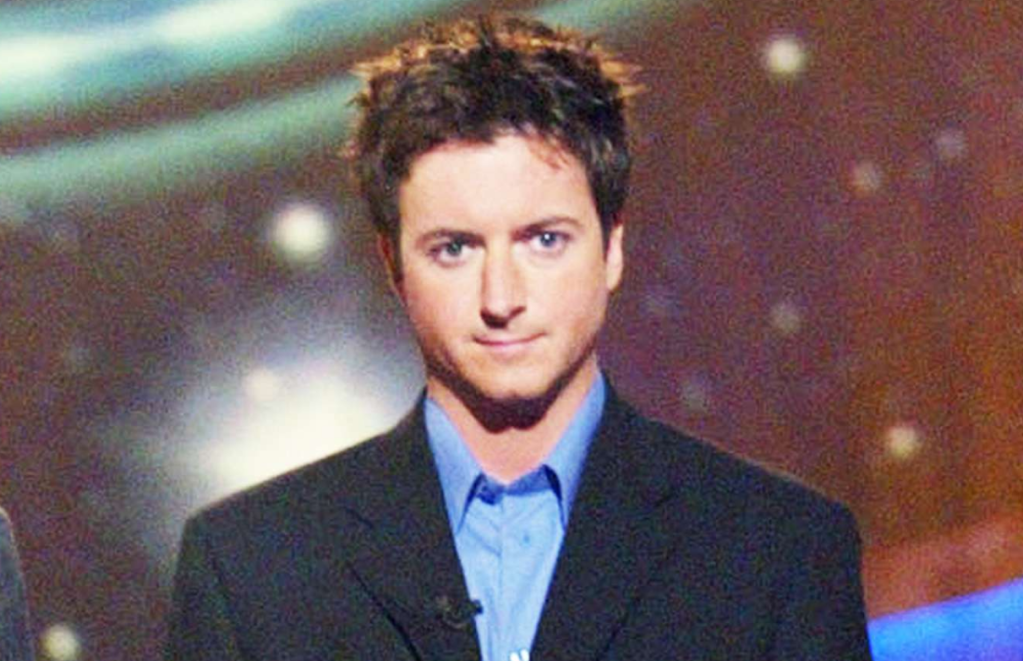
The advent of reality television created a new category of "fumbled" opportunities. Brian Dunkleman co-hosted the inaugural season of American Idol alongside Ryan Seacrest. When Dunkleman walked away, he did so under the impression that he had better prospects. As Seacrest became the face of American media, Dunkleman found himself navigating the harsh reality of being "the guy who left Idol."
In the world of animation, Lacey Chabert provided the voice for Meg Griffin in the first season of Family Guy. When she was replaced by Mila Kunis, the show was only beginning its ascent to becoming an institution. Chabert has since built a successful career in the Hallmark space, but the missed opportunity to be a core part of the Family Guy legacy is an undeniable "what if."

Official Responses and Behind-the-Scenes Friction
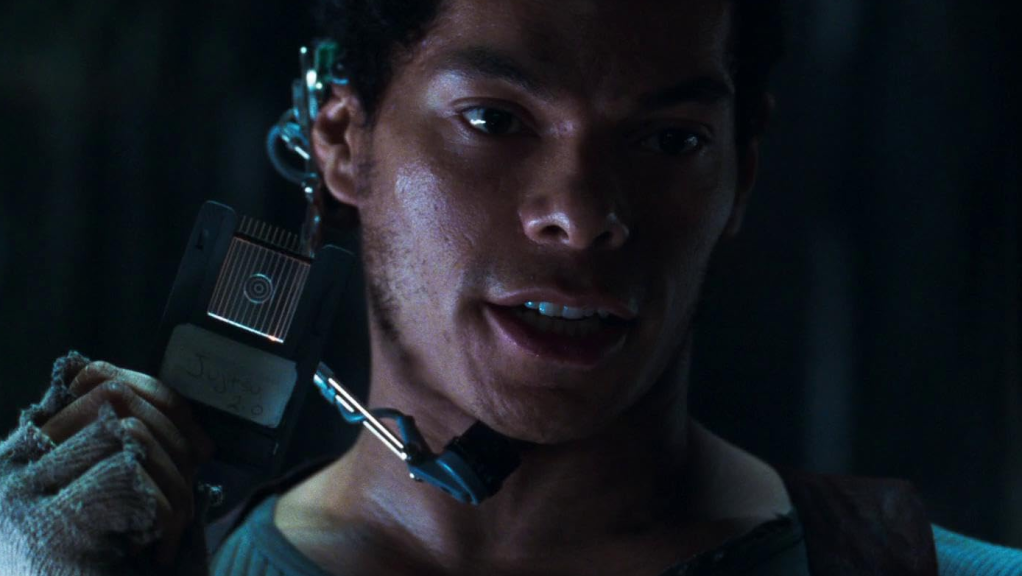
Often, these departures are not just about "bad instincts" but about internal conflict. Marcus Chong’s exit from The Matrix franchise is a textbook example of how interpersonal friction can derail a career. Following disputes with the Wachowskis and producers, Chong was excised from the sequels. In the tightly controlled environment of a studio franchise, bridge-burning is a permanent state.
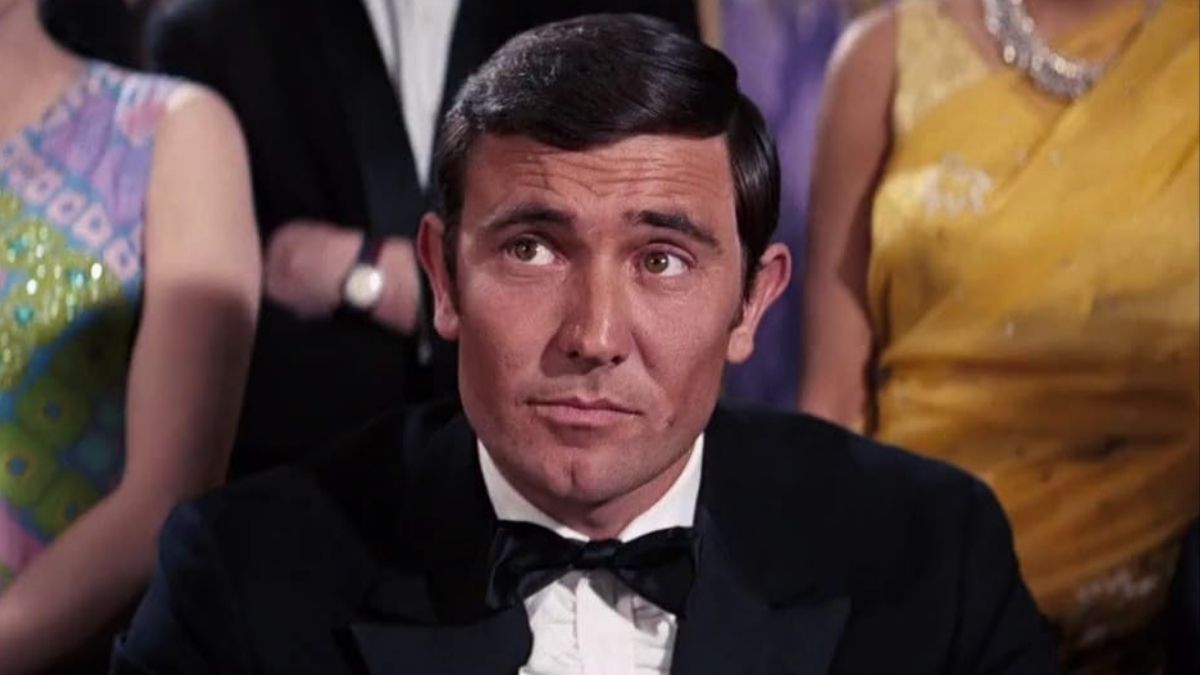
George Lazenby offers a different perspective. After taking over the role of James Bond in On Her Majesty’s Secret Service, he was advised by his management that the Bond franchise was "outdated." He walked away from a multi-picture deal, only to watch Sean Connery return and the franchise reach new heights. Lazenby’s case highlights the danger of listening to bad advice in an industry that prizes loyalty to the brand.

Implications: The Long-Term Effects on Career Longevity
What do these cases tell us about the modern actor’s journey?
- The Peril of Ego: Many of these actors believed they were "bigger" than the project they were in. In hindsight, the project was often the engine of their fame.
- The Value of Momentum: Once a performer exits a hit, the "spotlight effect" dissipates. Re-entering the public consciousness at the same level is statistically improbable.
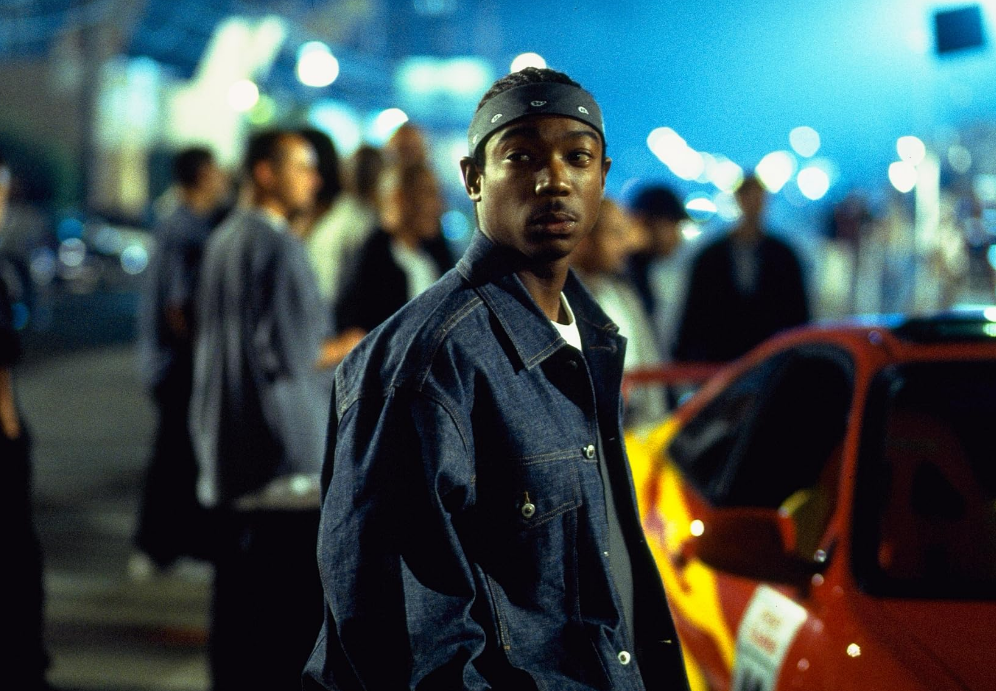
- The Cost of Salary Disputes: Performers like Ja Rule (who left The Fast and the Furious over salary) learned the hard way that a smaller piece of a massive, growing pie is worth more than a larger piece of a failed project.
Conclusion: Lessons for the Future
Hollywood remains a landscape of shifting sands. For every actor who survives a departure, there are dozens who struggle to regain their footing. The lesson is not necessarily to stay in a role forever, but to understand the intrinsic value of the vehicle that launched one’s career.
As we look at the careers of stars like Crystal Reed (who left Teen Wolf) and Jessica Brown Findlay (who left Downton Abbey), we see a pattern of seeking "prestige" or "variety." Yet, the cultural impact of their initial projects remains a standard they have struggled to surpass. These stories are not meant to mock, but to serve as a sobering reflection on the fragility of stardom. In the pursuit of the "next big thing," it is all too easy to let the "thing of a lifetime" slip through your fingers.

 Pevita Pearce
 Layla Zulfa