Nana
Nana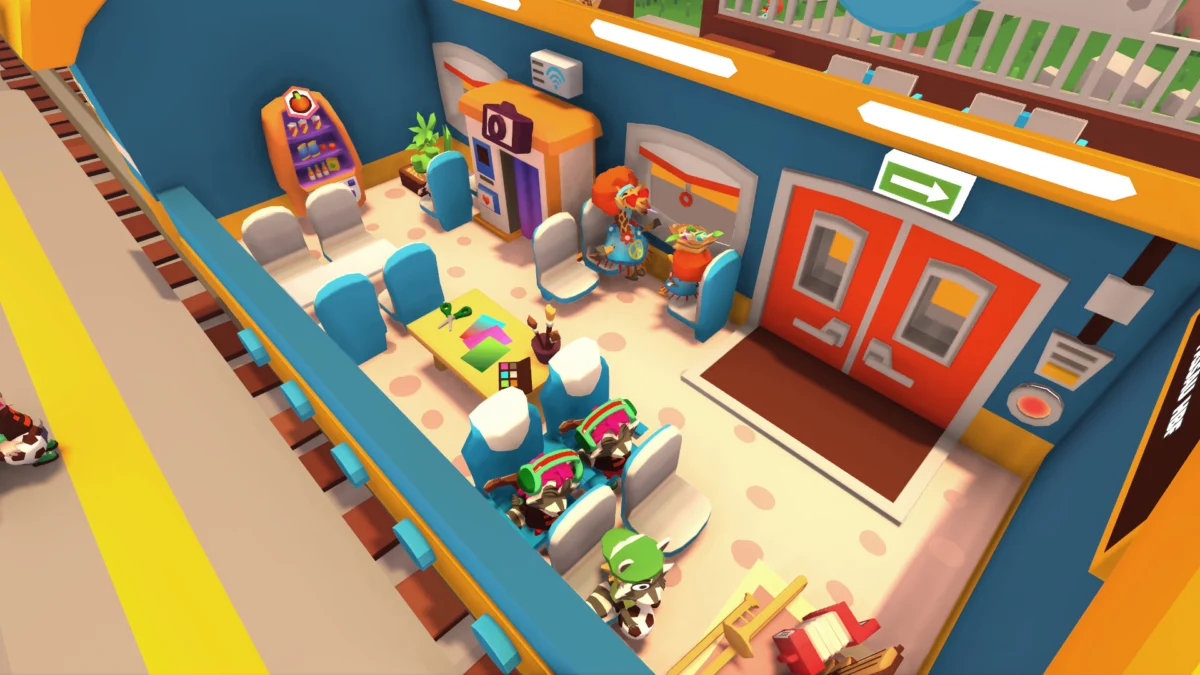
In the rapidly evolving landscape of indie simulation games, few titles manage to blend high-stakes management with lighthearted, whimsical aesthetic quite like the upcoming Train Jumble. Developed as a puzzle-centric transport simulator, the game tasks players with the monumental responsibility of managing a locomotive traversing the scenic, albeit demanding, routes of Europe. At its core, the game is an exercise in spatial awareness, economic forecasting, and passenger satisfaction—a trifecta that promises to keep players on their toes from the first whistle to the final stop.
The Core Concept: Managing the Mobile Puzzle
At its simplest, Train Jumble is about orchestrating the perfect travel experience. Players act as a conductor and logistics manager, ensuring that every humanoid animal passenger—each with their own unique set of personality quirks and travel requirements—reaches their destination in a state of satisfaction.
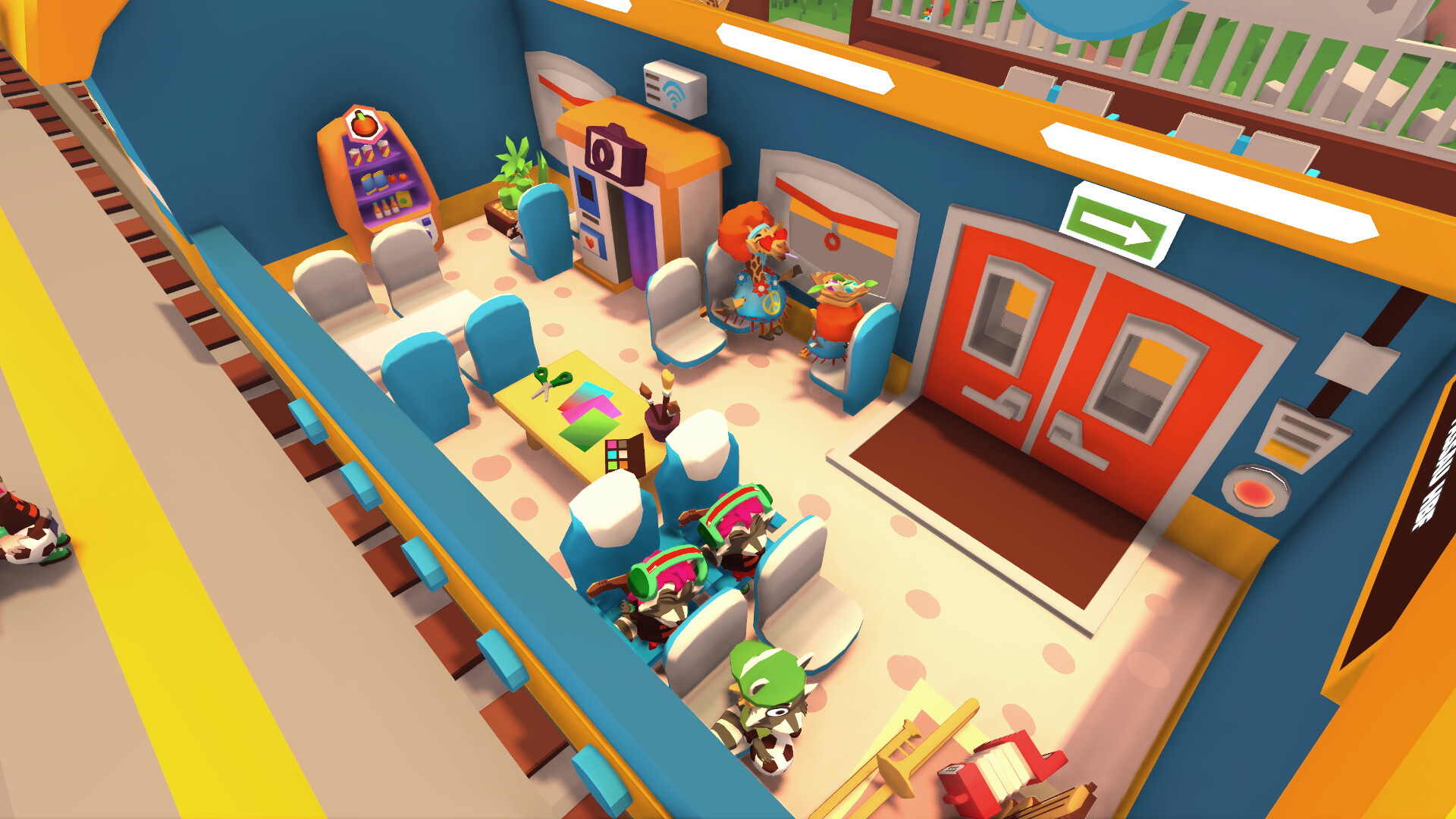
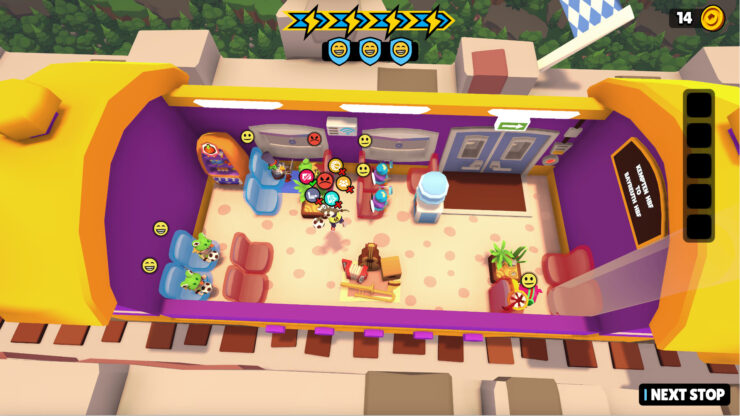
The gameplay loop is deceptively straightforward: at each station, a new group of passengers boards the train. Above their heads, players are presented with a series of icons indicating their specific needs. These requirements vary from the mundane to the absurd, ranging from a preference for window seats to a bizarre necessity to be positioned near a crafting table. The challenge lies not in the initial boarding, but in the frantic, real-time reorganization required to keep everyone happy once the train is in motion.
Chronology: From Station Prep to Final Destination
The gameplay experience is structured into distinct, modular segments. Before a single passenger steps onto the platform, the player enters the "Preparation Phase." This is where the strategic foundation of the journey is laid.
Phase 1: The Strategic Setup
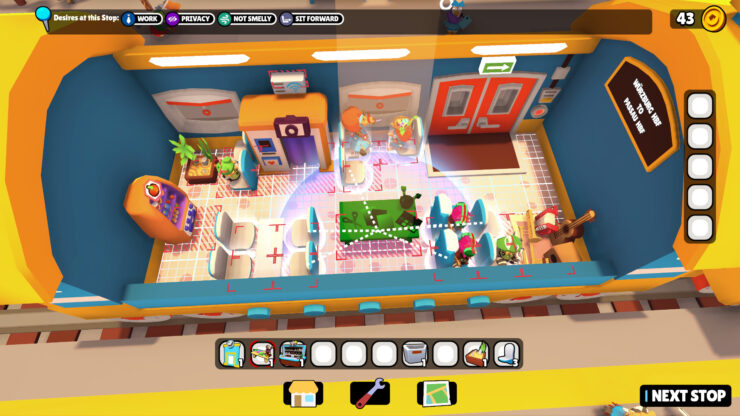
Before departure, players must visit the in-game shop to procure equipment and amenities. Because the layout of the train is customizable, this phase is critical. You must decide which upgrades are worth the investment for the upcoming route. Are you expecting a crowd that favors social interactions, or perhaps a group of introverts who require personal space? Budgeting is vital; every purchase incurs a cost that must be recouped through the tips and fares generated during the trip.
Phase 2: The Departure and Mid-Journey Turbulence
Once the train departs, the puzzle shifts from economic strategy to spatial management. As passengers settle in, the player must physically move them around the carriages. The game provides visual feedback during this process: hovering a passenger over a seat reveals a color-coded indicator. Green suggests the passenger will be content in that location, while red warns of potential friction.
Managing these dynamics is complicated by the fact that passengers often have complex social requirements. One character might demand proximity to a specific type of traveler, while another might insist on being near specialized equipment. Balancing these conflicting desires while navigating a crowded carriage is the heart of the Train Jumble experience.
Phase 3: Financial Reconciliation
As the journey concludes or reaches a major hub, the financial results are tallied. Satisfied passengers provide tips, which are essential for offsetting the operational costs of the train. These funds are then reinvested into better equipment, allowing the player to tackle increasingly complex and lucrative routes.
Supporting Data: Why Spatial Management Matters
While the premise of Train Jumble sounds like a standard simulation title, the underlying mechanics suggest a high degree of complexity. In many simulation games, "management" implies menu-diving and spreadsheet balancing. Train Jumble, however, emphasizes the "jumble"—the physical mess of managing a dynamic, moving environment.
The necessity of restocking equipment for each specific route implies that players cannot rely on a "one-size-fits-all" strategy. The routes themselves vary in difficulty, with some offering higher financial rewards in exchange for more temperamental passenger demographics. This introduces a risk-reward mechanic that is essential for long-term player retention. Furthermore, the limited physical space of the train carriages acts as a constraint. Players must constantly weigh the utility of a piece of equipment (such as a crafting table) against the physical footprint it occupies, which could otherwise be used for seating additional passengers.
Official Responses and Developer Intent
While the title remains in active development, the developer’s vision for Train Jumble is clear: to create a game that is as aesthetically charming as it is mentally taxing. The use of a vibrant, colorful art style serves to lower the barrier to entry, welcoming players into a world that feels lighthearted, even when the logistics of the train become overwhelming.
In early showcases, the developer has emphasized that the "strange" nature of the train’s interior—such as the inclusion of crafting tables in passenger cars—is an intentional design choice. By subverting the expectations of what a standard train should look like, the game forces players to think creatively about how to utilize their space. The goal is to move beyond the traditional "seat them and forget them" model of transport sims and toward a more interactive, personality-driven puzzle system.
Implications for the Genre
The rise of Train Jumble is indicative of a broader trend in the indie scene: the "cozy-management" subgenre. These games prioritize a relaxing aesthetic while hiding deep, complex puzzle mechanics underneath.
The Evolution of the "Casual" Simulation
Traditionally, management games were associated with high-pressure, resource-heavy experiences. Train Jumble suggests a shift toward more approachable, bite-sized simulation. By breaking the game into distinct routes and stops, the developers have ensured that the game can be played in short bursts without losing the sense of long-term progression.
The Challenge of UI and Accessibility
One of the most significant implications of this game’s design is the challenge of managing a cluttered screen. As more passengers board and more equipment is added, the "jumble" increases. The success of the final release will likely hinge on the developer’s ability to keep the UI intuitive. If the game becomes too chaotic, it risks alienating the very audience that is drawn to its charming visual style. However, if the balance is struck correctly, Train Jumble could become a benchmark for how to handle complex spatial puzzles in a 2D environment.
Looking Ahead: A Call to the Community
As Train Jumble moves toward its full release, the developer has made the demo available to the public via Steam. This is a crucial phase for any indie title, as it allows for community feedback to help refine the balance of the game’s passenger needs and economic scaling.
The inclusion of an official overview trailer at the Indie Fan Fest 2026 has already garnered significant attention, highlighting the game’s unique art direction and the quirky personality of its passengers. For fans of puzzle games who enjoy the frantic energy of titles like Overcooked but prefer the strategic, long-form planning of simulation games, Train Jumble offers a compelling middle ground.
Whether you are a fan of train simulators or simply enjoy a well-constructed puzzle, the game presents a fresh take on the genre. By turning the interior of a train into a high-stakes, shifting puzzle box, the developers have ensured that no two journeys will ever be the same. As we wait for the final release, one thing remains certain: keeping the passengers happy will be the most rewarding, and most difficult, part of the ride.
For those interested in tracking the progress of this project, the game is currently available for wishlisting on Steam, where updates and demo patches are being released regularly. The journey through Europe is just beginning, and for those ready to take the conductor’s seat, the chaos of Train Jumble awaits.


 Layla Zulfa
 Basiran