Lina Irawan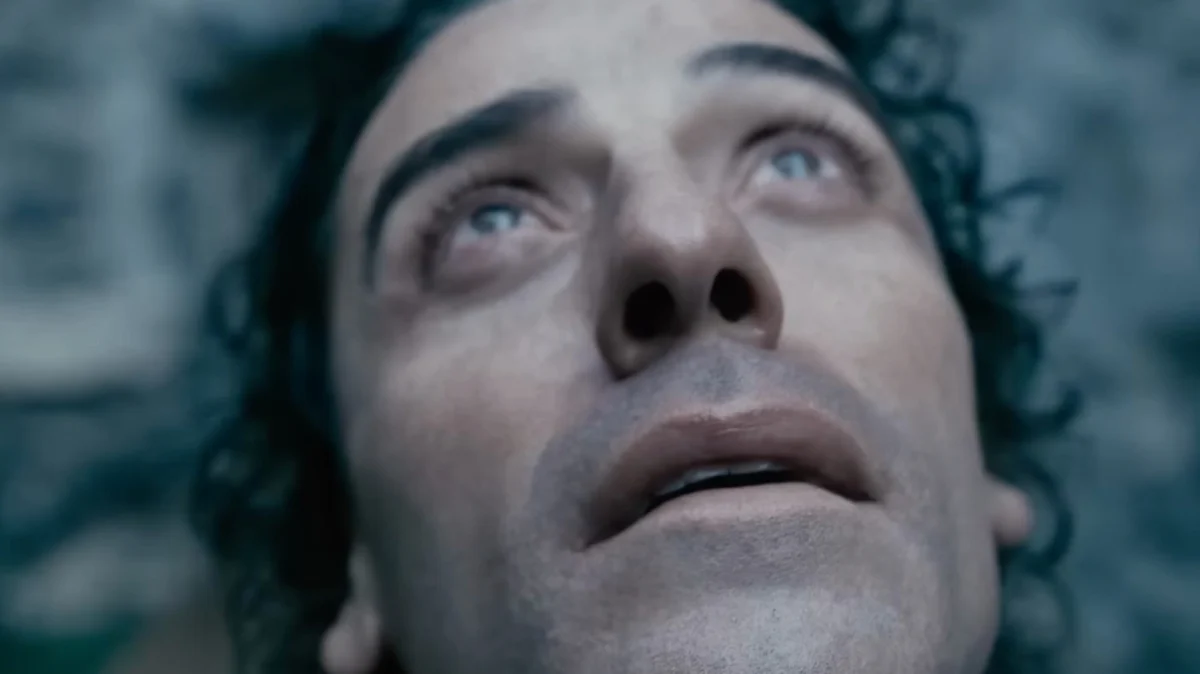
On paper, Julian Schnabel’s In the Hand of Dante appeared to be the cinematic event of the decade. With an ensemble cast featuring some of the most formidable names in Hollywood—Oscar Isaac, Gerard Butler, John Malkovich, Al Pacino, and even Martin Scorsese—and helmed by Academy Award-nominated director Julian Schnabel, the film arrived with immense pedigree. Yet, upon its debut at the Venice International Film Festival last September, the project was met with a chorus of critical confusion. Now that it has arrived on Netflix, audiences are finally tasked with deciding: is this a misunderstood masterpiece of ambition, or a sprawling, self-indulgent failure?
The Narrative Architecture: A Dual-Timeline Odyssey
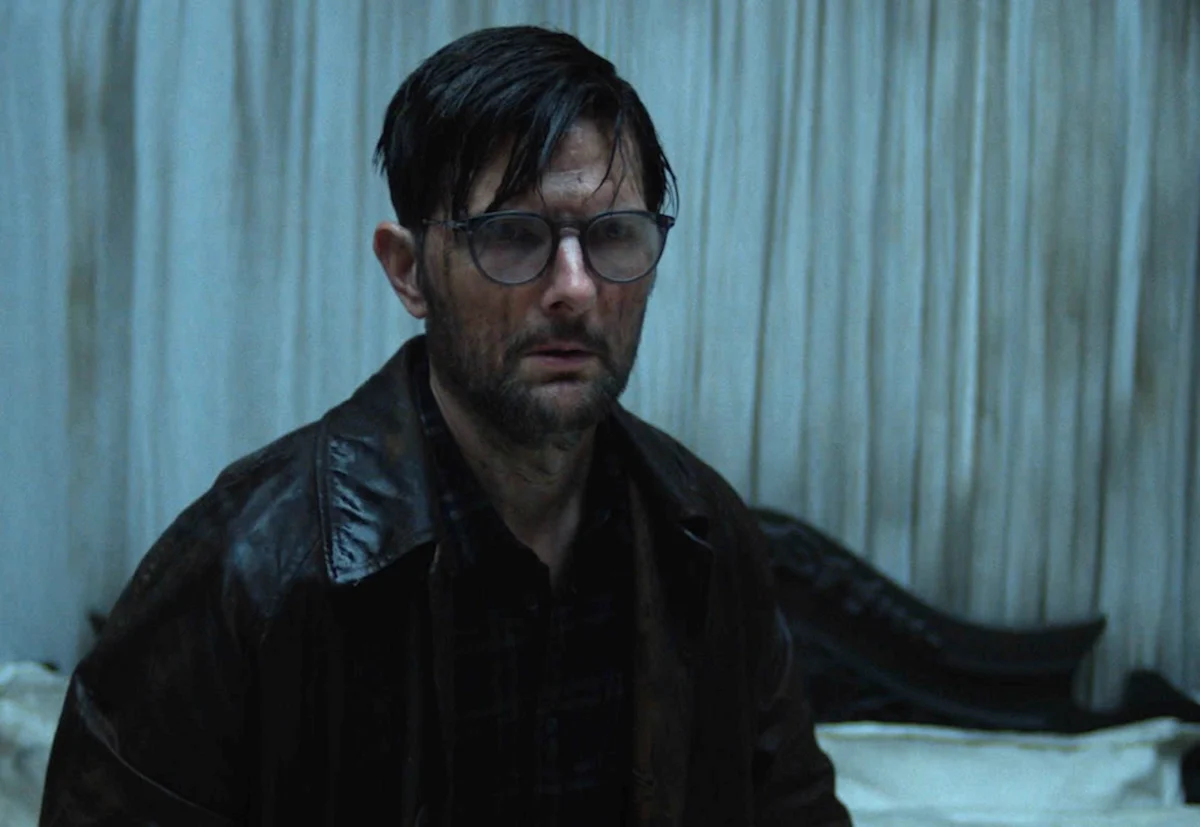
In the Hand of Dante is not a traditional biopic. Based on the 2002 novel by the late, mercurial author Nick Tosches, the film attempts to weave together two disparate timelines. The first follows the life and existential struggles of the legendary poet Dante Alighieri in the early 14th century. The second is set in a gritty, modern-day underworld, where an author—also named Nick Tosches (played by Oscar Isaac)—is recruited by a ruthless mob boss (John Malkovich) to verify the authenticity of an original manuscript of The Divine Comedy.
The structural conceit is undeniably daring. Schnabel, known for his visually evocative work in The Diving Bell and the Butterfly and Before Night Falls, leans into a bifurcated aesthetic. The 14th-century segments are captured in vivid, lush color, emphasizing the divine and the historical, while the modern-day narrative is rendered in sharp, noir-inflected black-and-white. It is a stylistic choice that highlights the film’s central thesis: the enduring, almost ghostly influence of genius on the modern world. However, translating the "splendid, passionate mess" of Tosches’ prose into a coherent two-and-a-half-hour film has proven to be a Herculean task that many critics feel Schnabel ultimately failed to complete.
Chronology of a Production
The road to the screen for In the Hand of Dante has been as winding as the circles of Hell depicted in its source material. The project languished in development hell for years, with various casting rumors—including a notable flirtation with Johnny Depp—periodically circulating through the industry. When the production finally materialized, the scope of its ambition became clear.
- Development: The adaptation of Nick Tosches’ novel was long considered an "unfilmable" property due to its dense literary references and fragmented structure.
- Casting: Assembling a cast of this magnitude signaled that the film was intended as an awards-season powerhouse.
- Filming: Production took place across various international locations, designed to mirror the vast geographical and temporal shifts of the script.
- Venice Premiere: The film’s debut at the Venice International Film Festival marked a turning point. Instead of the anticipated standing ovation, the reception was muted and, in many quarters, overtly hostile.
- Streaming Release: Following a limited theatrical window, Netflix acquired the rights, bringing the polarizing project into the homes of millions.
Performance Analysis: The Good, The Bad, and The Miscast
The critical consensus, while divided on the film’s overall efficacy, is largely united in its appreciation for the technical craft on display. Roman Vasyanov’s cinematography is a standout, providing a visual cohesion that the script sometimes lacks.
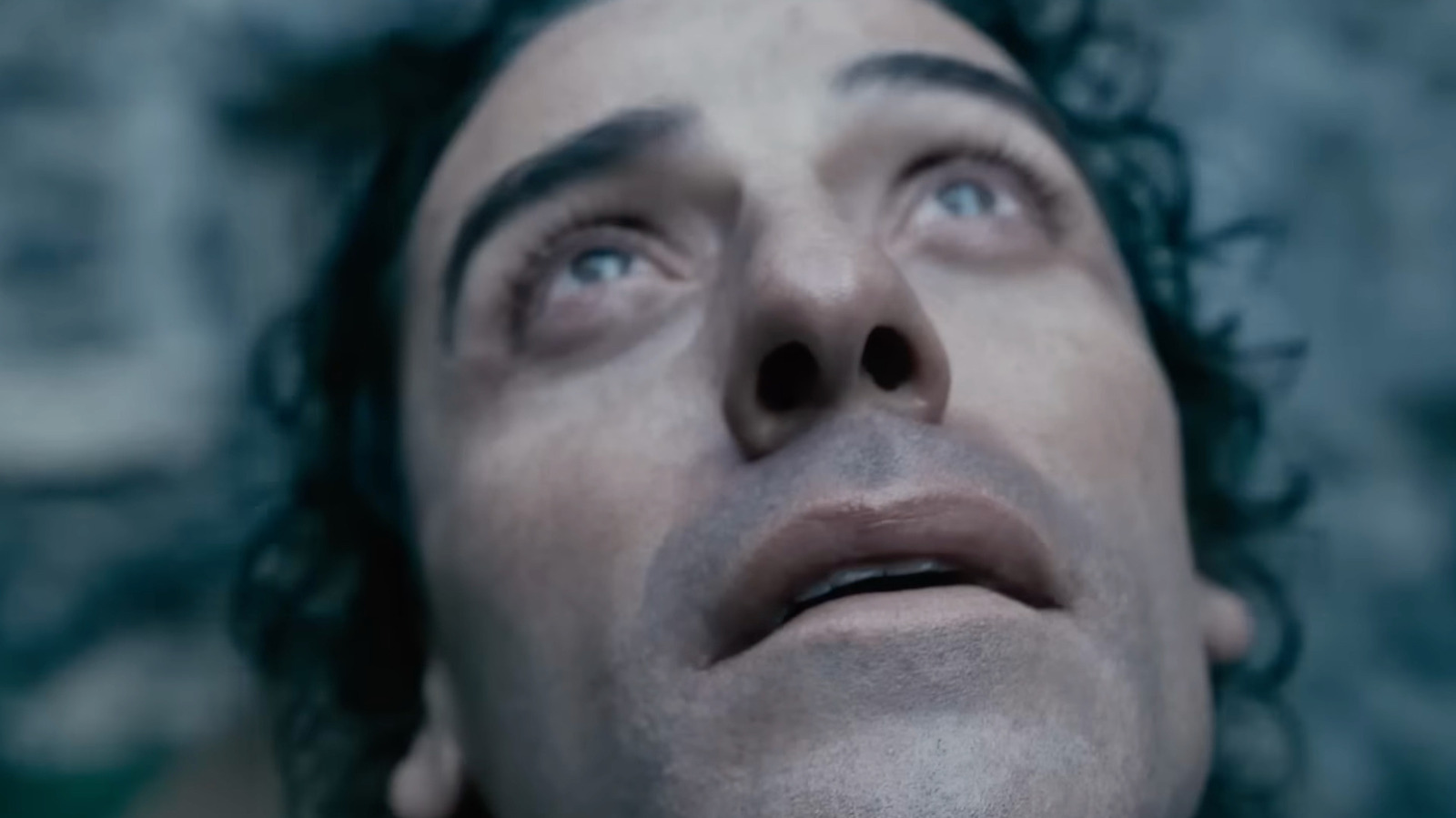
Oscar Isaac, taking on the dual role of the 14th-century poet and the 21st-century author, carries the film on his shoulders. Critics have lauded his ability to ground such disparate characters, giving the film a heartbeat even when the pacing stalls. Gerard Butler, playing a dual role as both a vicious mobster named Louie and Pope Boniface VIII, provides a surprisingly gripping performance that leans into the film’s more bizarre tendencies.
Conversely, the film has faced significant criticism regarding its supporting cast. Many reviewers have pointed to the inclusion of Gal Gadot and Jason Momoa as jarring. Critics have argued that these casting choices detract from the grounded, gritty atmosphere Schnabel spent so much time cultivating. For those familiar with the modern critique of high-profile casting, these performances have become a lightning rod for broader discussions about the "star-system" in contemporary cinema—where big names are utilized for visibility rather than character synergy.
The Critical Landscape: Folly or Failure?
The critical reception has been exceptionally stark. Owen Gleiberman, writing for Variety, labeled the film "a folly," noting that while it possesses moments of genuine beauty, it lacks the narrative glue to hold its massive ambitions together. Hannah Strong, writing for Little White Lies, was even more direct: "Schnabel’s film isn’t even entertaining enough to count as a compelling disaster."
These reviews touch on a vital question in modern film criticism: do we prefer the calculated safety of a "by-committee" studio product, or the messy, unbridled failure of an auteur? Schnabel is undeniably an artist with a singular vision. He does not cater to the mainstream, and in an era of franchise fatigue, there is something inherently noble about a 153-minute, black-and-white philosophical epic about Dante Alighieri. Even if the film fails to achieve greatness, it represents a brand of filmmaking that is rapidly disappearing from the major studio slate.
Implications for the Future of Auteur Cinema
The arrival of In the Hand of Dante on Netflix serves as a litmus test for the streamer’s role in modern cinema. By picking up a film that struggled at the festival circuit, Netflix provides a platform for work that might otherwise disappear into the archives of failed productions. However, it also exposes such films to a wider, less forgiving audience.
The implications for Julian Schnabel’s career are similarly complex. As a director who has previously defined his career through risk-taking—from Basquiat to the critically lauded The Diving Bell and the Butterfly—this film stands as a testament to his unwillingness to compromise his creative voice. Whether this will lead to a pivot in his career or if it will be seen as a minor footnote in an otherwise illustrious filmography remains to be seen.
Conclusion: Should You Watch It?
In the Hand of Dante is not a film for the casual viewer seeking a fast-paced crime thriller or a standard historical drama. It is a dense, challenging, and frequently strange piece of work that demands patience and a high tolerance for ambiguity.
If you appreciate the works of directors who swing for the fences—even when they miss—then this film is an essential watch. It is a visual feast, anchored by one of the most talented actors of his generation in Oscar Isaac, and it dares to grapple with the heaviest themes in literature. While it may not be the masterpiece its cast and director hoped for, it is undoubtedly an ambitious, sprawling endeavor that stands apart from the homogenized content that dominates the current streaming landscape.
As you navigate the 153-minute runtime, keep an eye on the transition between the two timelines. It is there, in the contrast between the vibrant past and the bleak present, that the true, if flawed, soul of the film resides. In the Hand of Dante is, if nothing else, an unforgettable experiment—and in today’s risk-averse movie industry, that alone makes it worth your time.


 Jia Lissa
 Ali Ikhwan