

In the global culinary imagination, sushi is often equated with the pristine, high-end omakase counters of Ginza, where master chefs slice glistening, raw slivers of fish onto warm, vinegared rice. However, for those who truly understand the pulse of Japanese food culture, the "real" experience often lies in the humble, accessible, and historically rooted traditions that birthed the dish.
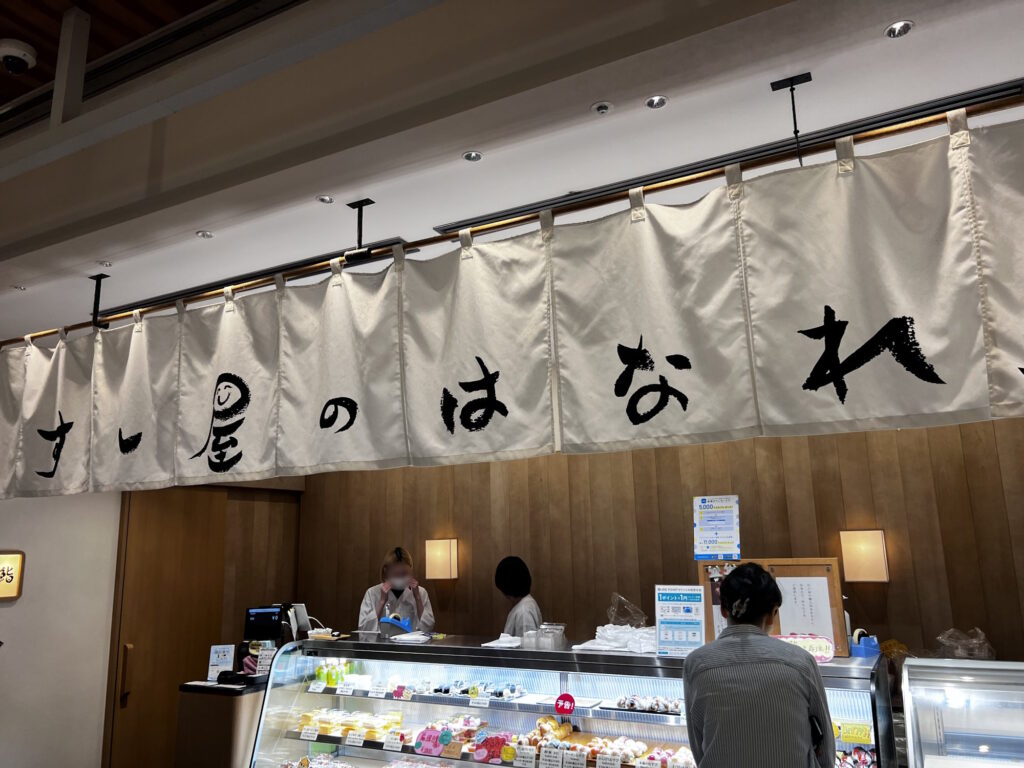
Recently, social media in Japan erupted over a discovery at Shinjuku Station—the world’s busiest transit hub—where a tiny, unassuming takeout counter named Hanare has begun serving authentic, Edo-era style sushi at prices that seem to defy modern inflation. While high-end sushi has become synonymous with exclusivity, this resurgence of Edomae (Edo-style) sushi offers a fascinating intersection of historical preservation, modern convenience, and the enduring quest for value.
Main Facts: The Return of a Forgotten Staple
Edomae sushi, which translates to "in front of Edo" (the old name for Tokyo), represents the architectural blueprint for modern sushi. Unlike the contemporary focus on fresh, raw sashimi-grade fish, Edomae tradition was born from necessity. In the 19th century, before the advent of industrial refrigeration, fish caught in Tokyo Bay had to be treated—cured, marinated, or pickled—to ensure both safety and flavor preservation.
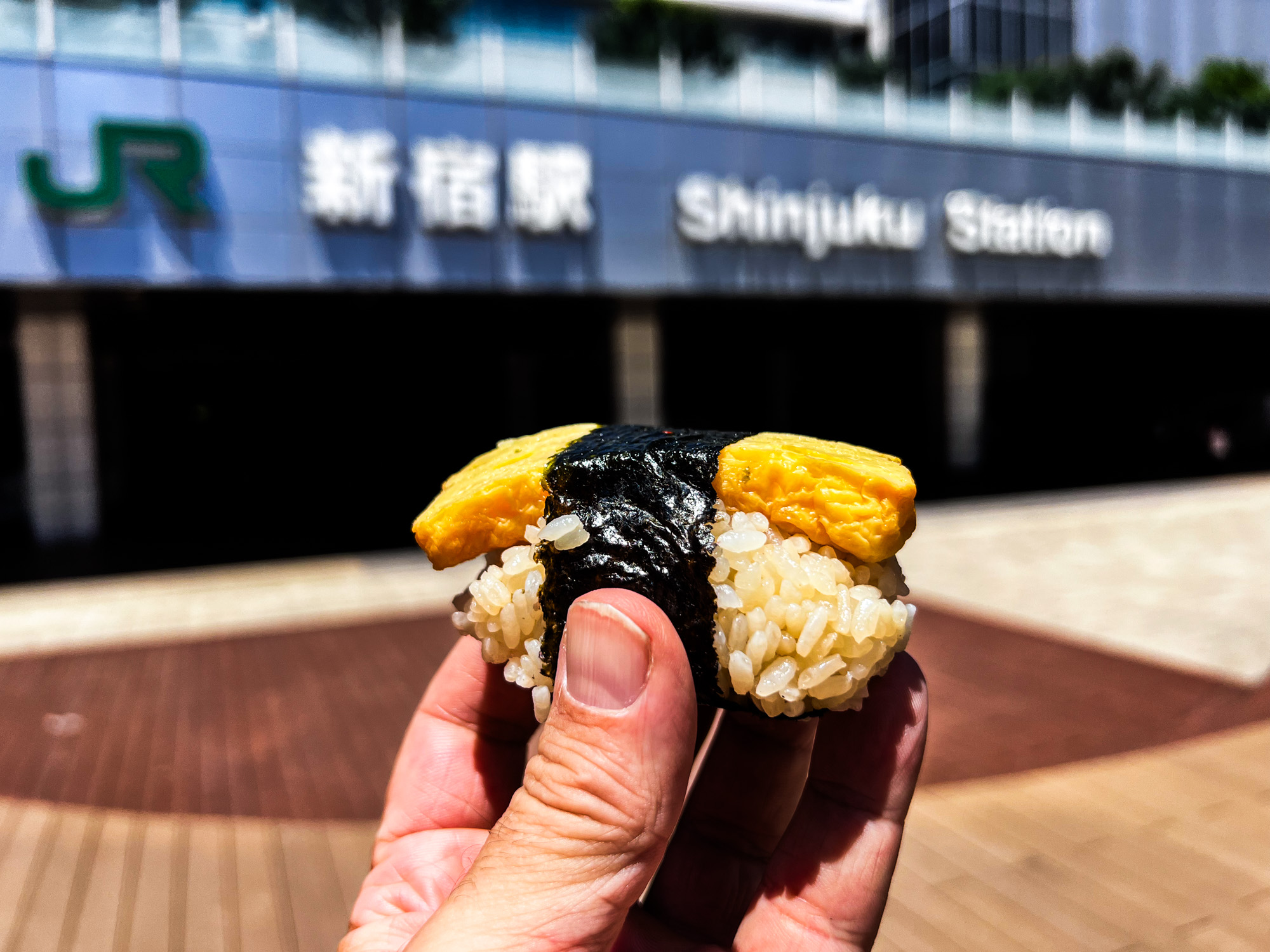
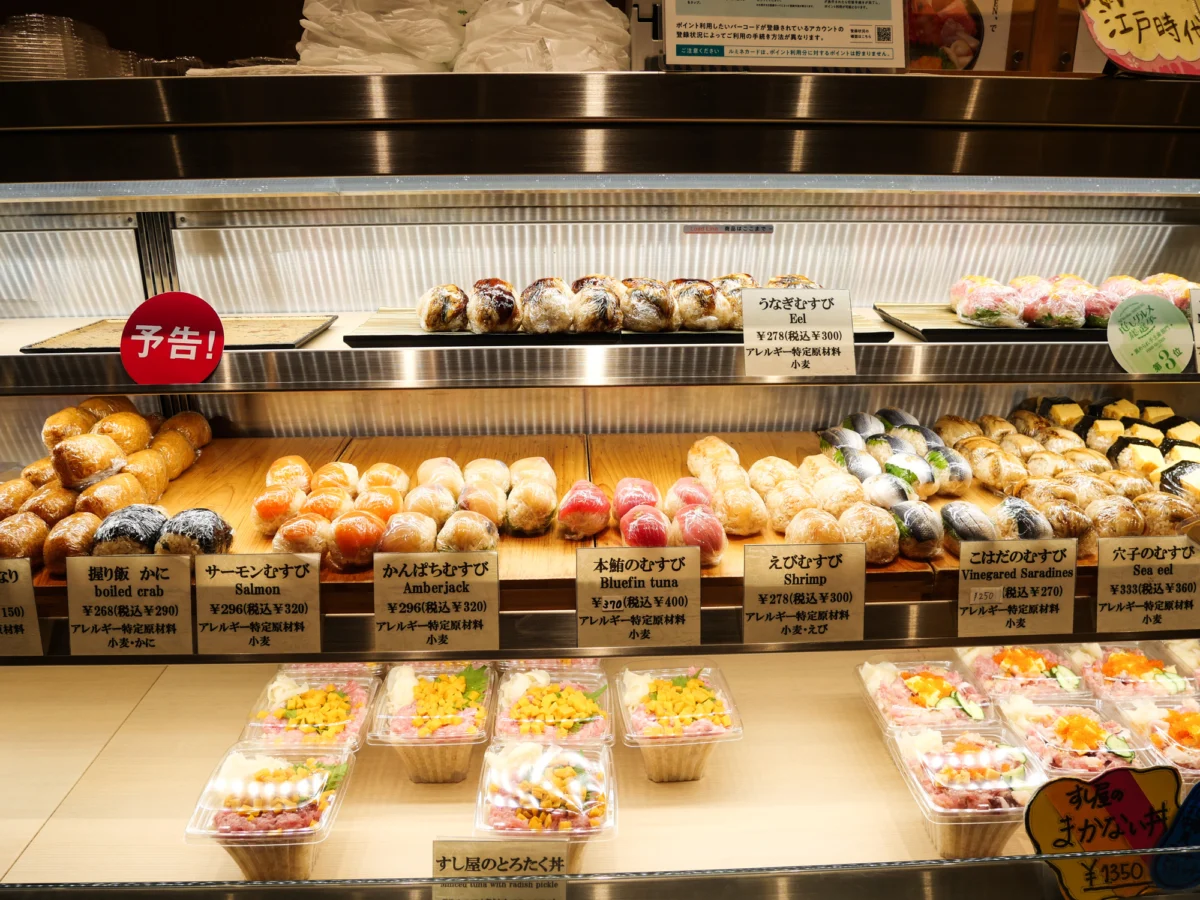
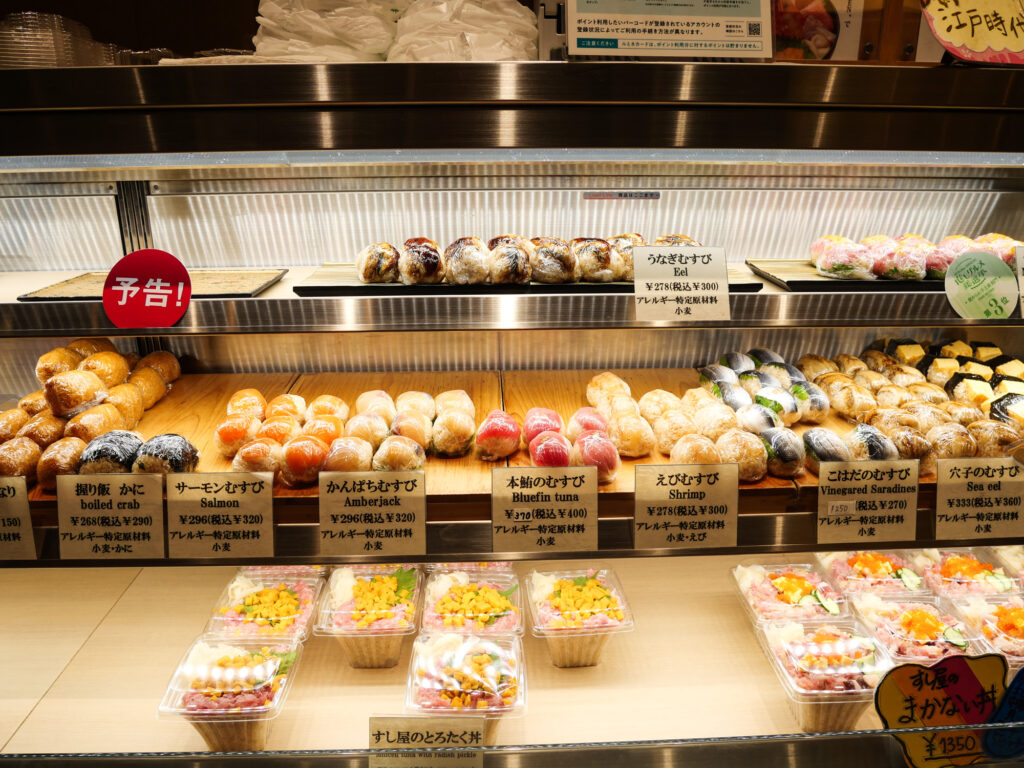
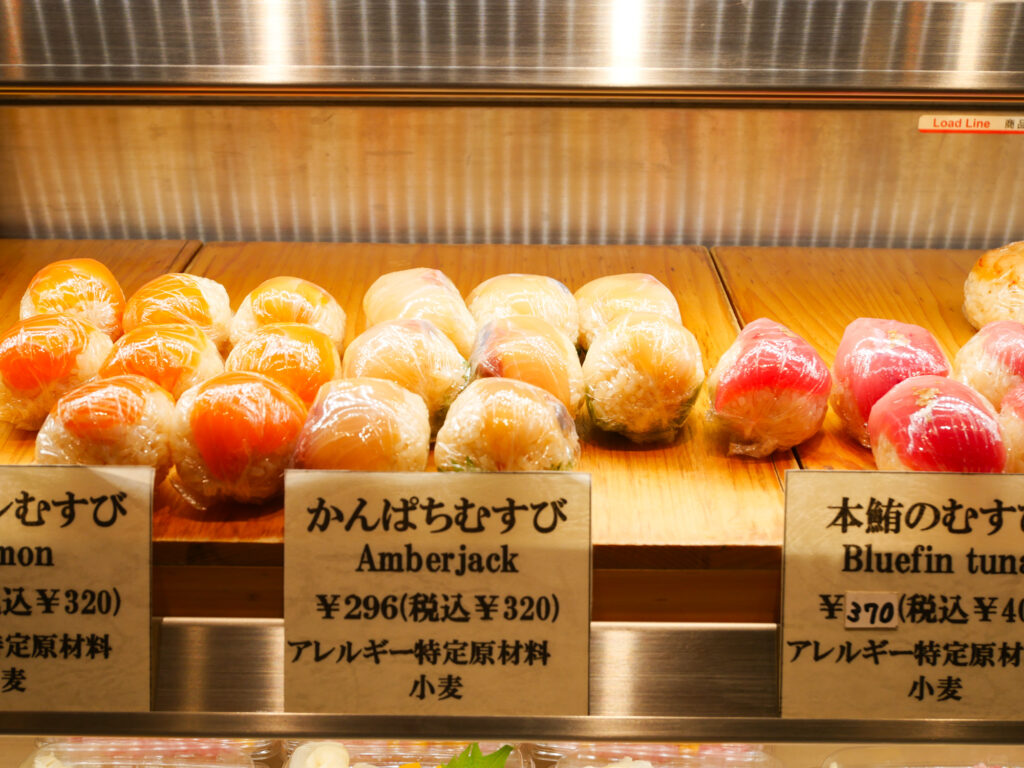
The recent viral attention surrounding Hanare, a sub-brand of the popular SUSHITOKYOTEN, centers on their ability to offer these traditional techniques in a fast-paced environment. Located within the Ekinaka (inside the station) area of Shinjuku’s NEWoMan facility, the shop provides a quick, high-quality bite for commuters. The prices are the real headline: most pieces retail for approximately 320 yen ($1.90 USD). In an era where Tokyo’s cost of living is rising and high-end sushi bars are becoming increasingly inaccessible, finding a traditional, delicious, and incredibly cheap meal in the heart of a train station is a minor miracle.
Chronology: From Street Food to Elite Experience
To understand the significance of the Hanare discovery, one must look back at the origins of the dish.
The Birth of the Yatai (Street Stall)
Edomae sushi originated in the late Edo period (1603–1867). It was, by all accounts, the original "fast food." Fishmongers and street vendors operated yatai—mobile stalls—selling nigiri to laborers and merchants. At the time, fatty tuna was actually considered gezakana, or "low-grade fish," because it spoiled too quickly and was perceived as too oily for the refined tastes of the Edo elite. Instead, vendors focused on curing gizzard shad (kohada), simmering conger eel (anago), and pickling whitebait.
The Meiji Transformation
As Japan modernized during the Meiji era, the status of sushi began to shift. The transition from a portable snack to a seated, artisanal dining experience began to take hold. Over the last century, sushi moved away from the street-side yatai and into the wood-paneled, hushed environments of luxury restaurants. The price point climbed accordingly, turning a laborer’s snack into a global status symbol.
The Digital Resurgence
The recent viral post by user @aramotokei serves as a turning point. By highlighting Hanare, the user reminded the public that sushi doesn’t have to be a multi-hour, multi-thousand-yen ordeal. It signaled a collective nostalgia for the roots of the dish—food that is meant to be eaten on the go, without ceremony, while still honoring the craft of the Edo period.
Supporting Data: The Debate Over Portion Sizes
One of the most contentious debates among food historians and sushi aficionados concerns the physical size of original Edomae sushi. If you visit the Fukagawa Edo Museum in Tokyo, you will see replicas of early sushi that are roughly two to three times the size of modern nigiri. These "chonky" slabs of fish and rice were designed to satisfy the appetites of hardworking manual laborers.
However, some scholars, such as those referencing ukiyo-e (woodblock prints) from the era, argue that the "gigantic sushi" narrative is an exaggeration. They suggest that the size of sushi only increased during the Meiji period, when competition between restaurants became fiercer. Despite these academic disagreements, the consensus at institutions like the Tokyo Central Library remains that early sushi was substantially larger and more filling than the delicate, refined bites we see today. Hanare’s offerings fall somewhere in between, providing a hearty, substantial portion that feels closer to the spirit of the original street food than the "nouvelle" sushi of the 21st century.
Official Responses and Culinary Philosophy
The success of Hanare represents a strategic pivot for SUSHITOKYOTEN. By creating a "detached" (hanare) store, they have successfully stripped away the pretension of the modern sushi bar without compromising the integrity of the ingredients.
While the establishment has not issued a formal "manifesto" on their historical research, their menu reflects a commitment to the Edomae basics: curing, soy-marination, and a reliance on the quality of the catch rather than heavy seasoning. The staff at Hanare note that their customer base is a mix of time-crunched salarymen and curious tourists, all seeking the same thing: a bridge between the historical past and the fast-paced future of Tokyo.
Implications: The Future of "Fast" Japanese Cuisine
The success of this $2 Edomae model has profound implications for the Japanese food industry.
1. The Democratization of Quality
There is a growing fatigue regarding the hyper-inflation of "tourist-trap" dining in Tokyo. The Hanare experience proves that high-quality, traditional techniques can be scaled for mass-market consumption without resorting to the low-quality standards often found in convenience store "sushi-like" products.
2. The "Ekinaka" Economy
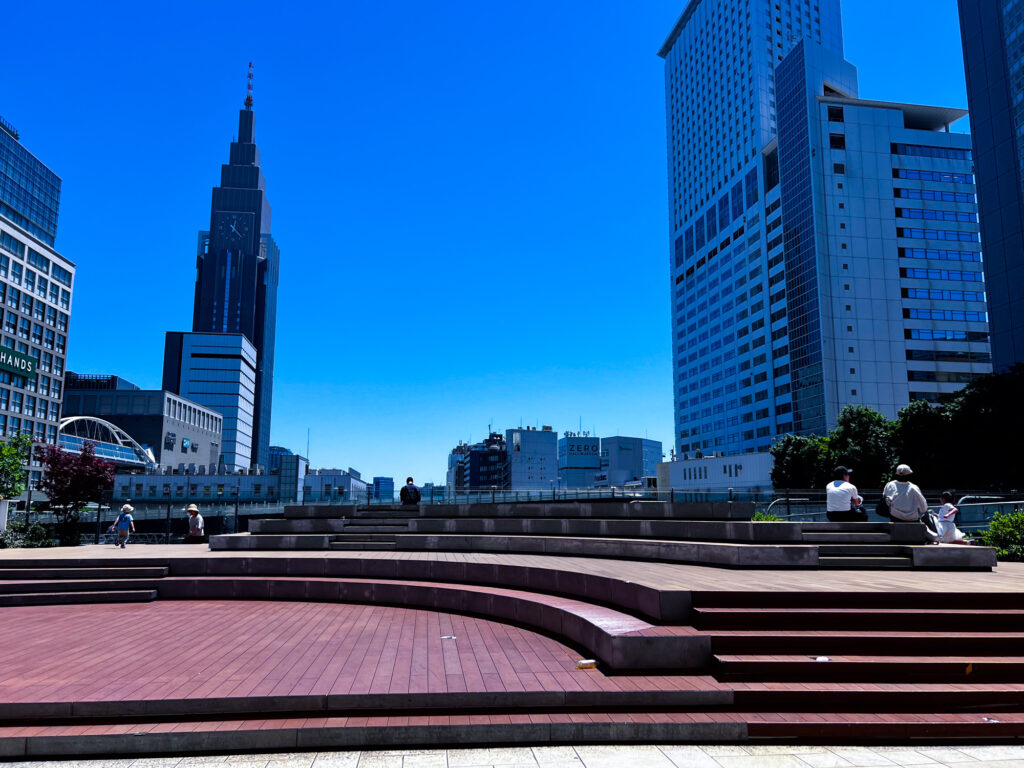
Shinjuku Station is a micro-city unto itself. The Ekinaka (inside-the-gate) shopping and dining experience is becoming a vital sector of the Japanese economy. As commuters spend more time in transit, the demand for "premium fast food" that honors cultural heritage is skyrocketing. We are likely to see more high-end restaurant groups launching "takeout-only" kiosks within major transport hubs.
3. Sustainability and Tradition
By focusing on Edomae techniques—which emphasize preservation and utilizing the full spectrum of available fish—this model aligns with modern sustainability goals. Instead of relying solely on a few "prestige" fish species, Edomae tradition encourages the use of a wider variety of local catch, prepared with skill.
Final Thoughts: A Taste of History for the Modern Traveler
For those planning a trip to Japan, the Hanare experience is a masterclass in the value of the "hole-in-the-wall." Whether you are a student of history looking to taste the flavors of the Edo period or a budget-conscious traveler looking for the best meal under $10 in the city, the lesson is clear: true culinary excellence is not always found behind a velvet curtain.
Sometimes, it is tucked away in the corner of a bustling train station, served in a simple plastic box, waiting to be enjoyed while you watch the trains pass by. As the world moves faster, the return to these ancient, preserved flavors provides a necessary grounding—a reminder that some of the best things in life are, and always have been, simple, affordable, and timeless.












No comments yet. Be the first to join the conversation!