Lina Hope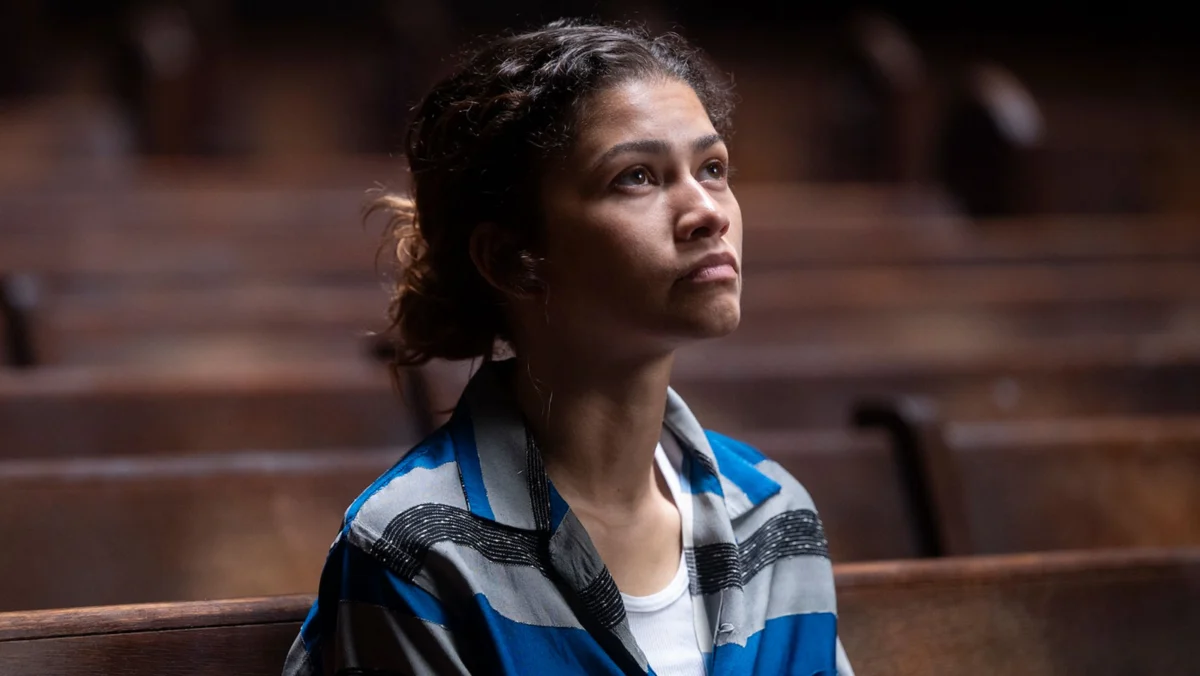
The cultural phenomenon that redefined a generation of television has officially come to a close. HBO has confirmed that Euphoria, the gritty, neon-drenched exploration of adolescent trauma and addiction, has aired its final episode. Sam Levinson, the series’ creator and visionary, announced that the Season 3 finale—which premiered tonight—serves as the definitive end of the journey for Rue Bennett and the students of East Highland.
"In terms of the story that we set out to tell, which is a story about addiction and its consequences, this feels like the end to me," Levinson stated in an exclusive interview with The New York Times. After three seasons, two bridge specials, and a seven-year cultural footprint that catapulted its cast to the apex of global stardom, Euphoria has cemented its legacy not just as a hit show, but as a defining piece of 21st-century media.
The Final Act: A Sobering Conclusion
(Warning: The following section contains major spoilers regarding the conclusion of Euphoria Season 3.)
The series finale arrived with a weight that few television shows dare to carry. Following the shocking death of Nate Jacobs (Jacob Elordi) in the penultimate episode, the finale pivoted to the inevitable conclusion of Rue Bennett’s (Zendaya) arduous path. In a creative choice that has already sparked intense debate and mourning among fans, the series concluded with Rue’s death via fentanyl overdose.
The narrative choice was deeply personal for the production team. Levinson acknowledged that the finale served as a thematic mirror to the real-life tragedy of actor Angus Cloud, who passed away in 2023. "It was a way of honoring Angus and saying a prayer for the future," Levinson explained. By mirroring the reality of the addiction crisis that claimed the life of the show’s beloved Fezco, Levinson sought to ground the show’s final moments in the brutal, unvarnished reality that the series had explored since its 2019 debut.
A Chronology of Chaos and Creation
The path to the finale was anything but linear. The history of Euphoria is a tapestry of unprecedented success and logistical upheaval.
- 2019: The Arrival: Euphoria premieres, immediately garnering critical acclaim for its stylized cinematography, boundary-pushing content, and Zendaya’s tour-de-force performance as Rue.
- 2020-2021: The Bridge: As the pandemic halts production, Levinson pivots, releasing two intimate, dialogue-heavy special episodes that keep the show in the cultural conversation.
- 2022: The Zenith: Season 2 arrives to massive numbers, dominating social media and solidifying the cast as the most sought-after talent in Hollywood.
- 2023: The Year of Loss: Production on Season 3 faces insurmountable grief following the sudden passing of Angus Cloud and the death of beloved series producer Kevin Turen.
- 2024-2025: The Industry Gridlock: The dual WGA and SAG-AFTRA strikes grind Hollywood to a halt, forcing long delays for a show that was already struggling to reassemble its now A-list cast.
- 2026: The Final Curtain: After a four-year gap between seasons, the series returns for an eight-episode final run, closing the book on the East Highland saga.
The Logistics of a Hollywood Phenomenon
The delay between Season 2 and Season 3 became a subject of industry-wide fascination. As the show’s cast members—Zendaya, Sydney Sweeney, Jacob Elordi, and Hunter Schafer—evolved from promising young actors into some of the most recognizable faces in global cinema, the logistical reality of reuniting them for a television schedule became a monumental task.
Coupled with the industry-wide shutdowns of 2023, the production faced a perfect storm. There were complex creative hurdles as well; Levinson and his team spent significant time iterating on how to bridge the gap between the high school setting of the first two seasons and a "post-high school" reality.
In January 2026, Casey Bloys, Chairman and CEO of HBO and HBO Max Content, remained optimistic about the show’s future, noting that Levinson had "come up with an incredible way to move all these characters ahead five years." At that time, rumors of a potential Season 4 were circulating. However, as the final episodes took shape, it became clear that the story Levinson wanted to tell regarding the cyclical nature of addiction had reached its natural, albeit heartbreaking, terminus.
Official Responses and Industry Impact
The reaction from HBO has been one of profound respect for the work accomplished. The network, which has long been the home of prestige television, viewed Euphoria as a cornerstone of its digital-first strategy.
"We are incredibly proud of the work Sam and this cast have produced," an HBO spokesperson stated. "The impact of this series on television culture, from its visual language to its raw, unflinching look at the human condition, is undeniable."
The industry impact is quantified by more than just critical praise. Zendaya’s two Emmy wins for Lead Actress in a Drama Series stand as a testament to the show’s performance-driven success. As she enters the awards season for this final run, she is once again considered a frontrunner, marking a historic achievement for a performance that defined an entire generation of television acting.
The Implications: What Remains?
The conclusion of Euphoria marks a shift in the television landscape. For years, the show was the "water cooler" topic for Gen Z, driving record-breaking engagement on platforms like X (formerly Twitter) and TikTok. Its aesthetic—the glitter, the saturated blues and purples, the experimental camera work—has been mimicked in music videos, fashion campaigns, and countless other series.
However, the show’s end also prompts a conversation about the sustainability of such high-intensity dramas. The tragic loss of cast members and the immense pressure placed on the production suggests that the "Euphoria model"—a long-form, high-budget, auteur-driven series—is increasingly difficult to maintain in a fragmented streaming market.
As the credits roll on the final episode, the legacy of Euphoria will be debated for years. Was it a cautionary tale? Was it an exploitation of trauma? Or was it, as Levinson suggests, a prayer for the future?
Whatever the verdict, the series has undoubtedly left an indelible mark on the history of HBO. It transformed the expectations for what a teen drama could be, proving that an audience is willing to engage with the darkest corners of human experience if the storytelling is sufficiently compelling.
As Rue Bennett’s story comes to an end, so does the era of Euphoria. The cast will move on to new projects, the neon lights of East Highland will be dimmed, and the industry will look for the next cultural phenomenon. But for the millions of viewers who watched Rue struggle, stumble, and ultimately find an ending, the void left by the show’s absence will be palpable.
Sam Levinson has closed the book, and in doing so, he has ensured that Euphoria will be remembered not for how it faded away, but for how it burned until the very last frame.

 Sagoh
Sagoh
 Nana Wu