Jia Lissa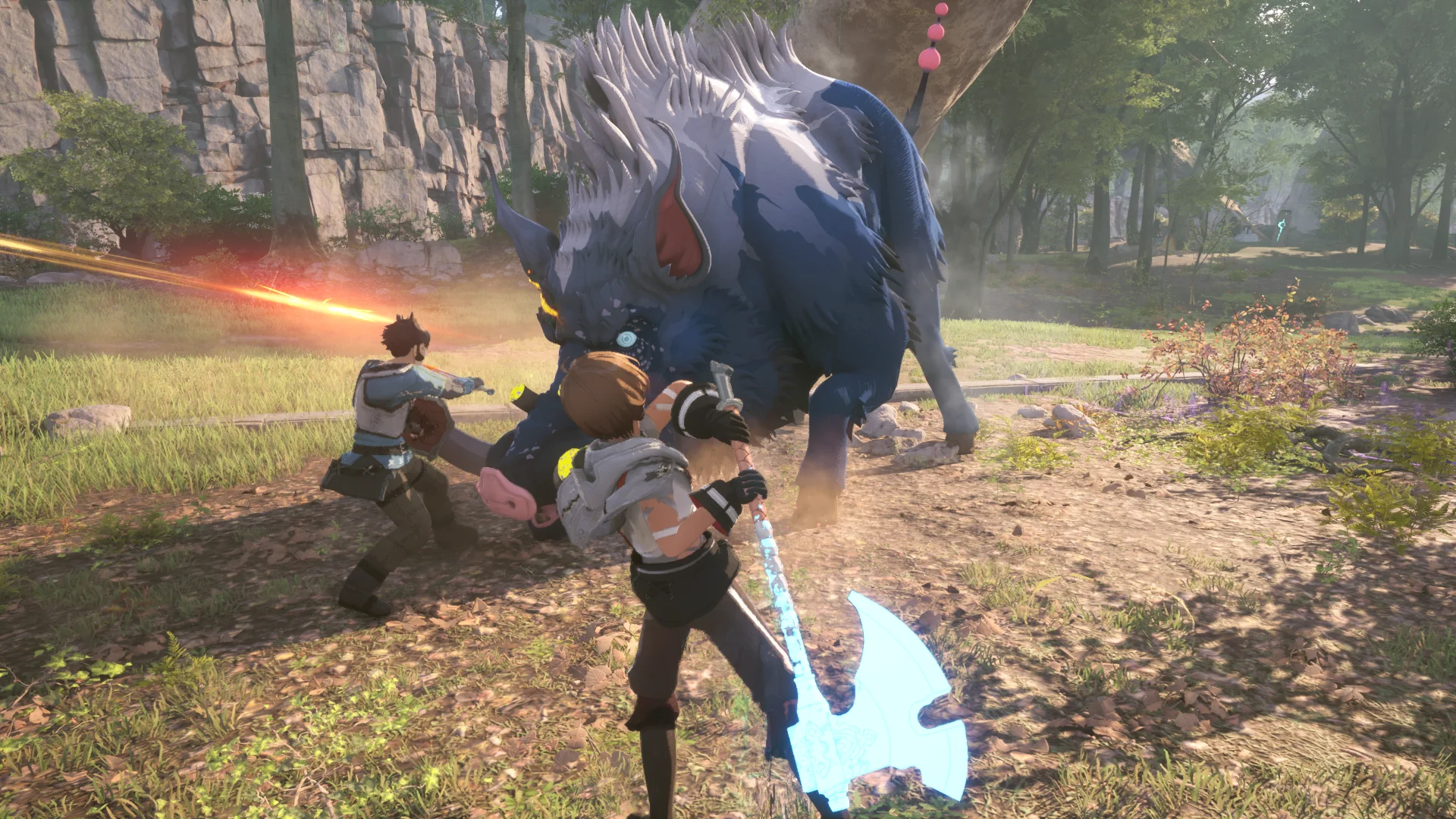
The Sword Art Online franchise has long been synonymous with the digital escapism and high-stakes tension of virtual reality. However, for those who haven’t followed the sprawling anime arcs or the litany of previous game adaptations, the series can feel like a closed ecosystem—a labyrinth of lore accessible only to the initiated. Yet, as I recently sat down with Bandai Namco’s upcoming action RPG, Echoes of Aincrad, those barriers to entry began to dissolve. What I found was not merely a licensed tie-in, but a mechanically robust experience that reframes the franchise’s core premise into something personal, customizable, and surprisingly addictive.
The Premise: Defining the Aincrad Experience
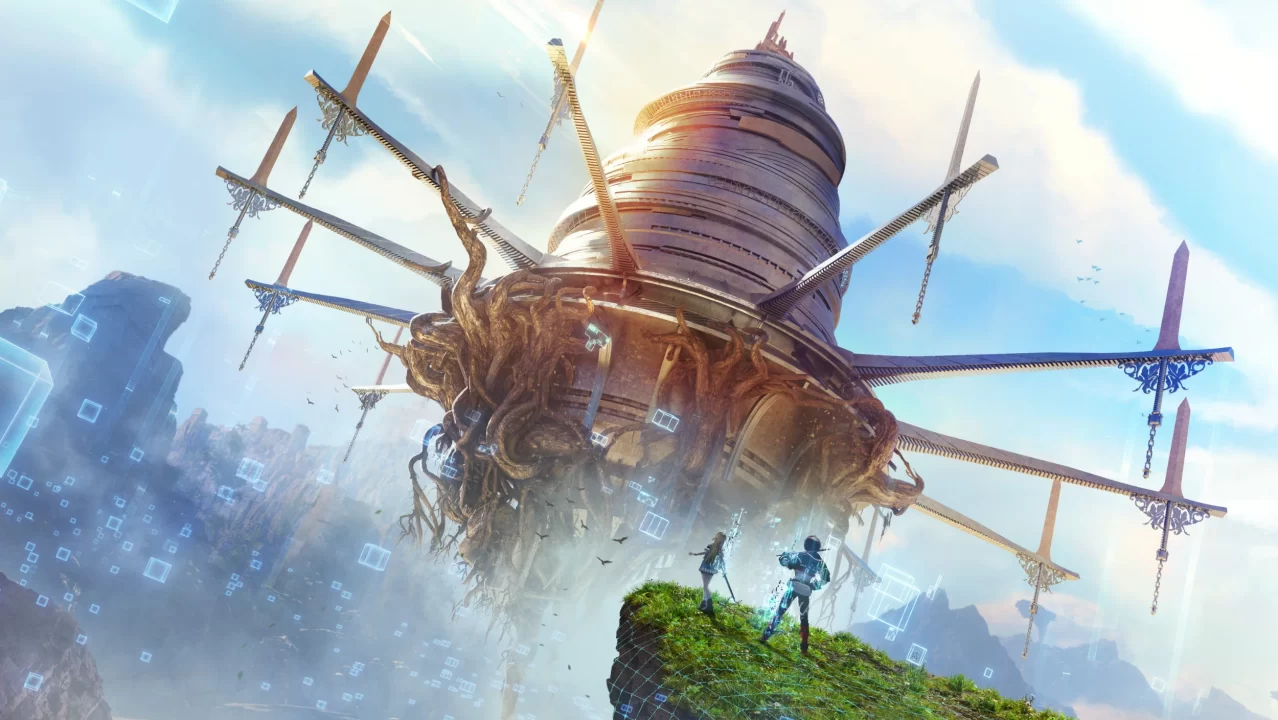
For the uninitiated, the stakes in Sword Art Online are existential. Thousands of players are trapped within a sprawling, high-fantasy VRMMORPG where death inside the simulation results in death in the physical world. The singular goal: ascend through the 100 floors of Aincrad, a massive floating fortress, to earn freedom.
Echoes of Aincrad shifts the narrative lens significantly. Instead of forcing players to step into the boots of the established protagonist, Kirito, the game introduces a character creation suite that puts the player at the center of their own survival story. By stripping away the "chosen one" narrative, Bandai Namco allows players to exist as a cog in the machine—a survivor among thousands, fighting to reach the next floor. This structural shift is the game’s greatest strength; it makes the stakes feel immediate and intimate rather than beholden to existing canon.
Chronology and Scope: A Glimpse into the Floor-by-Floor Grind
The preview build provided to me spanned several disparate save files, allowing for a "vertical slice" experience that jumped between early-game survival and more advanced, mid-game exploration. While this approach made it difficult to piece together the overarching narrative arc, it offered a comprehensive look at the game’s loop.
Early Exploration and Resource Management
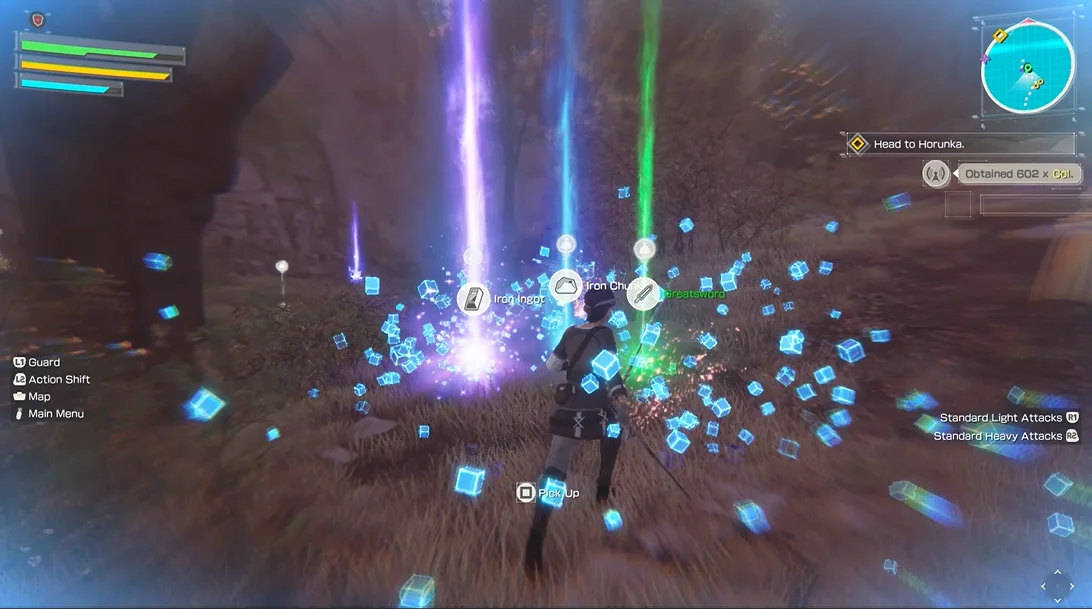
The early game is defined by the tension of the unknown. Upon entering a new floor, the player’s priority is immediate: locate the nearest safe zone. This is not merely a waypoint, but a tactical necessity. Once a foothold is established, the gameplay shifts to a rhythm of resource gathering and environmental exploration. You aren’t just traversing maps; you are hunting for materials, farming weapon blueprints, and preparing for the inevitable hazards of the floor.
Mid-Game Complexity
As the save files progressed, the mechanical depth became apparent. The combat, while fast-paced and responsive, demands more than just button-mashing. The shift from low-level boar hunting to engaging with more complex, elite enemies reveals a system that rewards preparation. The game’s loop—clear a path, establish a camp, loot the spoils, and push for the next sector—feels inherently satisfying, echoing the classic "dungeon crawler" appeal that defined the original anime’s setting.
Mechanical Depth: The Synergy of Combat and Partnership
Perhaps the most surprising facet of Echoes of Aincrad is its reliance on partner dynamics. Combat is not a solo endeavor; it is a tactical dance between the player and their AI companion.
The "Switch" and "Free" Mechanics
The combat system utilizes a "Switch" and "Free" mode, which dictates how your partner reacts to incoming threats. "Switch" allows for coordinated bursts of damage, crucial for staggering bosses or mitigating enemy enmity. "Free" mode, conversely, allows the AI to manage support roles and defensive buffs.
Holding the Left Trigger opens a command palette that integrates both Sword Skills and Partner Skills. The potential for powerful, chained combinations is immense. During my playthrough, I relied heavily on my partner, Iori, whose support-focused skill set allowed me to maintain aggression even when my own health was dwindling. Mastering these systems is not optional; it is the difference between a successful floor clear and a "game over."
Official Perspectives and Design Philosophy
Bandai Namco has been vocal about wanting Echoes of Aincrad to stand on its own merits rather than relying solely on the Sword Art Online brand. The developer’s design philosophy, as observed through the build, centers on three pillars: player agency, systemic reward, and atmospheric tension.
Customization as a Narrative Tool
The character creation tools are impressively deep for an action-RPG of this scale. Beyond mere aesthetic choices, the customization reflects the player’s personal journey. Bandai Namco’s commitment to this feature suggests that they want the player to feel as though they are writing their own chapter in the Aincrad mythos. Whether you prioritize stealth, high-speed agility, or defensive prowess, the game provides the framework to manifest your chosen playstyle.
The Difficulty Debate
While the game’s marketing leans into the "survival" and "punishing" aspects of the setting, the actual experience is more nuanced. Even on the "Very Hard" setting, the game felt remarkably approachable. This is not to say it is easy, but rather that the difficulty feels fair. The game provides the tools to succeed; it simply requires the player to utilize them effectively. The death-in-game stakes provide a psychological weight that keeps the player focused, even if the mechanical barrier isn’t insurmountable.
Implications for the Future of the Franchise
Echoes of Aincrad stands at a crossroads for the franchise. If it succeeds, it could set a new standard for how licensed anime games are approached—shifting from linear narrative retellings to systems-heavy, player-driven experiences.
Lingering Questions
Despite the positive first impressions, several questions remain unanswered:
- Quest Variety: While the exploration loop was engaging, the preview missions leaned heavily on "reach point B from point A." The game needs a wider array of objective types to avoid stagnation over the long 100-floor journey.
- Progression Longevity: How do the loot and skill trees evolve in the late game? Will the sense of growth persist, or will the game hit a plateau?
- Difficulty Balance: How will the game scale across its full duration? Balancing the "survival" tension against the "action-RPG" power fantasy is a precarious tightrope walk.
Conclusion: A Surprising Contender
Going into this preview, I was a skeptic. I viewed Echoes of Aincrad as yet another title destined for the "fans-only" shelf. I left with a genuine desire to see the full product. The game manages to capture the specific, terrifying, and exhilarating atmosphere of the Sword Art Online concept while delivering a combat system that is genuinely fun to play.
There is a palpable sense of mystery regarding where the story is headed, and the core loop of exploring, fighting, and customizing your character provides a foundation that feels built to last. If Bandai Namco can maintain the quality of this "vertical slice" across the entire scope of the 100-floor climb, they may have a sleeper hit on their hands—one that transcends the limitations of its source material to become a compelling experience for any fan of the action RPG genre.
Echoes of Aincrad is slated for release on July 10, 2026, on PlayStation 5, Xbox Series X|S, and PC via Steam. For those looking to dive into the digital abyss, the wait may very well be worth it. For more information, visit the official website.


 Asro
Asro
 Muslim