

As the humid breath of the early Japanese summer settles over the metropolis, Tokyo transforms into a vibrant hub of artistic, culinary, and pop-cultural activity. June 2026 promises a packed calendar, offering everything from introspective fine art retrospectives to immersive experiences that blur the line between reality and digital fantasy. Whether you are a local resident or a traveler navigating the capital’s sprawling urban landscape, this month presents a unique opportunity to witness the intersection of global contemporary art and deeply rooted Japanese tradition.

Main Facts: A Diverse Cultural Landscape
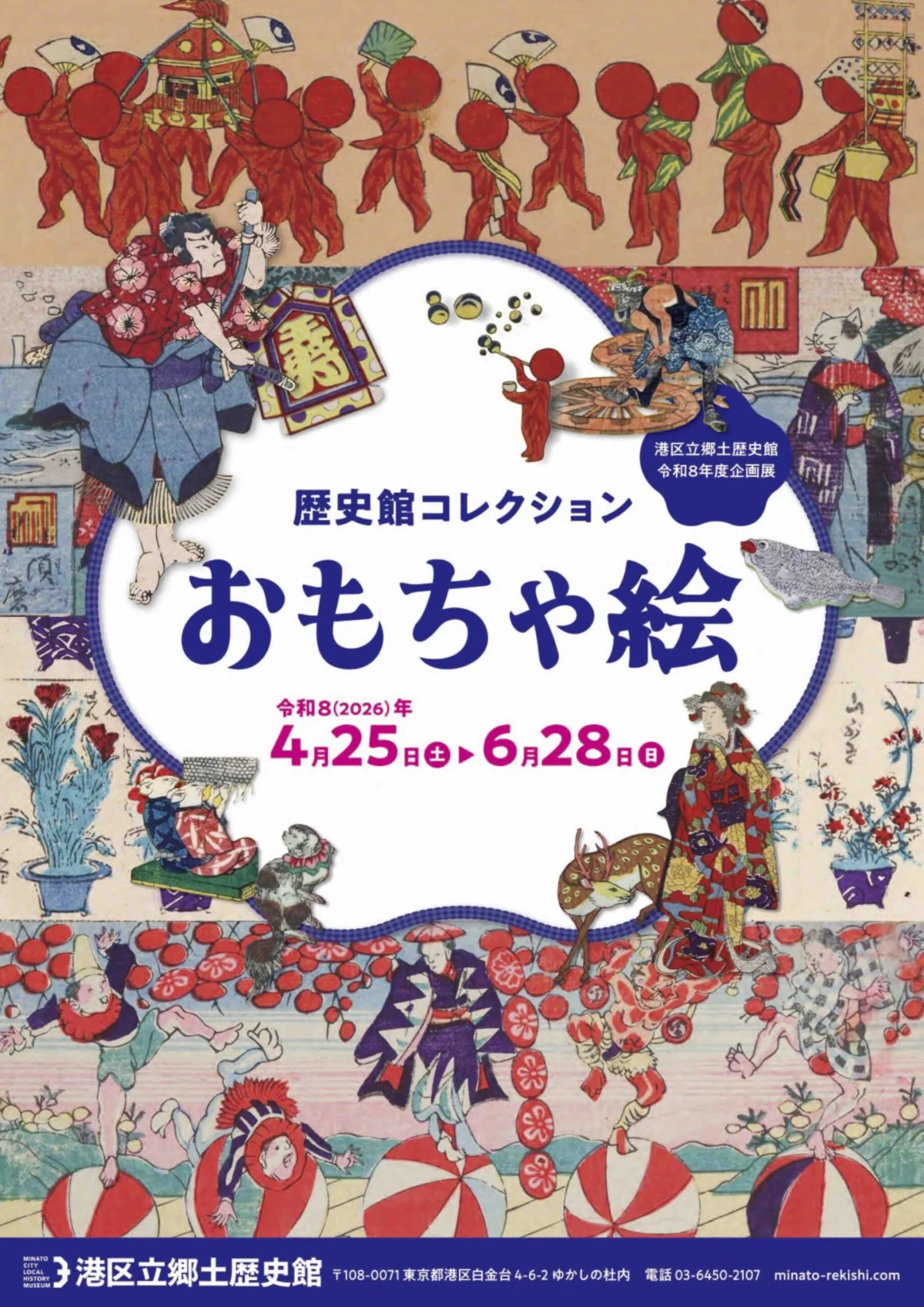
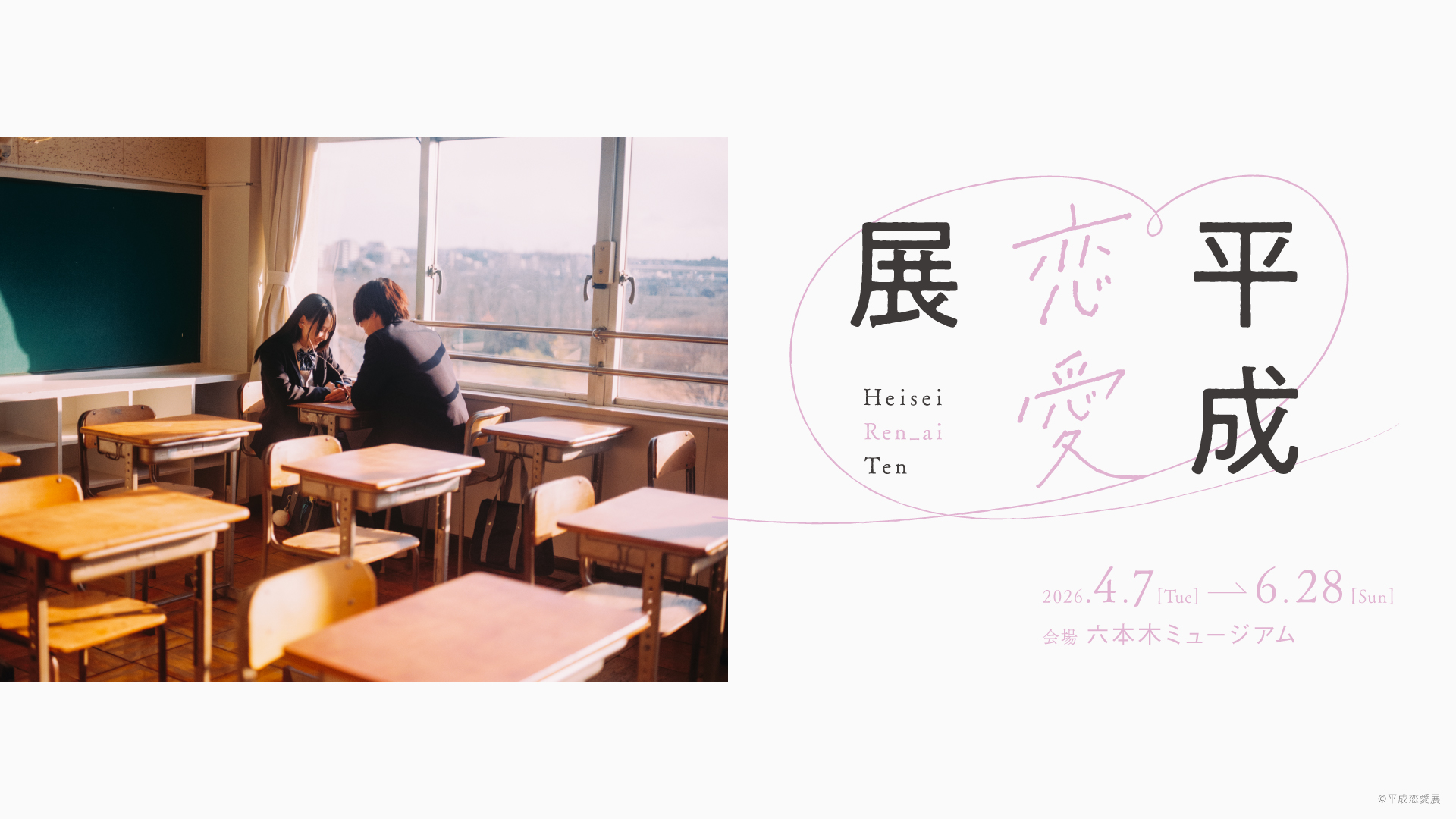
This month’s offerings are defined by a distinct "cross-pollination" of genres. We are seeing a major influx of international influence—ranging from the minimalist architectural philosophies of Donald Judd to the immersive, high-tech storytelling of South Korean hit Squid Game. Simultaneously, Tokyo is looking inward, with exhibitions such as "Heisei Ren-Ai" and the "Minato City Toy Pictures" exhibition providing a nostalgic, ethnographic look at the city’s recent past and Edo-era heritage.

The primary venues—ranging from the prestigious Mori Art Museum to the niche, specialized galleries of Roppongi and Ginza—are operating at full capacity. June serves as a critical window for institutions to showcase their premier collections before the intense heat of mid-summer sets in.

Chronological Overview: Where and When
To help navigate the sheer volume of events, we have categorized the highlights by their duration and temporal relevance.
Early June Highlights (Closing Soon)
- Judd | Marfa (Watari-um): Ending June 7, this is the final chance to witness the evolution of Donald Judd’s spatial philosophy.
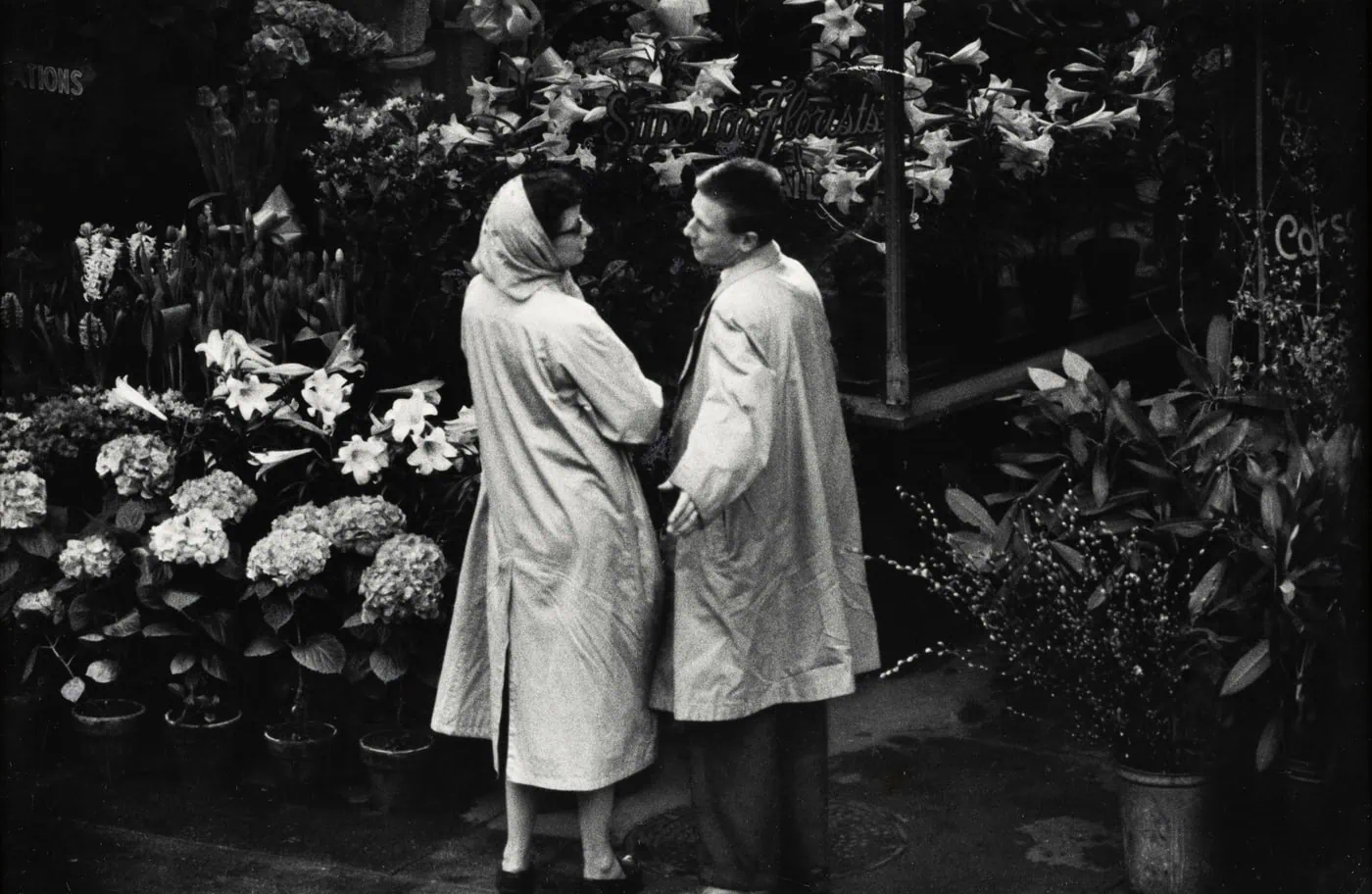
- W. Eugene Smith and New York: The Loft Era (Tokyo Photographic Art Museum): Also concluding June 7, this exhibition is a must for photography enthusiasts exploring the intersection of jazz, art, and journalism.
- Initial D Art Exhibition (The Coffee Brew Club): A short-lived, energetic tribute to the legendary street racing manga, closing June 7.
Mid-June Opportunities
- Monsters by Monsters: Pop Mart Exhibition (Azabudai Hills Gallery): Opening June 11, this celebration of the 10th anniversary of "The Monsters" is expected to draw significant crowds of character-design aficionados.
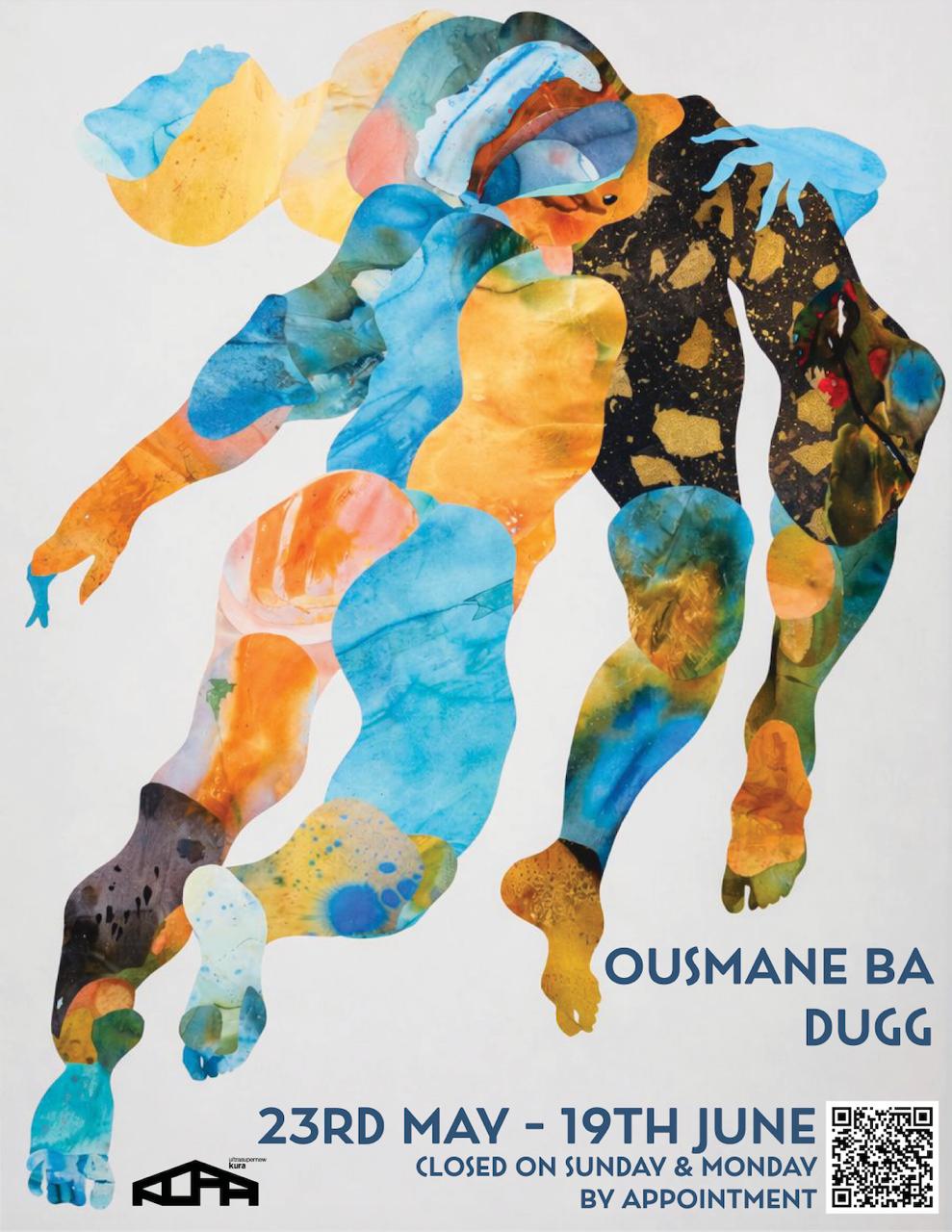
- Dugg Ci Dox (UltraSuperNew KURA): A compelling exploration of washi collage and Franco-Guinean-Senegalese heritage, running until June 19.
Late June Finales
- Sanrio Exhibition: The Beginning of Kawaii (Mori Arts Center Gallery): Closing June 21, this retrospective of 60 years of Sanrio history is a cornerstone of the month.
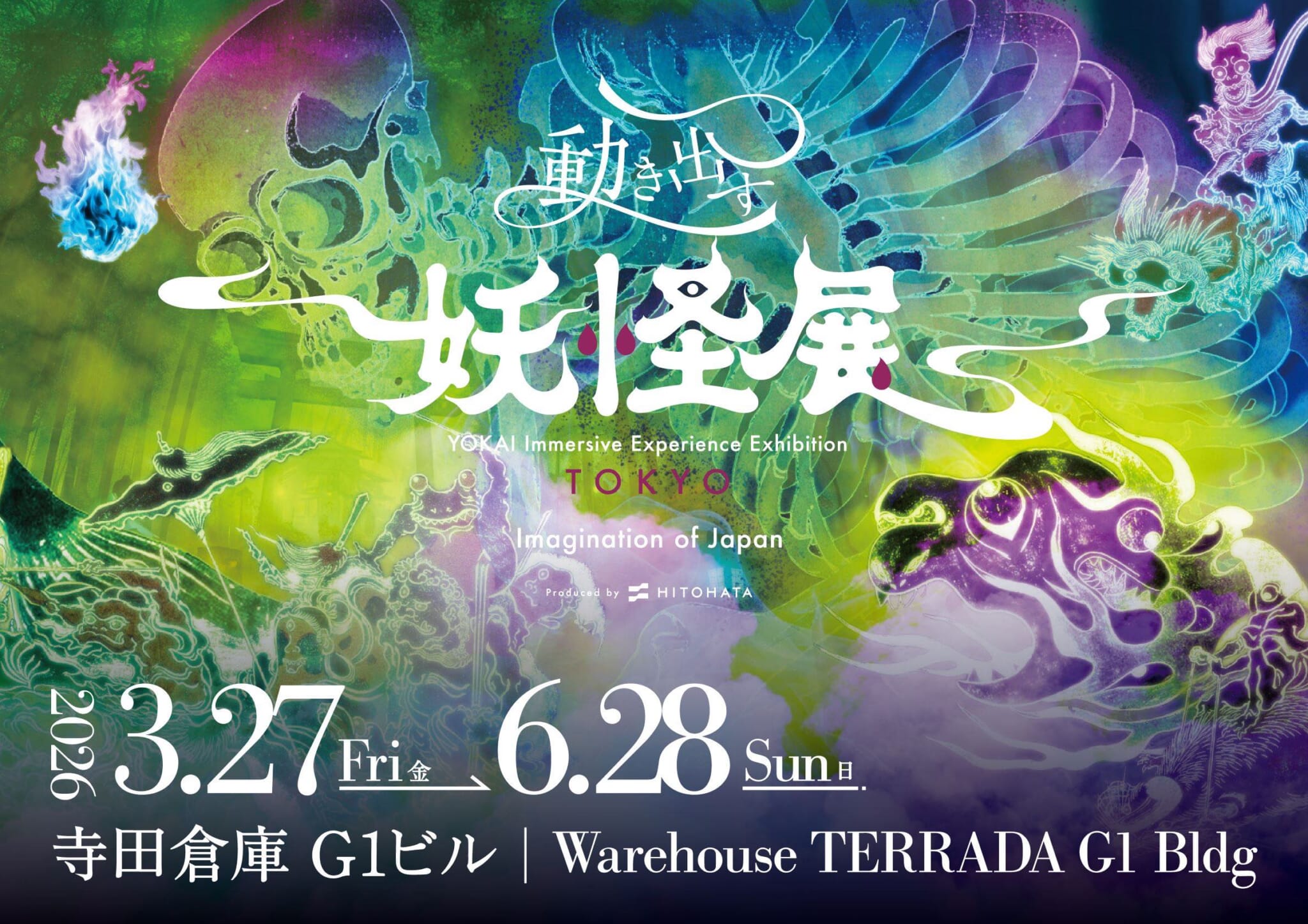
- Yokai Immersive Experience (Warehouse Terrada): Closing June 28, this fusion of folklore and special effects is arguably the most technologically advanced immersive show of the season.
Supporting Data: Curated Highlights
The Fine Art Vanguard
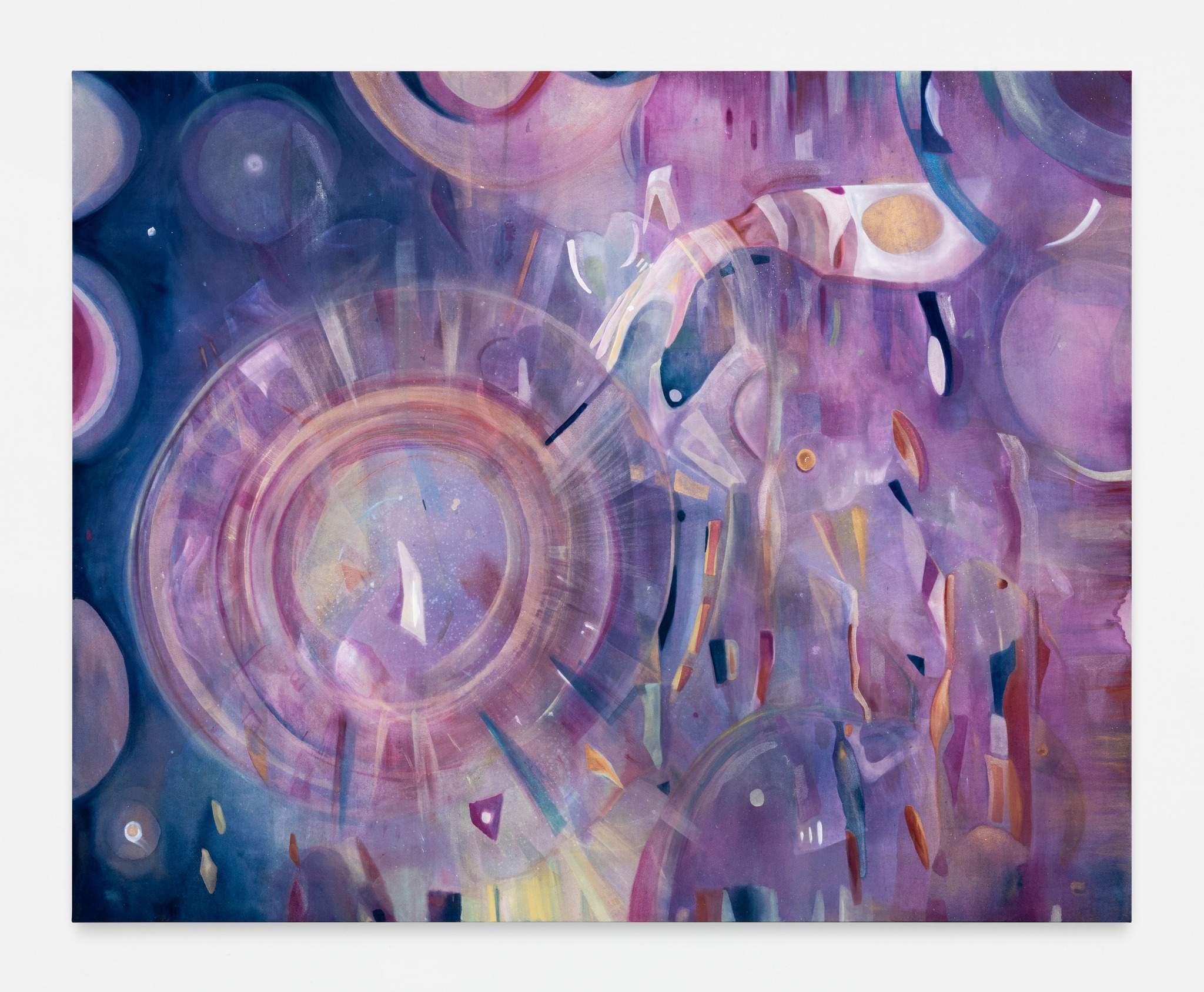
Tokyo’s galleries continue to push boundaries. Mathilde Denize at Perrotin Tokyo presents Time and Light (until June 27), where the artist treats canvas as a structural building block, echoing the rhythmic precision of Symbolist poetry. For those seeking the absurd, Urs Fischer at Fergus McCaffrey (until July 4) offers a dual-level installation of melting wax portraits—a stark meditation on mortality and the fleeting nature of the artistic process.
The Intersection of History and Myth
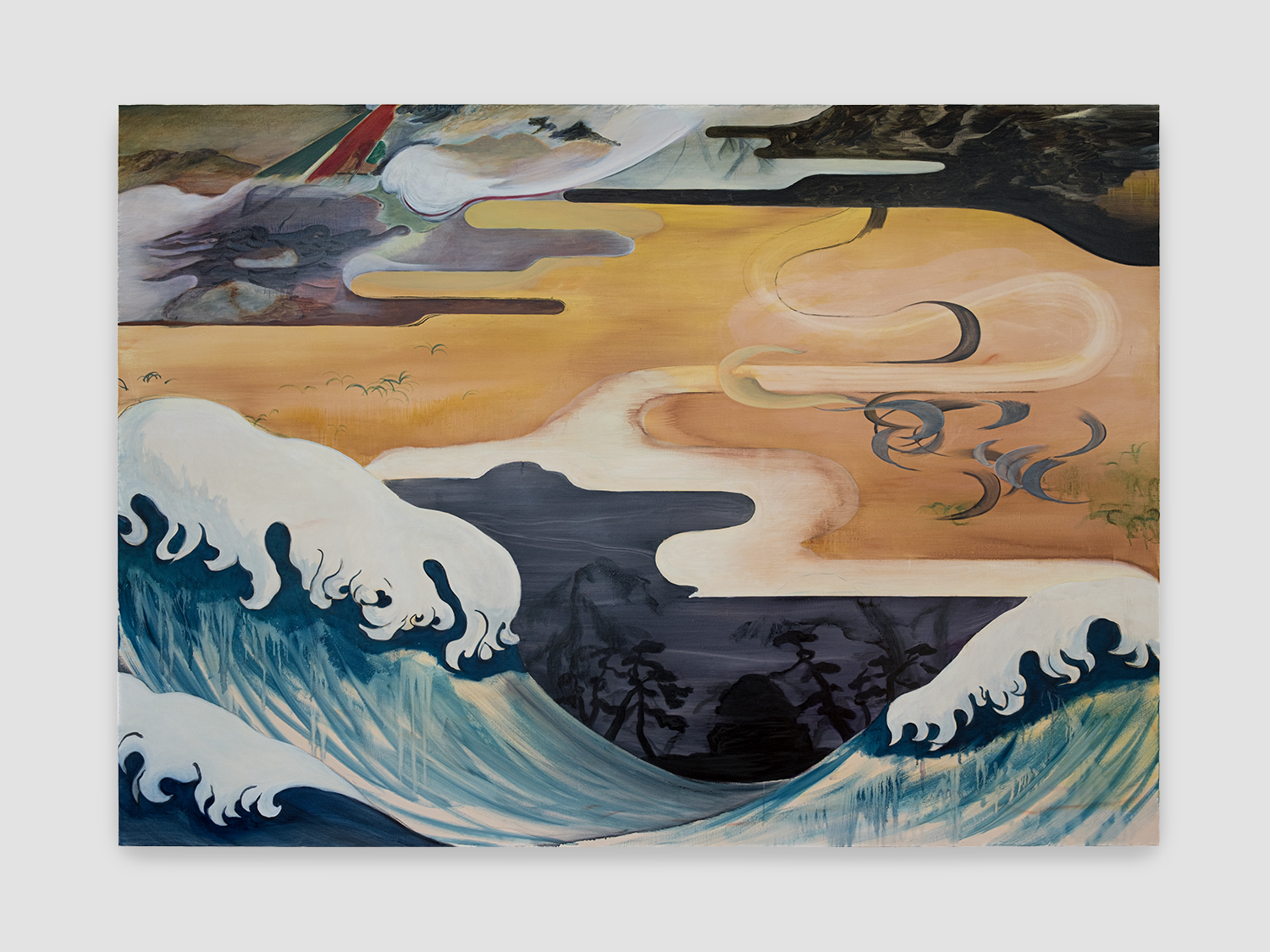
- Hiroka Yamashita: White Veils (Taka Ishii Gallery): Running until June 20, Yamashita’s work captures the ephemeral nature of Shinto rituals. The focus on white, red, and black pigments serves as a masterclass in traditional Japanese color theory.
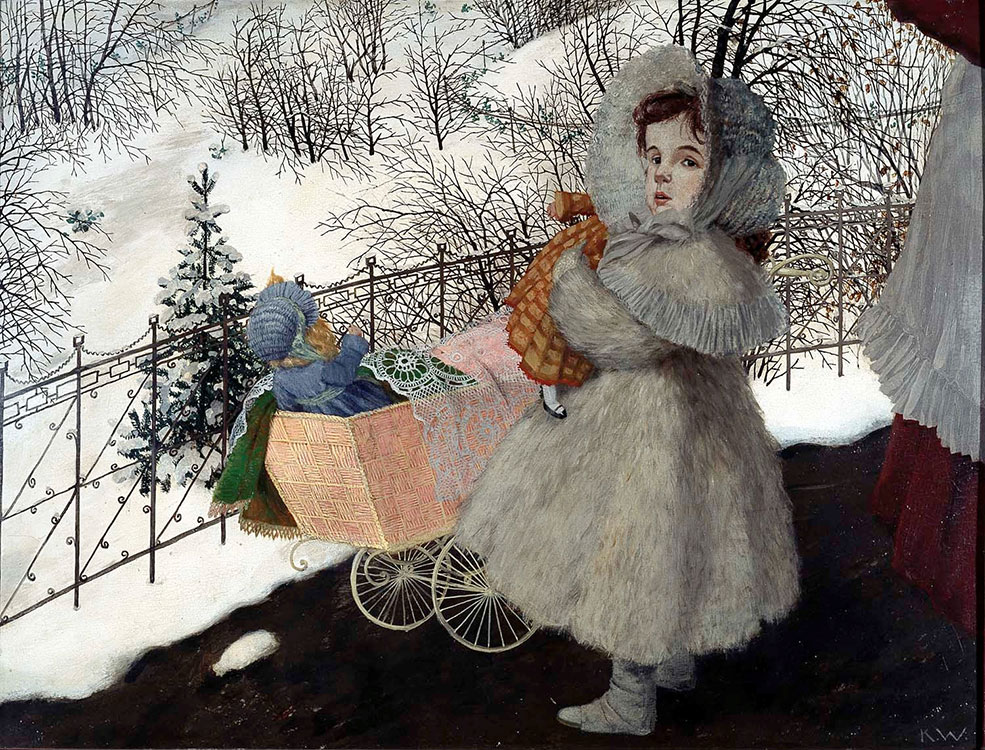
- Karl Walser: Dark Afterglow (Tokyo Station Gallery): A rare look at the European Fin de Siècle through the eyes of an artist who was profoundly influenced by his travels to Japan in 1908.
Pop Culture and Immersive Experiences
The city’s fascination with "Experience Economy" remains unabated.
- Squid Game: The Experience (Tokyu Plaza Shibuya): This remains a massive draw, running until July 20, turning a shopping plaza into a high-stakes arena of tension and design.
- Pokémon Pokopia x Raku Spa: A playful, cross-industry collaboration that turns 39 spa locations into relaxation hubs for gamers, ending June 16.
Official Responses and Curatorial Perspectives
Museum directors and gallery owners have noted a distinct shift in audience behavior this year. "Visitors are no longer looking for passive viewing," says one curator at the Mori Art Museum. "They want to be ‘inside’ the work." This is evidenced by the success of the Short Shorts Film Festival (until June 30), which has moved beyond simple screenings to include workshops and networking events, reinforcing Tokyo’s status as a hub for Academy Award-accredited short-form storytelling.

Furthermore, the Grand Van Gogh Exhibition at The Ueno Royal Museum (running May 29–August 12) marks a significant diplomatic and cultural achievement. Bringing Café Terrace at Night to Japan for the first time in two decades required extensive international cooperation and stringent climate-control logistics, proving Tokyo’s continued dominance as a premier destination for world-class, blockbuster art exhibitions.
Culinary Culture: The "Taste of Summer"
June is not just for the eyes; it is a time for culinary innovation.
- Forest Beer Garden (Meiji Jingu Gaien): Now in its 2026 edition, this remains the gold standard for outdoor social dining in Tokyo.
- Le Pristine Italian Regions (Part 2): Focusing on Tuscany and Liguria, the restaurant is providing an upscale, six-course narrative of Italian geography through gastronomy.
- Afternoon Tea Trends: The Shinjuku Prince Hotel’s Lavender Sweet Afternoon Tea is the definitive "Instagrammable" experience of the month, blending botanical aesthetics with high-end patisserie.
Implications: The Future of Tokyo’s Cultural Economy
What do these events imply for the city’s broader cultural strategy? First, the reliance on intellectual property—from Harry Potter at the Warner Bros. Studio Tour to Initial D and Monsters—demonstrates that the "content" of the arts is becoming increasingly decentralized. Tokyo is successfully bridging the gap between high art (Van Gogh, Donald Judd) and low-culture pop icons (Sanrio, Monchhichi).
Second, the prevalence of free-entry or low-cost exhibitions, such as those at Perrotin Tokyo and the Minato City Local History Museum, highlights a commitment to accessibility. By lowering the financial barrier to entry, these institutions are fostering a younger, more diverse audience that is increasingly engaged with local history and contemporary global trends.

As June concludes, the city will transition into the height of summer, but the groundwork laid by these exhibitions—the dialogues about identity, the preservation of traditional crafts, and the adoption of cutting-edge immersive technology—will define the cultural narrative for the remainder of 2026. For the visitor, the message is clear: Tokyo is a city that demands your presence, your participation, and above all, your curiosity.
For the latest updates on ticketing and potential changes to event schedules, visitors are encouraged to check the official websites of each venue, as many popular exhibitions require advance reservations to manage the high demand.












No comments yet. Be the first to join the conversation!