

By Joe George | June 5, 2026
In the modern cinematic landscape, the lines between sword-and-sorcery fantasy and high-concept science fiction have become increasingly blurred. Just a few months ago, a film featuring a chiseled, blonde protagonist, a cosmic rainbow bridge connecting dimensions, and a relentless parade of extraterrestrial monsters and sleek spacecraft would have been instantly identified as a new installment in the Marvel Cinematic Universe’s Thor franchise. However, this weekend, that description belongs to a different behemoth: Amazon MGM’s Masters of the Universe.
The convergence of these two properties is far from accidental. While Thor represents the pinnacle of Norse mythology-infused superheroics, Masters of the Universe—which debuted in 1982—was born from Mattel’s desire to capitalize on the zeitgeist defined by Conan the Barbarian and Star Wars. As the franchise evolved from simple action figures to a sprawling multimedia empire, its DNA became inextricably linked to the work of comic book titan Jack Kirby.
With the Thor franchise currently at a crossroads following the conclusion of Taika Waititi’s irreverent, neon-soaked tenure, the latest Masters of the Universe film provides a roadmap for the future of the God of Thunder. The key, however, lies in avoiding the pitfalls of cynicism that currently plague blockbuster filmmaking.
The Architect of Cosmic Myth: The Reign of King Kirby
To understand the kinship between Eternia and Asgard, one must look back to the foundational influence of Jack "The King" Kirby. In the 1960s, Kirby and Stan Lee revolutionized Marvel Comics by injecting Shakespearean gravitas into the myth of Thor, grounding the deity in the frail human vessel of Dr. Donald Blake. When danger loomed, Blake would strike his cane, transforming it into the legendary Mjolnir and summoning the power of the storm.
Kirby, however, was never content with mere superhero tropes. He used Thor as a sandbox for his grandest ideas, exploring the nexus where high fantasy meets advanced science. When he transitioned to DC Comics, he brought these rejected Thor concepts—specifically his vision of the Ragnarok cycle—into his legendary Fourth World saga. Here, he birthed the conflict between the warlike Orion and the tyrannical Darkseid, setting the stage for the cosmic scope that would define decades of comic book storytelling.
The Masters of the Universe franchise, particularly when Mattel collaborated with DC Comics to flesh out their minicomics, drew direct inspiration from this Kirby-esque blend of technology and mysticism. It is a lineage that remains relevant today. When Gary Goddard directed the 1987 Masters of the Universe film, he bypassed the toy-store aesthetic, looking instead to the Fourth World as his primary stylistic North Star.
A Chronology of Cosmic Adaptation
The evolution of these two properties has been a decades-long dance of influence and counter-influence:
- 1962: Thor makes his debut in Journey into Mystery #83, bringing Kirby’s blend of mythology and sci-fi to the mainstream.
- 1971: Kirby leaves Marvel for DC, launching the Fourth World saga, which introduces themes of planetary conflict that would later inform the Masters of the Universe lore.
- 1982: Mattel launches the Masters of the Universe toy line, synthesizing the success of Star Wars and Conan.
- 1987: The first live-action Masters of the Universe film is released, leaning into the Kirby-inspired "cosmic opera" aesthetic.
- 2011-2022: The Marvel Cinematic Universe brings Thor to the screen. The initial films (directed by Kenneth Branagh and Alan Taylor) treat the material with solemn, Shakespearean weight, while the later films (directed by Taika Waititi) embrace a deconstructive, comedic approach.
- 2026: The new Masters of the Universe hits theaters, sparking a conversation about the necessity of sincerity in high-concept fantasy.
The "Silliness" Trap: Supporting Data and Analysis
The current dilemma facing the Thor franchise is one of tone. In its best moments, Masters of the Universe is unapologetically goofy. It features a hero who is essentially a hyper-muscular barbarian fighting alongside a wizard named Orko and a robot pirate named Trap Jaw. When executed with conviction, this is the epitome of "awesome."
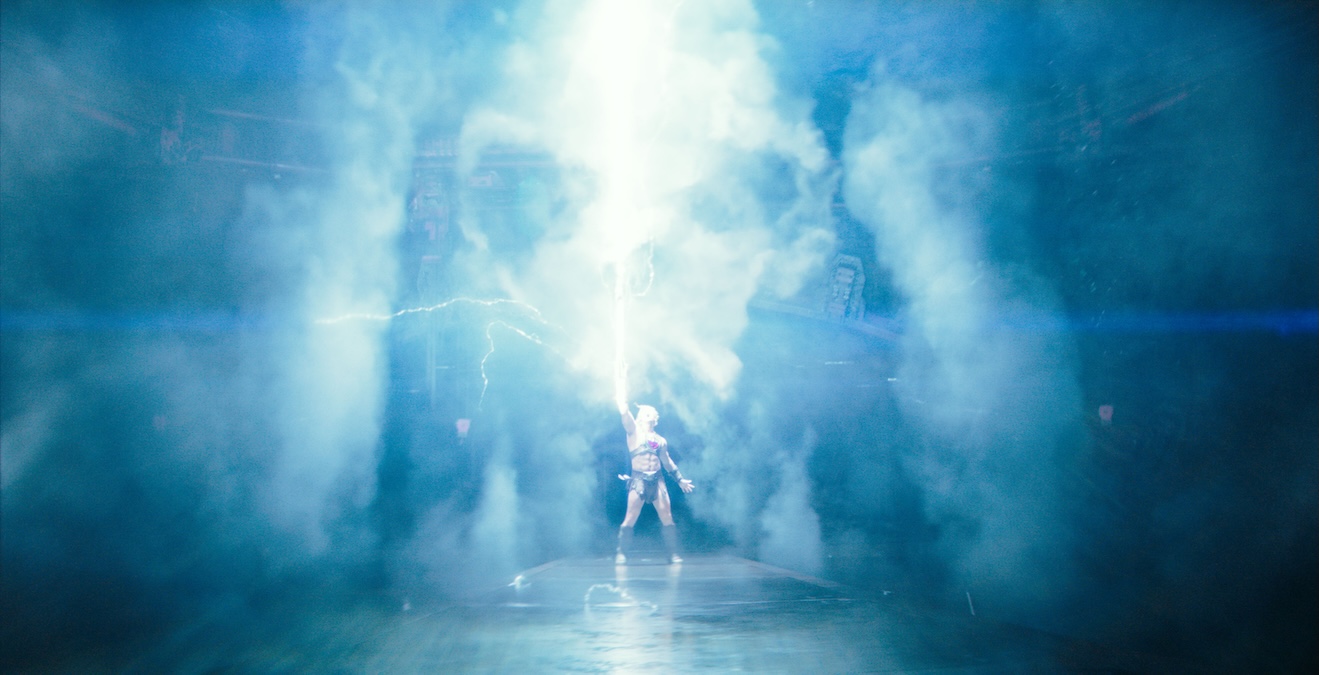
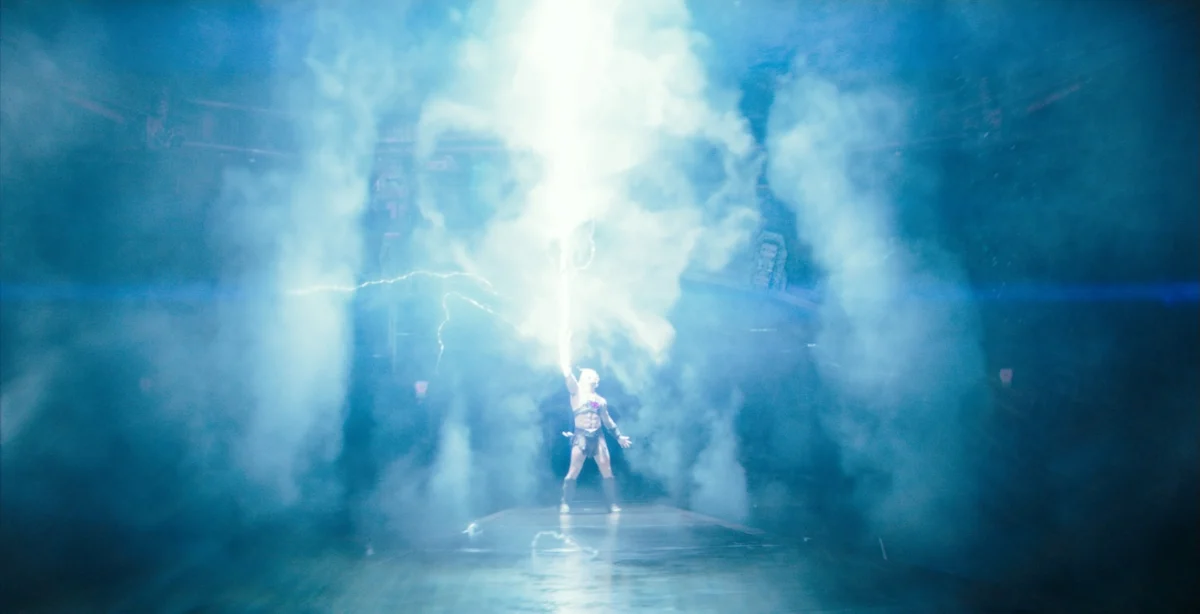
However, modern Hollywood often fears the "dumb" elements of its own source material. In the recent Masters of the Universe film, we see Nicholas Galitzine’s Prince Adam struggling to claim the power sword in a way that signals to the audience: "We know this is ridiculous." Similarly, the dialogue between Skeletor (Jared Leto) and Evil-Lyn (Alison Brie) frequently relies on meta-commentary that undermines the stakes of their villainy.
This is the exact "mistake" the MCU has made with Thor. The early films tried to make the God of Thunder too grounded, too serious—a move that effectively drained the wonder from Asgard. Conversely, Thor: Ragnarok and Love and Thunder leaned so far into comedy that they seemed to be apologizing for the source material, treating the very concept of Thor as a punchline.
Official Responses and Creative Implications
Industry insiders have long debated the "superhero fatigue" narrative, but proponents of the Masters of the Universe style argue that the fatigue is actually "irony fatigue."
"Audiences are tired of being winked at," notes one industry analyst. "When you have a character who can summon lightning or call upon the power of a magical castle, the audience wants to believe in that power. When the creators constantly poke fun at the concept, the audience loses its ability to invest in the hero’s journey."
For the next Thor installment, the path forward is clear: lean into the inherent absurdity without mocking it. If Chris Hemsworth returns, let him play the character not as a bumbling jester or a tragic king, but as a warrior who occupies a world where the strange is mundane. If the next villain is the Absorbing Man, present him as a terrifying powerhouse in his iconic striped pants, swinging a ball and chain with genuine menace.
The Path Forward: Why Sincerity Wins
The recent Masters of the Universe film may not have achieved perfection, but it served as a vital proof-of-concept. It demonstrated that modern CGI and production design can capture the vibrant, colorful, and wildly imaginative aesthetics of 1980s fantasy-sci-fi. It was closer to the mark than any Thor film has been to date because it dared to put the "sword and sorcery" elements front and center.
Marvel Studios finds itself at a pivotal moment. The MCU was built on the foundation of Kirby’s cosmic imagination, and it is in that very soil that the seeds of Thor’s future lie. By dropping the ironic detachment and embracing the "dumb, awesome" adventure that fueled the original comics, Marvel can restore the God of Thunder to his former glory.
Ultimately, the lesson is simple: you don’t need to reinvent the wheel to capture the audience’s imagination. You just need to have the courage to believe in your own power. If Masters of the Universe has shown us anything, it is that there is still a hungry audience for grand, earnest, and high-octane cosmic storytelling. Now, it is up to the architects of the MCU to prove that they, too, have the power.
Masters of the Universe is currently playing in theaters worldwide.










