

By Editorial Staff
May 26, 2026
The 2026 Cannes Film Festival will be remembered by industry insiders not necessarily for the number of trophies handed to animated works, but for the profound shift in the medium’s perceived value within the global prestige cinema circuit. While the awards podiums remained elusive for many, the Croisette bore witness to a historic integration of animation into the festival’s most elite programming, signaling that the medium has finally transcended its "niche" classification to become a primary driver of industry commerce and artistic discourse.
The State of Play: Animation’s Unprecedented Presence
Animation enjoyed one of its strongest, most visible years in recent memory at the 2026 edition of Cannes. The festival’s programming committee, under the guidance of director Thierry Frémaux, appeared to make a concerted effort to weave animated storytelling into the fabric of the event’s various sections, including Un Certain Regard, Critics’ Week, and La Cinef.
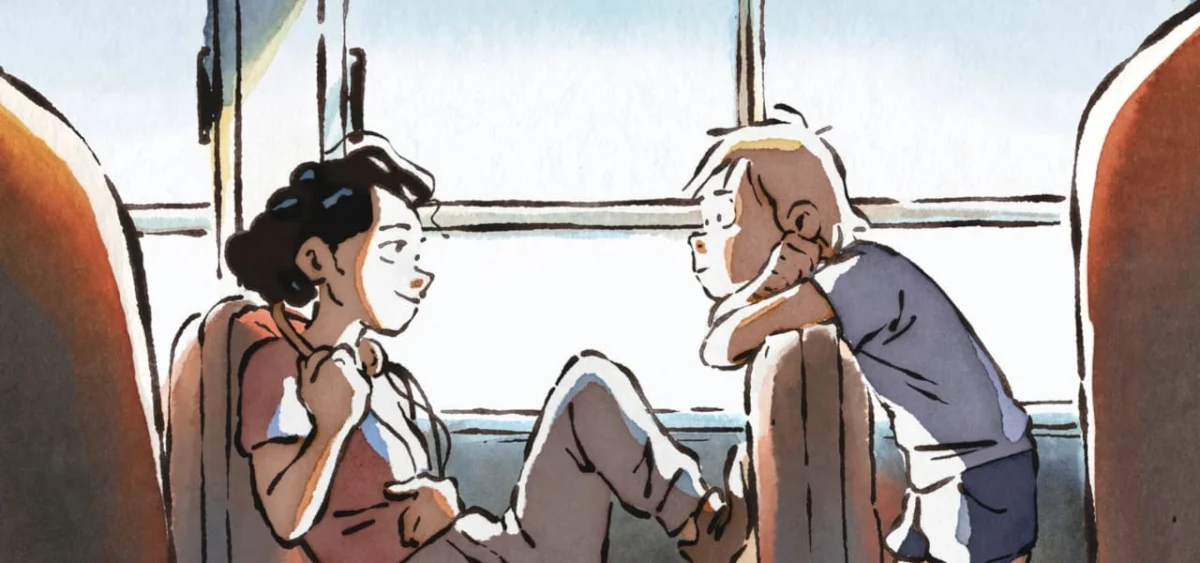
The most symbolic moment arrived at the start of Critics’ Week, which was inaugurated by Phuong Mai Nguyen’s In Waves. This marked a historic first for the festival: an animated feature opening one of its most prestigious sidebars. Simultaneously, the Marché du Film—the festival’s vital industry marketplace—expanded its animation-specific programming to three full days, reflecting an urgent demand from distributors and producers to engage with the medium’s rapidly evolving technical and narrative capabilities.
Despite this visibility, the final tally on Saturday night’s closing ceremony showed only two prizes for animated works: Louis Clichy’s hand-painted Iron Boy secured the Un Certain Regard Special Jury Prize, and Lucas Acher’s hybrid student short Laser-Cat took the top honors in La Cinef.
Chronology of the 2026 Cannes Animation Surge
The trajectory of animation at this year’s festival was not a single event, but a series of escalating milestones that defined the two-week run:
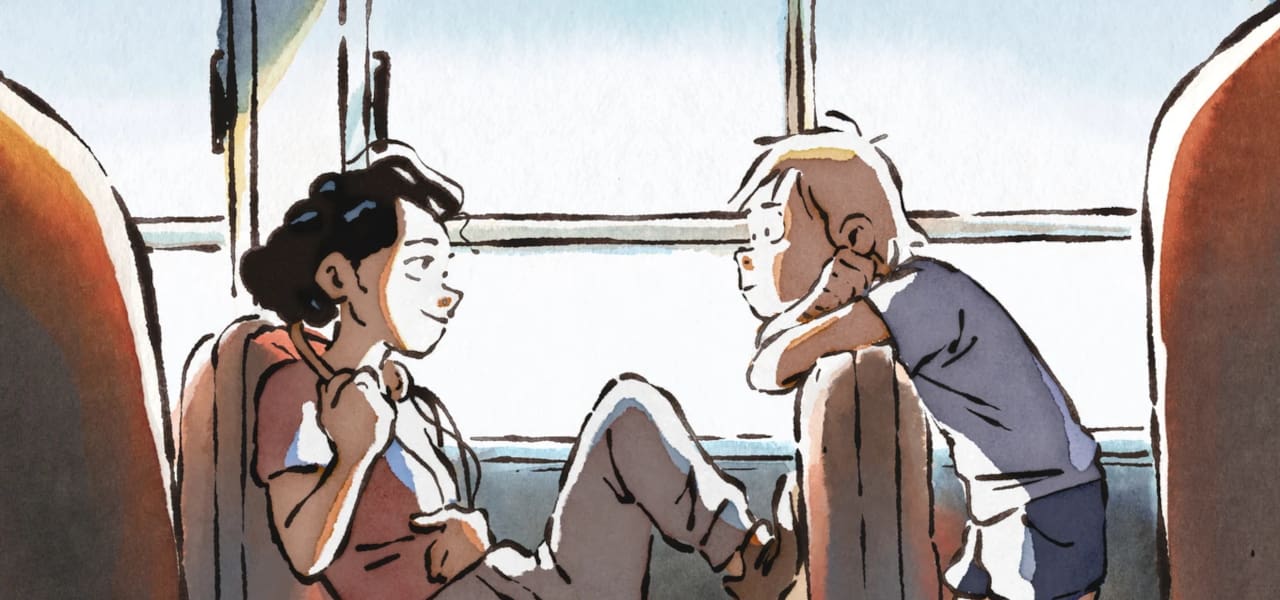
- The Opening Gambit: Critics’ Week defied tradition by selecting In Waves as its opener, immediately setting a tone of legitimacy for animation as a serious cinematic form.
- The Industry Expansion: Early in the festival, the Marché du Film hosted an unprecedented three-day summit focusing on animation finance, distribution, and emerging technologies, confirming that animation was no longer an "add-on" but a cornerstone of the market.
- The Cultural Phenomenon: The premiere of Jim Queen became the stuff of legend. The screening was so electric and the audience response so overwhelming that Thierry Frémaux was quoted as saying, "I’ve never seen a screening like this at Cannes," cementing the film as the emotional heartbeat of the festival.
- The Distribution Wars: Mid-festival, high-stakes bidding wars erupted. Sony Pictures Classics successfully negotiated for the North American rights to Iron Boy, while Netflix solidified its commitment to the medium by acquiring global rights (excluding France) to In Waves.
- The Closing Acknowledgments: The festival concluded with the recognition of Iron Boy and Laser-Cat, providing the necessary critical stamp of approval for two of the year’s most distinct creative visions.
Supporting Data: By the Numbers
While the award count (two) might seem modest at first glance, the qualitative data suggests a much larger impact. Beyond the awards, the commercial health of the medium was on display through:
- Market Activity: More than 40% of the major acquisition deals discussed in the Marché involved animated or hybrid-animated projects.
- Red Carpet Traffic: The premiere of Leah Nelson’s Tangles saw an A-list attendance record, rivaling major live-action blockbusters and proving that the "animation star power" is now a viable marketing engine.
- Critical Reception: The aggregate review scores for the animation slate were the highest in five years, with titles like Lucy Lost (Olivier Clert) and Dog My Cats (Alain Gagnol) receiving near-unanimous acclaim from international critics.
Official Responses and Industry Sentiment
The prevailing sentiment on the ground in Cannes was one of a "medium in transition." Producers and directors interviewed throughout the week noted that the distinction between "live-action" and "animation" is increasingly viewed by the younger generation of filmmakers as a technical choice rather than a generic boundary.
"The conversation has moved beyond the ‘is it for kids?’ debate," said one anonymous industry analyst. "Now, the conversation is about ‘how does this aesthetic serve the vision?’ When you look at the reception of Blaise or the technical precision of Daughters of the Late Colonel, it’s clear that the festival directors are treating these works with the same level of artistic scrutiny as the Palme d’Or contenders."
The excitement surrounding the Jim Queen screening was perhaps the most telling response. In an era of digital fatigue, the visceral, shared experience of the premiere reminded audiences that animation possesses a unique capacity to create "event cinema" that feels both timeless and urgent.
The Disappearance of the AI Narrative
Perhaps the most telling story of the festival was the one that didn’t happen. For months leading up to the festival, there was rampant industry chatter regarding Critterz, an AI-generated animated feature that had been surrounded by high-concept marketing and grandiose promises about the future of automated filmmaking.
When the festival began, Critterz was nowhere to be found. Its total absence from the Croisette served as a quiet but powerful statement. In a festival that celebrated the nuanced, human-driven artistry of Iron Boy and the experimental, yet deeply personal, nature of Laser-Cat, the vacuum left by the AI-project felt like a definitive endorsement of the human touch. The industry, it seems, is not yet ready to trade the soul of the artist for the efficiency of the algorithm.
.png)
Implications for the Future
The 2026 Cannes Film Festival will be viewed as a turning point for several reasons:
1. The End of the Ghettoization of Animation:
By allowing animation to compete across diverse sections, Cannes has effectively dismantled the idea that animation needs its own separate, smaller venue to be understood. Integrating these films into the main body of the festival ensures they are judged alongside the best of the year’s global cinema.
2. The Commercialization of Prestige Animation:
The rapid acquisition of titles like Iron Boy and In Waves proves that distributors are no longer hesitant to invest heavily in non-live-action work. This capital injection will likely lead to larger budgets and more ambitious projects in the coming development cycle.
3. The Rise of the Auteur-Animator:
With filmmakers like Jean-Paul Guigue and Lizzy Hobbs gaining mainstream exposure, the "auteur" label is finally being applied to animators with the same frequency as it is to live-action directors. This shift in nomenclature is critical for securing future funding and talent.
4. A New Standard for Festivals:
Other international film festivals, such as Venice and Berlin, will undoubtedly look at the 2026 Cannes model and seek to emulate it. The "three-day market" approach adopted by the Marché du Film is likely to become the new gold standard for how festivals integrate animation into their business ecosystems.
In conclusion, the 2026 Cannes Film Festival was a resounding success for the medium. Even with only two official awards, the narrative of the event was dominated by the power, diversity, and commercial potential of animation. The industry has signaled that it is no longer waiting for permission to be taken seriously; it has simply walked through the front door, taken a seat at the table, and made itself impossible to ignore. As the festival wraps, the takeaway is clear: the future of global cinema is not just live-action, it is whatever the animator decides it should be.









No comments yet. Be the first to join the conversation!