

Following the conclusion of the Battlefield 2042 open beta earlier this month, developer DICE and publisher Electronic Arts have found themselves at a critical crossroads. The beta, which granted players their first hands-on experience with the franchise’s ambitious shift toward 128-player warfare on the "Orbital" map, served as both a technical stress test and a lightning rod for community feedback. With the game’s official launch now on the horizon for November 19th, DICE has released a comprehensive briefing detailing how they intend to refine the experience based on the mountain of data—and criticism—gathered during the test.
The Beta Experience: A Technical and Tactical Overview
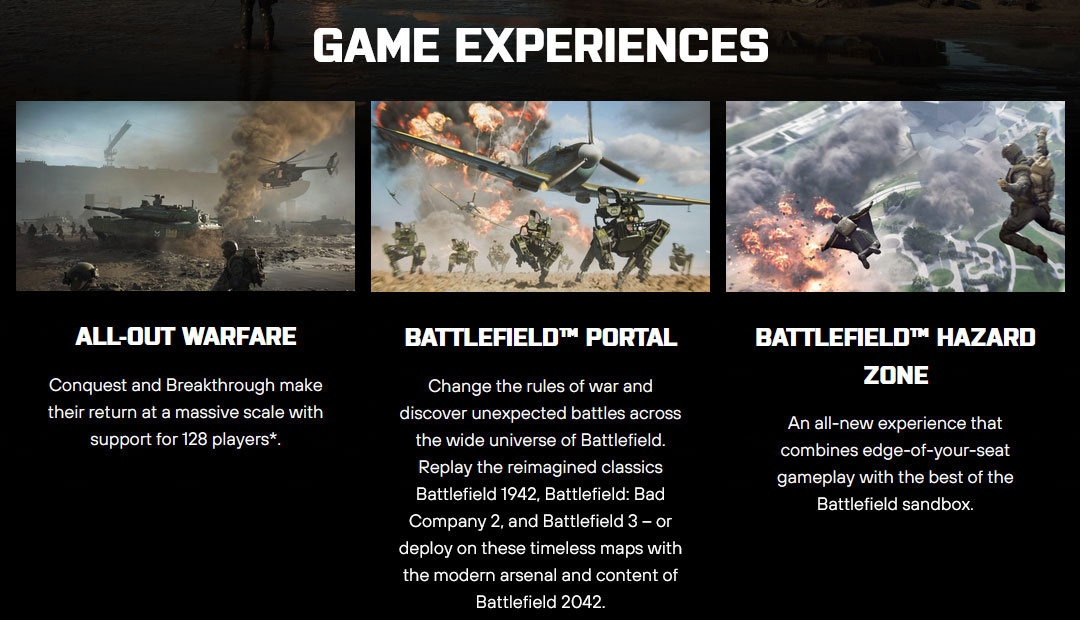
The Battlefield 2042 beta was designed to push the boundaries of the series, introducing massive-scale combat that sought to redefine the "Battlefield moment." By deploying players into the lush, hazardous environment of French Guiana, DICE provided a sandbox that featured the iconic rocket launch event, dynamic weather systems, and the chaotic, high-intensity firefights that have become the hallmark of the series.
However, the transition to 128-player lobbies on PC and next-gen consoles was not without its friction points. Players encountered significant bugs, balancing issues, and concerns regarding the game’s overall performance. While the spectacle of the Orbital map was undeniable, the beta period exposed technical vulnerabilities that necessitated an immediate and rigorous response from the development team. DICE has since acknowledged these hurdles, framing the beta not merely as a marketing tool, but as a crucial development milestone used to identify server-side bottlenecks and client-side stability issues.
The Specialist Controversy: Evolution or Identity Crisis?
Perhaps the most contentious element of the Battlefield 2042 reveal was the move away from the traditional, rigid class system (Assault, Medic, Support, Recon) in favor of "Specialists." This design choice represents a fundamental shift in the game’s DNA, moving toward a hero-shooter hybrid model that prioritizes individual abilities over role-based group composition.
During the beta, vocal segments of the community expressed concern that the Specialist system hindered the "synergy" that defined previous entries in the series. Critics argued that by allowing players to equip any weapon regardless of their Specialist’s unique trait, the distinct strategic roles that once necessitated teamwork had become blurred.
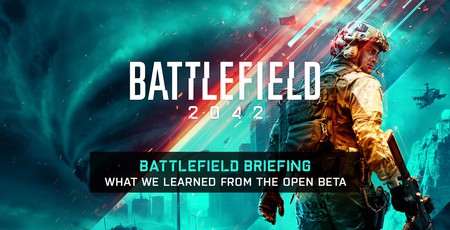
In a recent blog post, DICE pushed back against the narrative that the class system is dead. Instead, they position Specialists as an "evolution" of the established formula. By providing each Specialist with a unique gadget and trait, DICE argues that they are expanding tactical options rather than removing them. To underscore this, the studio has revealed all ten of the game’s Specialists, aiming to show that the system offers enough depth to accommodate both individual playstyles and squad-based coordination. By laying "all the cards on the table," the developers hope to mitigate fears that the game will devolve into a chaotic, lone-wolf experience.
Chronology of Feedback and Implementation
The path from the beta’s end to the full game’s release is defined by a rapid, iterative development cycle. The chronology of this process reflects the modern reality of "live service" gaming:
- The Beta Phase: Thousands of players participated in the test, flooding forums and social media with bug reports, gameplay critiques, and balance suggestions.
- The Data Synthesis: DICE spent the subsequent weeks categorizing this feedback into actionable items, ranging from critical stability patches to UI/UX overhauls.
- The Communication Phase: Following the internal review, DICE published a series of briefings and video deep-dives to transparently address the community’s primary concerns.
- The Pre-Launch Polish: Currently, the team is in the final stages of integrating these fixes into the master build of the game, ensuring that the day-one experience is significantly more stable than the beta version.
Supporting Data and Technical Adjustments
Beyond the surface-level gameplay debates, the technical work performed by DICE has been extensive. The studio has highlighted several key areas of improvement slated for the full launch:
- UI/UX Overhauls: Players reported difficulty navigating the information-dense HUD. Future updates include improved visual clarity for friend-or-foe identification and more intuitive menus.
- Movement and Combat Mechanics: The beta featured a movement system that some felt lacked the "weight" of previous titles. Adjustments have been made to animations and the responsiveness of character inputs.
- Mission Entry/Exit: The flow of combat, particularly concerning how players spawn into the map, is being re-evaluated to reduce instances of "spawn-trapping" and to ensure that the scale of the map remains accessible.
- Accessibility: In line with industry standards, DICE has focused on expanding accessibility features to ensure that the game can be enjoyed by a broader demographic of players, including those with visual or motor impairments.
- Server-Side Stability: Perhaps the most vital adjustment, the developers have implemented optimizations to the backend to handle the high player count without compromising tick rates or hit registration.
Official Responses: A Commitment to Transparency
DICE’s communication strategy throughout this period has been one of openness. In the accompanying videos and blog updates, developers have gone to great lengths to emphasize that the beta build was "old" relative to the current state of the game. They have urged players to consider that the final build will feature a much wider array of loadout customization options, as well as specialized hardware that is unlocked through player progression.
By highlighting the "customization" aspect, the studio is attempting to reassure players that the Specialists are not as restrictive as they appear. The goal is to provide a framework where a player can choose a Specialist for their specific utility while still having the freedom to tailor their loadout to the needs of the squad. This is a delicate balancing act, and one that DICE clearly understands is vital to the game’s long-term retention.
Implications for the Future of the Franchise
The implications of these changes go far beyond the launch of Battlefield 2042. The industry is watching to see if DICE can successfully modernize a legacy franchise without alienating its hardcore fan base. If the launch is successful, it will set a new template for the series—one that embraces the high-octane, hero-driven mechanics popular in today’s market while retaining the "only in Battlefield" grand scale that has kept the series relevant for nearly two decades.
However, if the transition is perceived as a failure, it may force EA to reconsider the direction of future titles. The pressure is immense; Battlefield is one of the pillars of the shooter genre, and any misstep carries significant financial and reputational weight.
Conclusion: The Final Countdown
As the clock ticks down to November 19th, the mood surrounding Battlefield 2042 is one of cautious optimism. DICE has acknowledged the "mountain of feedback" and has demonstrated a willingness to listen. Whether these changes are enough to satisfy the community remains to be seen.
The studio is betting on the fact that once the full suite of weapons, maps, and specialists are available, the synergy players were worried about losing will emerge organically through emergent gameplay. By refining the UI, movement, and server stability, they are clearing the way for the core, chaotic, and exhilarating experience that defines the franchise. Whether Battlefield 2042 manages to recapture the magic of its predecessors or carves out an entirely new identity will be decided the moment the servers go live. For now, the developers have done their part in laying the groundwork; the final judgment will rest with the players.










No comments yet. Be the first to join the conversation!