Muslim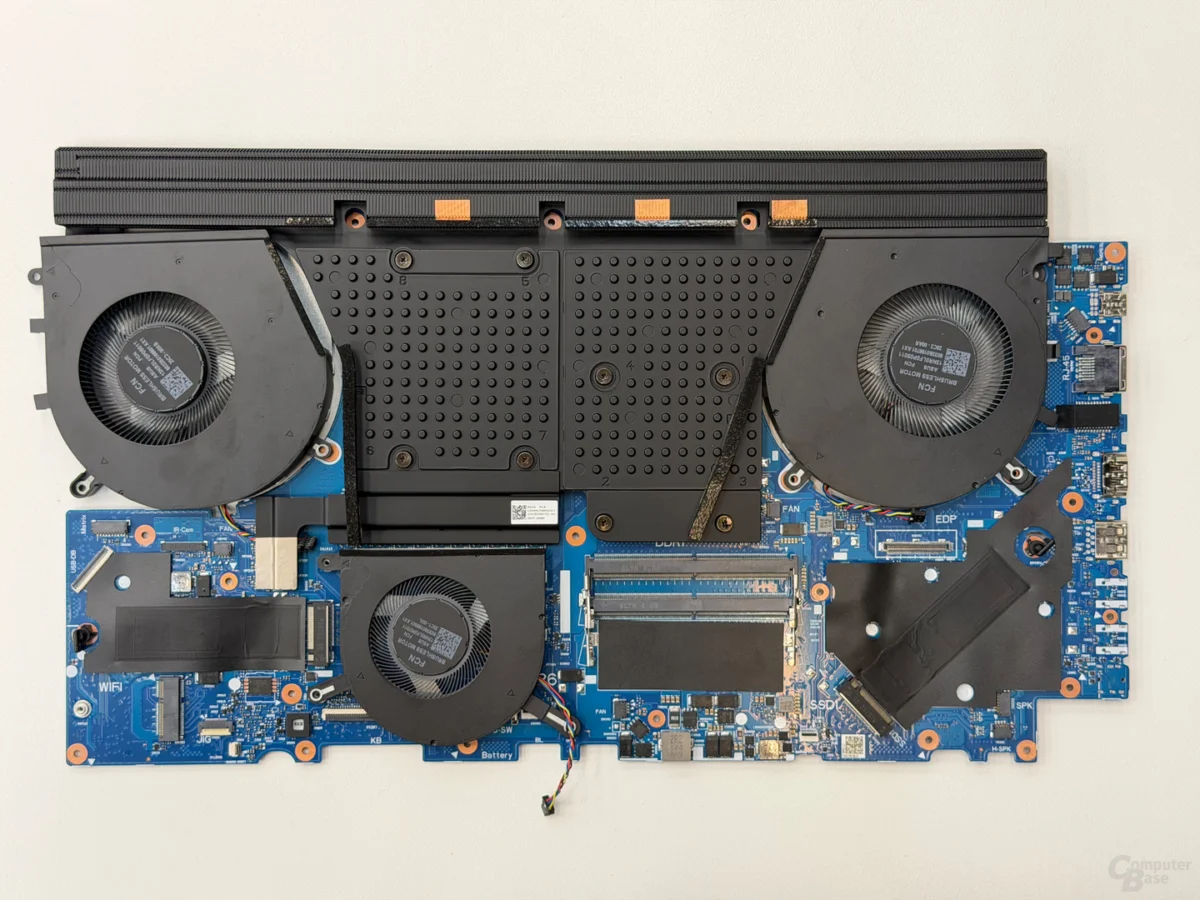
At the Computex 2026 trade show in Taipei, the industry’s focus has once again shifted toward the intersection of raw performance and thermal engineering. Among the most anticipated reveals is the updated Asus ROG Strix Scar 18. Positioned as a flagship "Desktop Replacement," this machine represents the apex of what is currently possible in the portable gaming sector. While the core internal silicon remains familiar to enthusiasts, the engineering team at Asus has implemented a series of aggressive thermal and display upgrades that push the hardware to its absolute limit.
Main Facts: A Powerhouse Refined
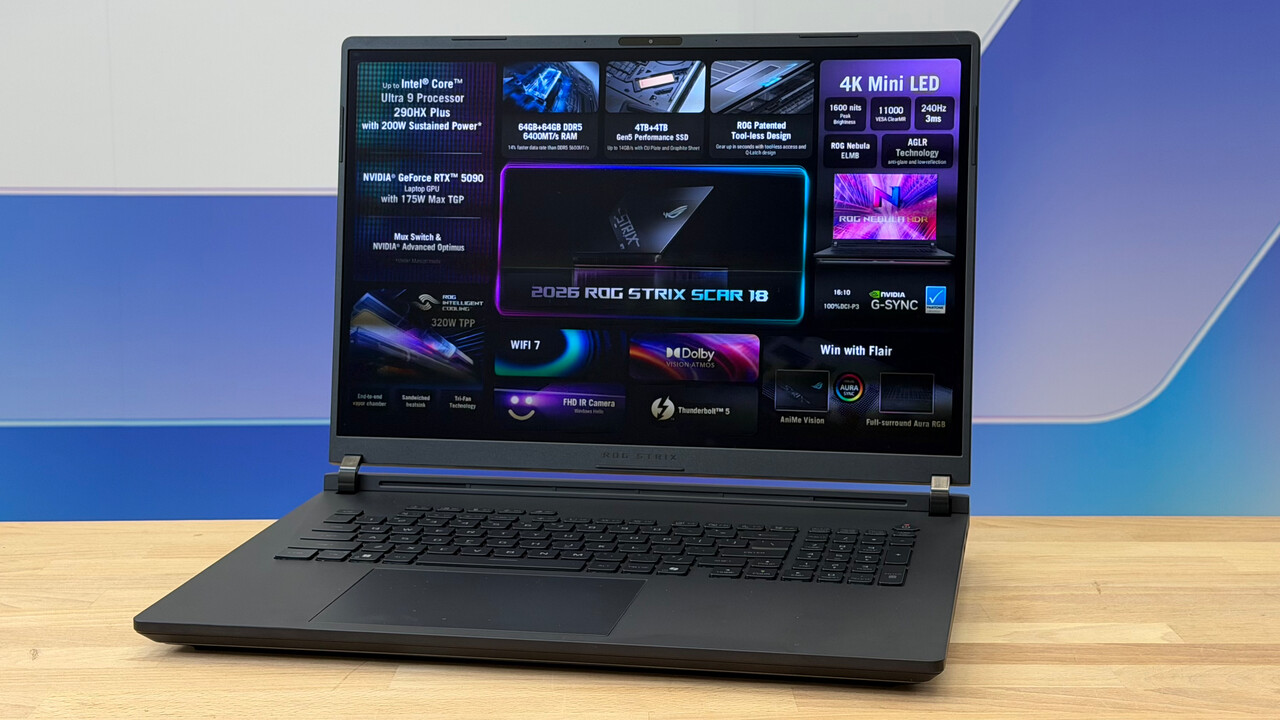
The ROG Strix Scar 18 (2026) is not a complete architectural overhaul, but rather a masterclass in optimization. Asus has opted to retain the formidable Intel Core Ultra 9 290HX Plus, paired with up to 128 GB of DDR5 SO-DIMM RAM and dual M.2 slots capable of housing up to 8 TB of storage. At the heart of its graphical prowess is the Nvidia GeForce RTX 5090 Laptop GPU, currently the gold standard for mobile gaming.
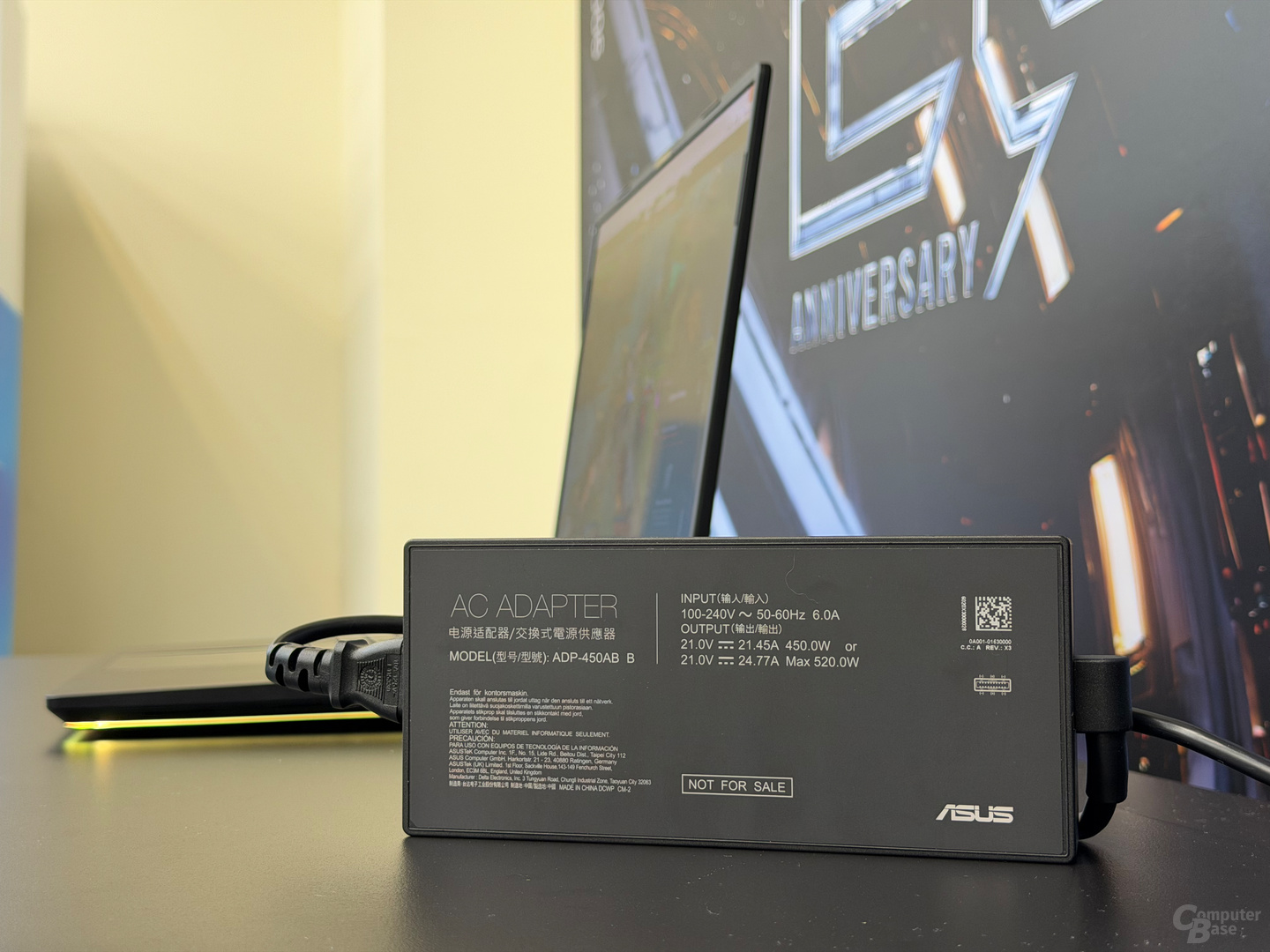
However, the headline story is the shift in power delivery and thermal management. Asus has significantly increased the total thermal design power (TDP) ceiling. The new system is now rated for a massive 320-watt budget, distributed dynamically between the CPU (up to 200W) and the GPU (up to 175W). To support this, the company has introduced a heavy-duty 450-watt power brick, marking a notable step up from the previous 370-watt iteration.
Chronology: From Patent Disputes to Computex Premiere
While the device was teased two weeks prior to the event, Computex 2026 provided the first opportunity for hands-on evaluation. The rollout of this announcement has been complex. In certain regions, most notably Germany, the announcement was muted or entirely suppressed due to ongoing legal entanglements.
Asus, alongside competitor Acer, has been embroiled in a high-profile patent dispute with Nokia. This legal battle has resulted in a temporary ban on the sale of various notebook models in the German market. Consequently, the company has navigated a delicate communication strategy, focusing its marketing efforts on regions where legal clearance is absolute. The Taipei headquarters provided a rare, behind-the-scenes look at the internal components, allowing journalists to perform a side-by-side comparison between the 2025 and 2026 thermal modules, illustrating the tangible evolution of the chassis design.
Supporting Data: Thermal Engineering and the 320W Challenge
The jump to a 320-watt TDP is made possible by a redesigned, more robust cooling architecture. Asus claims a 20 percent increase in the physical height of the vapor chamber, which now provides full-coverage cooling for the CPU, GPU, and VRAM.

Advanced Thermal Dynamics
The cooling system operates on a principle of constant negative pressure. Heat is wicked away by the vapor chamber and channeled toward the rear of the chassis, where 0.1 mm thin copper fins are subjected to airflow from a trio of internal fans. These fans draw intake air from both the bottom of the chassis and through the keyboard deck, ensuring consistent airflow even when the device is placed on a desk.
To maximize heat transfer, Asus continues to utilize Gallium-based liquid metal between the silicon dies and the vapor chamber. The fan geometry has also been optimized; compared to the previous model, the 2026 fans generate a 91 percent increase in total airflow. This is a critical adjustment, as the higher wattage demands significantly higher heat dissipation rates to avoid thermal throttling.
User-Centric Maintenance
Beyond pure performance, Asus has improved the accessibility of the internals. A new, tool-free mechanism allows users to pop off the bottom panel to access the cooling fans for dust removal. Furthermore, the dual SO-DIMM slots, dual M.2 SSD bays, and the 90 Wh battery are all easily accessible, catering to the enthusiast demographic that prefers to perform their own upgrades and maintenance.
The Technological Breakthrough: ROG Nebula ELMB
Perhaps the most visually striking innovation is the new 18-inch Mini-LED display. Featuring over 2,000 local dimming zones and a peak brightness of 1,600 nits, the panel is a technical marvel. The standout feature is "ROG Nebula Extreme Low Motion Blur" (ELMB).
Understanding the "Sample-and-Hold" Problem
In traditional LCD technology, motion blur is caused by "sample-and-hold" behavior. The display holds a single frame for the entire duration of the refresh cycle until the next frame is ready. As the human eye tracks a moving object, the eye continues to move while the image on the screen remains static, leading to a perceived smear on the retina.
Historically, manufacturers combated this with "strobing," where the backlight flashes briefly. However, this often led to brightness loss and visual artifacts. Asus’s implementation of Nebula ELMB utilizes the precise control of the Mini-LED backlight to synchronize the illumination of specific zones with the pixel response time. This ensures that the backlight only activates once the pixels have stabilized, drastically reducing double images and crosstalk.

Performance Observations
During live testing with the "UFO Test: Frame Rates Versus Comparison," the difference was palpable. When the ELMB function was toggled on via the Armoury Crate software, text and moving objects became significantly sharper. The technology effectively bridges the gap between the high-resolution, high-brightness benefits of modern LED panels and the motion clarity traditionally reserved for high-end CRT monitors.
Implications: The Future of Desktop Replacements
The ROG Strix Scar 18 remains a formidable beast, measuring 399 x 298 x 23.5–35 mm and weighing 3.7 kg. While its physical footprint is substantial, the aesthetic remains surprisingly restrained. The matte black chassis avoids the "over-the-top" gamer aesthetic, opting instead for a discreet, professional look, complemented by a customizable RGB light ring and keyboard lighting.
Connectivity and Professional Utility
The chassis offers a wealth of I/O options, essential for a professional-grade desktop replacement. Users benefit from two Thunderbolt 5 ports, three USB-A 3.2 Gen 2 ports, a 2.5-Gigabit LAN port, and HDMI 2.1. Wireless connectivity is handled by a state-of-the-art Wi-Fi 7 module.

Market Positioning and Final Thoughts
The implications of this machine are clear: Asus is not chasing the "thin and light" trend. Instead, they are doubling down on the "Desktop Replacement" category, catering to power users who demand the thermal headroom that only a larger chassis can provide. By increasing the TDP and introducing sophisticated motion-blur reduction, Asus has ensured the Strix Scar 18 remains at the top of the performance food chain.
As of the time of writing, pricing and specific regional availability remain under wraps, likely due to the aforementioned legal complexities in various markets. However, for those in regions where the device will launch, the 2026 Strix Scar 18 represents a significant leap forward in sustained performance and visual fidelity.
Disclosure: ComputerBase received information regarding this product from Asus under a non-disclosure agreement (NDA). The only condition was adherence to the embargo date for publication.

 Sagoh
Sagoh
 Lina Hope