Laily UPN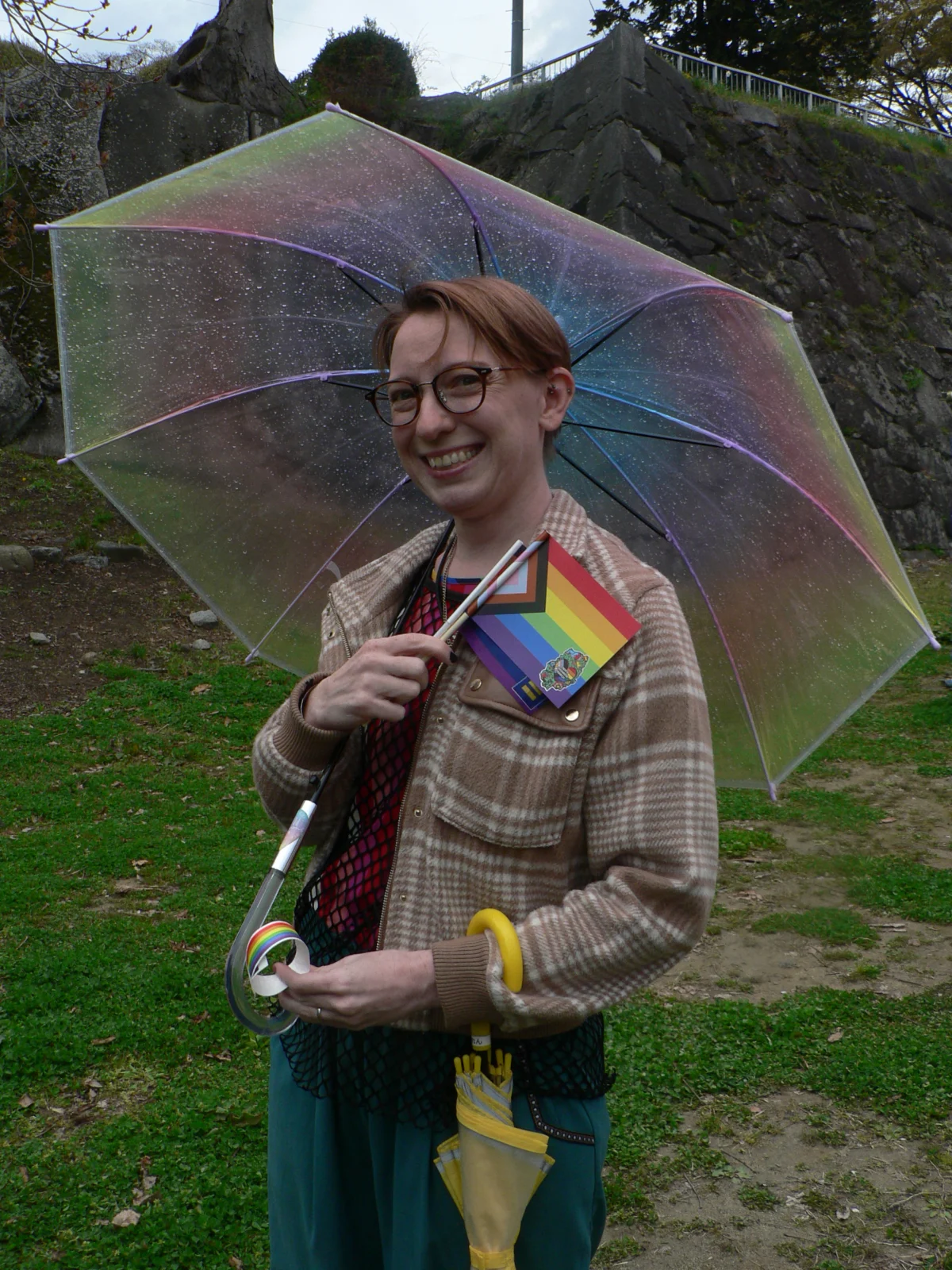
Iwate Prefecture, a vast expanse of rugged mountains and rolling rice fields in Japan’s northern Tohoku region, is often defined by its rustic serenity. As the second-largest prefecture by land area, it is also one of the least densely populated, offering a landscape that feels worlds away from the neon-lit frenzy of Tokyo. Yet, beneath the tranquil surface of this rural heartland lies a vibrant, determined movement. For the past eight years, Morioka City has played host to the Iwate Rainbow March, a pride parade that has become a vital beacon for LGBTQ+ visibility in a region where tradition often weighs heavily on social discourse.
A Journey Through Time: From Inception to Persistence
The history of the Iwate Rainbow March is a testament to the resilience of its organizers. Inaugurated in 2018, it served as only the second pride event in the Tohoku region, following the debut of the Aomori Rainbow Parade in 2014. Since its inception, the march has faced a gauntlet of external challenges that would have discouraged many smaller organizations.
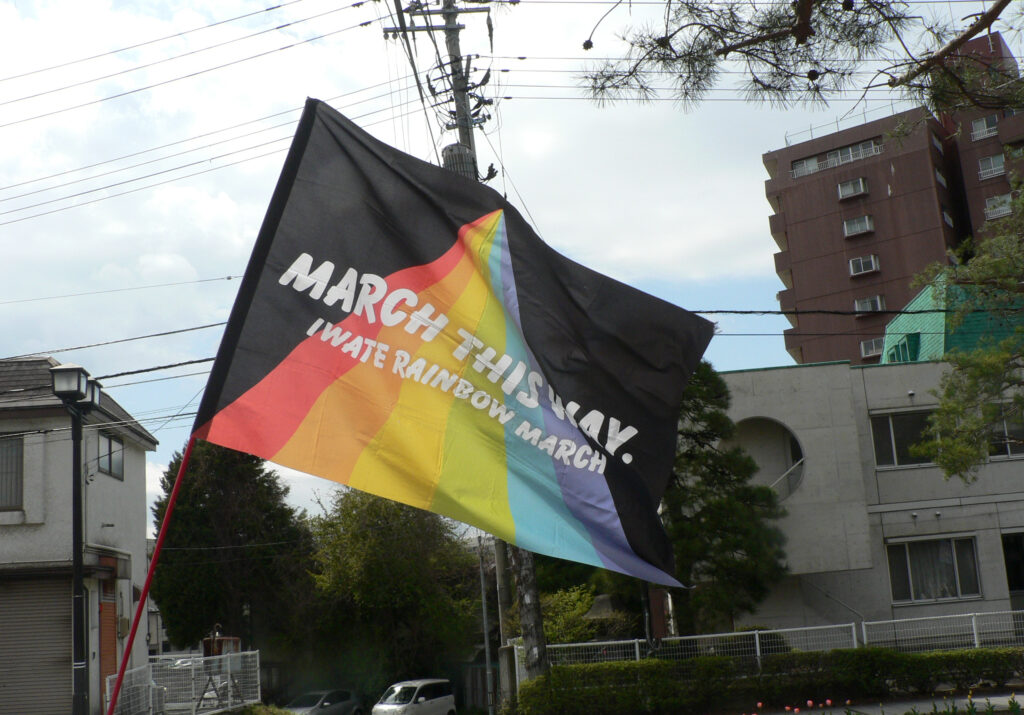
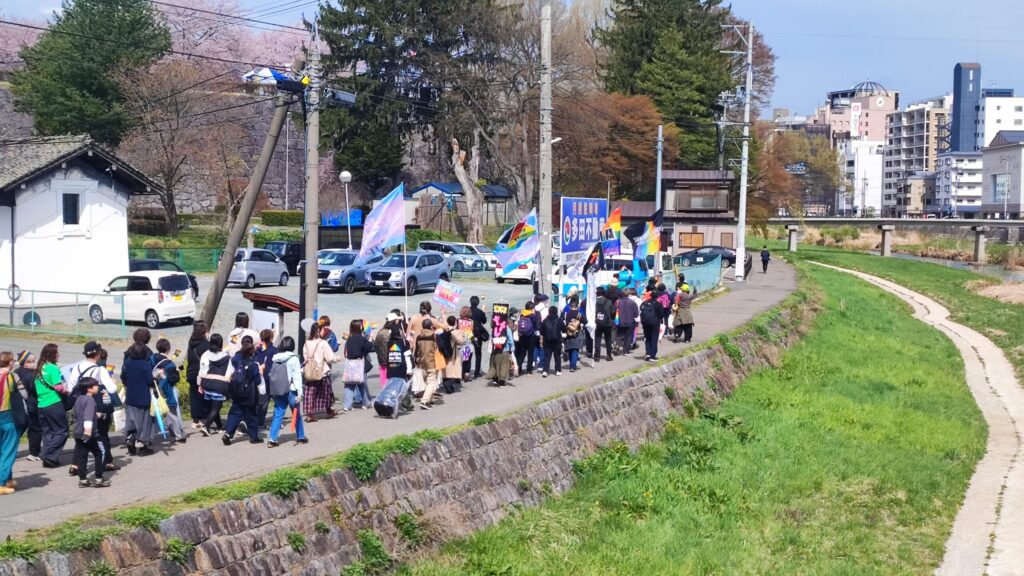
The event’s timeline reflects the broader struggle for communal gathering in the post-2018 era. While the inaugural march was a success, the 2019 edition was forced to cancel due to the passage of a powerful typhoon. As if that were not enough, the onset of the COVID-19 pandemic necessitated a postponement in 2020 and a shift to a virtual-only format in 2021. However, since 2022, the march has returned to the streets of Morioka with renewed vigor. This year, the organizers opted for an earlier date in the spring season, aligning the event with the city’s peak cherry blossom (sakura) viewing. The result was a visually striking juxtaposition: the radical, inclusive message of the Pride movement set against the delicate, ephemeral pink of Morioka Castle Ruins Park.
Voices from the North: Empowerment and Solidarity
The significance of the march is best understood through the experiences of those who travel to be part of it. Among the attendees this year were Kasajima (29), Makochi (21), and Haru (21), members of the newly formed "Dohnan Hakodate Rainbow Pride" organization, based in the port city of Hakodate, Hokkaido. They carried a striking, squid-shaped flag adorned with the colors of the Progress Pride flag, a nod to their maritime home and a symbol of their creative spirit.
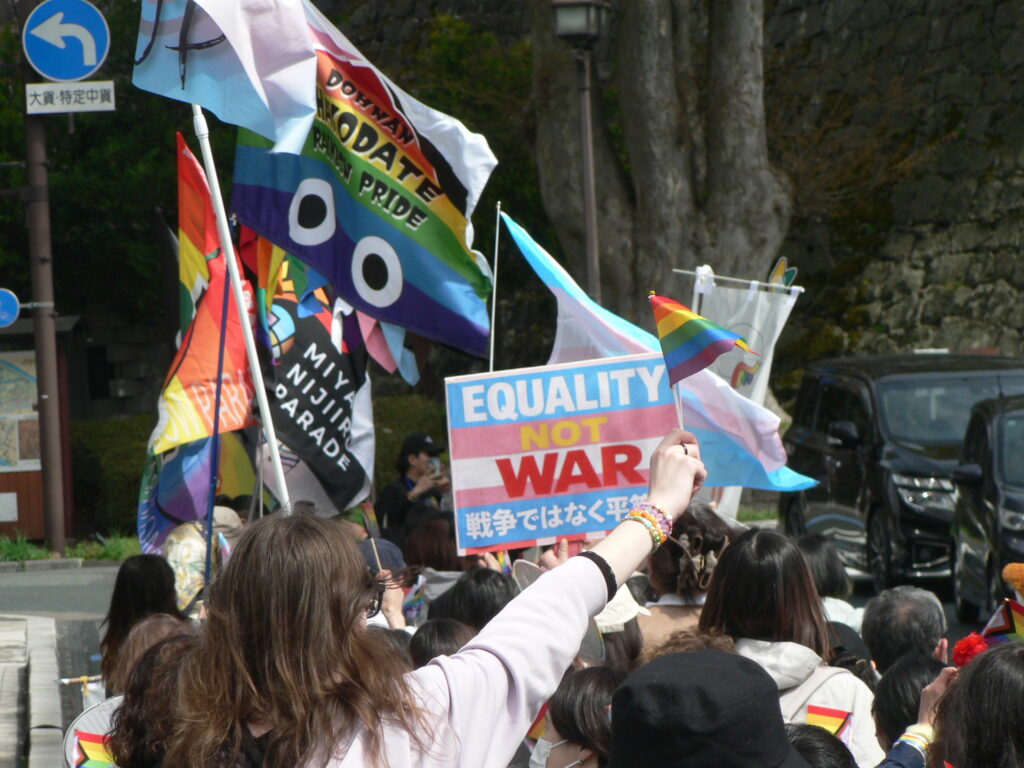
For these participants, the march is about more than just a walk through the city; it is a tactical exercise in solidarity. Kasajima, participating in the Iwate march for the third time, emphasized the importance of regional networking. "It is important to take part in LGBTQ+ events in various regions to show solidarity and link up with each other," he noted.
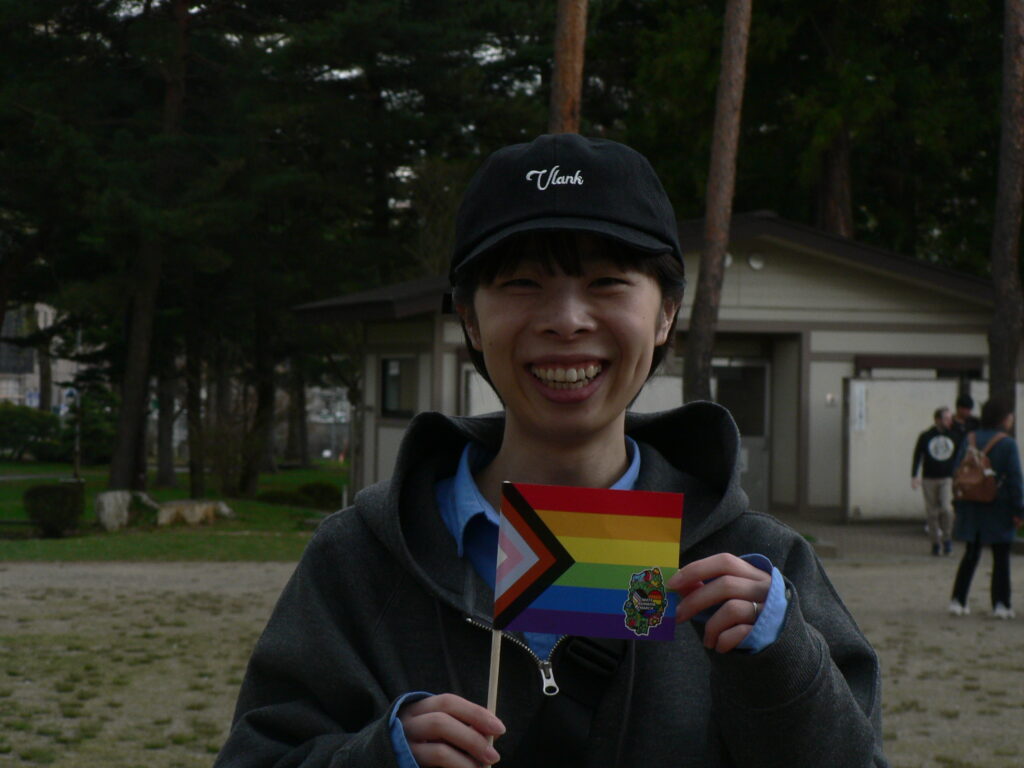
For Haru, the event carries a deeper, more personal weight. Having grown up in Aomori, Haru spoke candidly about the isolation often felt by LGBTQ+ youth in rural Japan. "My friends back home tend to react with an ‘oh, you’re involved in that kind of stuff?’ attitude," Haru shared. "It makes me lose confidence. But when I’m here, I can sense there are many like-minded people. I come to empower myself." This sentiment—the transformation of isolation into collective strength—is the heartbeat of the Iwate Rainbow March.
Leadership and the Legacy of Political Advocacy
No history of this event is complete without acknowledging the role of Katō Mai (31), the founder of the Iwate Rainbow March. Katō’s influence extends far beyond the organization of a parade. In 2019, shortly after turning 25, she was elected to the Morioka City assembly with the second-highest vote count, a massive achievement for a young, openly LGBTQ+ candidate in a conservative political environment.
During her four-year tenure, Katō was instrumental in pushing for a municipal partnership system, which officially recognizes same-sex unions. She and her partner became the first couple to register under this policy in Morioka. Though she chose not to seek re-election in 2023, her legacy remains central to the discourse in Iwate.
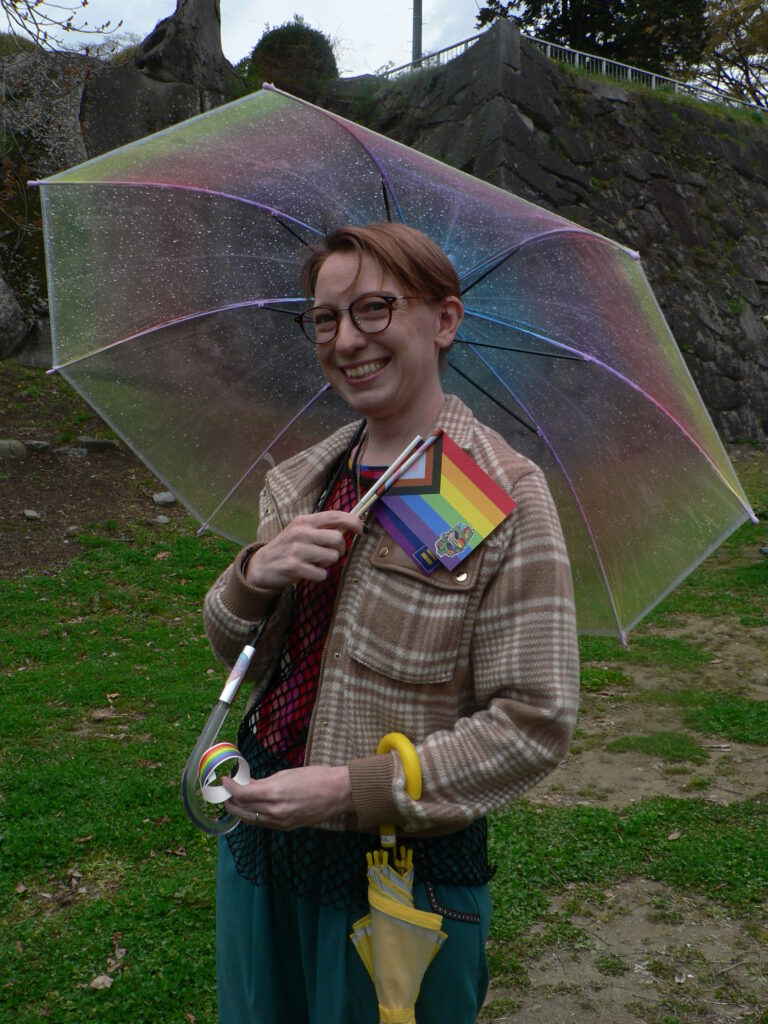
"Looking at society at large, there’s the fact that marriage equality hasn’t been realized yet," Katō noted during the event. "But also, there is so much prejudice and discrimination toward transgender people, which needs to be tackled through education and the dissemination of accurate information." Her presence at every iteration of the march serves as a bridge between grassroots activism and institutional change.
The First-Timer’s Perspective
The march also draws those who have spent years on the periphery of the community. Chris Takisawa (38), a long-term resident of Japan, attended her first-ever pride parade this year. "In my entire life, I have always lived away from where the pride parades were," she explained. "So it is such a treat to finally be able to actually be here today."
Takisawa’s motivation was twofold: personal identity and professional responsibility. As a teacher, she views her participation as a form of "visible representation." "For a long time, I was in the closet, so I couldn’t be that representation," she said. "But now I can, and I hope that if my students see me in the news, they know they can talk to me."
Official Responses and the Changing Climate
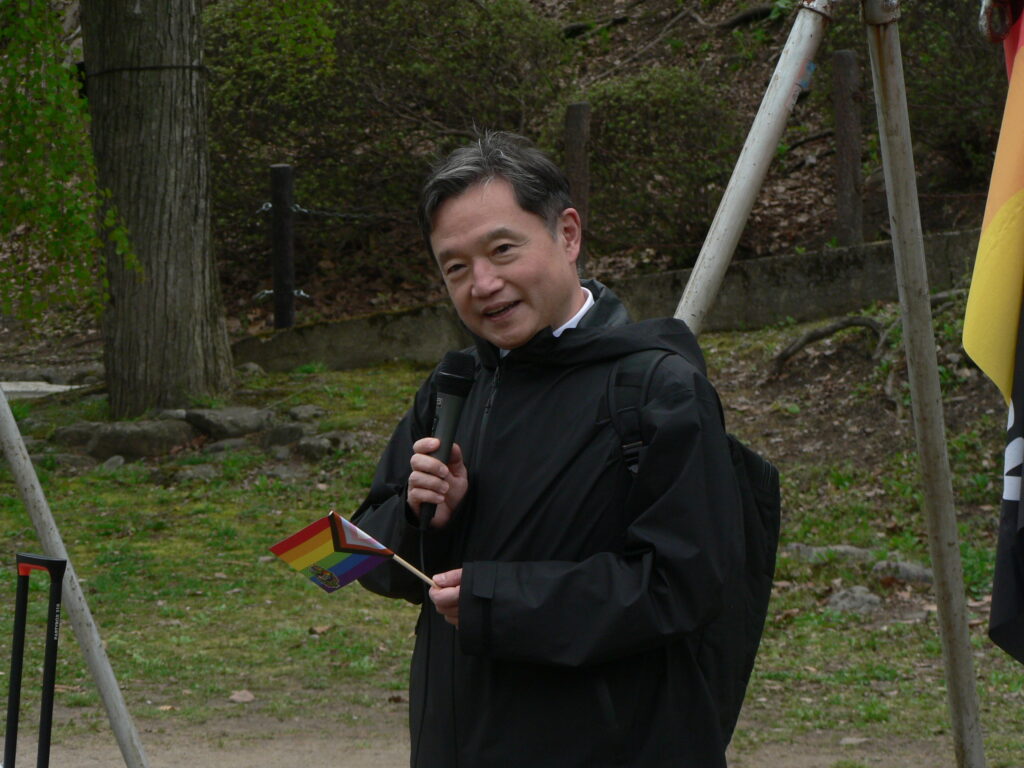
The event opened with a powerful slogan: “Watashi wa watashi, sairensu wo yaburi, koe wo ageru” (I am who I am, let’s break the silence and raise our voices). This call to action was followed by a symbolic address from Morioka City Mayor Uchidate Shigeru. Holding a small Progress Pride flag, the Mayor articulated a vision of a city where every resident, regardless of gender, disability, or identity, can live with ease.
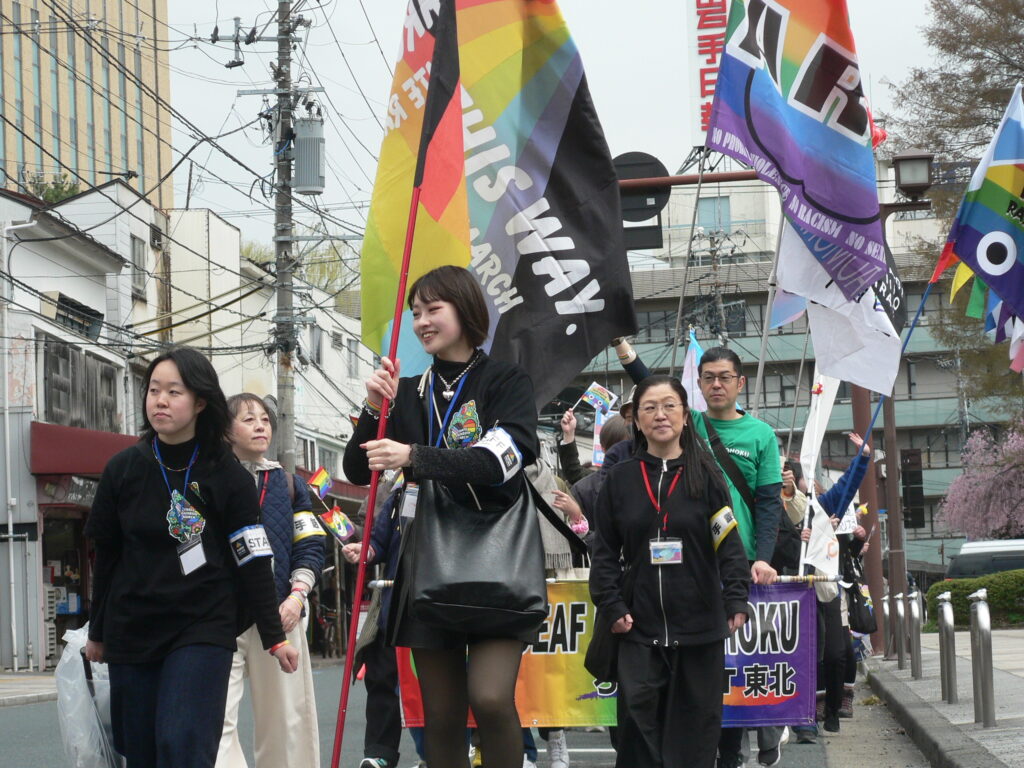
While the inclusion of local government officials is a relatively recent development in many Japanese cities, the presence of the Mayor at the Iwate Rainbow March signals a shift in the local political climate. It suggests that, at least in Morioka, LGBTQ+ inclusion is no longer viewed as a fringe issue, but as a component of a healthy, inclusive municipality.
Implications: The Road Ahead
With 120 participants marching through the city streets, the 2026 Iwate Rainbow March was, by all accounts, a success. The turnout remained steady despite concerns that the scheduling—so soon after the start of the Japanese fiscal year—might deter attendees.
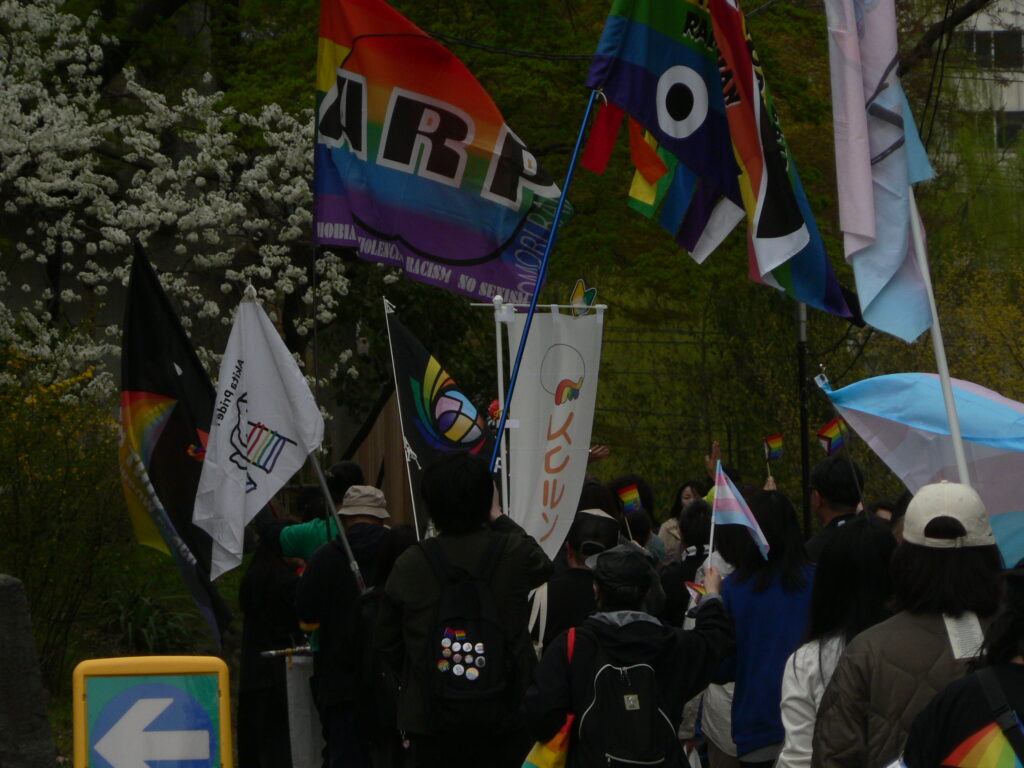
The implication of this consistency is significant. By timing the march to coincide with the local cherry blossom festival, the organizers managed to bring their message to a broader, more general audience. This intersectional approach—placing the parade in the public square during a time of celebration—normalizes the presence of LGBTQ+ people in public life.
However, the organizers remain grounded in the reality of the work that remains. Ritsu, a representative for the march, noted that the success of the event is measured not just in numbers, but in the connections formed. The post-march atmosphere, where participants lingered to share stories and strengthen bonds, suggests that the event is fulfilling its primary mission: providing a space for identity to be asserted and for isolation to be broken.
Conclusion
As the sun broke through the clouds over Morioka, the marchers completed their trek through the city. The sight of rainbow flags waving beneath the falling cherry blossoms served as a powerful metaphor for the movement in Japan: a quiet, persistent, and beautiful assertion of existence. The Iwate Rainbow March continues to prove that even in the most rural corners of the country, the demand for equality and visibility is growing. It is a movement that is not just asking for a place at the table, but one that is actively building its own, one march at a time. Through education, policy advocacy, and the simple, radical act of showing up, the participants of the Iwate Rainbow March are ensuring that the silence is, indeed, being broken.


 Neng Nana
 Asro
Asro