Rifan Muazin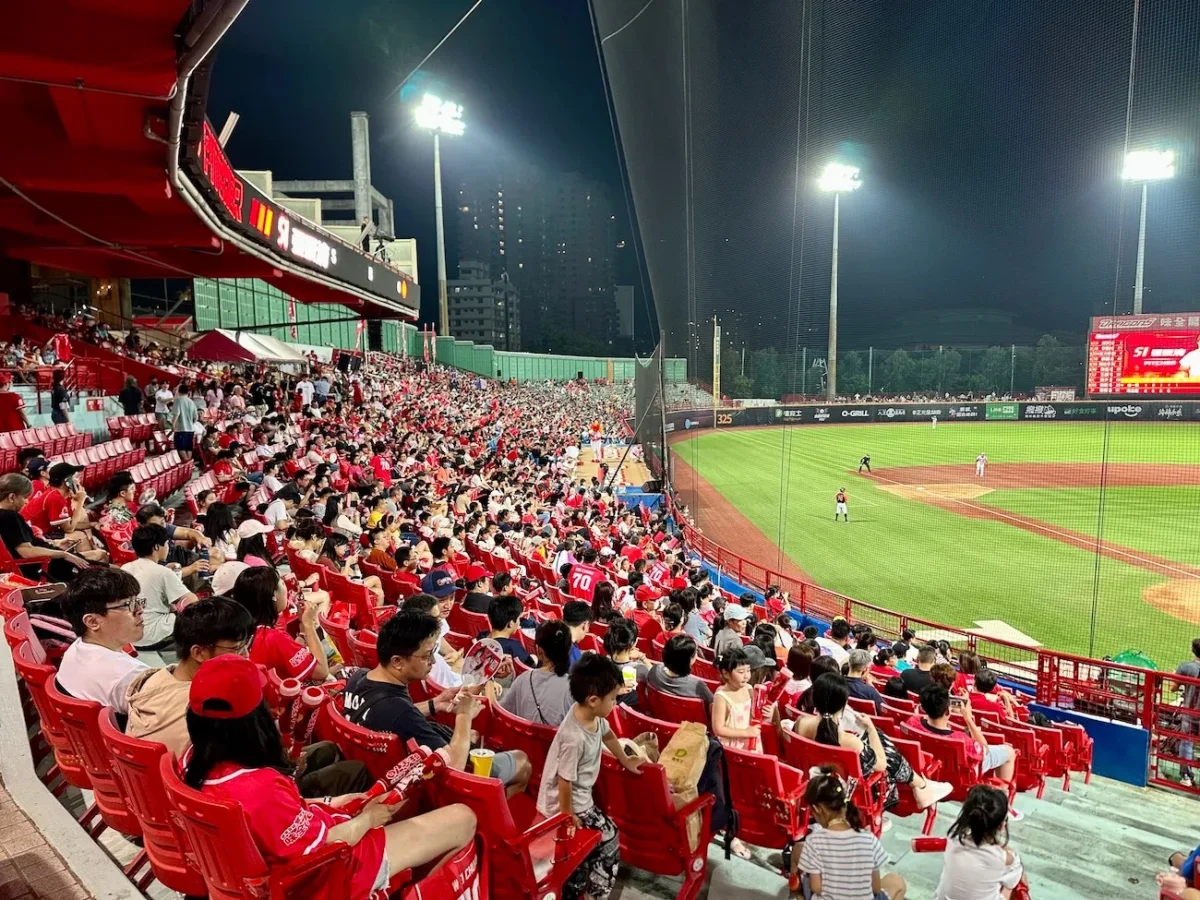
For generations, the image of the dedicated sports fan has been a fixture of global culture: the roar of the crowd, the shared groans of a bad call, and the communal bond formed in the stands. However, beyond the peanuts, the overpriced hot dogs, and the creative vernacular of die-hard fans, there lies a profound psychological benefit that has recently come into sharp focus.
New research originating from the University of Tsukuba suggests that for the elderly population, the act of watching sports—whether live in a stadium or from the comfort of a living room—is more than just a pastime. It is a potent, non-pharmacological tool that can significantly reduce the risk of depression, effectively serving as a bridge to combat the growing epidemic of social isolation among seniors.
The Science of Spectatorship: Understanding the Data
The study, which analyzed comprehensive health and behavioral data from over 21,000 elderly participants, sought to quantify the correlation between sports engagement and mental well-being. The findings are not just anecdotal; they are statistically significant.
Researchers discovered that seniors who engage with sports on a regular basis demonstrate a roughly 30 percent lower risk of developing depressive symptoms compared to their non-viewing peers. The frequency and medium of participation also play a crucial role in these outcomes:
- Live Attendance: Seniors who attend live sporting events a few times a year show a 30 percent reduction in depression risk.
- Frequent Live Attendance: Those who frequent stadiums or arenas a few times a month see that risk drop even further, to 34 percent.
- Remote Viewing: Even for those who do not attend in person, the benefits persist. Watching sports on television or via digital platforms at least once a week correlates to a 29 percent lower risk of depression.
These findings suggest that while the physical act of "getting out" is undeniably beneficial, the core mechanism at play is the emotional and social engagement triggered by the sporting event itself.
Chronology of a Public Health Shift
The realization that sports could serve as a public health intervention did not happen overnight. For years, geriatric specialists have sought ways to mitigate the "social withdrawal" that often accompanies aging—a condition linked to physical decline, cognitive impairment, and increased mortality.
- Early Observations: Geriatric social workers noted that residents in nursing facilities who took an interest in televised sports often exhibited higher levels of alertness and social participation.
- The Tsukuba Analysis: The University of Tsukuba launched its large-scale longitudinal study to determine if these observations held up under rigorous statistical scrutiny.
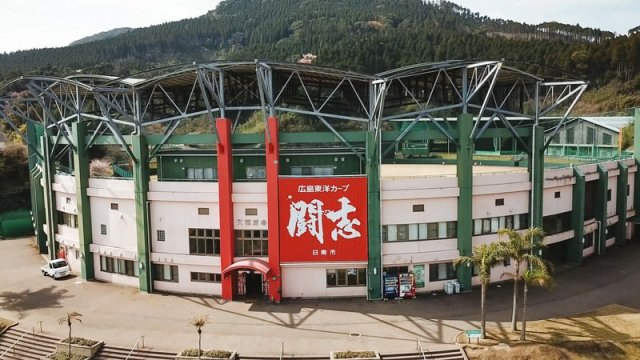
- Policy Integration: Upon the publication of these results, regional authorities—most notably in Japan’s Ibaraki Prefecture—began to formalize partnerships between local government, public health departments, and professional sports franchises.
- Implementation: The transition from research to practice began in cities like Namaegata, where nursing homes integrated weekly "sports viewing events" into their formal therapeutic schedules.
The Mechanism of Well-being: Why Sports Work
Social isolation is frequently cited as the primary catalyst for mental decline in the elderly. The researchers identified three distinct ways in which sports act as an antidote to this isolation:
1. Breaking Down Interpersonal Barriers
Sports are uniquely egalitarian. In the stands of a soccer or basketball game, the distinctions of age, background, and social status often dissolve in favor of a singular, shared identity: the fan. The ability to high-five a stranger, share a collective groan at a missed goal, or celebrate a victory provides an immediate, low-stakes form of social interaction that is often difficult for seniors to find in other settings.
2. The Incentive to Engage
For many seniors, the physical act of preparing to go out—getting dressed, organizing transportation, and navigating to a stadium—serves as a vital routine. It promotes physical mobility and provides a structured "event" in a calendar that might otherwise be empty. This anticipation—the "looking forward" to the next game—is a powerful psychological anchor that combats the monotony often associated with sedentary aging.
3. Cathartic Emotional Release
Psychologists have long noted the importance of emotional expression. Sports provide a socially acceptable venue for intense emotion. Whether it is shouting at a referee for an "obvious" offside call or cheering for a comeback win, the stadium provides a safe space for the elderly to express frustration, joy, and passion. This catharsis is essential for maintaining a healthy emotional balance.
Official Responses and Practical Applications
The success of the initiative in Ibaraki Prefecture has caught the attention of health officials nationwide. By partnering with professional basketball and soccer leagues, local municipalities are providing seniors with discounted tickets and access to "fan hubs" within community centers.
In the city of Namaegata, the nursing home model has yielded impressive results. Staff members report that residents who previously remained in their rooms are now congregating in common areas hours before the opening whistle.
"Watching matches with everyone is something I look forward to every single week," says one 93-year-old resident. Her sentiment is echoed by staff, who have documented improved sleep patterns and more engaged, lively conversations among the residents following these events. The initiative has effectively transformed the "passive" act of watching television into a "proactive" social engagement exercise.
Implications for the Future of Geriatric Care
The implications of this research are broad, extending far beyond the borders of Japan. As global populations age, the demand for innovative, cost-effective, and community-based mental health interventions will only grow.
A New Model for Nursing Homes
The traditional nursing home model often focuses on physical safety and medical maintenance. This study argues for a pivot toward "social enrichment." Integrating sports viewing—and perhaps even post-match discussion groups—is a low-cost, high-impact intervention that requires minimal infrastructure but delivers measurable results in patient morale and mental health.
The Role of Sports Organizations
Professional sports franchises have an opportunity to position themselves not just as entertainment providers, but as pillars of community health. By offering senior-friendly seating, accessible transportation, and community viewing events, teams can foster deeper loyalty while simultaneously contributing to the well-being of their aging fan base.
Combating the "Buffalo" Problem
While the study highlights the benefits of sports, it also implicitly acknowledges the barriers. Not every senior lives in a city with a stadium, and not every senior is physically capable of attending a match in person. The challenge for urban planners and health officials is to ensure that the "sports effect" is accessible to everyone. This includes better broadcasting access, community "watch parties" in local libraries or community centers, and programs that bring athletes into senior living facilities.
Conclusion: The Final Whistle
The research from the University of Tsukuba serves as a reminder that health in later life is not merely a matter of medicine and diet; it is a matter of connection. Whether one is watching a high-stakes professional match or a local community league, the fundamental human need for connection and shared excitement remains constant.
As we look toward the future of aging, we must reconsider what constitutes "therapy." Sometimes, the best medicine isn’t found in a pharmacy, but in a stadium, in the roar of the crowd, and in the shared, simple joy of watching a game. If you or a loved one are feeling the weight of isolation, it may be time to pick up a ticket, tune in to the local broadcast, or join a group of fans. After all, the score of the game matters far less than the connections made while watching it.


 Neng Nana
 Asro
Asro