

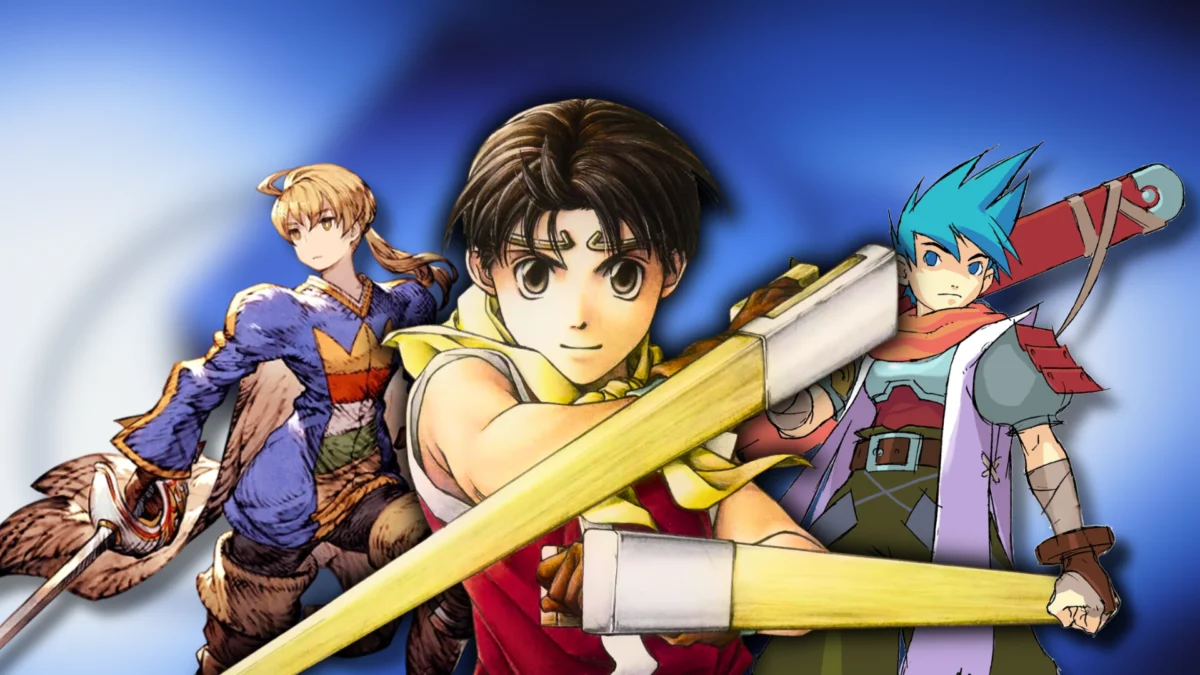
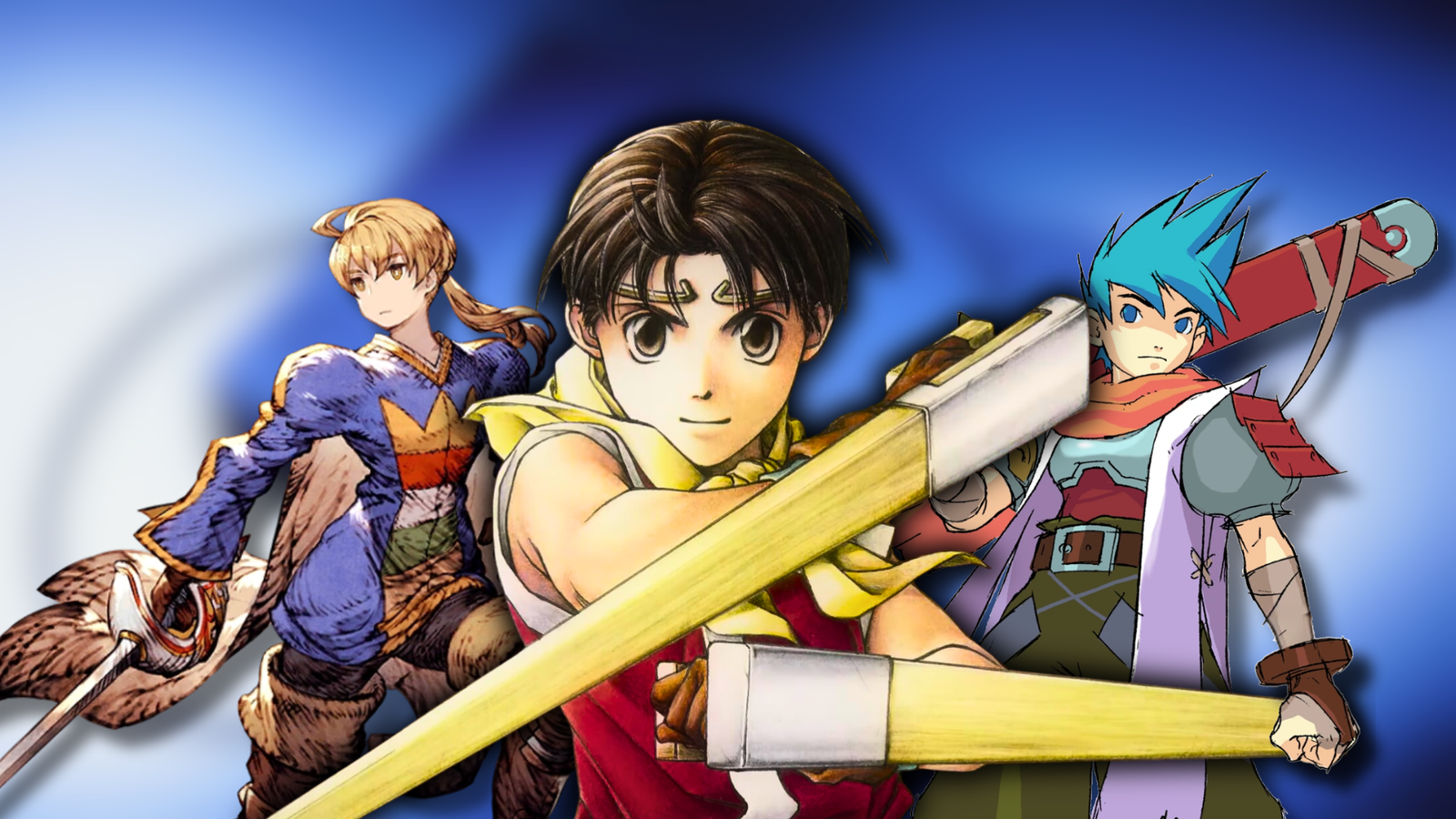
The PlayStation 1 stands as the undisputed "Golden Era" of the Japanese Role-Playing Game (JRPG). While the SNES laid the foundation with iconic titles that remain industry benchmarks, the leap to the PS1’s CD-ROM format allowed for unprecedented scale, cinematic storytelling, and experimental mechanics. It was a time when it felt impossible to navigate the console’s library without stumbling upon a masterpiece. For a generation of gamers, these titles were more than just entertainment; they were all-consuming obsessions that demanded hundreds of hours of dedication.
If you are looking to revisit these classics, be warned: these are not casual experiences. They are ten of the most deeply addictive JRPGs ever crafted, designed with intricate systems that ensure once you boot up your console, you won’t be looking at the clock for a very long time.
10. Legend of Legaia: Mastering the Arts
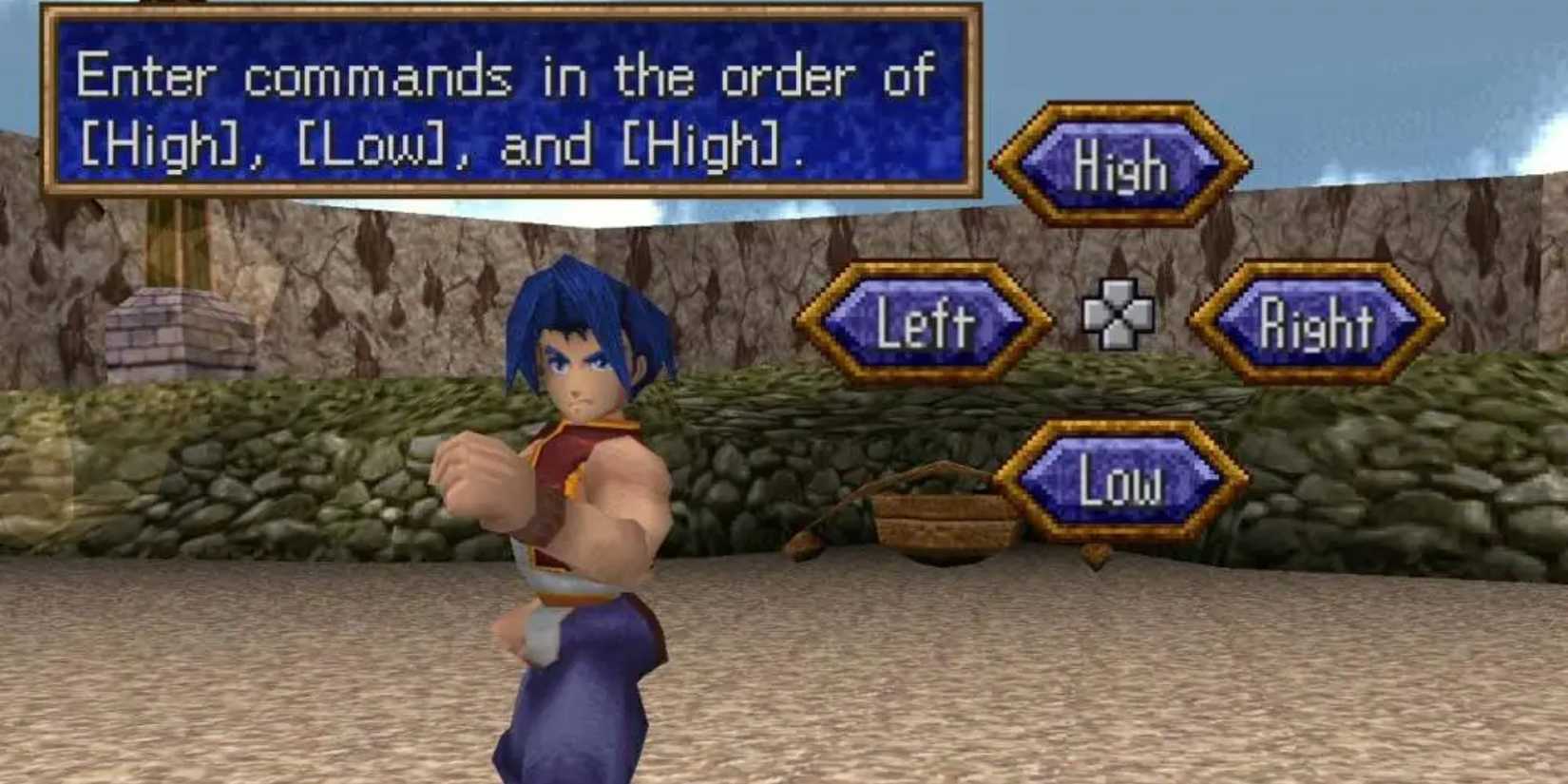
Released in late 1998, Legend of Legaia remains a cult classic for its tactical combat system. In an era dominated by static menu-based turn-taking, Legaia introduced the "Tactical Arts" system. Players inputted directional commands to execute physical attacks, and by experimenting with combinations, they could unlock devastating "Arts."
Back in the day, before the ubiquity of online guides, players kept physical notebooks to track successful combos. The process of testing new inputs, leveling up to unlock more command slots, and seeing a new, powerful move trigger was incredibly satisfying. It provided a core gameplay loop that turned random encounters into experimental labs, justifying the grind and keeping players glued to their CRTs for hours on end.
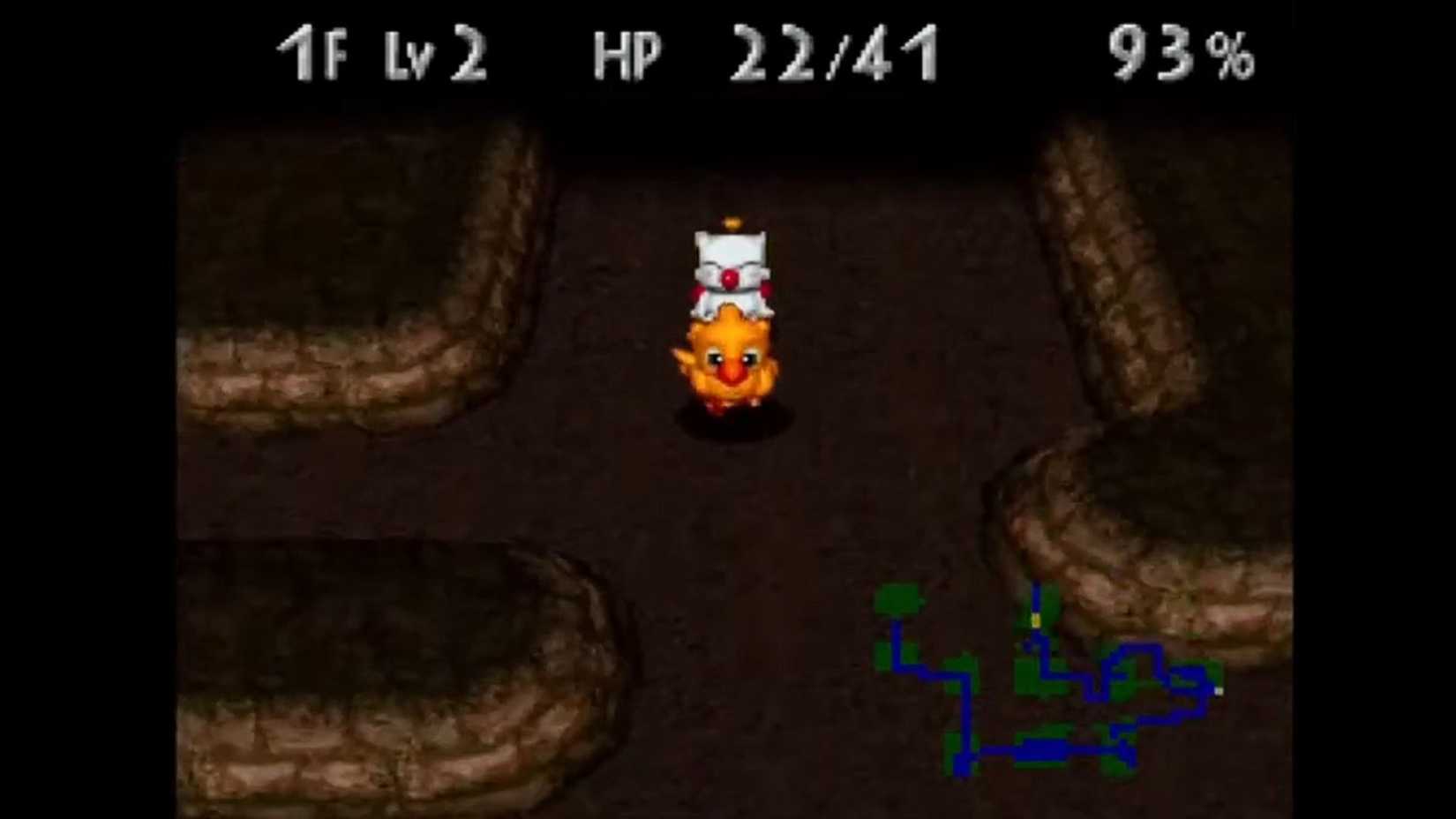
9. Chocobo’s Dungeon 2: Addictive by Nature
Chocobo’s Dungeon 2 is a masterclass in the "Mystery Dungeon" subgenre. As a roguelike, its addictive nature is baked into its DNA. Players navigate randomly generated, grid-based dungeons where every action—be it moving, attacking, or item usage—is simultaneous with enemy movement.
The game’s difficulty is unforgiving; death is frequent, and losing your progress is part of the experience. Yet, the "just one more run" mentality is inescapable. The inclusion of a co-op mode added a layer of chaotic fun, allowing friends to overcome seemingly impossible boss encounters through pure, often miraculous, synergy.
8. SaGa Frontier: For Non-Orthodox Players
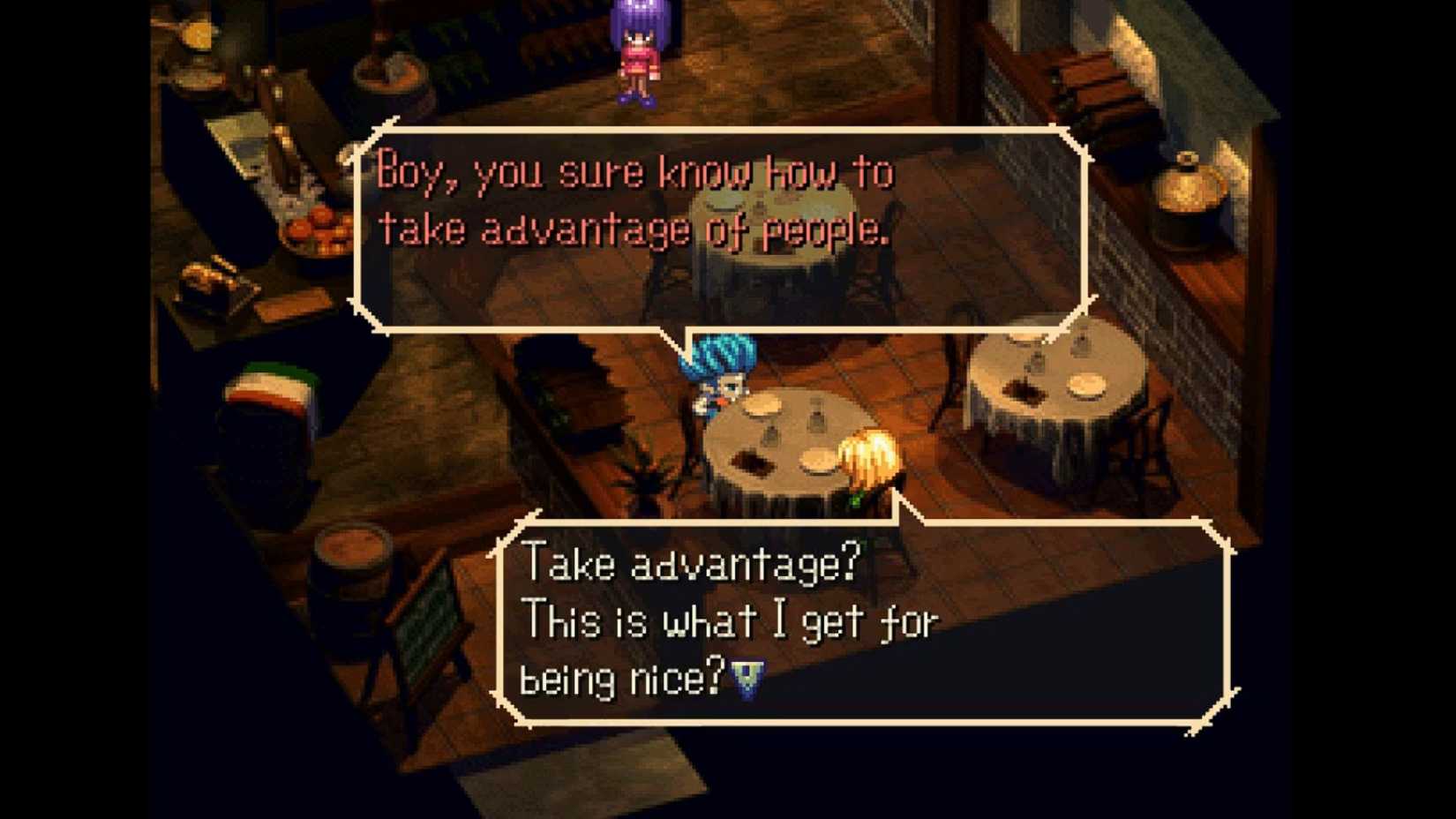
SaGa Frontier is not for the faint of heart. It actively rejects the standard JRPG tropes of its time, opting for a non-linear narrative and a progression system that thrives on slight RNG. With seven distinct protagonists, the game offers a massive variety of experiences, each with unique party members and side quests.
The beauty of SaGa Frontier lies in its freedom. If you dislike the standard "hero’s journey" structure, this title provides an experimental sandbox. The ability to develop characters in wild, non-traditional ways makes every playthrough feel like a new discovery, ensuring that once you finish one campaign, you’re already itching to start another.
7. Brigandine: The Legend of Forsena
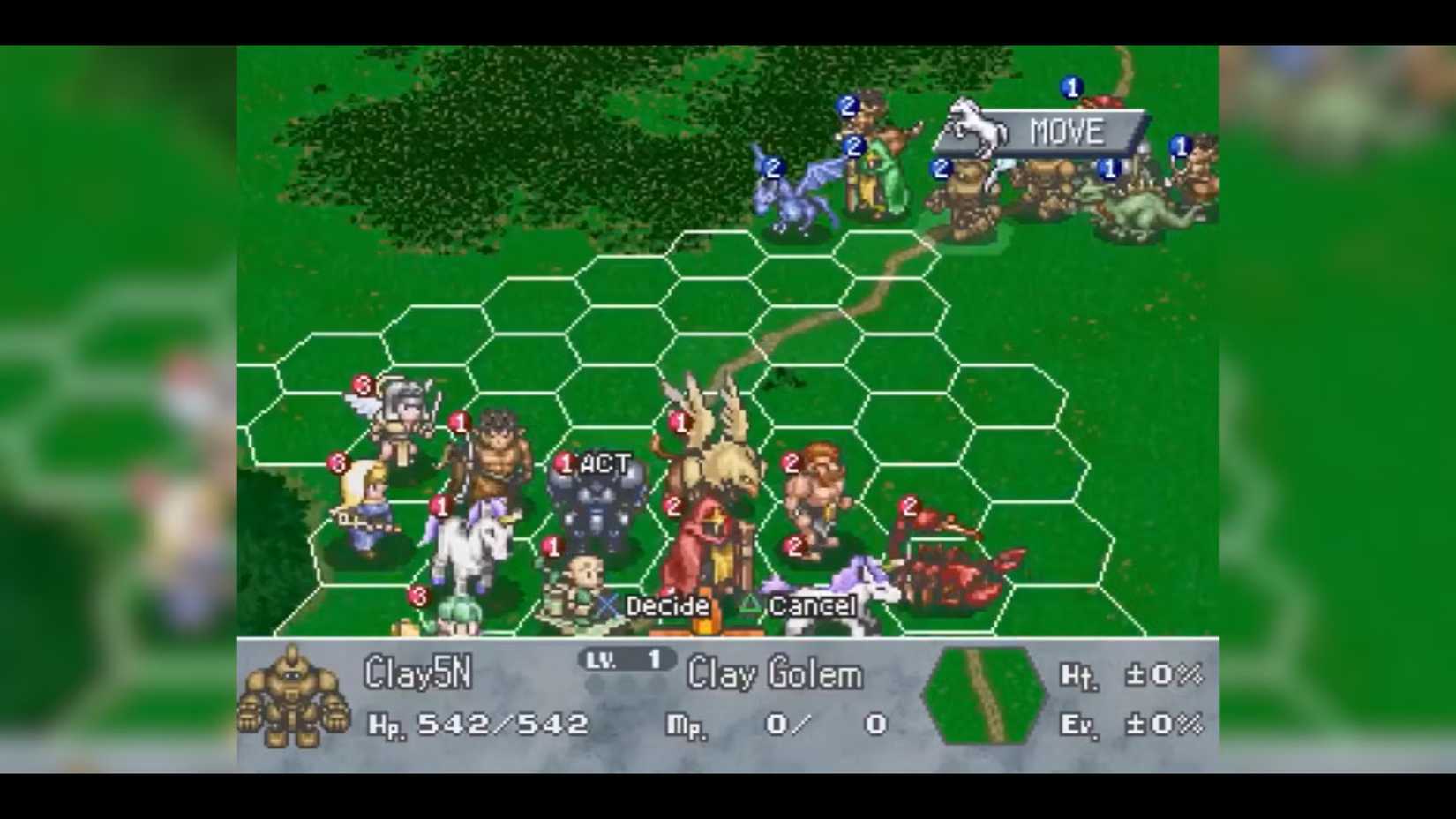
Initially perceived as a clunky strategy title, Brigandine reveals its true depth only after the player commits to its complex systems. This is a game of political maneuvering and monster management, where the player controls a faction leader in the land of Forsena.
The addictive loop involves recruiting knights, evolving unique monsters, and balancing the economy of war. The variety of strategies available—whether you prefer a powerhouse approach with a single elite squad or a spread-thin tactical defense—is entirely up to the player. It is a game that rewards patience, turning a rough-edged strategy title into a deeply rewarding experience over dozens of hours.
6. Front Mission 3: The Beauty of Customization
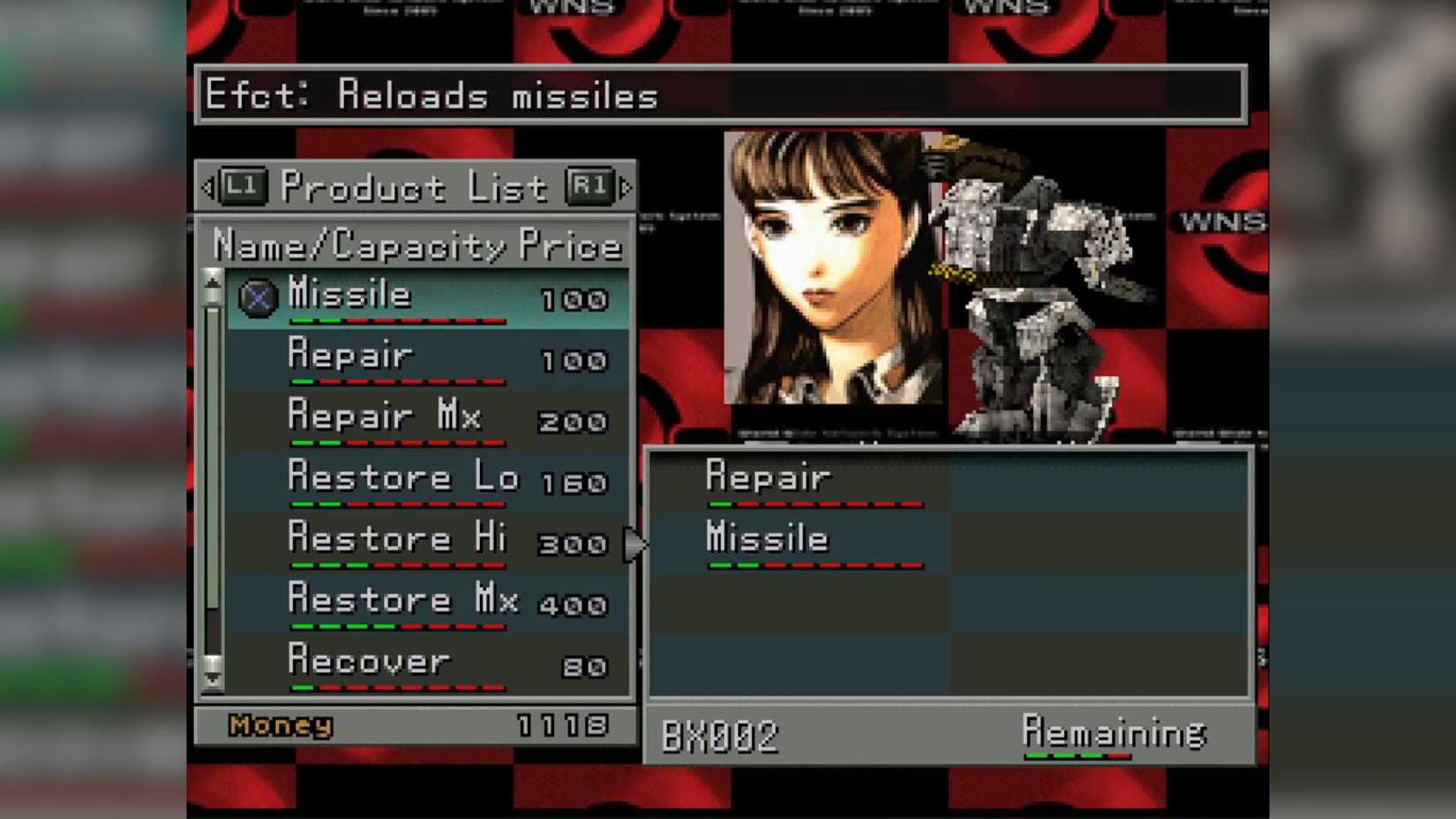
For fans of mecha and tactical strategy, Front Mission 3 is the pinnacle of the PS1 era. The game revolves around the customization of "Wanzers." The progression system is deeply satisfying: you dismantle enemy mechs part by part, earning new skills and parts throughout the fray.
The "Double Feature" scenario system—where a single early-game decision branches the narrative into two distinct paths—adds immense replayability. Customizing your squad for every specific mission, watching them learn skills mid-combat, and navigating the diverging story paths makes Front Mission 3 a titan of the genre that keeps players engaged well beyond the first credit roll.
5. Final Fantasy Tactics: Building Your Portfolio
Final Fantasy Tactics is legendary for its brutal difficulty spike. Many players bounced off the early chapters, but those who persevered discovered one of the most complex job systems in gaming history.
The grind here is legendary. Spending half an hour in a single battle just to accumulate Job Points (JP) to master a class is a rite of passage. The satisfaction of finally unlocking a high-tier job, then pairing it with the right secondary abilities, creates a sense of tactical mastery that few games have ever replicated. It is a game about building the perfect army, one battle at a time, and the pride of your final build is unmatched.
4. Legend of Mana: An Exuberant World
Legend of Mana thrives on its sheer density of systems. It is an Action-RPG where the world itself is constructed by the player using artifacts. Every region, village, and biome is placed on a world map by the player, creating a unique geography for every playthrough.
Beyond the world-building, the game offers a staggering array of side systems: blacksmithing, golem crafting, pet raising, and orchard management. The game never stops giving you new things to do, and the sense of discovery is constant. You are rarely doing the same thing for too long, which makes it an incredibly hard game to put down.
3. Breath of Fire III: The Faerie Caretaker
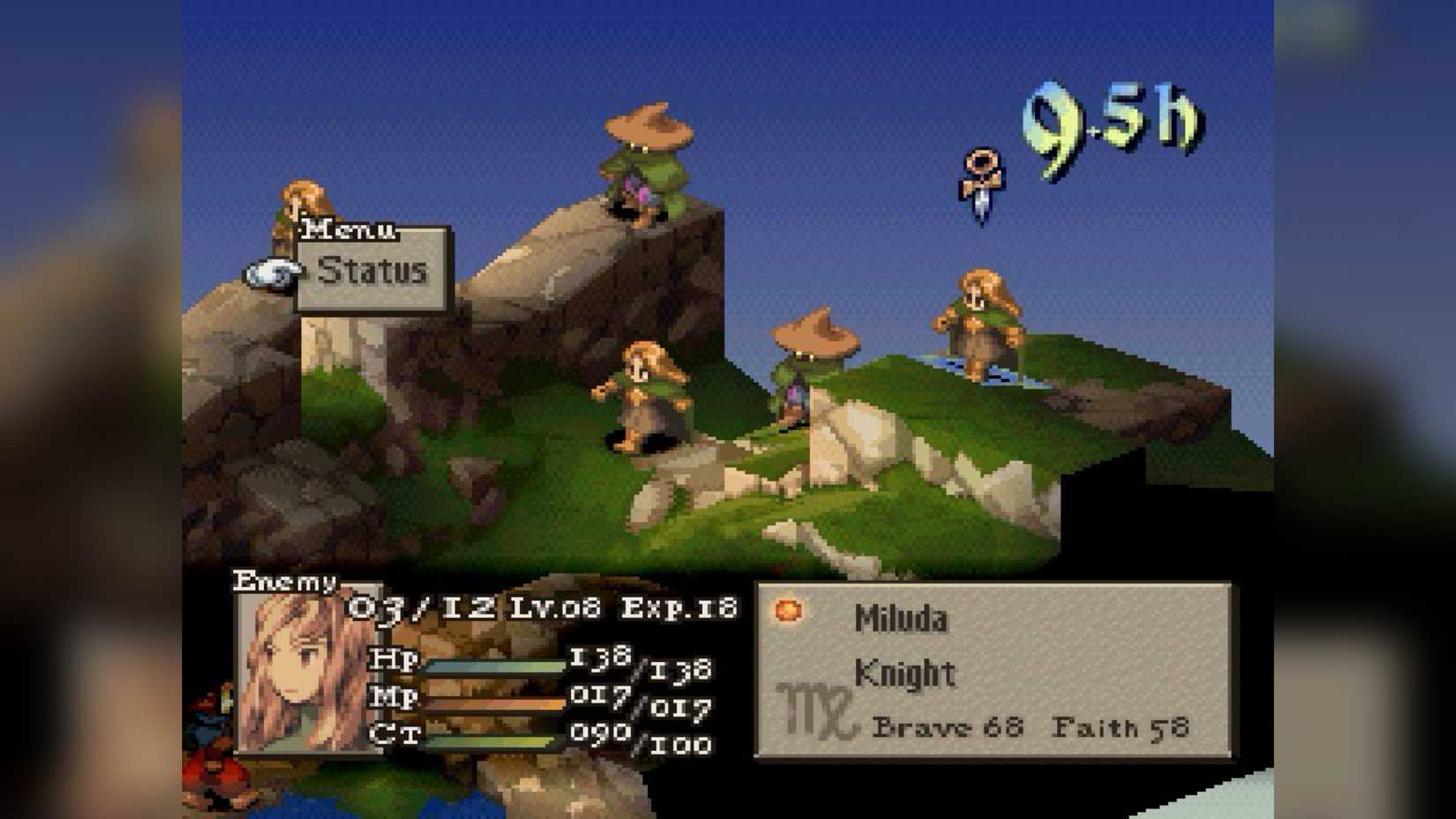
Breath of Fire III is often cited as a fan-favorite, but the "Faerie Village" management sim is what truly elevates its replayability. Capcom tied the growth of this mini-game directly to the main game’s progression, requiring players to actively fight and quest to see their village thrive.
Collecting Dragon Genes to evolve Ryu into different forms adds another layer of depth. The combination of a classic, heartfelt JRPG story with a surprisingly robust management simulation creates a dual-threat addiction. You aren’t just playing a hero; you are managing an entire civilization of faeries, and the rewards for doing so are too good to ignore.
2. Star Ocean: The Second Story: Crafting Perfection
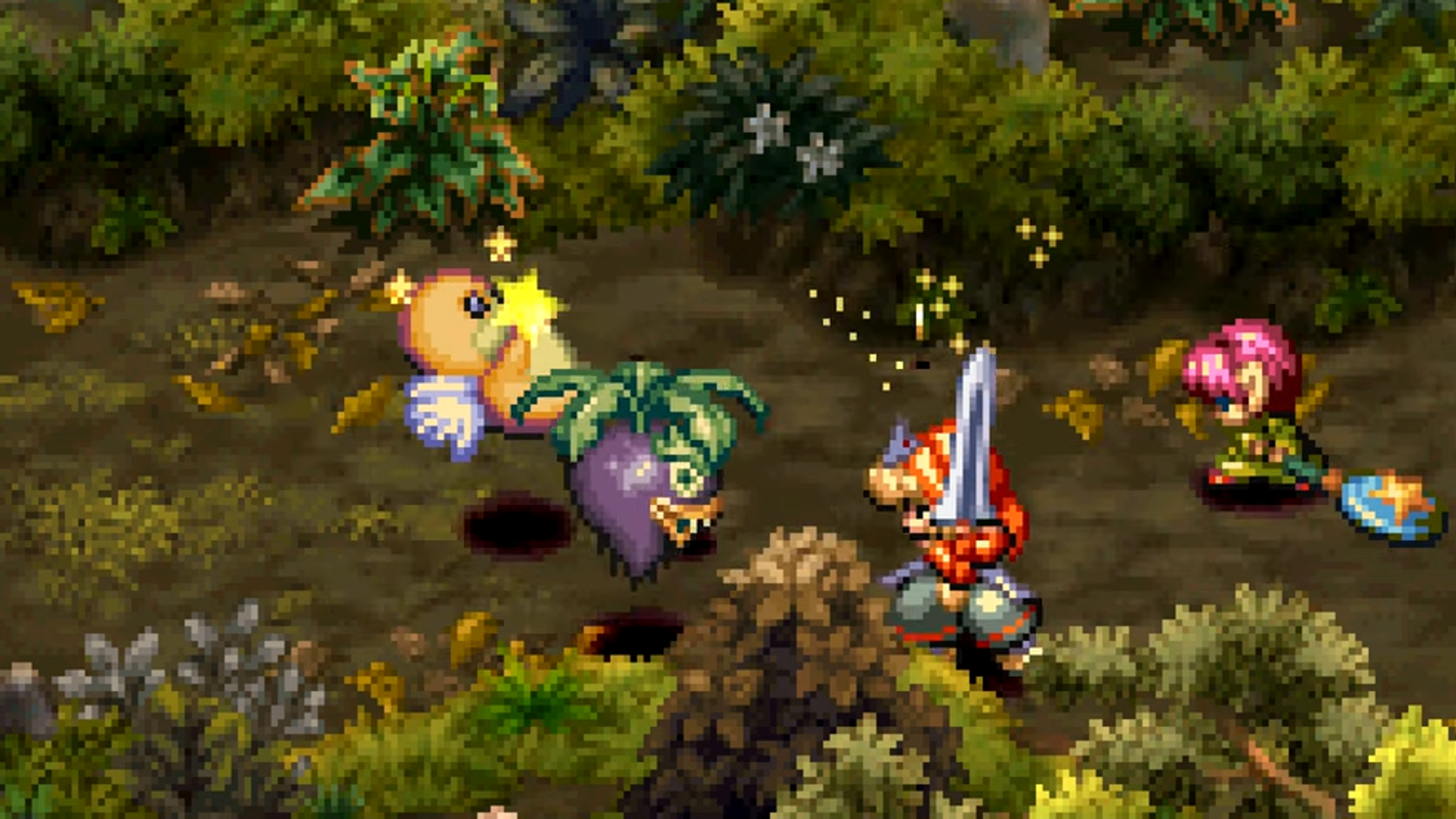
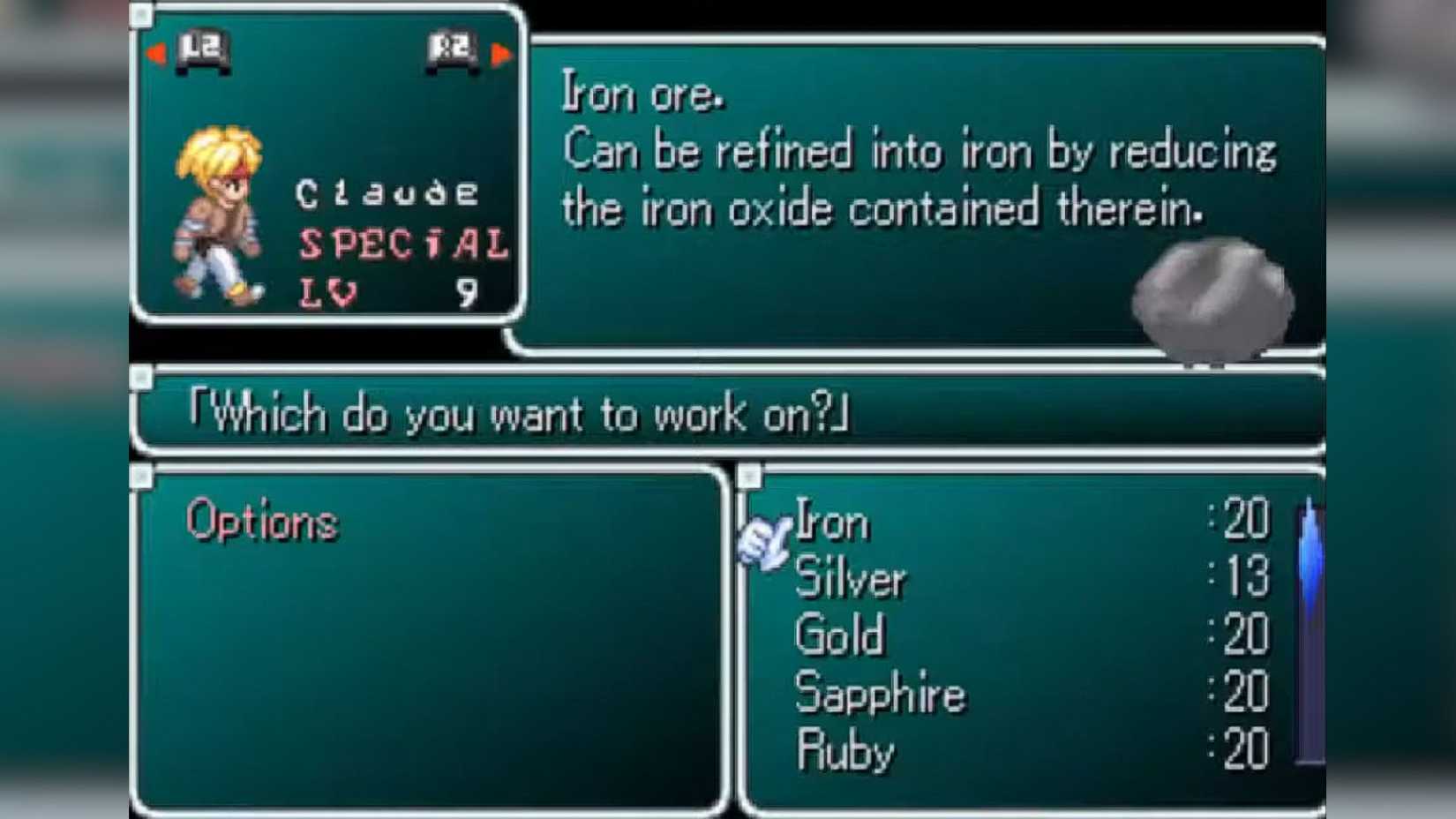
Crafting systems in JRPGs are often filler, but Star Ocean: The Second Story makes crafting the centerpiece. The "Item Creation" system is so well-designed that players can feasibly craft game-breaking equipment in the opening hours if they know what they are doing.
The addiction stems from the "what if" factor. Once you start tinkering with ingredients and skills, you realize the potential for power is limitless. It encourages experimentation, save-scumming, and obsessive data collection. It is a system that respects the player’s intelligence and rewards them with overwhelming power, making it one of the most satisfying crafting loops in the entire history of the medium.
1. Suikoden II: Evolving an Army
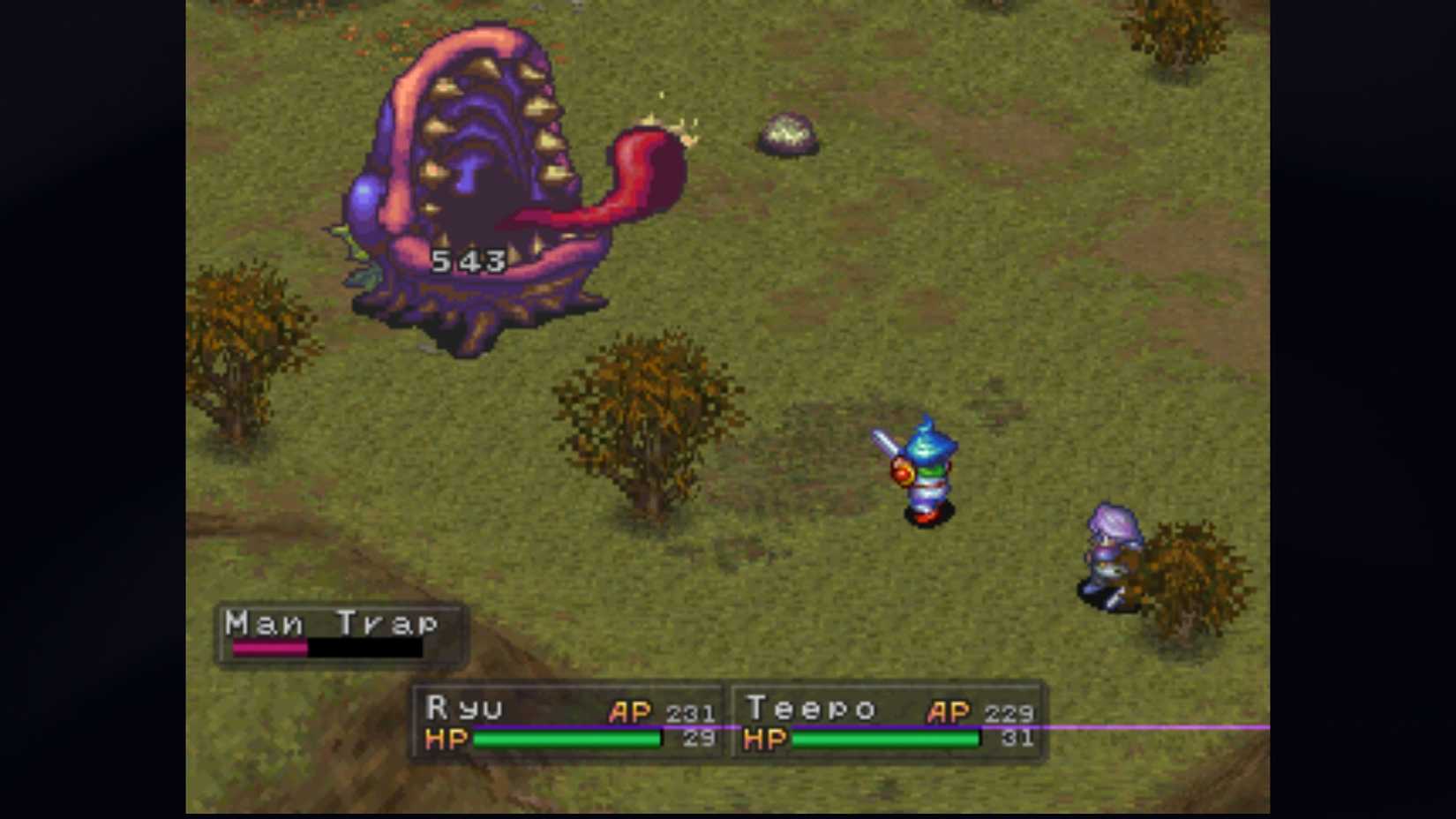
At the top of the list is Suikoden II. The appeal is simple: the recruitment of 108 characters. While the story of political intrigue and personal betrayal is top-tier, the true "addiction" is the management of your massive roster.
The game’s progression system is brilliant; it uses a "rubber-band" leveling mechanic that allows low-level characters to catch up to the party quickly, which encourages the player to constantly swap their roster. You aren’t just leveling one hero; you are building an entire military force. The urge to find all 108 recruits, level them, and see them all interact within your headquarters creates a massive, time-sink experience that remains the gold standard for JRPG completionism.
Implications and The Need for Modern Accessibility
The PS1 JRPG library remains one of the most significant cultural achievements in video game history. However, many of these titles are currently facing an accessibility crisis. While some, like Star Ocean and Front Mission, have received modern remakes or ports, many others remain trapped on aging hardware.
The implications for game preservation are clear: these games were not merely designed to be played; they were designed to be studied, mastered, and lived in. The "addictive" nature of these titles is a testament to the design philosophies of the late 90s—philosophies that prioritized deep, rewarding systems over quick-fix engagement. As we look toward the future of the genre, the lessons learned from these ten titles—specifically the value of meaningful progression and systems-driven gameplay—remain more relevant than ever. For the preservation of gaming history, these masterpieces deserve to be more than just memories; they deserve to be accessible to a new generation of players.









No comments yet. Be the first to join the conversation!