Suro Senen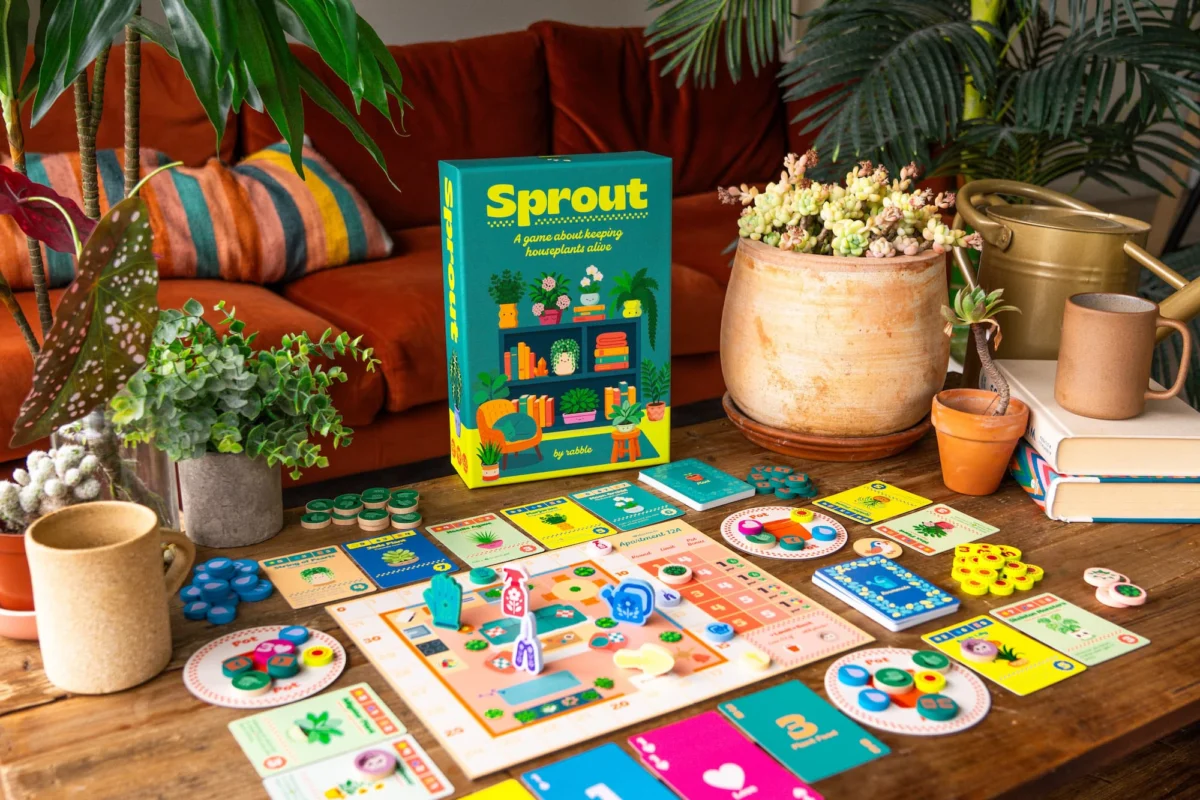
In the ever-expanding world of tabletop gaming, the "cozy game" aesthetic has become a dominant force, bridging the gap between casual hobbyists and dedicated strategists. Rabble Games, the innovative studio behind several burgeoning tabletop projects, has officially unveiled their latest Sprout. A strategic board game centered on the high-stakes, high-reward world of indoor gardening, Sprout promises to turn the living room into a lush, competitive conservatory. With a Kickstarter campaign slated for late June, the game is already generating buzz for its clever fusion of push-your-luck tension and deep tableau-building mechanics.
The Core Concept: Gardening as a High-Stakes Strategy
At its heart, Sprout tasks two to five players with the delicate, often stressful responsibility of building and maintaining a thriving collection of houseplants. While the premise may sound relaxing—reminiscent of the popular "plant parent" trend—the gameplay is anything but passive. Players must balance the acquisition of nutrients with the structural integrity of their botanical collection, all while managing a limited supply of resources.
Designed for ages 10 and up, Sprout is engineered for accessibility, yet it offers a layer of tactical depth that will satisfy seasoned board gamers. With a playtime ranging from 45 to 75 minutes, it fits comfortably into the "medium-weight" category, providing enough time for satisfying engine building without overstaying its welcome.
Chronology of Gameplay: The Five-Round Harvest
The mechanical heartbeat of Sprout is divided into two distinct phases, played out over a total of five rounds. This structure creates a rhythmic tension that dictates the flow of the game.

The Nutrient Phase: The Art of the Gamble
The opening phase, known as the "Nutrient Phase," serves as the game’s primary engine for resource management. Players must reveal cards to acquire the nutrients necessary to keep their plants alive and growing. Here, the game introduces a classic "push-your-luck" mechanic: the more cards a player draws, the more nutrients they can potentially secure for their pots. However, greed is a dangerous thing. If a player accumulates too much of a specific nutrient type, they "bust." A bust is catastrophic, forcing the player to prune their collection and discard established plants, effectively setting back their progress and potentially losing valuable victory points.
The Sprout Phase: Strategic Expansion
Once the nutrients are secured, the game moves into the "Sprout Phase." In this segment, players spend their carefully gathered resources to grow new plants and trigger special abilities. The brilliance of this phase lies in the variety offered by the game’s deck. Rabble Games has confirmed that the final retail version of Sprout will feature over 100 unique plant cards. Each plant provides not only static victory points but also specialized effects—some offering immediate bonuses, others providing ongoing, passive benefits that can drastically alter the trajectory of a player’s strategy.
Supporting Data: The Anatomy of a Botanical Engine
The longevity of Sprout appears to be tied to its massive card pool. With over 100 plant types, the variability between sessions is significant. Players will need to experiment with different combinations to find the synergies that lead to high-scoring collections.
Furthermore, the game introduces a social layer through "Roommate Cards." These cards serve as a semi-cooperative element within an otherwise competitive environment. By playing a Roommate Card, a user gains a personal benefit, but the card simultaneously provides a secondary advantage to other players at the table. This design choice is a clever psychological nudge, encouraging "table talk" and negotiation, ensuring that the game remains interactive rather than a purely isolated "multiplayer solitaire" experience.

The Aesthetic and Production Quality
The visual identity of Sprout is entirely the work of Rabble Games co-founder Jake. His illustrations define the game’s charming, vibrant, and welcoming art style. From the detailed renderings of exotic ferns to the cozy, relatable aesthetic of the box art, the visual design aims to capture the joy of urban gardening.
The upcoming Kickstarter campaign is expected to lean heavily into premium production values. Early announcements indicate that backers will have access to upgraded component options, including custom-crafted wooden nutrient tokens and unique player markers. These tactile elements are designed to enhance the immersion of the gardening experience, transforming a collection of cardboard into a tangible, satisfying display of growth.
Official Stance and Future Development
While the core game is focused on the multiplayer experience, Rabble Games has confirmed that a dedicated solo mode is currently in active development. This is a crucial inclusion in the modern tabletop market, where many hobbyists seek games that can be enjoyed in solitude without sacrificing the strategic depth of the multiplayer version. While the studio has kept the specific mechanics of the solo mode under wraps, they have signaled that more information will be released as the Kickstarter launch approaches.
Implications for the Tabletop Market
The announcement of Sprout reflects a broader trend in the industry: the rise of "cozy" themes paired with "crunchy" mechanics. Following in the footsteps of successful titles that celebrate nature, gardening, and peaceful environments, Sprout seeks to prove that strategy games do not need to rely on themes of warfare or economic conquest to be compelling.

Why Sprout Could Be a Breakout Hit:
- Low Barrier to Entry: The theme is universally relatable, making it an excellent "gateway game" for those looking to introduce friends and family to hobbyist board games.
- High Replayability: The combination of 100+ plant cards and varying "Roommate" interactions ensures that no two gardens will ever be exactly alike.
- Risk vs. Reward Balance: The push-your-luck mechanic in the Nutrient Phase provides a visceral, high-stakes experience that keeps players engaged even when it is not their turn.
- Community-Driven Design: By utilizing semi-cooperative cards, the game prevents the "heads-down" gameplay that often plagues tableau-builders, fostering a more lively social atmosphere.
Conclusion: Preparing for the June Kickstarter
As the gaming community prepares for the late June launch on Kickstarter, the anticipation for Sprout continues to climb. Rabble Games has positioned the title as a thoughtful, engaging, and aesthetically pleasing entry into the tabletop landscape.
Whether you are a seasoned gamer looking for your next engine-building challenge or a casual enthusiast attracted by the botanical theme, Sprout appears to offer a well-tended garden of possibilities. By blending the thrill of a risky gamble with the satisfaction of building a flourishing collection, the game is poised to take root as a staple in the collections of players everywhere.
For those interested in following the progress of the campaign, it is recommended to keep a close eye on the Rabble Games social channels. As the official launch date approaches, the studio is expected to unveil further details regarding the solo mode, final component tiers, and perhaps even a look at some of the rarest plants that will populate the game’s diverse deck. The world of tabletop gaming is about to get a little greener, and if Sprout delivers on its promise, it will be a season of growth that gamers won’t want to miss.


 Sagoh
Sagoh
 Ammar Sabilarrohman