Suro Senen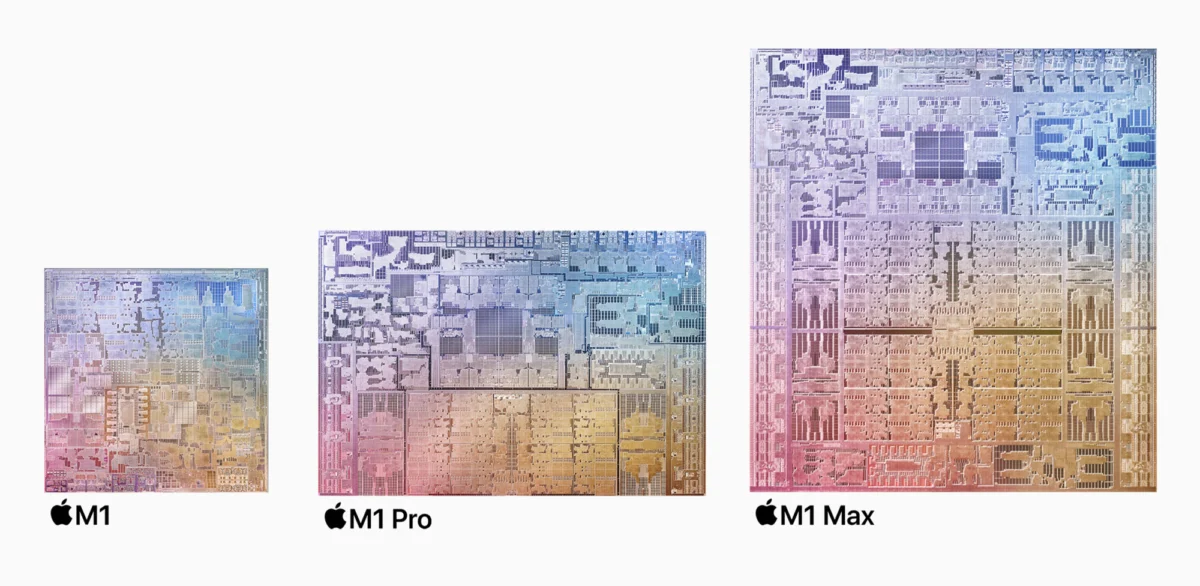
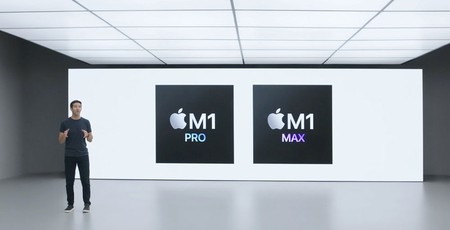
In a seismic shift for the computing industry, Apple took the stage at its "Unleashed" event in Cupertino this Monday to redefine the boundaries of mobile performance. The company introduced its latest architectural marvels: the M1 Pro and M1 Max. These System-on-Chips (SoCs), built on an advanced 5nm process, represent the most significant leap in Apple’s transition away from Intel processors, offering a glimpse into a future where power-sipping efficiency and workstation-grade performance are no longer mutually exclusive.
Main Facts: The New Architecture of Power
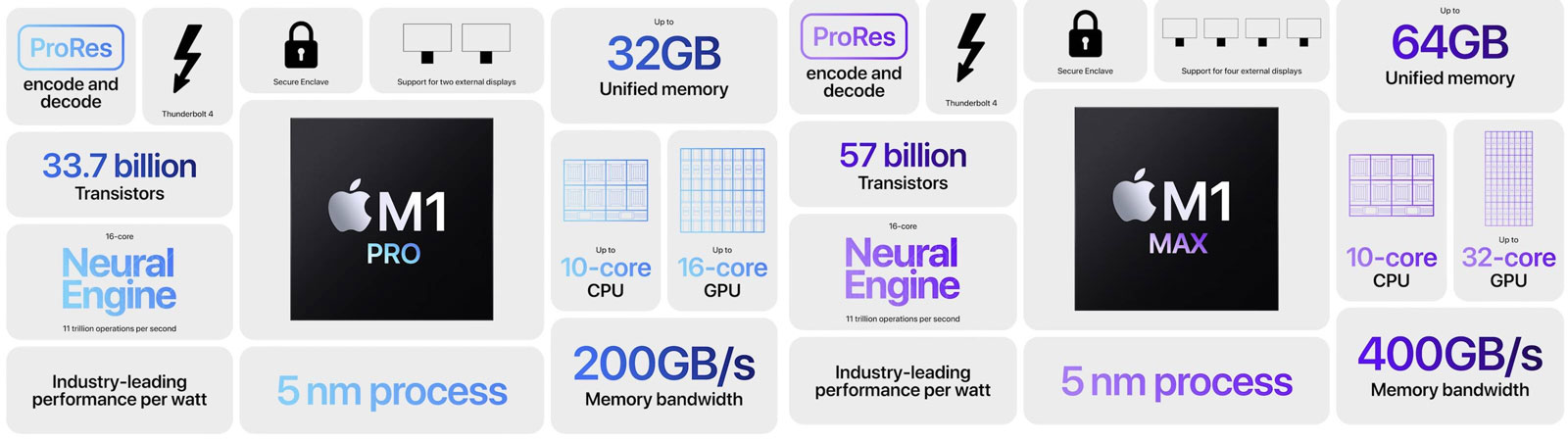
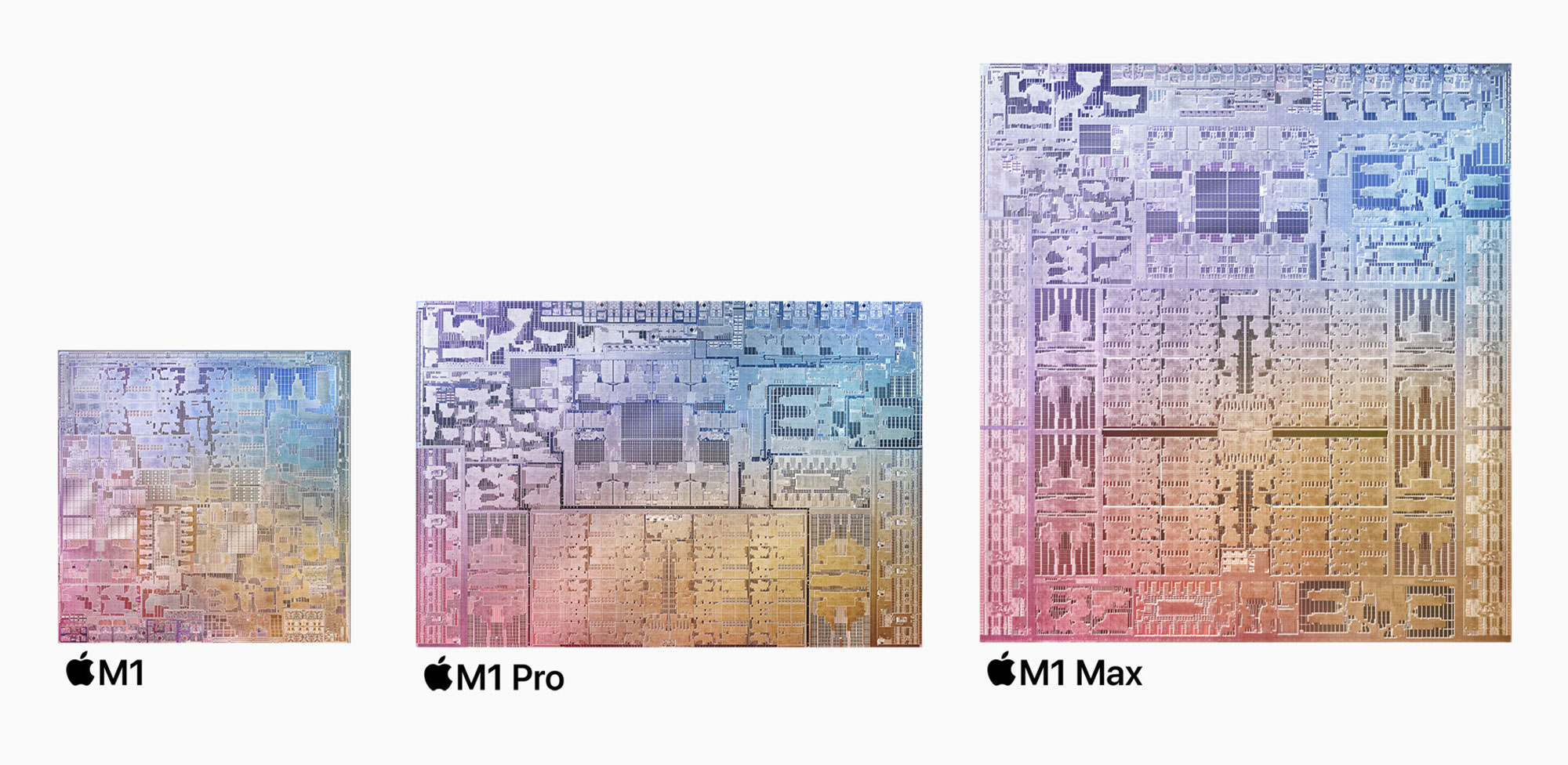
The M1 Pro and M1 Max are not merely incremental upgrades; they are structural departures from standard consumer silicon. The M1 Pro features up to 33.7 billion transistors, while the M1 Max dwarfs its sibling with a staggering 57 billion. Both chips utilize a high-performance architecture configured with an 8P+2E (eight performance cores and two efficiency cores) CPU layout, paired with a robust 16-core Neural Engine designed to accelerate machine learning workflows.
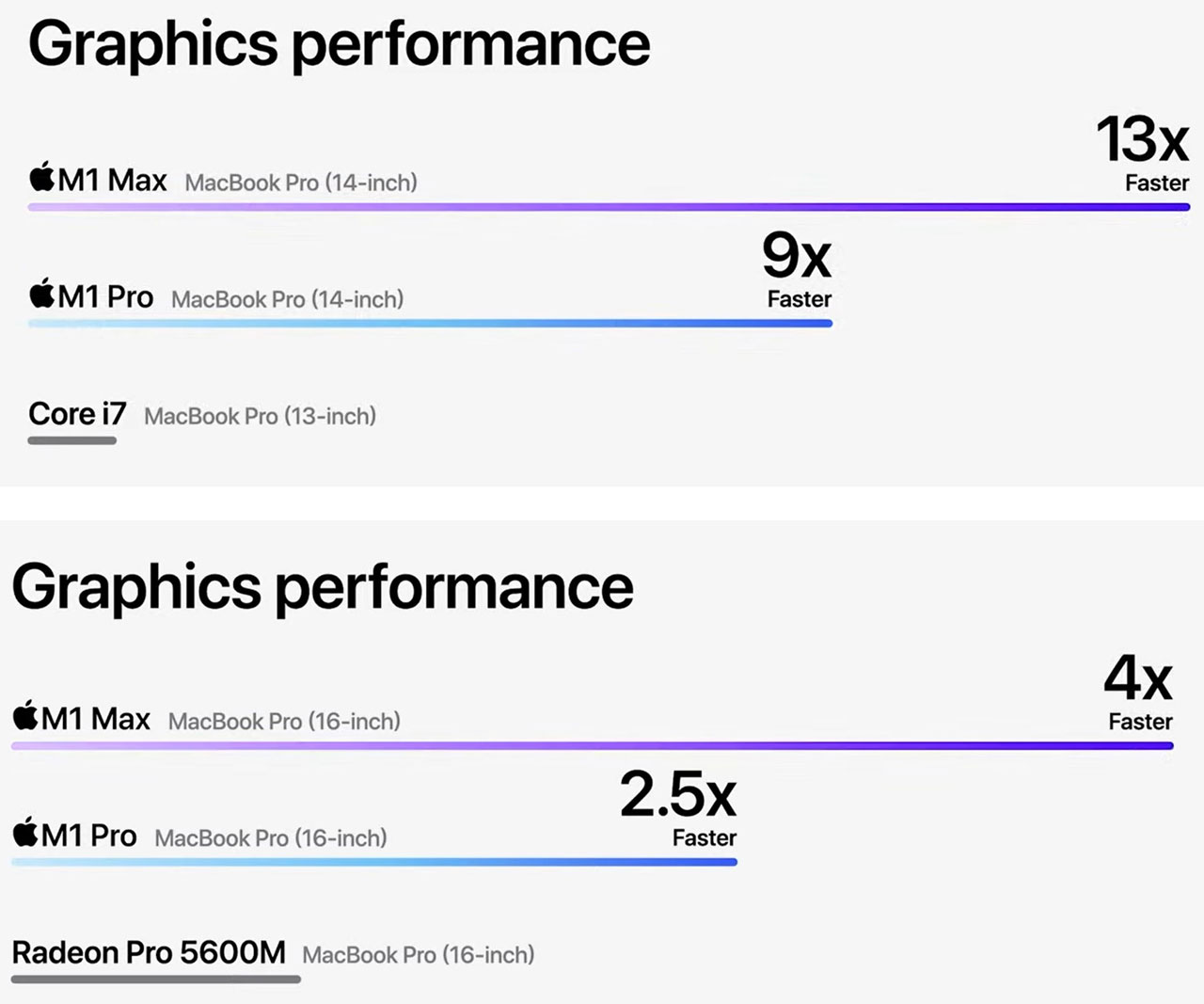
The GPU capabilities are perhaps the most eye-catching aspect of the reveal. The M1 Pro offers between 14 and 16 GPU cores, while the M1 Max scales up to 32 cores, offering, by Apple’s metrics, up to four times the graphics performance of the original M1. These chips also introduce unified memory architectures ranging from 16GB to 64GB, effectively removing the bottlenecks associated with traditional discrete memory bus constraints.
These processors will make their debut in the revamped MacBook Pro 14 and MacBook Pro 16 models, marking the fifth generation of the iconic professional laptop line. With these machines, Apple claims to have reached a pinnacle of performance, promising up to 70 percent faster CPU speeds than the original M1, fundamentally altering the performance-per-watt equation in the laptop space.
Chronology: The Road to Cupertino
The journey to Monday’s announcement began in June 2020 at the Worldwide Developers Conference (WWDC), where Apple first announced its two-year plan to transition the Mac lineup from Intel’s x86 architecture to its own custom Apple Silicon.
- November 2020: Apple released the original M1 chip, debuting in the MacBook Air, 13-inch MacBook Pro, and Mac mini. The industry was stunned by the chip’s ability to outperform higher-TDP Intel chips while maintaining exceptional battery life.
- April 2021: Apple introduced the M1-powered 24-inch iMac, proving that the architecture was scalable to all-in-one desktop environments.
- October 2021 (The "Unleashed" Event): Apple officially took the wraps off the "Pro" and "Max" variants. This marked the halfway point of the two-year transition, signaling that the company had moved beyond the "entry-level" phase of its chip production and was ready to challenge high-end workstation PCs.
The transition, which once seemed like a risky gamble, has now gained significant momentum. By moving from a general-purpose processor provider to a vertically integrated hardware-software ecosystem, Apple has successfully captured the narrative of the computing industry.
Supporting Data: Performance Metrics and Efficiency
Apple’s presentation was heavily laden with performance graphs, aiming to illustrate the divide between the M1 Max and its predecessors—and, notably, the competition.
CPU and GPU Scaling
Apple claims the M1 Pro and M1 Max offer a massive leap in multi-threaded performance. The transition to a larger performance-core count allows for significant overhead in creative applications. In terms of GPU performance, the charts showcased during the event pitted the new chips against both integrated graphics solutions and mobile discrete GPUs like the AMD Radeon RX 5600M. The results, as presented by Apple, show a dramatic performance delta, with the M1 Max achieving superior frame rates and rendering speeds while utilizing a fraction of the power traditionally consumed by dedicated mobile GPUs.
Memory Bandwidth and Media Engines
A critical, often overlooked aspect of the M1 Pro/Max architecture is the memory bandwidth. Apple boasts up to 400GB/s of memory bandwidth for the M1 Max—nearly six times that of the original M1. This bandwidth is crucial for large-scale video editing and 3D modeling.
Furthermore, Apple has integrated dedicated ProRes accelerators directly into the chip’s media engine. This hardware-level optimization allows editors to work with multiple streams of 8K ProRes video simultaneously without a stutter. Apple’s internal testing indicates that the M1 Max can transcode ProRes video in Compressor up to 10 times faster than the previous generation of Intel-based 16-inch MacBook Pros.
The Power Efficiency Paradox
Perhaps the most impressive metric is the "industry-leading power efficiency." Apple states that the MacBook Pro 16 can achieve up to 21 hours of continuous video playback on a single charge. This figure challenges the long-standing industry assumption that performance requires a tether to a power outlet. By keeping the thermal footprint low, Apple ensures that the performance of the machine remains consistent whether the user is plugged in or running on battery power.
Official Responses: The Vision of Johny Srouji
Johny Srouji, Apple’s Senior Vice President of Hardware Technologies, framed the launch as a testament to the company’s engineering philosophy. "We set out to create the world’s best pro notebook, and today we’re introducing the MacBook Pro with M1 Pro and M1 Max—a massive leap forward," Srouji stated during the event.
He emphasized that the "massive gains" in CPU and GPU throughput, combined with the new media engine, were designed specifically to eliminate the friction that professional creatives face. Srouji noted that by tailoring the hardware to the specific needs of software like Final Cut Pro, Logic Pro, and professional rendering suites, Apple has effectively "democratized" high-end computing power, making it portable and accessible.
Implications: A Shifting Industry Landscape
The release of the M1 Pro and M1 Max has profound implications for both consumers and competitors.
The End of the x86 Hegemony?
For years, the professional laptop market was dominated by Intel and NVIDIA. With the M1 Max, Apple has shown that it can compete directly with the highest-end components available from these giants without relying on their silicon. This puts significant pressure on the PC ecosystem to innovate, particularly in the realm of power efficiency. If Apple can maintain this pace of development, the industry may see a shift toward ARM-based architectures in high-performance computing, something previously thought to be impossible.
The Creative Workflow
For videographers, photographers, and developers, the M1 Pro/Max represents a workflow revolution. The ability to carry a machine capable of real-time 8K editing in a backpack is no longer a futuristic promise; it is a reality. The inclusion of hardware-level ProRes acceleration suggests that Apple is doubling down on its commitment to the "pro" user base, a demographic that felt somewhat neglected during the "butterfly keyboard" era of the MacBook Pro.
Waiting for Real-World Validation
While Apple’s internal data is compelling, the tech community remains cautious. Professional journalists and enthusiasts are awaiting third-party, real-world benchmarks to see how these chips handle sustained thermal loads and complex gaming environments. While Apple is not typically focused on the gaming market, the GPU power of the M1 Max suggests it could bridge the gap for cross-platform gaming, provided developers optimize for the Apple Silicon architecture.
Conclusion
The launch of the M1 Pro and M1 Max marks a pivotal chapter in the history of personal computing. By successfully migrating its most demanding hardware to its own silicon, Apple has moved from a vendor that relies on third-party chips to a company that dictates its own hardware roadmap.
As the first units reach end-users, the focus will shift from marketing charts to actual day-to-day utility. If the early excitement is any indicator, the fifth-generation MacBook Pros—powered by the most sophisticated chips Apple has ever built—are poised to set the standard for high-end mobile computing for years to come. The "Unleashed" event was not just a product launch; it was a demonstration of a vision where performance and efficiency are no longer opposing forces, but rather, the new foundation of the modern professional workstation.


 Layla Zulfa
 Nana Muazin