Sagoh
Sagoh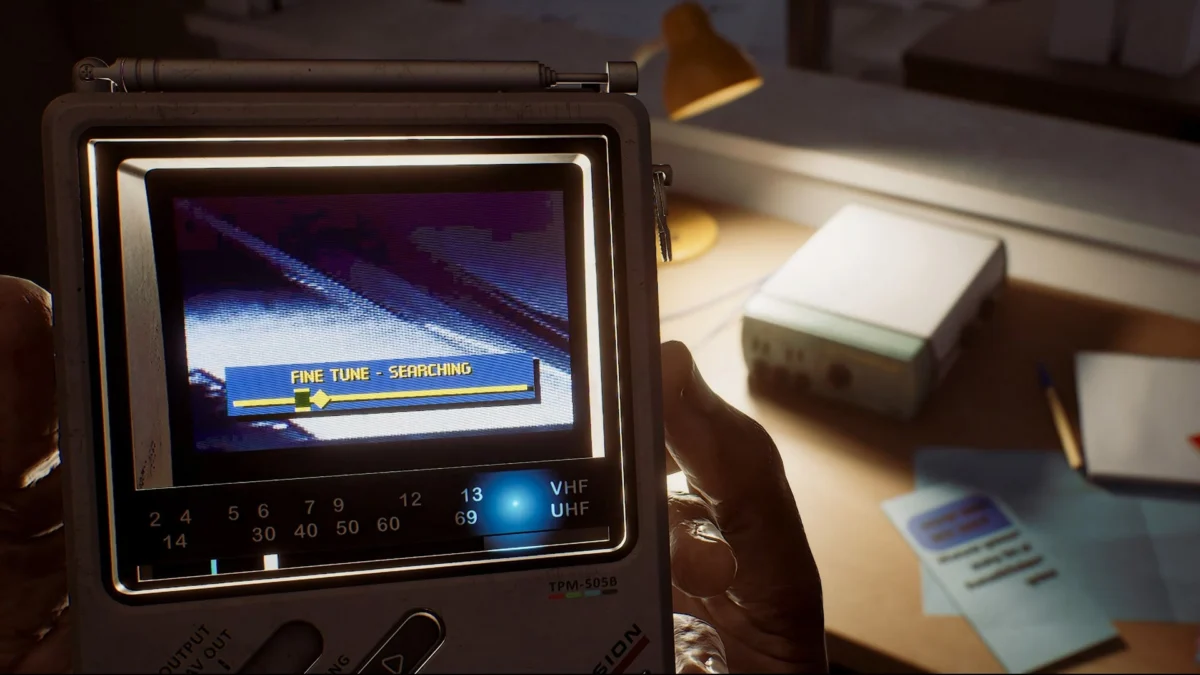
The long-dormant fog of Silent Hill is finally lifting, revealing a landscape that many long-time fans once thought would remain lost to time. Konami, in a strategic move to reclaim the mantle of survival horror, has officially announced that Silent Hill: Townfall—the highly anticipated, indie-led entry in the resurrected franchise—will arrive on September 24. This release date not only provides a concrete target for eager fans but also signals the beginning of what appears to be a new annual tradition for the publisher: "Silent Hill Season."
The Genesis of a New Nightmare: Chronology and Context
The journey to Townfall has been as complex as the series’ own fractured narratives. When Konami first signaled the revival of the Silent Hill brand, the industry reaction was a mixture of skepticism and cautious optimism. Having spent years in a state of corporate hibernation, the franchise was viewed by many as a relic of the early 2000s, defined by the psychological trauma of the original quartet of games.
The announcement of a Silent Hill 2 remake by Bloober Team initially polarized the community, reigniting debates about the sanctity of classic titles. However, the subsequent release of Silent Hill f—which garnered critical acclaim for its innovative, folk-horror aesthetic—successfully pivoted the conversation. It proved that the brand could still deliver high-quality, terrifying experiences that resonated with a modern audience.
Townfall, a collaboration between Konami, Annapurna Interactive, and the Scottish studio No Code (best known for Stories Untold and Observation), represents the third pillar of this revival. Since its initial tease, the title has been shrouded in mystery, characterized by a cryptic, "Scottish" sensibility that differentiates it from the more traditional Japanese-developed entries. With the release date now set for September 24, we are witnessing the culmination of years of development, positioning Townfall as the next major test for the series’ cultural relevance.
Decoding the Static: Gameplay and Mechanics
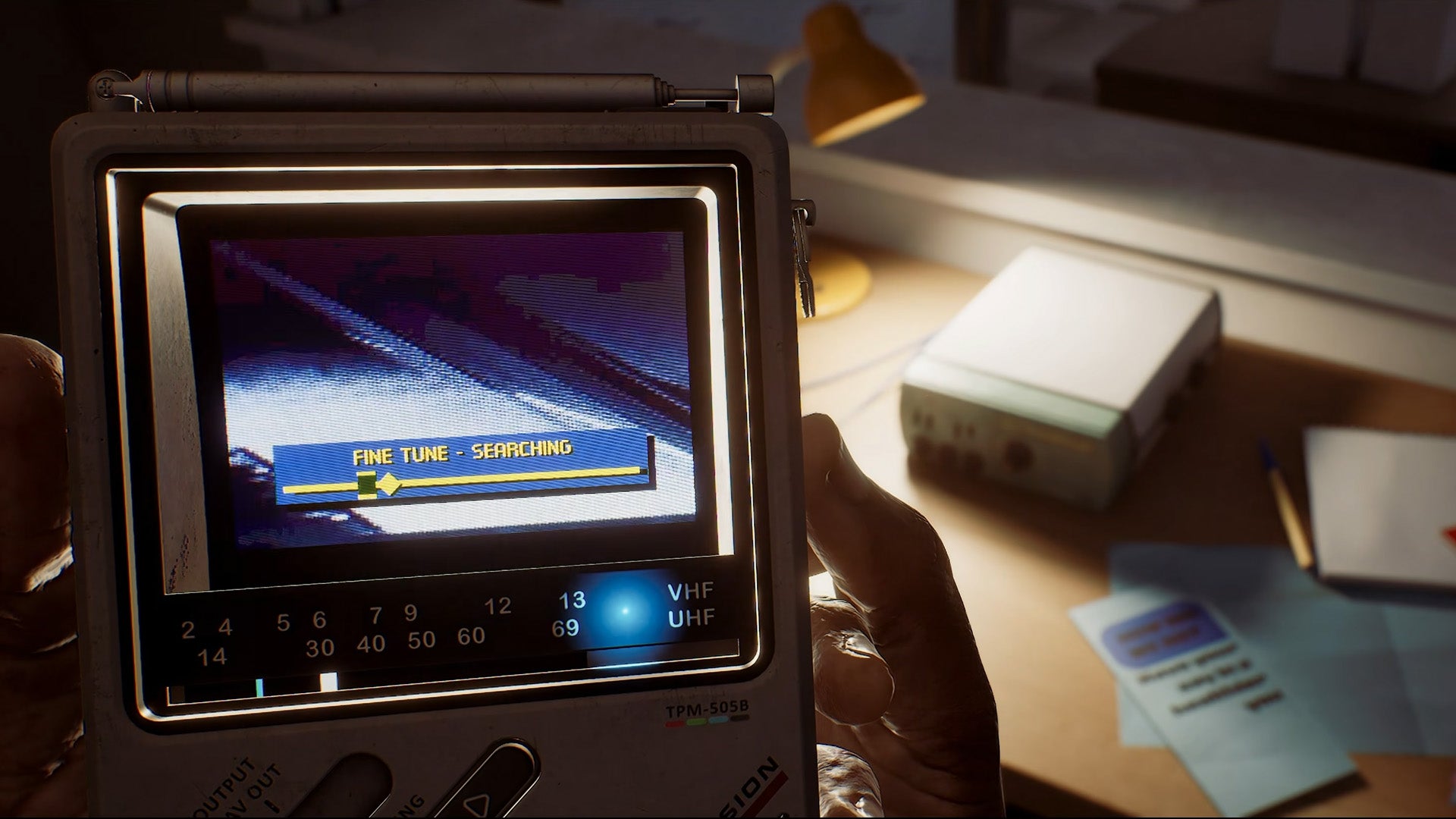
The latest promotional footage released by the developers offers the clearest glimpse yet into the core gameplay loop of Townfall. At the heart of the experience lies a peculiar, portable television set—a central narrative and mechanical device that serves as the player’s primary interface with the game’s reality.
The Role of the Portable TV
Unlike the radio in previous Silent Hill entries, which served as an auditory warning system for approaching threats, the portable TV appears to function as a navigational and investigative tool. Players must actively tune and calibrate the device to receive signals. In the gameplay snippets provided, the TV displays footage of specific architectural landmarks or locations within the town, effectively serving as a cryptic "breadcrumb" system that guides the player toward their next objective.
The tagline, "Fear the truth behind the static," suggests that this device is not merely a tool for progress, but a source of psychological instability. If the television is, in fact, a portal into the past or a manifestation of the protagonist’s fractured psyche, it implies that the information provided may be unreliable—or worse, actively deceptive. The need to "attune" the device suggests a layer of environmental puzzle-solving that rewards players for being observant of their surroundings.
Monster Design and Environmental Horror
Beyond the navigation mechanics, the trailer showcased brief encounters with the game’s antagonistic entities. While Silent Hill is historically defined by its grotesque, symbolic monster designs, the creatures shown in Townfall have sparked initial debate. Some critics have noted that the current designs appear as "fleshy, generic figures," lacking the deep, thematic cohesion—such as the sexual frustration or repressed trauma—that defined the monsters of Masahiro Ito’s original designs.
However, it is worth noting that Silent Hill has always leaned on the "less is more" philosophy. The horror often stems from the implication of the creature rather than its physical form. Whether these "fleshy guys" evolve into more complex, symbolic monstrosities remains to be seen, but the community is hopeful that No Code’s penchant for atmospheric, slow-burn tension will result in a more psychological payoff than simple creature-feature thrills.
Supporting Data: Why September?
The selection of September 24 as a release date is unlikely to be a coincidence. By aligning the launch with the anniversary window of Silent Hill f, Konami is effectively carving out a recurring space in the gaming calendar.
- Market Positioning: Late September serves as the perfect launchpad for the "spooky season" that dominates October. By securing this date, Konami ensures that Townfall is the primary subject of discussion during the transition into the Halloween period, maximizing both media coverage and consumer interest.
- The Indie-AAA Hybrid Model: Townfall serves as a crucial case study in the current industry trend of AAA publishers partnering with boutique indie studios. By leveraging No Code’s experience with claustrophobic, interface-heavy horror, Konami is outsourcing the creative heavy lifting to a studio with a proven track record, while maintaining the brand identity that keeps the franchise commercially viable.
Official Responses and Industry Implications
Konami’s strategy for the Silent Hill IP has been one of deliberate expansion. By working with multiple external studios simultaneously, they are effectively diversifying the "flavor" of the franchise.
"We are not looking to create a singular experience," a spokesperson for the project hinted during the initial reveal. "We want to explore the town of Silent Hill through different lenses, whether that be psychological drama, folk horror, or something entirely new."
This multi-pronged approach is a significant departure from the company’s previous strategy of keeping internal control of its flagship horror series. The industry implication is clear: Konami is betting that the Silent Hill brand is stronger than any single creative vision. If Townfall succeeds, it will likely lead to further collaborations with indie developers, turning the series into a "horror anthology" platform rather than a linear sequel-driven franchise.
Looking Ahead: The Future of the Fog
As the countdown to September 24 begins, the pressure on No Code to deliver is immense. The success of the Silent Hill revival hinges on the ability of these new titles to bridge the gap between nostalgic reverence and modern innovation.
Townfall stands at a crossroads. It has the backing of a legendary brand and the creative pedigree of a highly respected indie studio. If the game can successfully weave its "static-fueled" mystery into a compelling narrative that respects the psychological depth of its predecessors, it will solidify the franchise’s return to the pinnacle of survival horror.
For now, the wait continues. The trailers have done their job: they have piqued interest, raised questions, and, most importantly, made us feel the familiar, uncomfortable "annoyance" of being drawn back into a world that we know will only bring us psychological distress. As the old adage goes, you don’t go to Silent Hill to find answers—you go to confront the things you’ve tried to leave behind. On September 24, we will finally find out if Townfall has the courage to make us face those truths.


 Asro
Asro
 Muslim