

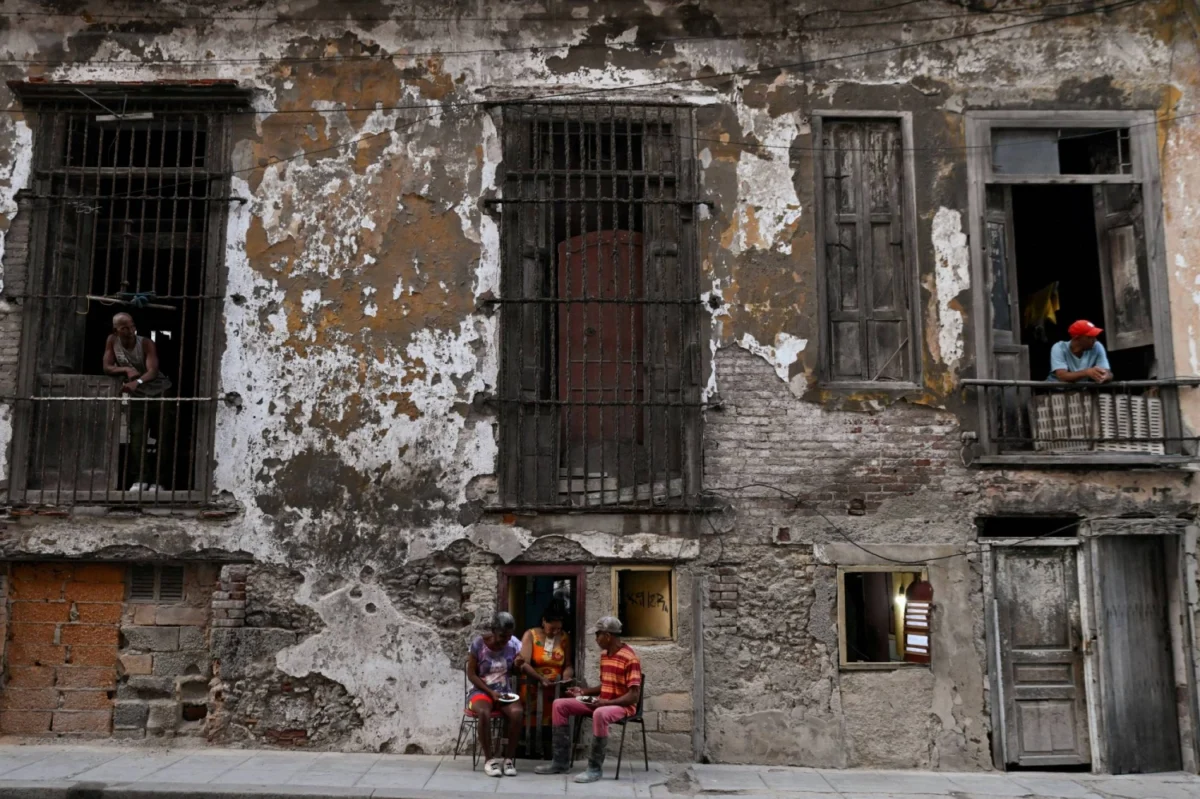
HAVANA — In the sun-drenched, peeling corridors of Old Havana, survival has become a full-time occupation. For Felicia de la Caridad Alvarez, a 64-year-old former hospital custodian, the daily rhythm of life is no longer dictated by work or leisure, but by the relentless pursuit of basic necessities. Blind in one eye and battling the dual burdens of hypertension and diabetes, Alvarez lives in a state of suspended animation. Her refrigerator, once a symbol of domestic stability, now sits empty, its contents long spoiled by the erratic pulses of a crumbling electrical grid.
"I don’t know who is to blame," she says, gesturing toward a silent television set that has not flickered to life in months. "I only know that the days are getting longer, and the plates are getting emptier."
Alvarez is not an outlier; she is the face of a nation currently grappling with a profound economic contraction. Cuba’s state-run economy, long characterized by inefficiency and bureaucratic inertia, has plummeted into a full-blown crisis. Driven by a volatile mix of internal structural failures and an intensified external squeeze, the island nation is experiencing its most severe hardship since the collapse of the Soviet Union.
The Anatomy of a Crisis: Main Facts
The current collapse is the result of a "perfect storm" of geopolitical and economic factors. At the heart of the crisis lies a systemic shortage of energy. The administration of U.S. President Donald Trump, in a move to exert maximum pressure on the Cuban government, significantly hardened economic sanctions, effectively severing the Caribbean nation’s access to vital oil supplies.
The consequences have been immediate and cascading. Without fuel to power its aging thermal plants, the national electrical grid has become increasingly unreliable, leading to rolling blackouts that can last for the better part of a day. This energy deficit has paralyzed the manufacturing sector, disrupted the supply chain for essential food items, and pushed the healthcare system to the brink of collapse. For the average Cuban, this means the disappearance of staples like rice, cooking oil, and basic medicines from state-run stores, forcing them into a desperate search for goods on an increasingly expensive and inaccessible black market.
A Chronology of Decline
To understand the current state of affairs, one must look at the sequence of events that eroded the foundations of the Cuban economy over the last several years:
- 2019 – The Tightening Noose: The Trump administration begins a systematic dismantling of the diplomatic and economic rapprochement initiated under the Obama era. Sanctions are tightened, targeting the shipping companies and insurers that facilitate Cuba’s oil imports from allies like Venezuela.
- 2020 – The Pandemic Strain: COVID-19 devastates the island’s primary revenue stream: tourism. With airports shuttered and global travel halted, the Cuban government loses the vital foreign currency needed to import essential goods.
- 2021-2022 – The Inflationary Surge: The government attempts a massive monetary reform (the Tarea Ordenamiento), intended to unify the currency and revitalize the economy. Instead, it triggers hyperinflation, wiping out the purchasing power of state salaries and pensions.
- 2023-2024 – The Energy Collapse: As international oil prices fluctuate and U.S. pressure prevents traditional suppliers from delivering shipments, the Cuban electrical grid experiences frequent, sustained failures.
- February 2025-Present – The Current Crisis: The cumulative effect of years of fuel shortages, dwindling reserves, and the exodus of the youth population leads to a widespread social malaise and a scarcity of basic life-sustaining resources.
Supporting Data: The Indicators of Hardship
The statistical reality of the island is as bleak as the view from a balcony in Havana. Economic analysts estimate that Cuba’s GDP has shrunk by more than 10% compared to pre-pandemic levels.
- Energy Deficit: The national grid currently operates at roughly 60% of the capacity required to meet basic consumer demand.
- Migration Trends: According to U.S. Customs and Border Protection data, more than 500,000 Cubans have arrived at the U.S. southern border since 2021—a massive demographic drain that has stripped the nation of its doctors, engineers, and young laborers.
- Food Security: The United Nations World Food Programme has noted a significant increase in food insecurity across the island, with over 70% of households reporting difficulty in accessing basic nutritional requirements.
- Currency Devaluation: On the informal market, the Cuban peso has lost more than 400% of its value against the U.S. dollar over the last 24 months, rendering the average monthly state pension—often equivalent to a few U.S. dollars—virtually worthless.
Official Responses and Geopolitical Tensions
The Cuban government, led by President Miguel Díaz-Canel, maintains a consistent narrative: the crisis is an "economic war" imposed by the United States. Havana officials argue that the U.S. embargo (known locally as el bloqueo) is the primary architect of the current misery, preventing Cuba from accessing international credit and essential trade markets.

"The U.S. government is intentionally trying to suffocate our people to incite a revolt," stated a Ministry of Foreign Affairs spokesperson during a recent press briefing. "Their sanctions are not targeting the leadership; they are targeting the cafeteria, the hospital, and the dinner table."
Conversely, the U.S. State Department maintains that the economic collapse is the direct result of the Cuban government’s mismanagement, failure to implement market-oriented reforms, and the suppression of private enterprise. U.S. officials argue that the sanctions are a necessary tool to pressure the government into addressing human rights abuses and the lack of democratic representation.
Implications: The Long Road Ahead
The implications of this protracted crisis are profound, extending far beyond the borders of the island.
1. Social Stability
The government’s primary challenge is maintaining order. With the social contract—which promised free health care and education in exchange for political loyalty—severely frayed, the potential for civil unrest remains high. The protests that swept the island in July 2021 were a harbinger of this instability, and the government’s crackdown on dissent has only served to alienate a segment of the populace that previously remained neutral.
2. The Humanitarian Crisis
The exodus of the youth is the most significant long-term threat to Cuba. As the most productive age cohorts flee to the United States or Europe, the island is left with an aging population and a diminishing tax base, creating a demographic trap that will be nearly impossible to reverse. The healthcare system, once the crown jewel of the Cuban revolution, is now struggling to provide even basic diagnostics, as medical professionals leave in droves.
3. Geopolitical Alignment
Forced by necessity, Havana has deepened its ties with Russia and China. Both nations have provided sporadic, limited shipments of fuel and food, and have offered debt relief in exchange for influence and strategic access. This pushes Cuba further into the orbit of U.S. adversaries, complicating the regional security dynamic and making any potential U.S.-Cuba thaw increasingly difficult to navigate.
4. The Future of Reform
Economists suggest that without a fundamental shift toward a mixed economy—allowing for true private ownership, dismantling the state’s monopoly on imports and exports, and stabilizing the currency—the crisis will not resolve. However, the political elite in Havana fears that such reforms could strip them of their remaining power, leading to a paralysis of policy.
As the sun sets over the Malecón, the lights in the nearby apartments flicker and die, a nightly ritual that signifies the power grid’s struggle. For residents like Felicia de la Caridad Alvarez, the policy debates in Washington and the political maneuvering in the Palace of the Revolution are secondary to the reality of the next twenty-four hours. In a nation once defined by its revolutionary fervor, the current reality is defined by the quiet, desperate endurance of its people—a population waiting for a tomorrow that feels increasingly out of reach.












No comments yet. Be the first to join the conversation!