

In an era of high-fidelity streaming and over-produced studio albums, there is a peculiar, cathartic joy to be found in the raw, aggressive limitations of 1990s MIDI synthesis. Few understand this better than the creator behind the YouTube channel Jim’s Music Dungeon. By stripping away the polish of modern metal and forcing it through the nostalgic, abrasive soundfont of the original Doom (1993), Jim has cultivated a niche but rapidly growing community that appreciates the "bit-crushed" aesthetic of early PC gaming.
The Intersection of Metal and MIDI
The fascination with Jim’s Music Dungeon stems from a simple, yet brilliant creative premise: taking legendary metal anthems—from Tool’s complex, rhythmic tapestries to Iron Maiden’s galloping epics—and re-encoding them as if they were BGM (background music) for a trip through a Martian demon-infested research facility.
The result is more than just a novelty; it is a sonic bridge between two worlds that have always been intrinsically linked. To understand why this works so well, one must look at the history of the original Doom soundtrack. Composed by Bobby Prince, the music of Doom was never meant to be a mere background loop. Prince, drawing heavily from the thrash and heavy metal scenes of the late 80s and early 90s, utilized MIDI to create a sound that felt dangerous, frantic, and undeniably "metal," despite the technological constraints of the era.
A Chronology of the "Doom-Font" Revolution
The project began in earnest in 2023, with Jim—often referred to as Jim "Aku" Brimstone—experimenting with the iconic soundfont that defined the childhoods of countless PC gamers.
2023: The Genesis
The inaugural experiment was a cover of Nirvana’s "Something in the Way," humorously dubbed "Doomguy in the Way." It was a tongue-in-cheek nod to the melancholic, sludge-like tempo of the track, which felt surprisingly at home when rendered through the synths of a 30-year-old game engine. While the project initially leaned into puns, Jim quickly shifted focus toward a more serious archival approach, prioritizing the technical accuracy of the covers over comedic titles.
2024: Prolific Expansion
As the channel gained traction, the scope of the covers widened. Jim began tackling progressive rock and complex metal, tracks that on paper should not translate to the limited polyphony of a MIDI file. Yet, the complexity of these songs—specifically those by Tool—actually benefited from the clarity of the Doom soundfont. By removing the wall of guitar distortion, the listener is forced to focus on the underlying rhythmic structure, often discovering nuances in the composition that were previously buried in the mix.
The Anatomy of the Sound: Why It Works
To understand the success of this project, one must analyze the "Doom sound." The soundfont utilized in the original game is characterized by sharp, percussive drum samples, "gritty" bass synths, and lead guitars that mimic the high-gain sound of classic heavy metal, albeit with a digitized, metallic edge.
The "Sign of Evil" Legacy
The irony, as noted by many in the music production community, is that the original Doom soundtrack was already an homage to metal legends. Tracks like "Sign of Evil" bear a striking resemblance to King Crimson’s "Starless." This cycle of influence—where metal inspired Doom, which now inspires modern musicians to re-interpret metal—creates a beautiful, closed-loop feedback system. Jim’s work acts as a tribute to both Bobby Prince’s original compositional genius and the legendary bands that served as his inspiration.
Technical Prowess and Visual Flair
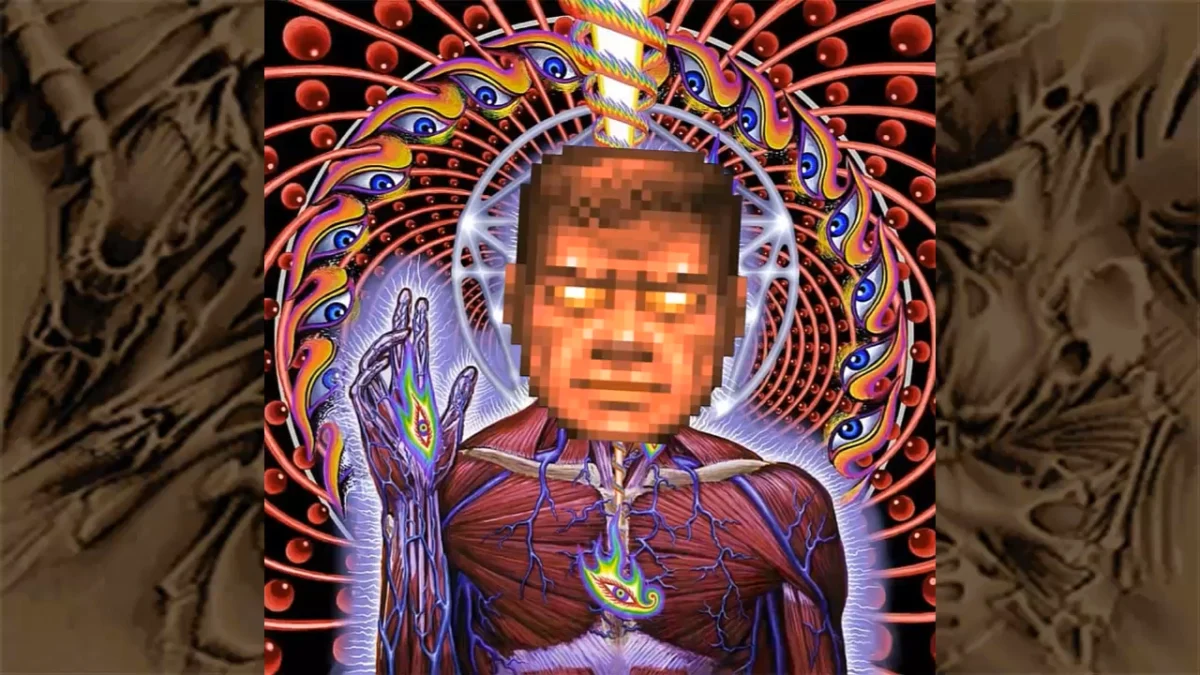
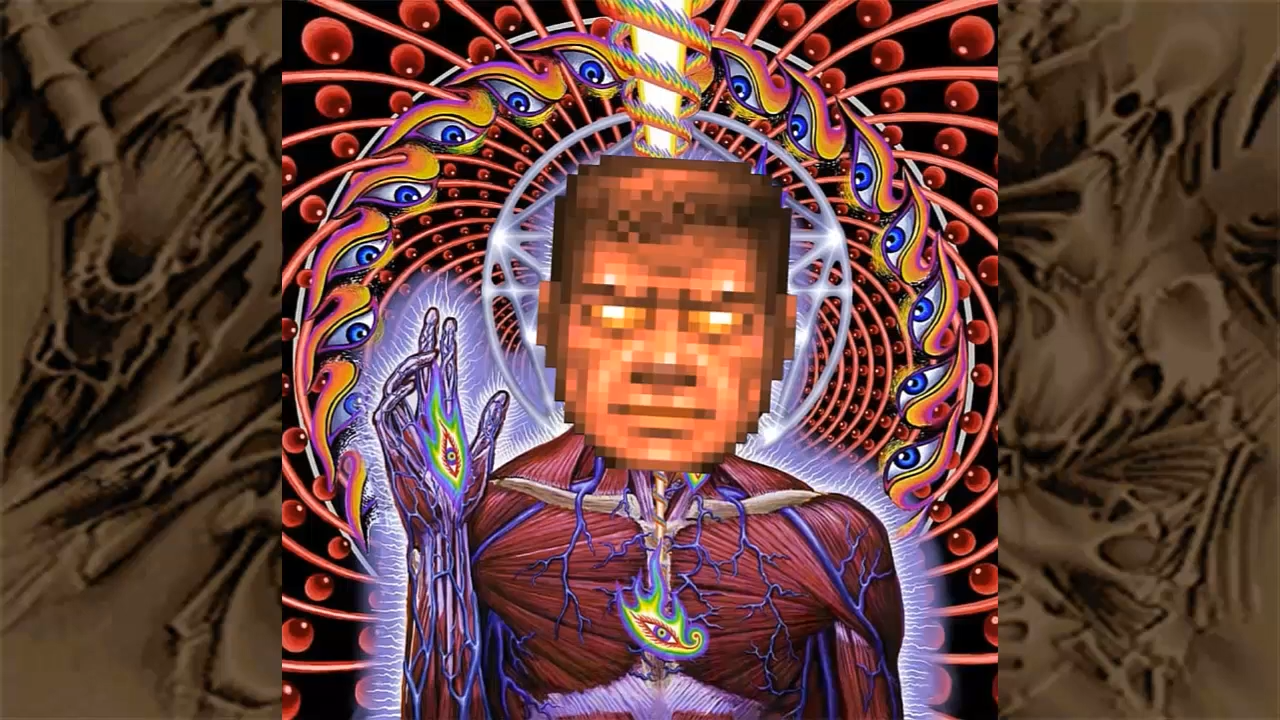
Beyond the audio, the channel has become known for its visual "image gags." A standout example is the cover of Tool’s "Schism." The video features a godmode-enabled Doomguy superimposed over the psychedelic, muscle-focused art of the Lateralus album. It is a visual representation of the audio: a fusion of high-art prog-rock and low-fi demon-slaying.
Selected Highlights from the Dungeon
While the channel hosts hundreds of tracks, certain entries have defined the project’s reputation for quality and dedication:
- "Master of Puppets" (Metallica): Perhaps the most natural fit for the Doom soundfont, this track captures the exact energy that Bobby Prince was channeling when he composed "At Doom’s Gate." The transition is so seamless that one could easily imagine it as an unused level theme from Doom II.
- "Iron Maiden" (Iron Maiden): This cover highlights the melodic capabilities of the soundfont. The iconic twin-guitar harmonies of Maiden are rendered with a clarity that feels surprisingly faithful to the spirit of the New Wave of British Heavy Metal.
- The Tool Collection: Jim’s dedication to the intricate timing of Maynard James Keenan’s projects remains one of his most impressive feats. The way the MIDI tracks handle complex time signatures is a testament to the skill involved in the arrangement process.
Implications for the Modding and Gaming Community
The popularity of these covers speaks to a broader trend in the gaming industry: the "Retro-Revival." As modern AAA titles move toward hyper-realistic, cinematic orchestral scores, there is a counter-cultural push toward the "chip-tune" and "MIDI-core" aesthetics.
The Influence on Modding
This music is not just for listening; it is being integrated back into the game. The Doom modding community, which remains one of the most active in gaming history, has begun to utilize these covers in "WAD" (Where’s All the Data) files. Players can now replace the stock music of classic Doom levels with these modern metal interpretations, effectively revitalizing 30-year-old maps with a fresh, familiar energy.
A New Standard for Cover Artists
Jim’s success has set a new benchmark for YouTube cover artists. By choosing a specific "audio skin" (the Doom soundfont) and applying it to a wide variety of genres, he has created a cohesive brand identity. This modular approach—where the style of the cover is defined by the instrument library rather than the performer—is an emerging trend in content creation that allows for high-volume, high-quality output.
Official and Community Perspectives
While Bobby Prince, the original composer of Doom, has not issued an official statement regarding this specific channel, the legacy of his work remains the foundation upon which these artists build. The community surrounding Jim’s Music Dungeon is highly collaborative, with frequent cross-pollination between Jim and other creators, such as the cover artist Reddo.
Fans of the channel often describe the experience as "comforting." In a chaotic world, the rhythmic, predictable, and nostalgic nature of the Doom MIDI sound provides a sense of grounding. It is, as one commenter famously noted, "the soundtrack to the apocalypse we were promised."
Conclusion: The Persistence of the Bit
The mission of Jim’s Music Dungeon is far from complete. With an ever-expanding library of metal, rock, and alternative tracks awaiting the "Doom-font" treatment, the project stands as a testament to the idea that great music is defined by its core melody, not its production value.
Whether you are a metalhead looking for a new way to enjoy your favorite classics, or a gamer nostalgic for the days of sound cards and command prompts, Jim’s work offers a compelling reason to keep listening. You can follow the ongoing project on YouTube, or support the creator directly via Bandcamp and Patreon. In a world of infinite digital possibilities, there is something profoundly human about choosing to stay, as Jim says, "knee-deep in the bit."











No comments yet. Be the first to join the conversation!