Siti Muinah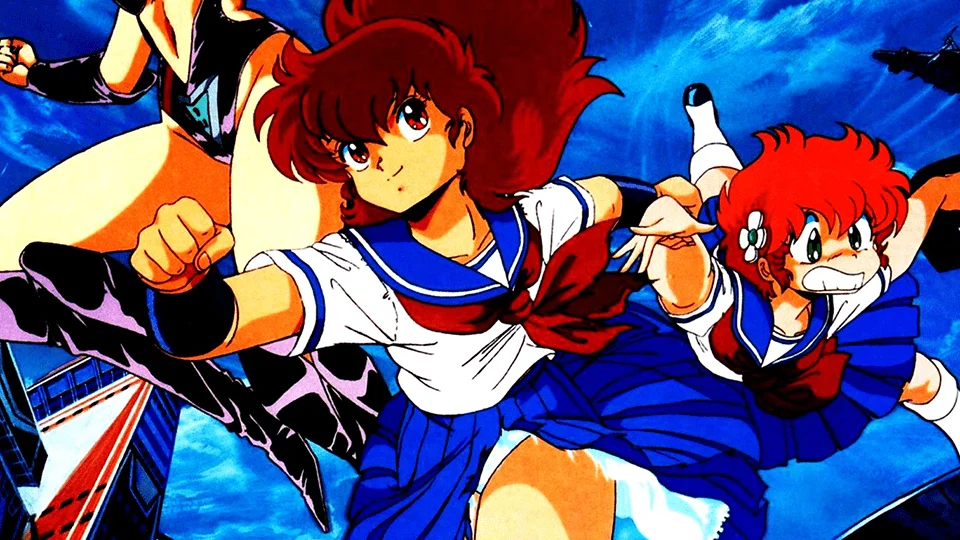
The transition from the leisure of summer to the structured rigors of the academic year is a perennial theme in global media, but perhaps nowhere is it more vibrantly explored than in the Japanese animation industry. As August draws to a close, the "back-to-school" trope serves as a powerful catalyst for storytelling, reflecting societal anxieties, personal growth, and the universal quest for identity. While contemporary hits like My Hero Academia and MASHLE: MAGIC & MUSCLES currently dominate the cultural zeitgeist, a deeper look at the medium’s history reveals a rich tapestry of school-centric narratives that have shaped the genre.
This report examines three definitive works—Project A-ko, GTO: Great Teacher Onizuka, and Little Witch Academia—analyzing their chronological significance, their impact on the industry, and the enduring implications of their pedagogical themes.
Main Facts: A Diverse Curriculum of Excellence
The selection of Project A-ko, GTO, and Little Witch Academia represents three distinct eras and sub-genres of school-based anime. Each title offers a unique lens through which to view the student experience, ranging from hyper-kinetic science fiction to gritty social commentary and whimsical magical realism.
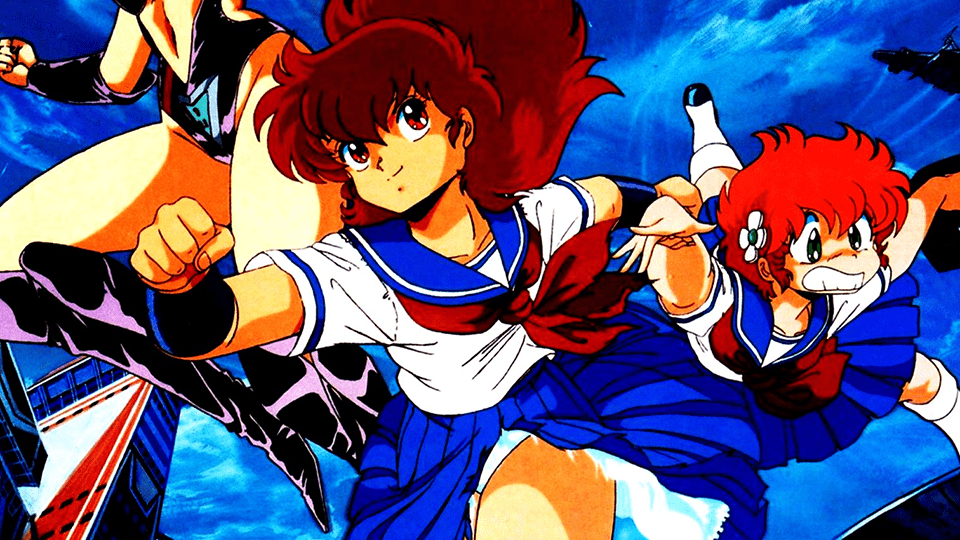
- Project A-ko (1986): A cornerstone of the 1980s Original Video Animation (OVA) boom, this film blended high-school rivalry with mecha combat and superhero tropes. Originally conceived within a more adult-oriented framework, it evolved into a high-octane parody that redefined the "super-powered student" archetype.
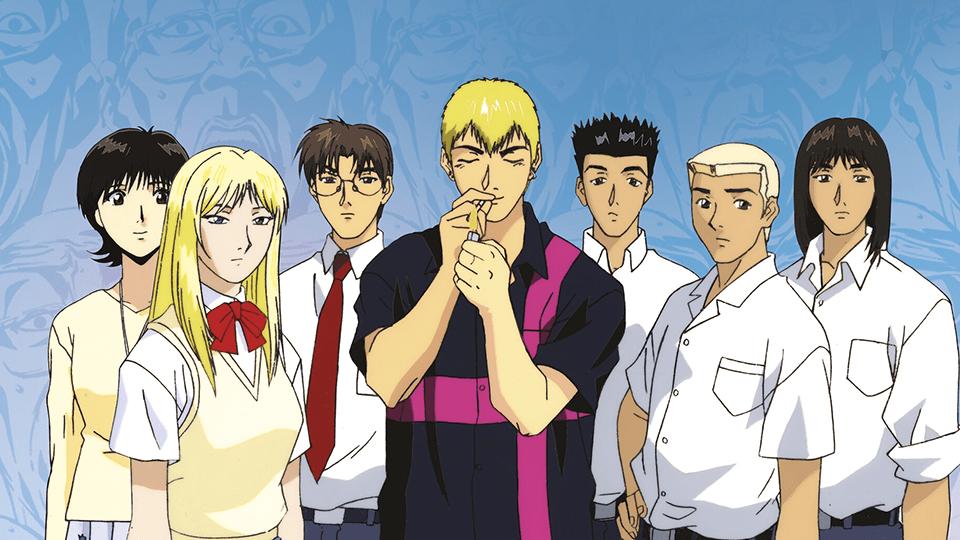
- GTO: Great Teacher Onizuka (1999): Based on the manga by Toru Fujisawa, this series introduced Eikichi Onizuka, a former gang member turned teacher. It challenged the rigid hierarchies of the Japanese education system, advocating for a more humanistic, albeit unorthodox, approach to mentorship.
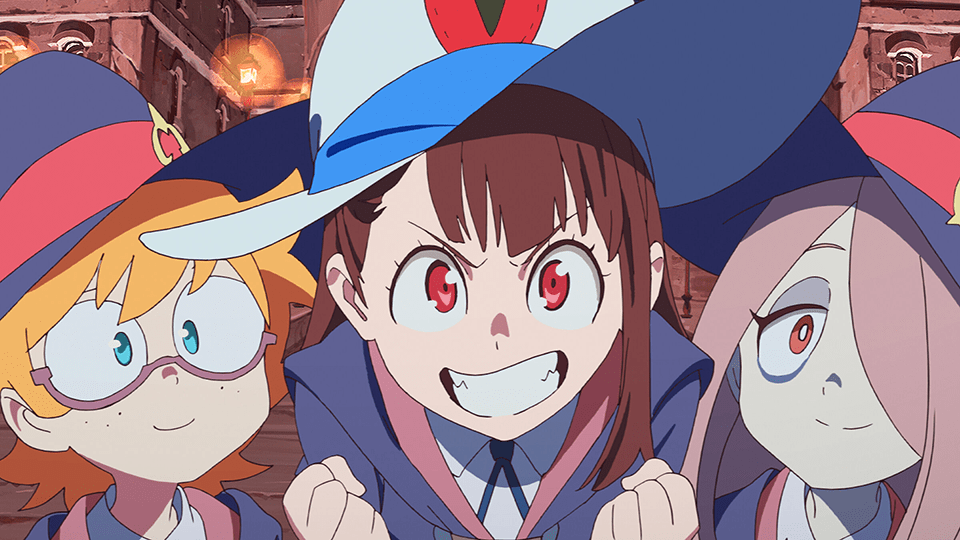
- Little Witch Academia (2013/2017): Emerging from Studio Trigger, this franchise began as a short film for the "Anime Mirai" project before expanding into a global phenomenon. It revitalized the "magical school" trope, focusing on the virtues of perseverance and the preservation of wonder in a modernizing world.
Chronology: The Evolution of the Anime Classroom
The evolution of the school setting in anime reflects broader shifts in Japanese society and the global animation market over the last four decades.
The 1980s: The Dawn of the Super-Student
In 1986, the release of Project A-ko marked a departure from the more grounded "slice-of-life" school stories of the 1970s. This era was defined by the "bubble economy" and a fascination with Western sci-fi. Project A-ko utilized the school setting as a playground for absurdity, mirroring the decade’s excess. It paved the way for the "battle school" genre, where the classroom is merely a staging ground for interstellar conflict and superhuman feats.
The 1990s: Rebellion and Social Critique
By 1999, Japan was grappling with the "Lost Decade," a period of economic stagnation. GTO: Great Teacher Onizuka arrived at a time when the pressure on students was reaching a breaking point. The series moved away from the sci-fi spectacle of the 80s, focusing instead on the internal rot of the educational bureaucracy. Onizuka represented a counter-cultural rebellion against the "salaryman" future, suggesting that life skills and emotional intelligence were as vital as academic scores.
The 2010s to Present: The Global Magical Academy
The 2013 debut of Little Witch Academia signaled a shift toward global accessibility and the "neoteny" of modern anime—a return to classic, fluid animation styles reminiscent of early Disney or Ghibli, but infused with Studio Trigger’s modern energy. In an era dominated by digital connectivity and waning traditionalism, the series’ focus on a "magic school" served as a metaphor for finding one’s passion in a world that often prioritizes efficiency over soul.
Supporting Data: Production Insights and Cultural Impact
To understand why these series remain relevant, one must examine the production data and the specific cultural niches they occupied during their respective releases.
Project A-ko: The Parody Powerhouse
Project A-ko was directed by Katsuhiko Nishijima and produced by Studio APPP. The film is notable for its high frame rate and detailed hand-drawn animation, which was a hallmark of 80s OVAs.
- Genre Subversion: The film famously parodies Macross, Gundam, and Fist of the North Star. This "meta" approach to storytelling became a staple of school anime, where characters are often aware of the tropes they inhabit.
- Technical Achievement: Despite its comedic tone, the film’s mechanical designs and fluid action sequences remain a gold standard for cel animation enthusiasts.
GTO: A Commercial and Social Phenomenon
GTO was more than just an anime; it was a multi-media juggernaut.

- Manga Success: The original manga sold over 50 million copies, making it one of the best-selling series of all time.
- Cultural Critique: The series tackled "Ijime" (bullying) and "Hikikomori" (social withdrawal) long before these issues became mainstream international talking points.
- Adaptations: Its popularity led to a high-rated live-action drama in 1998, which boasted a 28.5% average viewership rating in Japan, underscoring the story’s resonance with the general public.
Little Witch Academia: The Power of Crowdsourcing
The growth of Little Witch Academia is a testament to the power of the modern anime fandom.
- Kickstarter Success: In 2013, Studio Trigger launched a Kickstarter campaign for the second short film, The Enchanted Parade. It reached its $150,000 goal in under five hours and eventually raised over $627,000.
- Streaming Transition: The 25-episode television series became a cornerstone of Netflix’s early foray into exclusive anime distribution, proving that the "school for magic" trope had immense international appeal across all age demographics.
Official Responses and Critical Reception
The legacy of these titles is reflected in how they are perceived by industry critics and academic scholars of Japanese pop culture.
Critical Acclaim
Project A-ko is frequently cited by historians like Helen McCarthy as a pivotal work that helped define the "Amerime" aesthetic—anime that appealed specifically to the burgeoning Western market due to its high production values and relatable, albeit exaggerated, high school setting.
In the case of GTO, critics have lauded the character of Onizuka as one of the most significant "anti-heroes" in educational fiction. Reviewers often point to the series’ ability to balance crude humor with genuine pathos, noting that while Onizuka’s methods are "PTA nightmares," his results speak to a deeper truth about the need for mentorship over mere instruction.
Little Witch Academia received near-universal acclaim for its art direction. Yoh Yoshinari’s vision was praised by The Verge and Polygon for its "expressive, rubber-hose style" that bridged the gap between Eastern and Western animation traditions. It is often held up as the "gold standard" for wholesome, inspirational school narratives.
Industry Recognition
All three series have maintained a presence in the "Top Lists" of major anime publications for decades. GTO remains a fixture on Crunchyroll’s "Most Popular" classic sections, while Little Witch Academia continues to be a top recommendation for "entry-level" anime on Netflix.
Implications: Why the School Setting Endures
The enduring popularity of these three series highlights several critical implications for the future of the medium and its role in the lives of its viewers.
The School as a Microcosm of Society
In anime, the school is rarely just a school. In Project A-ko, it is a battlefield for dominance; in GTO, it is a broken system in need of a radical heart; in Little Witch Academia, it is a sanctuary for the preservation of lost arts. By using the school as a setting, creators can explore complex adult themes—hierarchy, systemic failure, and the loss of innocence—within a framework that is accessible to younger audiences.
The "Great Teacher" Archetype
The shift from the super-powered student (A-ko) to the transformative teacher (Onizuka) suggests an evolving perspective on education. It implies that the responsibility for a successful "back-to-school" season lies not just with the student’s performance, but with the empathy and adaptability of the educators. This remains a relevant discourse as global education systems face calls for reform.
Bridging the Generational Gap
The fact that a 1986 OVA, a 1999 TV series, and a 2017 streaming hit are all recommended in the same breath for the 2025 school year speaks to the timelessness of the "coming-of-age" narrative. These stories provide a shared language between older fans who grew up with Onizuka and younger fans discovering Akko.
Conclusion
As students across the globe prepare to return to their desks, the "Three Powerful Back-to-School Anime" highlighted here offer more than mere entertainment. They provide a historical record of how we view education and personal growth. Whether through the lens of 80s sci-fi, 90s social rebellion, or modern magical optimism, these series remind us that the classroom—real or fictional—is the ultimate stage for the human drama. By looking backward to these classics, viewers can find the inspiration needed to face the "explosive" new school year ahead.


 Asro
Asro
 Ammar Sabilarrohman