Neng Nana
For generations, the "early night" has been the universal prescription for exhaustion. Whether it is a parent’s gentle directive to a tired child or the self-imposed discipline of a burnt-out professional, the logic seems ironclad: if you are tired, you need more sleep; therefore, you should go to bed earlier.
However, modern sleep science suggests that this conventional wisdom is not only flawed—it is often counterproductive. For many people, hitting the pillow two hours ahead of schedule after a poor night’s rest does not lead to a refreshing, deep slumber. Instead, it invites a cycle of fragmented sleep, 3 a.m. wake-ups, and long-term insomnia.
The Core Mismatch: Sleep Drive vs. The Body Clock
To understand why early nights often backfire, one must distinguish between the two biological systems that regulate our sleep: the circadian rhythm and homeostatic sleep drive.
"People often assume that if they’re tired or sleeping poorly, the solution is to go to bed earlier," explains Dr. Joshua Roland, medical director for Dreem Health. "But this can create a significant mismatch between your ‘sleep opportunity’—the time you spend in bed—and your actual physiological sleep need."
Your sleep drive, or "adenosine pressure," is a chemical buildup that accumulates the longer you are awake. The circadian rhythm, meanwhile, is your internal 24-hour clock that dictates when you feel alert and when your body prepares for rest. When you attempt to force an early bedtime, you are often trying to override your internal clock. Even if you feel "tired" due to a previous night’s deficit, your body’s circadian system may still be operating on its standard schedule, expecting to remain awake until your usual bedtime.

A Chronology of the ‘Early Night’ Trap
For the average person attempting to recover from a sleep-deprived state, the experience of an early night typically follows a predictable, yet frustrating, trajectory.
The Initial Attempt: The "Tired" vs. "Sleepy" Confusion
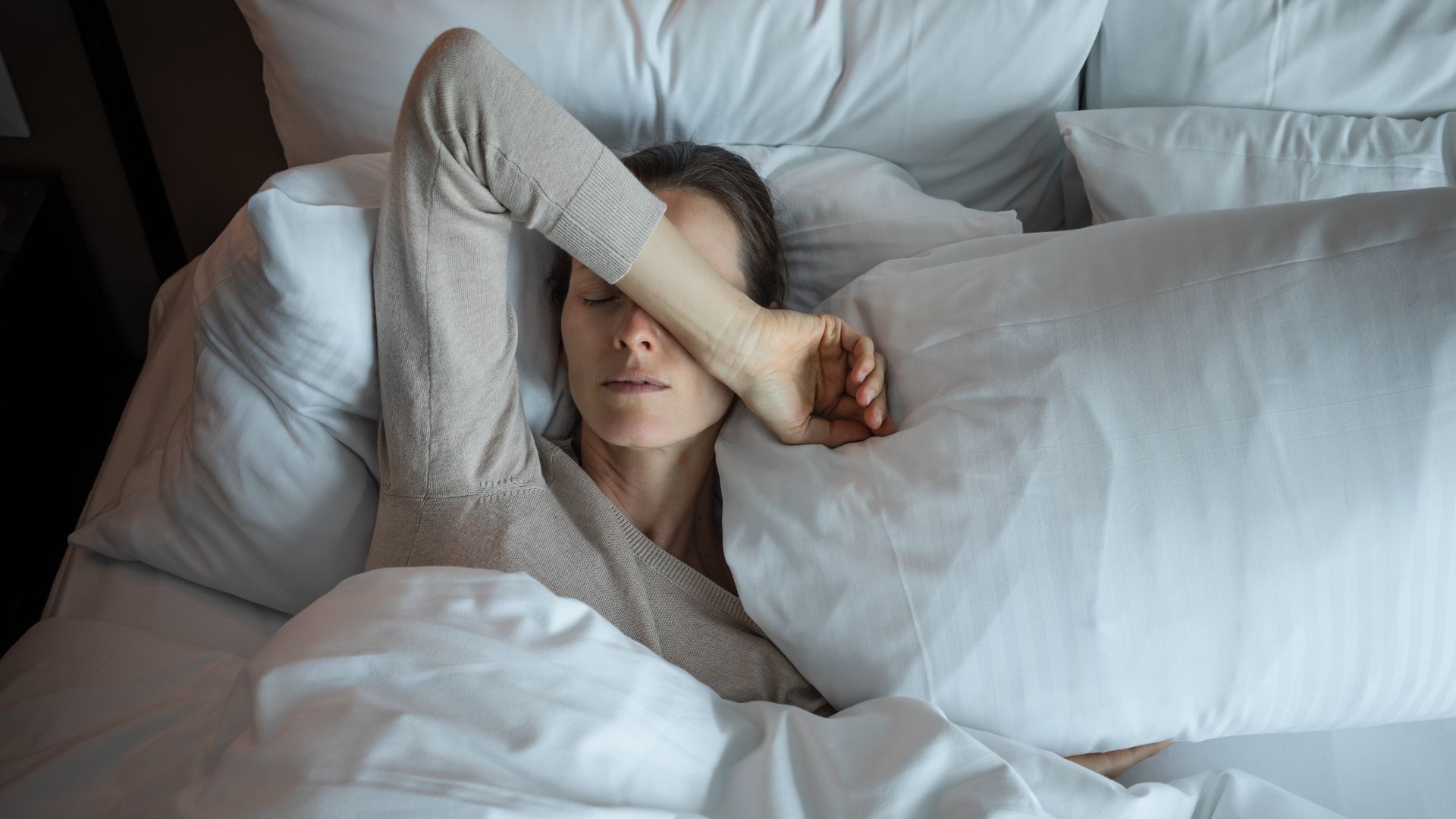
The process begins with the misinterpretation of exhaustion. We often feel "worn out"—a state of fatigue caused by mental stress, physical exertion, or dehydration—and mistake it for "sleepiness." Because we feel worn out, we head to bed. However, because our adenosine levels haven’t peaked to the threshold required for deep, sustained sleep, we find ourselves lying in the dark, wide awake.
The Midnight Awakening: The 3 a.m. Wall
Even if an individual manages to drift off by going to bed at 9 p.m. instead of 11 p.m., they often hit the "3 a.m. wall." Because the body clock is still calibrated for a 7 a.m. wake-up, the system begins a hormonal transition in the early morning hours. Melatonin—the hormone responsible for sleepiness—begins to plummet, while cortisol—the hormone associated with alertness and energy—starts its gradual ascent.
If you have already achieved six or seven hours of sleep by 3 a.m., your sleep pressure is no longer high enough to override these rising cortisol levels. The result? A wide-awake brain, a racing heart, and a feeling of mounting frustration as the clock ticks toward dawn.
The Behavioral Conditioning: Associating Bed with Wakefulness
Perhaps the most damaging effect of the early night is the psychological conditioning that follows. If you repeatedly go to bed early and spend two hours tossing and turning, your brain begins to forge a neural association: the bed is not a place for restorative sleep, but a place for ruminating, worrying, and being awake.
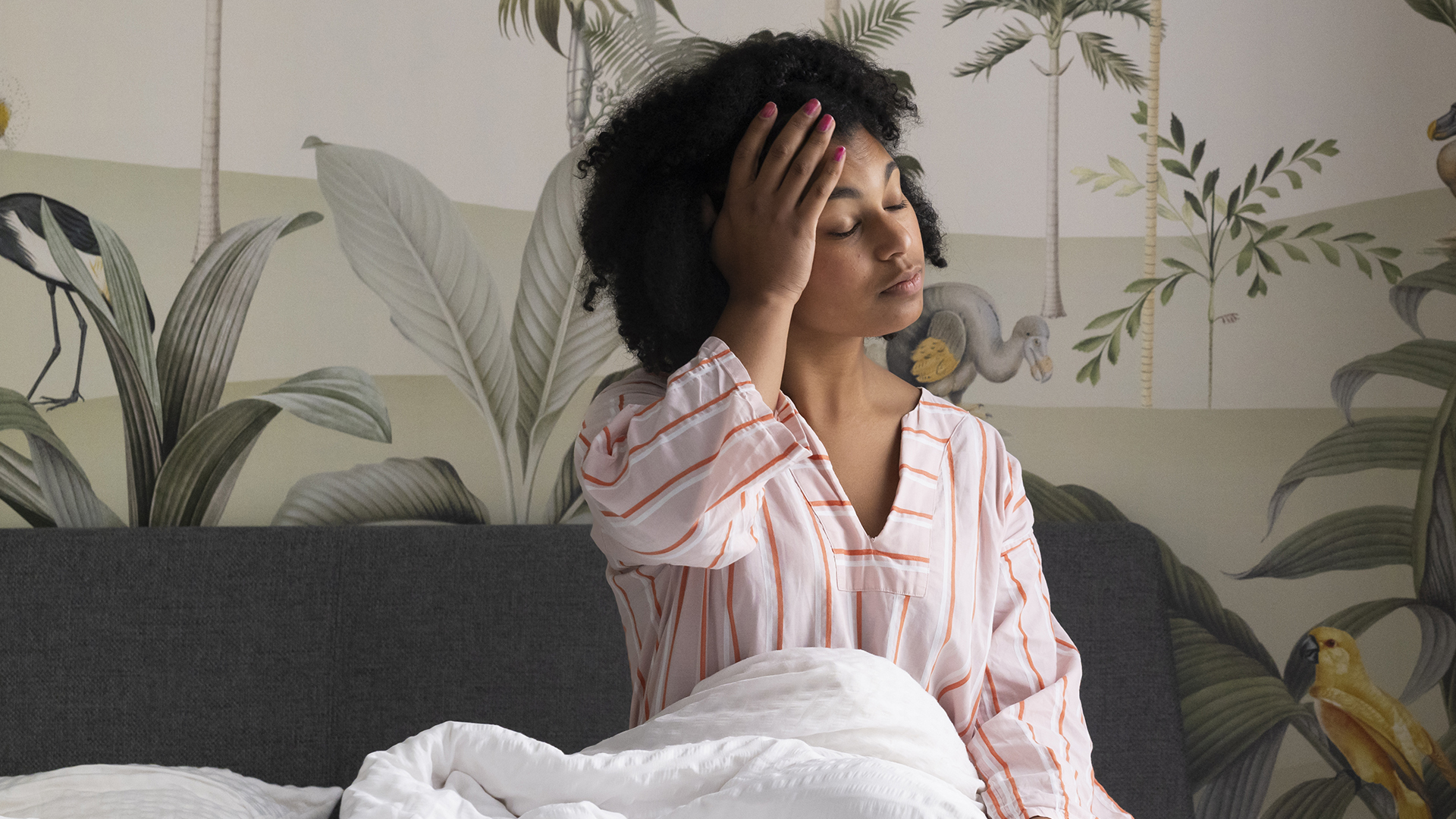
"One reason that early nights can backfire is that getting into bed before sleepiness leads the brain to connect the bed with lying awake," notes Dr. Jessica Weatherford, a psychologist at Catalyst Psychology. Over time, this makes falling asleep at your regular time even harder, creating a self-perpetuating cycle of chronic sleep anxiety.
Supporting Data and Scientific Perspectives
Sleep scientists emphasize that sleep is not a commodity that can be "banked" like money in a savings account. It is a biological process that relies on rhythm and consistency.
The Role of Adenosine
Sheree-Ann Michelle, a pharmacist and functional medicine health coach at The Wellnaissance, notes that sleep is a hunger-like process. "When you go to bed before that sleep pressure has had sufficient time to build, your body simply is not ready to enter or sustain deep sleep," she says. "It’s like turning up early for a train. You’re ready to go, but the train is sticking to its schedule."
Circadian Stability
Dr. Aric Prather, a sleep scientist at BetterSleep, points out that sleep fragmentation is a common side effect of extended time in bed. "When people extend their time in bed significantly beyond what they’re used to, they may find that sleep becomes more fragmented," he explains. "The body is still operating on its usual timing. An earlier bedtime doesn’t necessarily shift those systems immediately."
Expert Recommendations: How to Properly Recover
If the "early night" is a myth, how should one recover from a night of poor sleep? The experts suggest three fundamental strategies to get back on track without sabotaging your sleep architecture.
1. Maintain a Consistent Wake-Up Time
The most effective way to reset your internal clock is to prioritize your wake-up time over your bedtime. By waking up at the same time regardless of how much you slept, you ensure that your sleep drive is high enough the following night to facilitate sleep. Dr. Roland advises, "I’d recommend recovering from a poor night’s sleep by maintaining a consistent wake-up time, moving bedtime only slightly earlier if needed—perhaps 15 to 20 minutes."
2. Prioritize "Sleep Quality" Over "Sleep Quantity"
Do not aim for a one-night "recovery marathon." Attempting to sleep for 12 hours to compensate for a bad night often results in broken, light, and unrefreshing sleep. Instead, focus on stringing together three or four consecutive nights of "adequate" sleep. The body responds better to a sustained pattern of normalcy than a single, erratic attempt to "catch up."
3. Identify True Sleepiness
Learn to distinguish between feeling "worn out" and feeling truly "sleepy." True sleepiness is characterized by heavy eyelids, difficulty keeping your eyes open, and a genuine inability to focus. If you are simply tired or stressed, consider a wind-down routine—such as reading, gentle stretching, or a warm bath—rather than rushing to bed. Only when your body shows objective signs of sleepiness should you attempt to head to the bedroom.
Implications for Public Health
The trend of "orthosomnia"—the unhealthy obsession with achieving perfect sleep data—has driven many people to use wearable technology to "fix" their sleep by spending more time in bed. This research suggests that this approach is largely misguided.
The implications for long-term health are clear: sleep, like nutrition, thrives on consistency and quality rather than reactionary attempts to "fix" a deficit. By abandoning the desperate urge to crawl into bed at the first sign of fatigue, individuals can protect their sleep environment, reinforce their circadian rhythms, and avoid the frustrating cycle of middle-of-the-night awakenings.
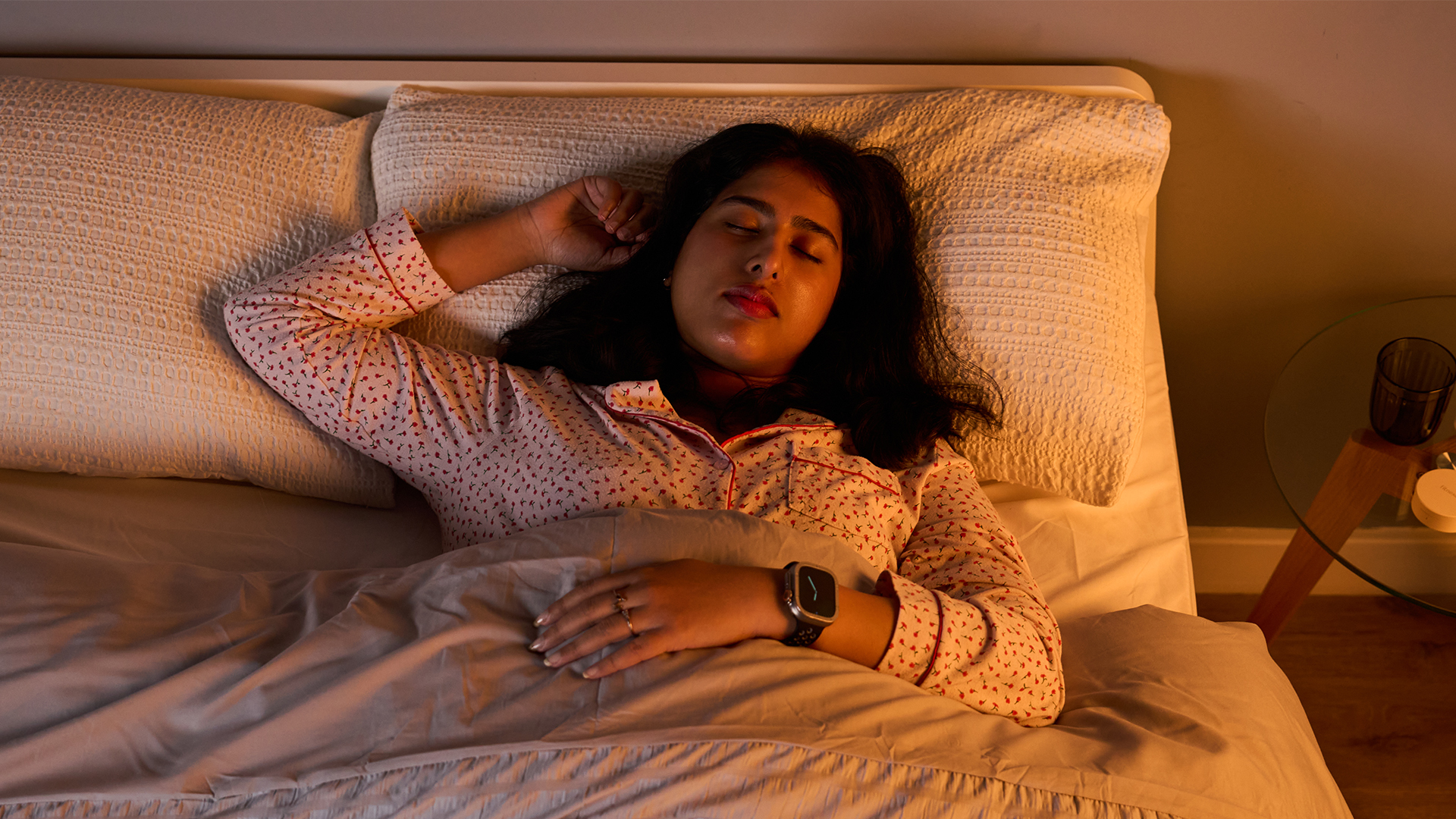
In the quest for better rest, the goal should not be to force the body into submission, but to provide it with the consistent cues it needs to regulate itself. Sometimes, the best thing you can do for your sleep is to simply stay up a little longer, trust your body’s rhythm, and wait for the natural wave of sleepiness to arrive.


 Nila Kartika Wati