Basiran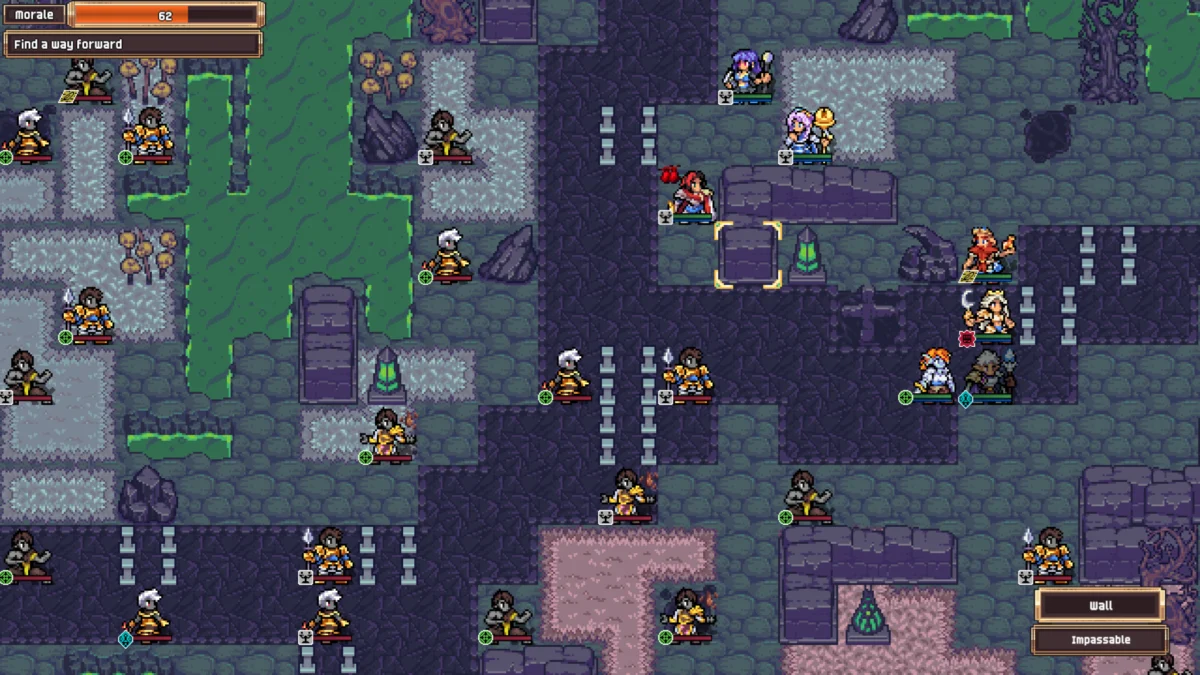
The landscape of tactical role-playing games (TRPGs) has been significantly shaped by the indie resurgence of the genre, and few titles have captured the nostalgic yet innovative spirit of the classics quite like the Dark Deity series. During the recent IGN Live showcase, developer Sword & Axe officially pulled back the curtain on Dark Deity 3, confirming that this latest installment will serve as the climactic, "dramatic conclusion" to their celebrated trilogy. Accompanied by a robust announcement trailer, the news has sent ripples of excitement through the strategy gaming community, promising a grand finale that aims to synthesize the best elements of its predecessors.
The Evolution of a Tactical Powerhouse: A Chronological Retrospective
To understand the weight of Dark Deity 3, one must look at the trajectory of the series. When the original Dark Deity launched, it was met with a polarized reception. While it successfully tapped into the aesthetic sensibilities of Game Boy Advance-era Fire Emblem titles, many critics felt it struggled to establish its own unique mechanical identity, often feeling like a tribute rather than an evolution.
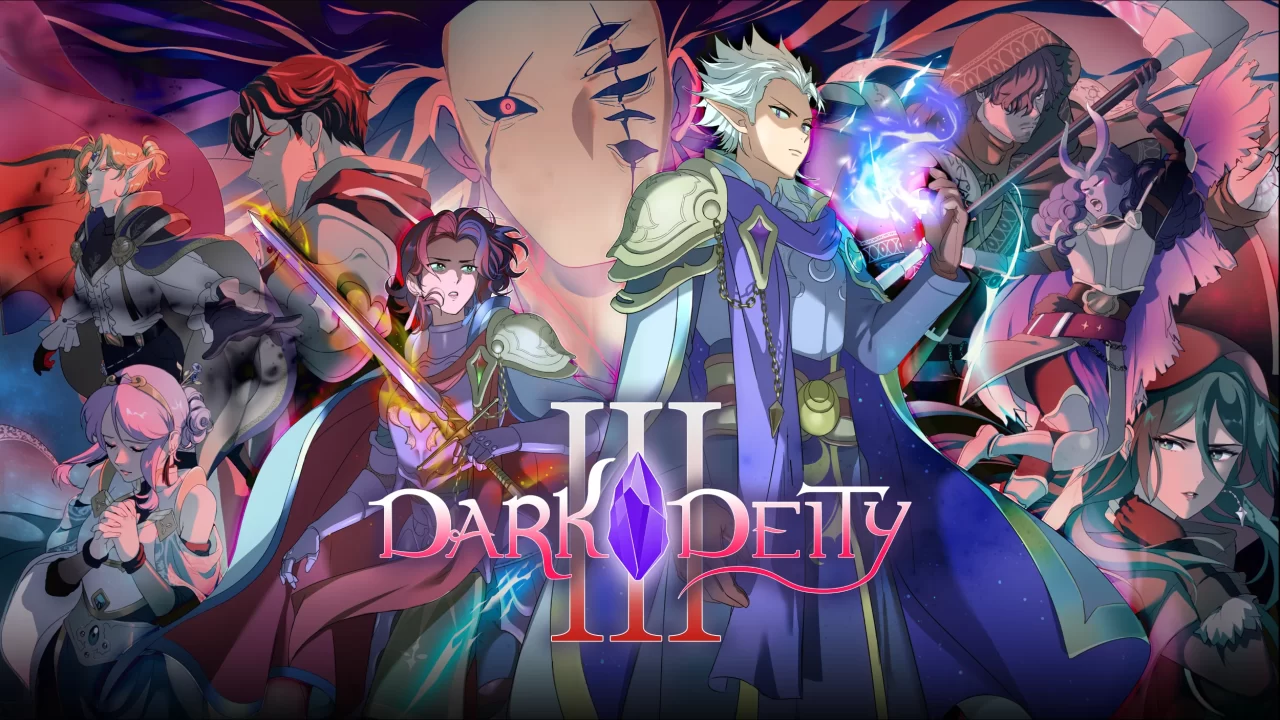
However, the release of Dark Deity 2 marked a pivotal turning point for Sword & Axe. The sequel was widely praised for refining the series’ rougher edges, introducing more sophisticated character dynamics, and expanding the tactical depth of its combat systems. Our own Editor’s Choice recipient, Audra Bowling, noted in her review that Dark Deity 2 successfully stepped out of the shadow of its inspirations, offering a polished, compelling experience that resonated with both newcomers and genre veterans.
Dark Deity 3 now arrives as the third pillar of this journey. By returning to the world of Terrazael, the developers are doubling down on the lore and character growth established over the previous two entries. This creative decision positions the game as a direct sequel, rewarding long-term fans for their investment in the series’ narrative arc.
The World of Terrazael: A Tale of Two Armies
The narrative stakes in Dark Deity 3 are unprecedented. According to the official synopsis provided by Sword & Axe, the "Eternal Order"—the world’s final bulwark against total collapse—is buckling under the pressure of encroaching death cults.
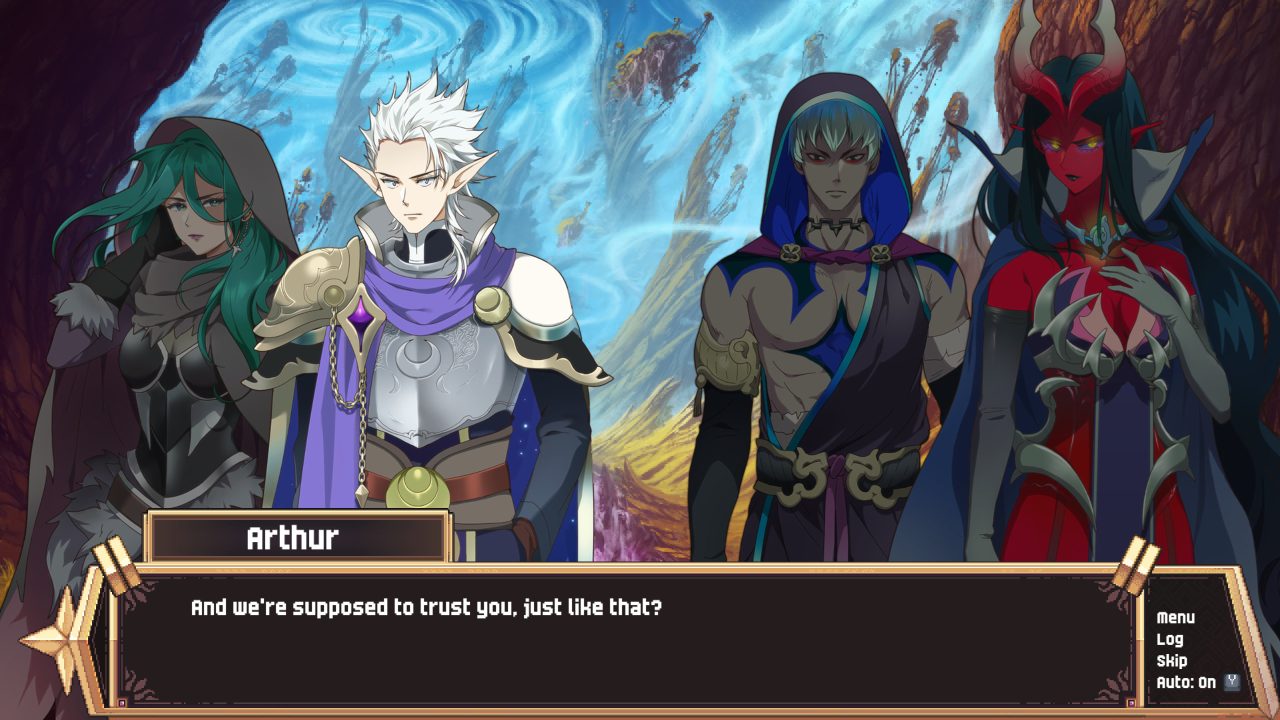
The story is centered on the siblings Gwyn and Arthur Sildairan, heirs to the Eternal Order. Their paths diverge in a unique dual-campaign structure that promises to offer two distinct perspectives on the unfolding apocalypse:
- The Military Campaign (Gwyn): Gwyn leads a conventional army across the living world of Terrazael. Her primary directive is to root out and dismantle the death cults that have infested the land, presenting a grounded, frontline-heavy tactical experience.
- The Scholarly Expedition (Arthur): In a departure from typical military-focused narratives, Arthur leads a group of scholars into the afterlife. This secondary campaign seeks to uncover the metaphysical truths behind the gods themselves, likely introducing more esoteric, magic-heavy gameplay mechanics and environmental hazards.
This bifurcated narrative structure is a bold choice, forcing players to manage two distinct fronts. The interplay between these two campaigns—how the success or failure of one impacts the other—remains one of the most anticipated aspects of the game’s design.
Strategic Depth: Numbers and Mechanics
For the hardcore strategy enthusiast, the mechanical fidelity of Dark Deity 3 is where the game truly promises to shine. Sword & Axe has clearly focused on creating a "tactical sandbox" that rewards experimentation and deep-dive theory-crafting. The sheer volume of content announced is impressive:
- 28 Unique Units: Each character brings their own narrative weight and combat utility to the field.
- 74 Distinct Classes: This represents a massive increase in variety, allowing for a staggering number of team compositions and tactical roles.
- 100+ Weapons: The inclusion of such a vast arsenal suggests that equipment management and weapon-triangle-adjacent mechanics will be more vital than ever.
- 60+ Build-Defining Rings: These accessories serve as the "special sauce" for character builds, allowing players to tweak performance and grant powerful, potentially meta-shifting abilities.
This level of customization suggests that Dark Deity 3 is designed with high replayability in mind. By allowing players to tailor their army’s composition so granularly, the developers are encouraging multiple playthroughs to explore the limits of the game’s tactical engine.
Official Developer Insights: A Letter to the Community
In a candid "Letter from the Developer" published on the game’s Steam page, the team at Sword & Axe addressed their long-term supporters. They emphasized that Dark Deity 3 is not merely "more of the same," but an attempt to fully realize the potential they saw in the original concept years ago.
"We wanted to make sure that the final chapter of the Dark Deity series felt earned," the letter states. "The transition from the first game to the third has been a journey of discovery for our team as much as it has been for our players. We’ve listened to every piece of feedback regarding difficulty, pacing, and character development to ensure this conclusion hits every mark."
The developers also addressed the thematic shift toward the afterlife, noting that it was a natural evolution of the "deity" concept. By exploring the source of the world’s divine power, they aim to provide a satisfying, closure-heavy conclusion that answers the lingering questions regarding the origins of the chaos in Terrazael.
The Broader Implications for the TRPG Genre
The success of Dark Deity 3 holds significant implications for the independent tactical RPG market. The genre has long been dominated by massive AAA franchises, yet Sword & Axe has proven that there is a sustainable, hungry audience for smaller-scale, high-quality strategy games that focus on tight, grid-based mechanics.
If Dark Deity 3 manages to successfully marry its improved narrative pacing with its expanded mechanical depth, it could solidify the series’ legacy as the definitive "modern-classic" in the TRPG space. Furthermore, the decision to launch as a PC-exclusive on Steam for the time being—while leaving the door open for future console ports—reflects the shifting landscape of indie publishing, where early access or initial PC releases allow for iterative polish before a wider console rollout.
For the industry at large, the Dark Deity series serves as a case study in how to build a brand. By starting with a modest project and listening to the community to refine the sequel, and then swinging for the fences with a grand, ambitious finale, Sword & Axe has provided a blueprint for how indie developers can capture the loyalty of a genre-specific audience.
Looking Forward: A Must-Play Conclusion
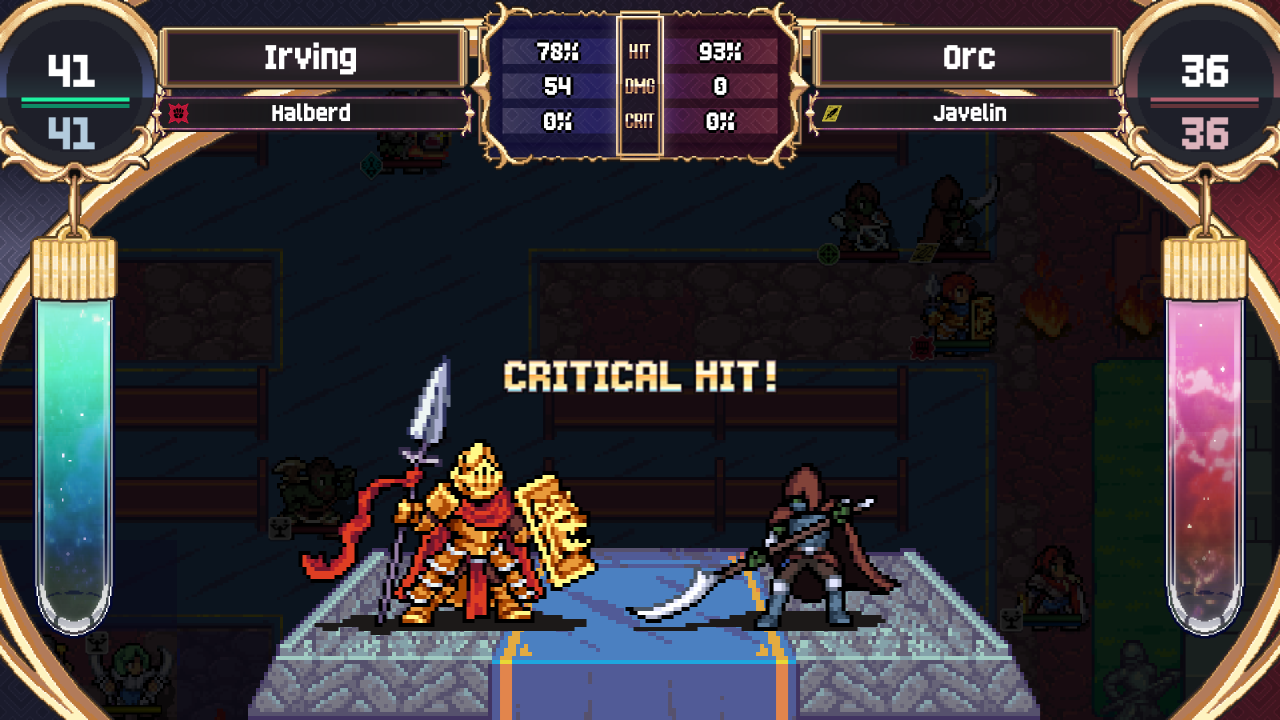
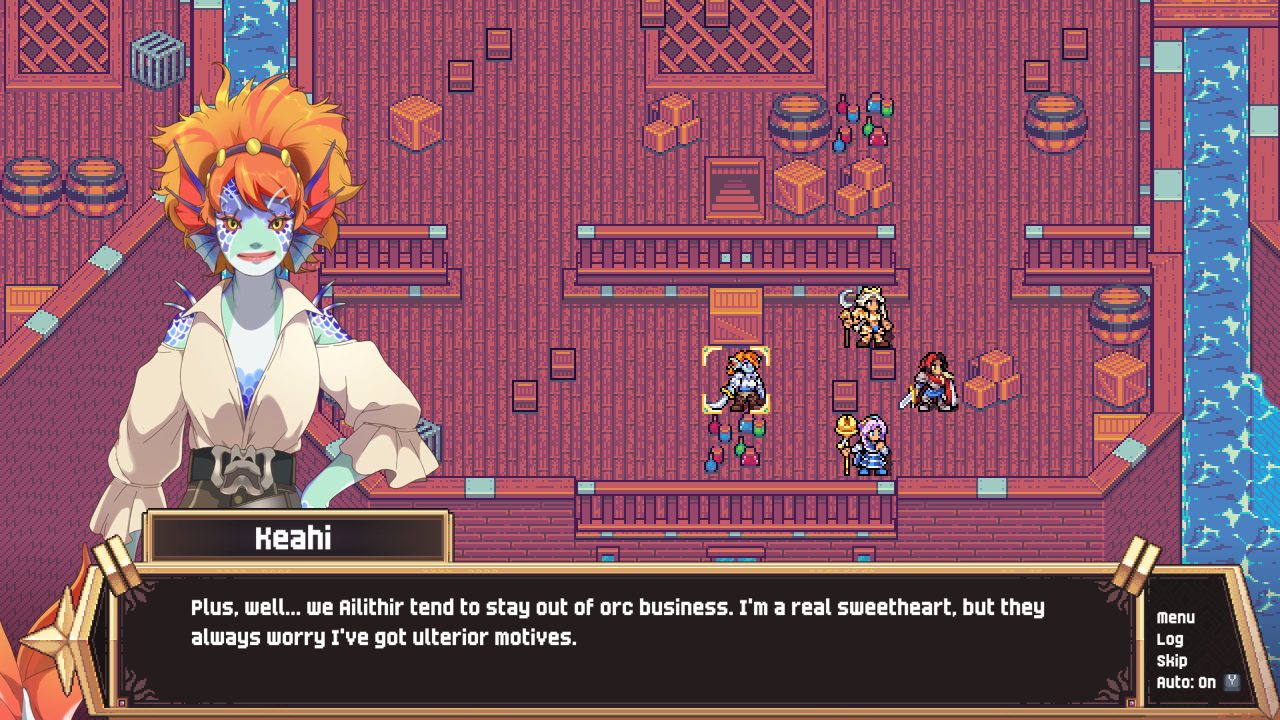
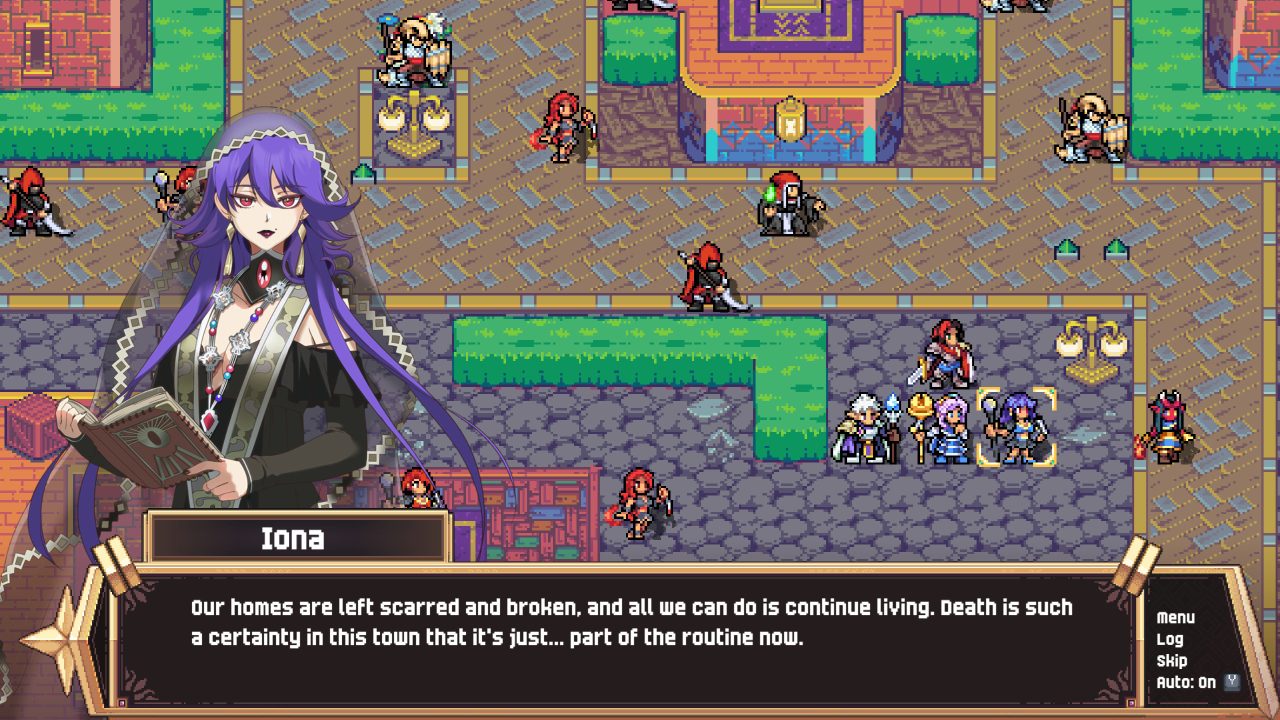
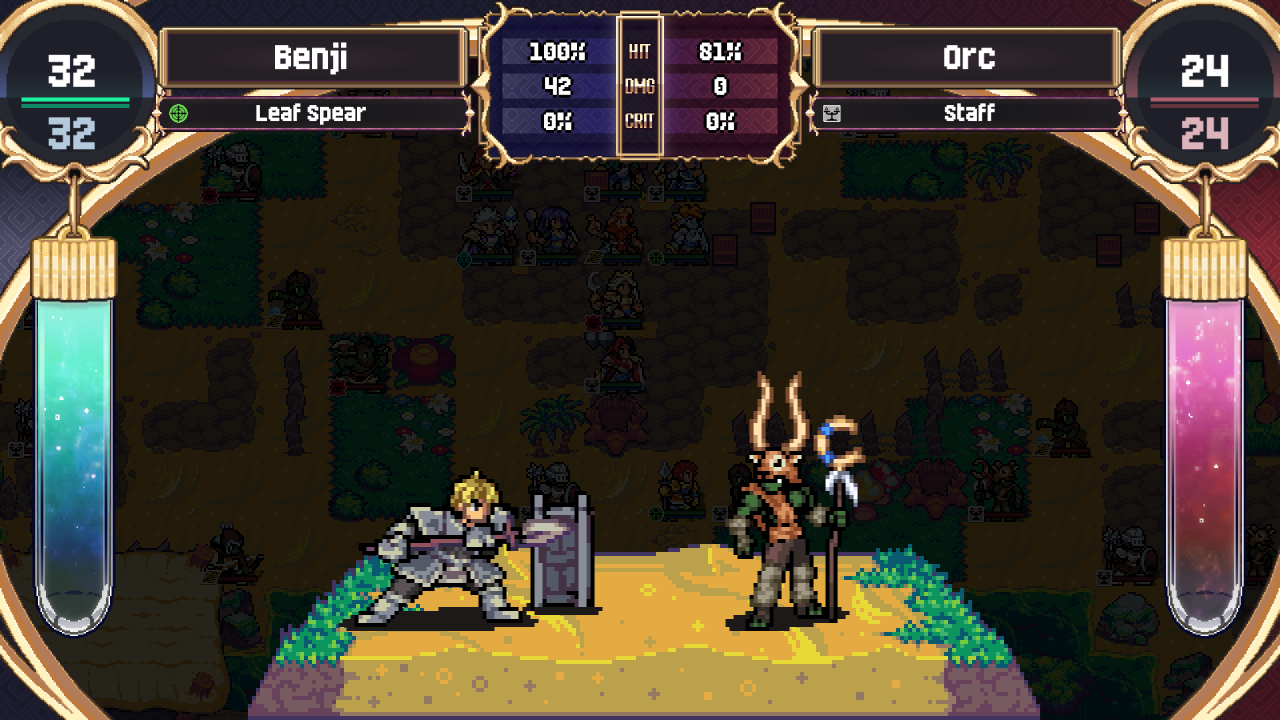
While an official release date for Dark Deity 3 remains elusive, the quality of the revealed assets and the clarity of the developer’s vision suggest that the game is in a healthy state of development. The visual style, which retains that vibrant, high-contrast pixel art that fans adore, looks more refined than ever, with fluid combat animations and expressive character portraits.
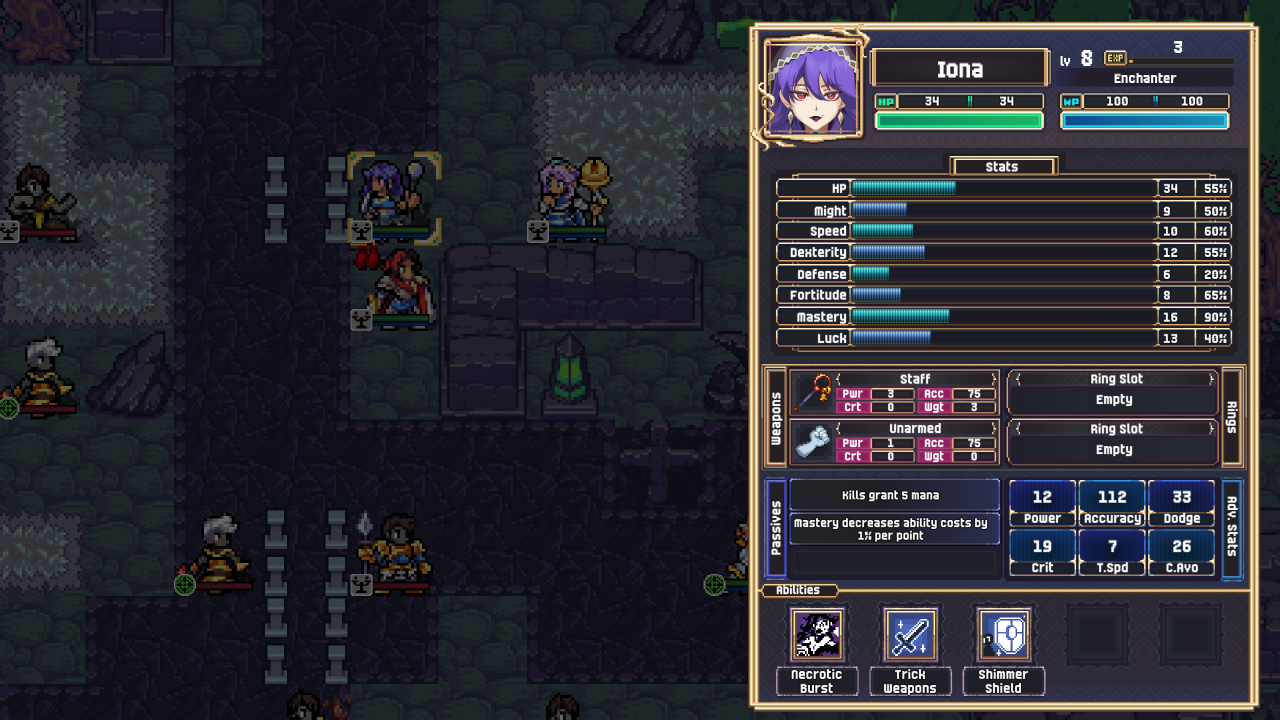
For those who have yet to experience the previous entries, there is no better time to catch up. The connective tissue between Dark Deity 2 and this upcoming finale appears to be quite strong, and having the context of the struggle for Terrazael will undoubtedly heighten the emotional stakes of the final act.
As we await further news—including potential ports to the Nintendo Switch or other platforms—it is clear that Dark Deity 3 is poised to be one of the most significant indie strategy titles of its window. It is the culmination of years of labor, feedback, and refinement, and for those who have followed the story of the Eternal Order from its humble beginnings, the end of the road promises to be nothing short of legendary.


 Asro
Asro
 Muslim