

By Kazim Alvi | Published June 5, 2026
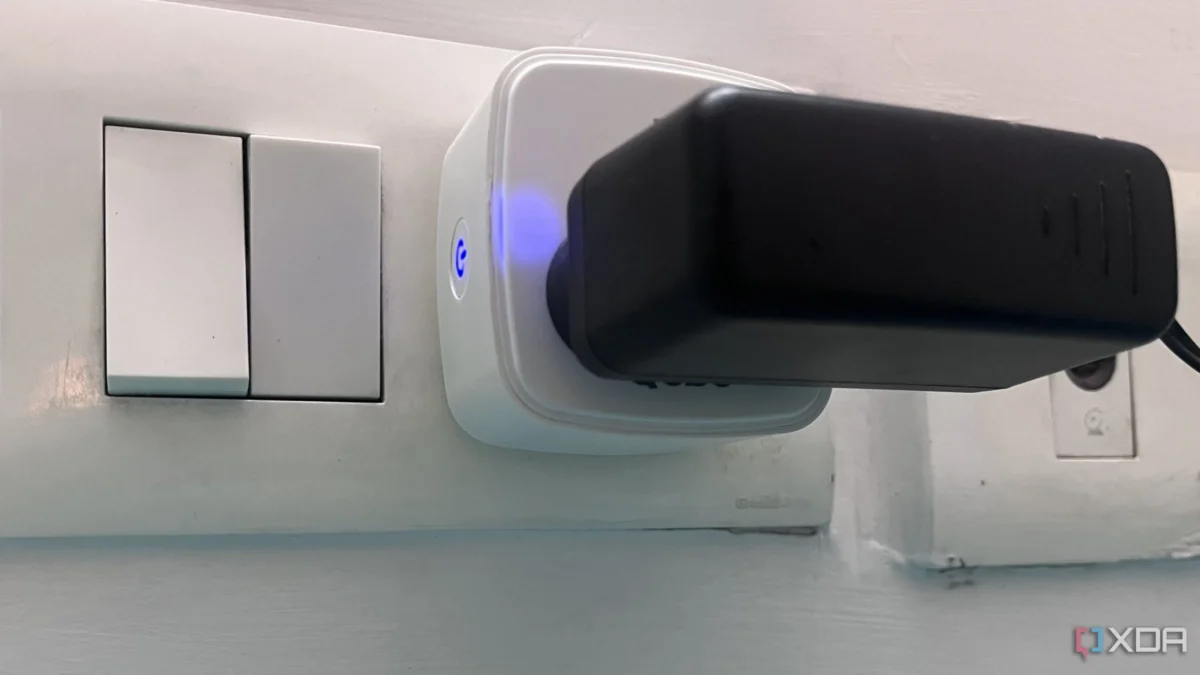
For many homeowners, the journey into the smart home ecosystem begins with a single, humble device: the smart plug. Initially marketed as a convenient way to bridge the gap between "dumb" legacy appliances and modern automation, these compact adapters were designed for simple tasks—scheduling coffee makers, remotely toggling floor lamps, or ensuring the iron was switched off after leaving the house. However, as the technology behind these devices has matured, their utility has transcended basic remote control. Today, smart plugs have quietly become indispensable diagnostic powerhouses, capable of troubleshooting complex network issues, identifying failing hardware, and eliminating the physical strain of managing hard-to-reach electronics.
The Evolution of the Smart Plug: From Switch to Sensor
The fundamental appeal of the smart plug has always been its simplicity. By placing a Wi-Fi-enabled relay between a wall outlet and a device, users gain total command over the power supply. Yet, the inclusion of granular energy monitoring sensors has transformed these devices from mere on/off switches into insightful data collectors.
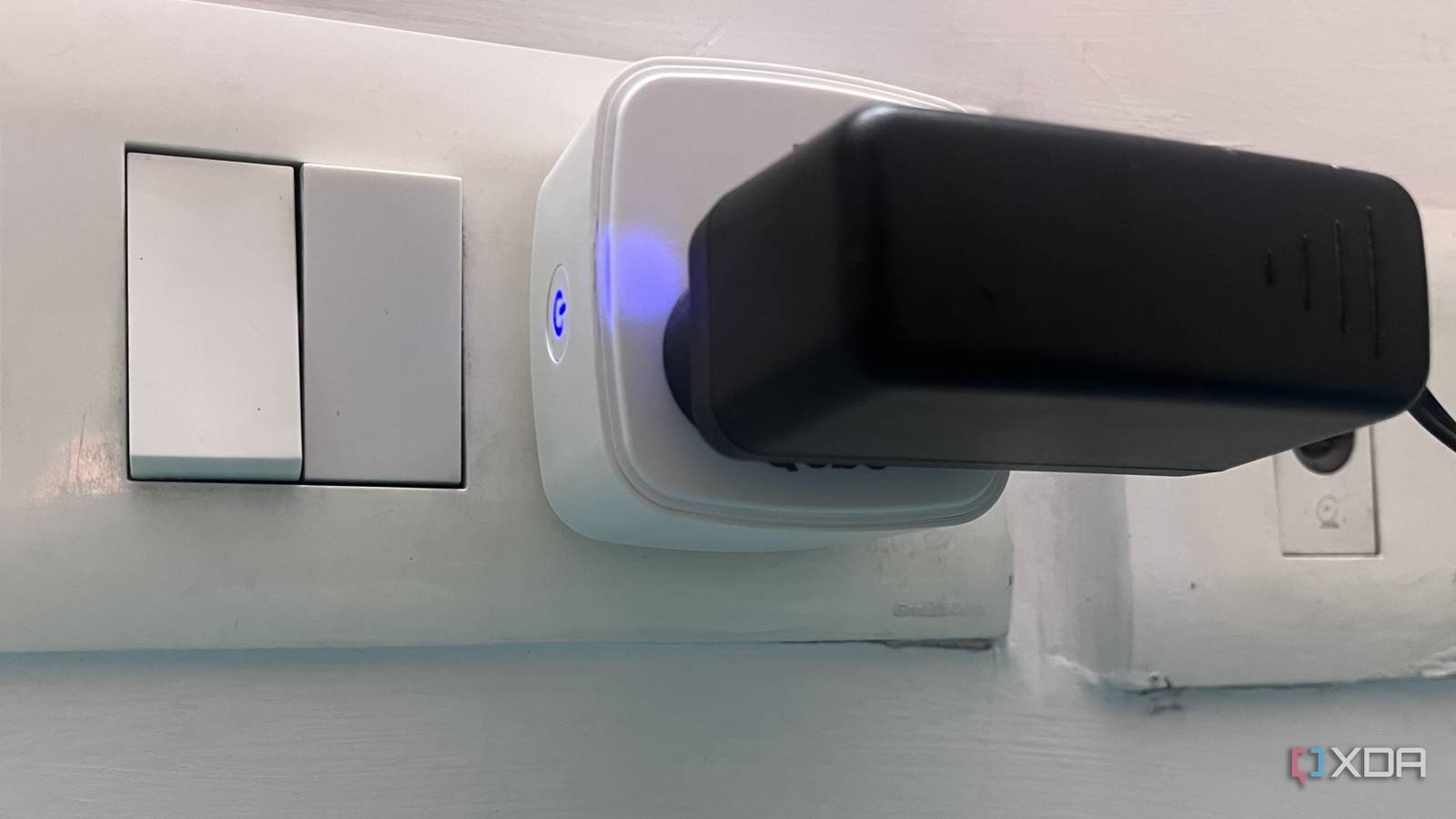
When I first integrated smart plugs into my home, my goal was rudimentary: I wanted to automate the power cycles for portable fans and ambient lighting. It wasn’t until I began reviewing the telemetry data provided by their companion apps that I realized the true potential. These devices provide a real-time window into the electrical health of household hardware. By tracking active power draw, users can now establish a baseline for how their devices should perform, turning the smart plug into a proactive monitoring tool rather than a reactive remote switch.
Troubleshooting Network Glitches: A Modern Necessity
In our hyper-connected era, the home router has transitioned from a background piece of equipment to the central nervous system of the household. With smart TVs, security cameras, IoT sensors, and high-bandwidth workstations all vying for connection, downtime is no longer a minor inconvenience—it is a significant disruption.
The Power Cycle Paradox
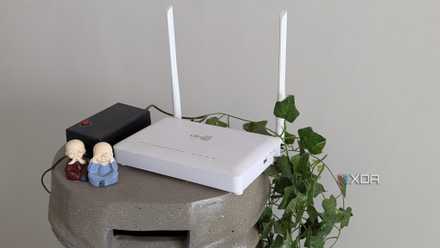
When an internet connection drops, the standard protocol from ISPs and IT support alike is the classic "power cycle." While effective, it is often an annoying manual process, especially when the router is tucked away in a cabinet or behind a desk. A smart plug serves as an automated remote-reboot interface. By cutting the power for 15 to 30 seconds and restoring it, users can force a hardware handshake with their ISP, often resolving temporary IP conflicts or memory leaks in the router’s firmware without having to physically access the hardware.

Implementing Scheduled Maintenance
To take this a step further, I have moved away from manual intervention entirely. By utilizing the scheduling features built into companion apps, I have configured my router to perform an automated "deep clean" reboot at 4:00 AM on Tuesdays and Saturdays. This ensures that the device is refreshed during periods of inactivity, effectively preventing the accumulation of cache errors that lead to mid-day service drops.
One common concern for users is the "chicken-and-egg" problem: if the router is off, the smart plug loses its internet connection, potentially rendering it unable to receive the "turn on" command. To mitigate this, I recommend investing in smart plugs that support dual-mode connectivity, specifically Wi-Fi and Bluetooth. In the event of a total network failure, a Bluetooth-capable plug can still be triggered via your smartphone at close range, ensuring you are never truly locked out of your own power supply.
Detecting Hardware Failure Through Power Profiling
Perhaps the most sophisticated application of a smart plug is its role as a diagnostic sensor for aging appliances. Every electrical device has a "signature"—a standard range of power consumption that it exhibits under normal operating conditions.
Identifying Anomalies
By monitoring the power draw of my portable fan, I was able to detect a mechanical failure before it became a safety hazard. The device typically operates at a steady 90W to 95W. When the readings dropped to 82W consistently, the change in current suggested an internal electrical resistance issue. Upon inspection by a professional, it was discovered that a capacitor was failing. By replacing the faulty component early, I avoided a complete motor burnout.
This methodology is particularly valuable for high-value appliances. Refrigerators, washing machines, and microwave ovens consume significant energy; by tracking their daily, weekly, and monthly power consumption through the smart plug’s dashboard, users can identify patterns that indicate internal degradation. A refrigerator that is suddenly drawing more power than usual may be struggling with a worn-out compressor or a damaged door seal that forces it to run longer cycles.
The Logistics of Hard-to-Reach Infrastructure
Beyond diagnostics and automation, there is a purely physical benefit to the smart plug: accessibility. Many of us have electronics installed in sub-optimal locations, such as behind heavy television units, mounted high on walls, or tucked into cramped utility closets.
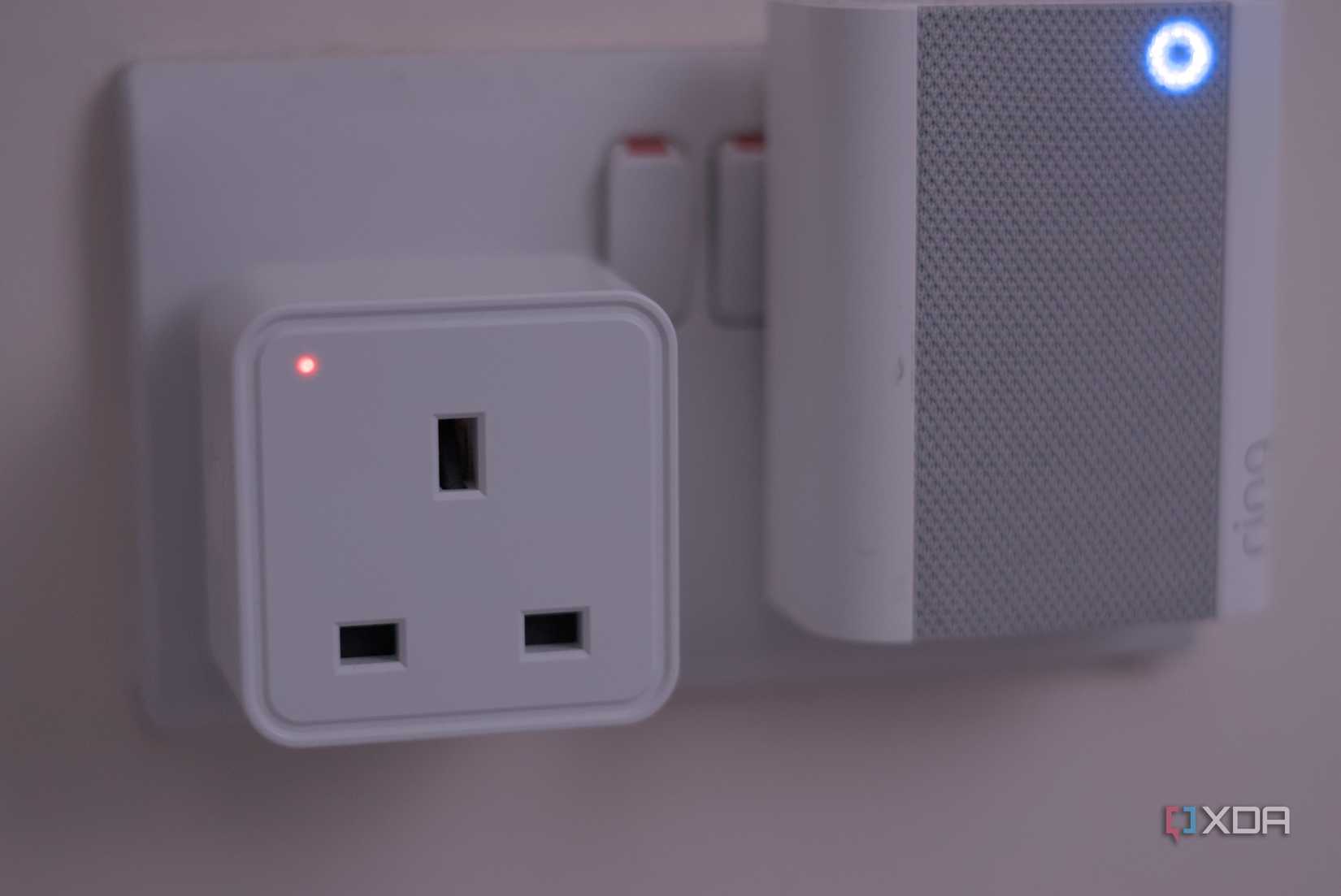
The Amazon Fire TV Stick, for example, is often plugged into the rear of a television where access is restricted. If the device freezes or becomes unresponsive, the prospect of moving a heavy entertainment center to pull the plug is a deterrent to maintenance. A smart plug installed at the outlet level allows for an instant power reset from the comfort of the sofa. This convenience extends to smart speakers, signal boosters, and security hubs that are frequently placed in high, out-of-reach locations to maximize coverage.
Implications for the Modern Smart Home
The broader implication of this trend is a shift in how we perceive the "Smart Home" concept. We are moving away from the era of "gadgetry for the sake of novelty" and into a period of "utility-driven infrastructure."
Cost-Efficiency and Sustainability
While the primary motivation for many users is convenience, the secondary benefit is financial. Smart plugs provide the data necessary to identify "vampire power"—energy consumed by devices while in standby mode. By identifying which appliances are drawing excessive current when they aren’t in use, users can make informed decisions about whether to unplug them or automate their power-down sequences. Over a year, this adds up to tangible savings on utility bills.
Reliability and Security
From an IT perspective, the ability to control power remotely adds a layer of resilience to the home network. If a security camera or a smart lock hub goes offline, the ability to remotely cycle its power provides a level of uptime that is difficult to achieve otherwise. This is critical for users who travel frequently and need to ensure their home automation systems remain functional while they are away.
Conclusion: A New Standard for Home Maintenance
The smart plug is no longer a peripheral accessory; it is a diagnostic tool that provides deep insights into the electrical behavior of our homes. By leveraging these devices for power cycle automation, hardware health monitoring, and remote accessibility, users can transform their home environment into a more resilient and efficient space.
As I look toward expanding my own setup, the goal is clear: to ensure that every major piece of hardware in my house is connected to a smart plug. The initial investment is minimal—often costing less than the price of a single movie ticket—but the return on investment in terms of time saved, hardware lifespan extended, and network stability is substantial. Whether you are a tech enthusiast or a casual user, the smart plug is the most cost-effective diagnostic tool you can add to your toolkit. It is time we stop viewing them as simple switches and start treating them as the silent, vigilant monitors they have truly become.












No comments yet. Be the first to join the conversation!