Siti Muinah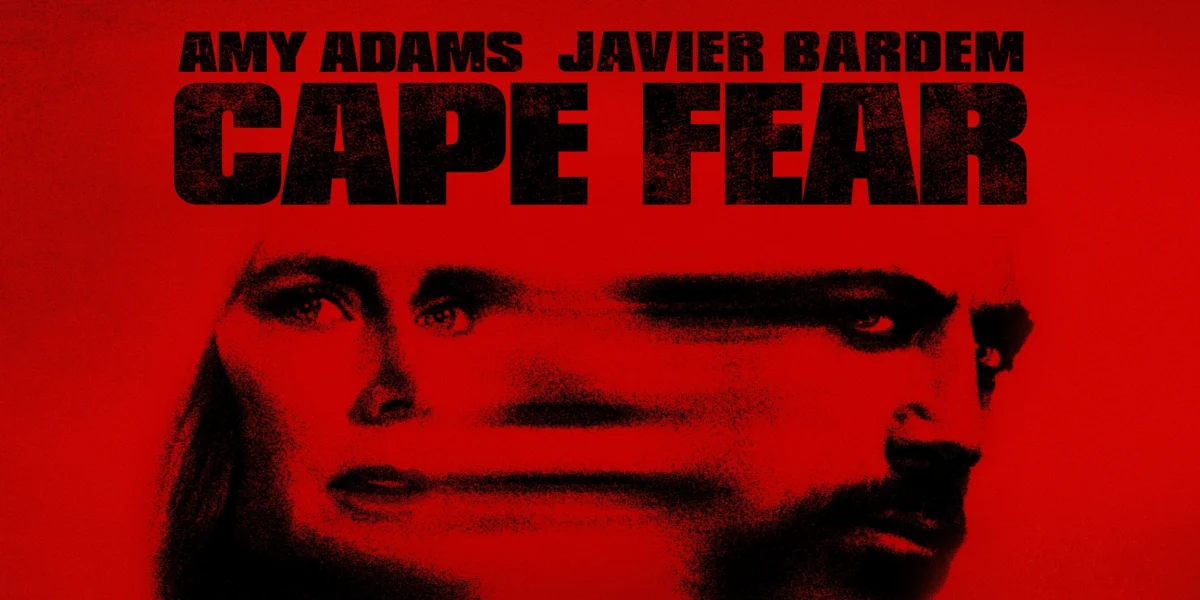
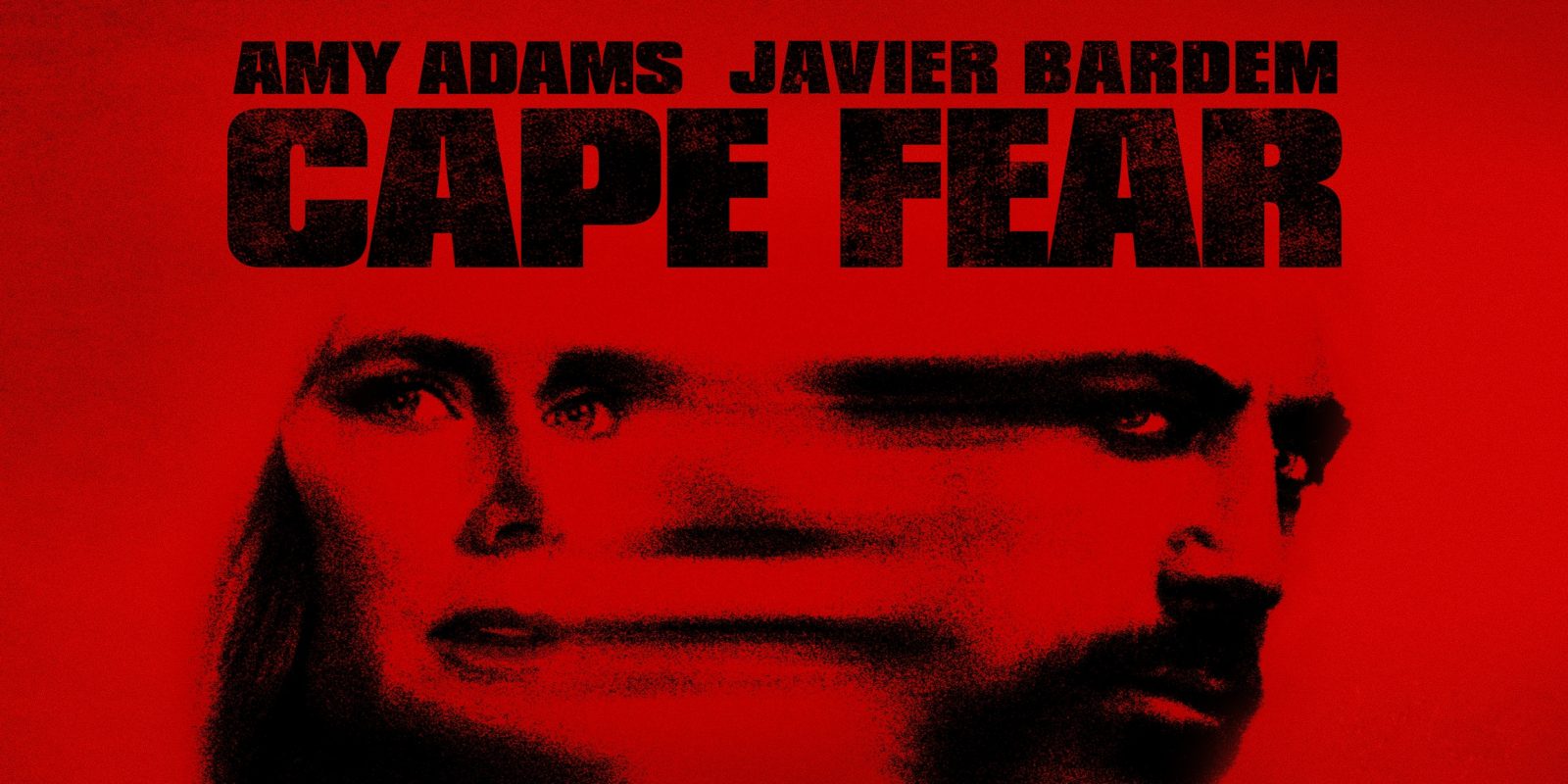
The psychological thriller has long been a cornerstone of prestige television, and today, Apple TV+ enters the fray with its most ambitious limited series to date: a reimagined, modern-day adaptation of Cape Fear. Premiering globally on June 4, the series promises to bring a visceral, updated lens to one of cinema’s most enduring stories of obsession and vengeance.
Starring Amy Adams, Javier Bardem, and Patrick Wilson, the series marks the first time this iconic narrative—previously defined by the 1962 original and Martin Scorsese’s 1991 powerhouse remake—has been adapted for the episodic television format. With the first two episodes now available for streaming, the production aims to set a new benchmark for tension-filled drama in an increasingly crowded streaming landscape.
Main Facts: A Tense Return to the Bayou
The core premise of Cape Fear remains as haunting as ever: a married couple of attorneys find their carefully constructed lives unraveling when a man they once helped put behind bars is released from prison. However, the Apple TV+ iteration, while honoring the source material, is far from a frame-by-frame remake.
The series shifts the narrative into the contemporary era, integrating the pervasive influence of modern technology. Characters now grapple with digital footprints, the invasive nature of social media, and the voyeuristic reach of true crime podcasts—all elements that heighten the sense of vulnerability in a hyper-connected world. Despite these modern trappings, the psychological heartbeat of the show remains grounded in the chilling dynamic between the victimized couple and the unhinged antagonist, Max Cady, brought to life with ferocious intensity by Javier Bardem.
The limited series will roll out on a weekly basis, maintaining the "watercooler" momentum that has become a staple of Apple’s streaming strategy. Following the two-episode premiere today, viewers can expect new installments every Wednesday, leading to a highly anticipated series finale on July 31.

The Chronology: A Story Reborn Across Decades
To understand the significance of this release, one must look at the historical weight the Cape Fear title carries.
- 1962: The Origin. John D. MacDonald’s novel The Executioners was first adapted into the classic film starring Gregory Peck and Robert Mitchum. It established the template: a cat-and-mouse game involving legal ethics and personal retribution.
- 1991: The Scorsese Phenomenon. Martin Scorsese’s gritty, neon-soaked remake starring Robert De Niro and Nick Nolte turned the story into a cultural touchstone. It was a massive box-office success and remains one of the most studied thrillers in modern cinema.
- 2024-2026: The Development Phase. Following the success of high-concept dramas on Apple TV+, the studio began shopping for a series that could leverage star power with a recognizable brand. Development on this version prioritized a shift from the "lawyer vs. criminal" dynamic to a broader exploration of how personal secrets are exposed in the digital age.
- June 4, 2026: The official launch. The series is released across all Apple TV+ supported regions, marking a major summer tentpole for the service.
Supporting Data and Critical Reception
Critical reception for the new Cape Fear has been largely favorable, with the series currently holding a 73% "Fresh" rating on Rotten Tomatoes. Reviewers have been quick to highlight the performances as the primary driver of the show’s success.
Javier Bardem’s portrayal of Max has been described by critics as "manic," "terrifying," and "unpredictable." Unlike previous iterations, where the villain was often portrayed as a brute-force antagonist, Bardem’s version of Cady utilizes psychological warfare and manipulation, making him feel like a modern threat capable of dismantling a family’s reputation before ever landing a physical blow.
Data regarding viewership trends on Apple TV+ suggests that the platform’s "prestige limited series" model—characterized by high-production values and short, punchy episode counts—consistently outperforms long-running procedural dramas. By capping the story at a specific episode count, Apple ensures the narrative remains tight and free of the "filler" often found in broadcast network series.
Official Responses and Creative Vision
The creators of the series have emphasized that the decision to adapt Cape Fear for television was not made lightly. "We weren’t interested in just retreading the past," noted one of the show’s executive producers during a recent press junket. "We wanted to explore what happens to a person’s sanity when the legal system fails them, and how an antagonist in 2026 has so many more tools at their disposal to cause harm than they did in 1991."
Amy Adams, who anchors the series alongside Patrick Wilson, has lauded the script for its exploration of privacy. "In the age of smartphones, you are never truly off-duty. That constant feeling of being watched is exactly what we wanted to capture," she stated.
The production team also confirmed that the series utilizes the high-dynamic-range (HDR) capabilities of the Apple TV+ platform to emphasize the shifting moods of the Louisiana setting, moving from the oppressive heat of the day to the claustrophobic, neon-lit nights.
Implications: Apple’s Growing Streaming Dominance
The release of Cape Fear is emblematic of Apple TV+’s broader strategy: investing in high-profile intellectual property (IP) to compete with industry giants like Netflix and HBO. By pairing big-budget production values with A-list talent like Bardem and Adams, Apple is successfully positioning itself as the "home of quality," rather than just quantity.
A Hot Streak for Apple TV+
The company has been on an undeniable winning streak. The current lineup of original content is robust, offering a diverse array of genres that cater to varying demographics:
- Genre-Bending Thrillers: Widows Bay (horror-comedy) and Maximum Pleasure Guaranteed have both found niche audiences who appreciate dark, unconventional humor.
- Sci-Fi Grandeur: Star City continues to receive praise for its world-building and complex narrative arcs.
- Upcoming Anticipation: The return of Sugar, featuring Colin Farrell, is slated for later this month, while the new drama Lucky is expected to carry the momentum into the mid-summer months.
The implication for the subscriber is clear: Apple is moving toward a model where every month features at least one "must-watch" series. By using a "one-off" series like Cape Fear to pull in new subscribers, and following up with returning hits like Sugar, Apple is effectively reducing subscriber churn.

How to Watch: A Guide for the Modern Viewer
For those looking to dive into the series, accessibility remains a core focus for the platform.
Subscription Details:
- New Users: Apple offers a seven-day free trial for new accounts, providing a low-friction entry point to binge the first two episodes of Cape Fear.
- Pricing: Following the trial, the monthly subscription provides ad-free, 4K HDR access to the entire library of Apple Originals.
Device Compatibility:
The Apple TV app has been optimized for a near-universal range of devices. Users can stream Cape Fear on:
- Mobile/Desktop: iPhone, iPad, Mac, and Windows-based web browsers.
- Living Room: PlayStation 5, Xbox Series X/S, Amazon Fire Stick, Roku, and smart TVs via the Apple TV app.
- Web: Direct access via
tv.apple.com.
Managing Your Queue:
To ensure you don’t miss a beat, users are encouraged to utilize the "Add" button within the Apple TV interface. This creates a personalized notification system, alerting you the moment a new episode is available. Given the high-stakes nature of Cape Fear, spoiler culture is expected to be rampant on social media; setting notifications is the most effective way to stay ahead of the curve and participate in the weekly discourse.
As Cape Fear takes its place in the pantheon of summer thrillers, it serves as a potent reminder of why we continue to return to these stories. Whether it’s 1962, 1991, or 2026, the fear of the unknown—and the terror of a past that refuses to stay buried—is a universal experience. With its mix of top-tier acting, modern relevance, and high-stakes tension, the new Cape Fear is poised to be the defining thriller of the summer.



 Layla Zulfa