Pevita Pearce
The Yellowstone universe has long been defined by high-stakes power dynamics, blood feuds, and the brutal reality of the American West. When the spin-off Dutton Ranch debuted, it promised to maintain that visceral intensity while transposing the iconic characters of Rip Wheeler (Cole Hauser) and Beth Dutton (Kelly Reilly) into the volatile landscape of Rio Paloma, Texas. For the first four episodes, the series delivered exactly that, earning critical acclaim for its gritty atmosphere and a compelling, central conflict: the underdog struggle of the Duttons against the formidable 10 Petal Ranch and its matriarch, Beulah Jackson (Annette Bening).
However, with the arrival of the fifth episode, the narrative trajectory of the series has taken a jarring turn. By pivoting from a hostile rivalry to an unexpected alliance, the show’s creative team has invited significant scrutiny from its fanbase. What was once a high-tension clash of titans has suddenly shifted into a diplomatic collaboration, leading many to wonder if the show has effectively gutted its most compelling storyline before it could reach its natural climax.
The Chronology of Conflict: From Rivalry to Reconciliation
To understand why the fifth episode feels like a misstep, one must examine the momentum built in the series’ opening act. Dutton Ranch succeeded where other Yellowstone offshoots struggled—not by reinventing the wheel, but by perfecting the "ranch vs. ranch" dynamic.
The Setup (Episodes 1-3)
The initial episodes established a clear hierarchy. Rip and Beth, accustomed to ruling the Montana plains, found themselves displaced and stripped of their traditional power in Texas. The introduction of 10 Petal Ranch served as the perfect foil. Beulah Jackson was positioned as a quiet, fearsome antagonist, a woman who commanded respect through cold, calculated power. The tension between Beth and Beulah was palpable, anchored by a series of tense encounters at cattle auctions and local government meetings that hinted at a long-simmering rivalry.
The Catalyst (Episode 4)
Episode 4 acted as the series’ emotional and narrative peak. In one of the most harrowing sequences in the history of the Yellowstone franchise, viewers watched as Rip Wheeler was forced to systematically cull his own herd following a devastating outbreak of foot-and-mouth disease. The scene was a masterclass in production, focusing on the crushing weight of loss on Rip’s face as he destroyed the future of the ranch he had fought so hard to build.
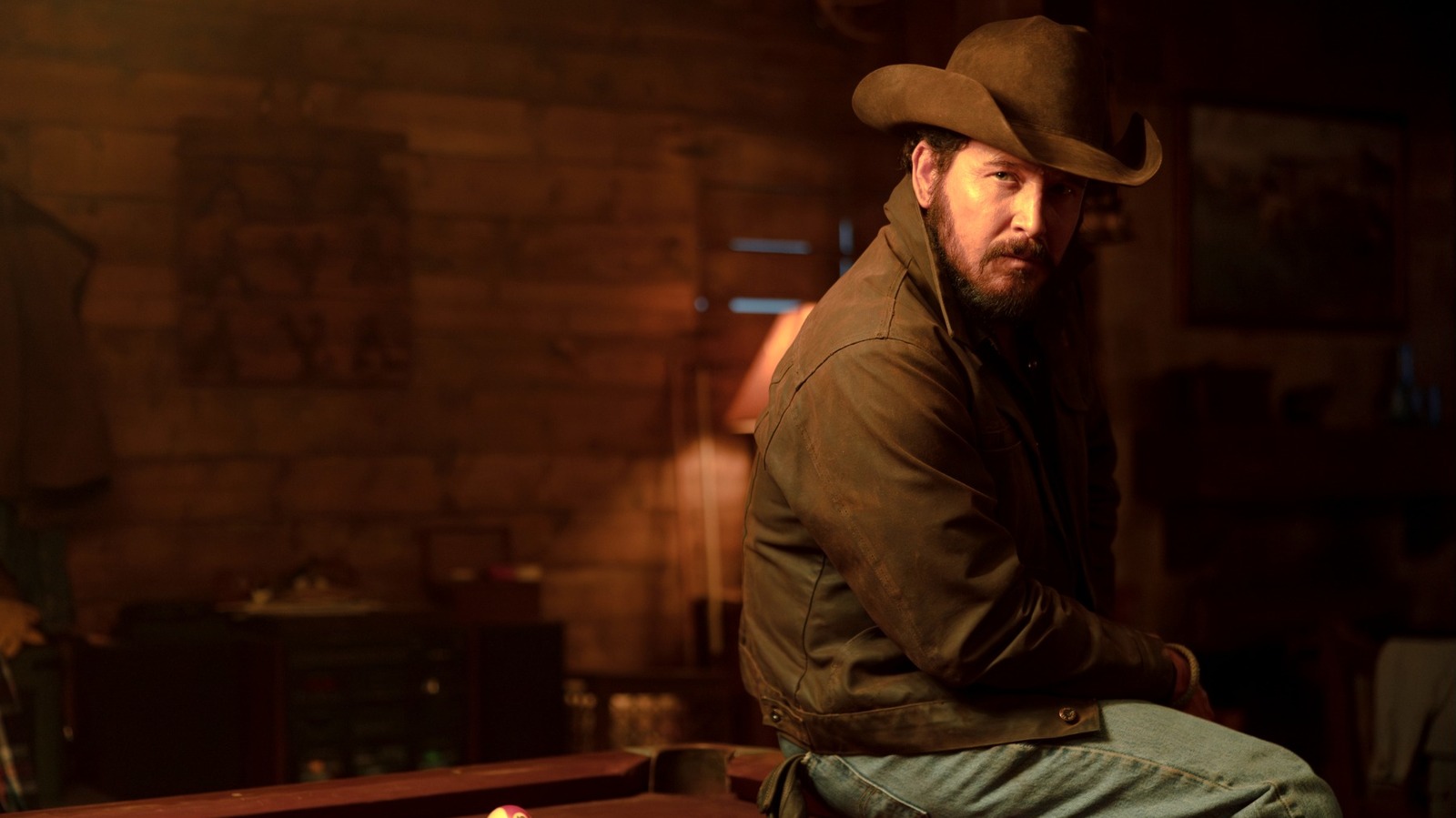
Crucially, the episode planted the seeds of conspiracy. Rip’s observation that the infected bull originated from a questionable source in Mexico suggested that 10 Petal Ranch was not just a competitor, but a malicious actor utilizing biological warfare to facilitate a hostile takeover. The audience was primed for a revenge arc—a violent, satisfying retaliation from the Duttons.
The Shift (Episode 5)
In a move that caught viewers off guard, Episode 5 discarded the anticipation of a showdown. Instead of digging trenches, the characters seemingly put down their weapons. Rip accepts a foreman position at 10 Petal, and Beth begins providing high-level marketing consultancy to Beulah Jackson. The tension evaporated in a single hour of television, replaced by boardroom-style dialogue and superficial civility.
Supporting Data: Why the Audience Feels Betrayed
The reaction to this narrative shift highlights a broader challenge in modern television writing: the "tension vs. resolution" balance. According to audience sentiment and social media discourse surrounding the episode, the primary dissatisfaction stems from the feeling of "bait and switch."
- Loss of Stakes: The "ranch vs. ranch" conflict provided a clear, binary struggle that made the show easy to follow and emotionally resonant. By neutralizing this, the show loses its primary driver for pacing.
- Character Devaluation: Fans argue that Beth Dutton, known for her cutthroat, take-no-prisoners approach to business and family defense, would never realistically "buddy up" with a woman she suspects of sabotaging her livelihood. This shift risks undermining the established characterization of the leads.
- Narrative Fatigue: By resolving the conflict through a merger of interests rather than a battle of wills, the show risks entering a "stagnant period," where the stakes are relegated to internal office politics rather than the life-or-death scenarios that define the Yellowstone brand.
Official Responses and Creative Direction
While Paramount+ and the show’s creative team have maintained a tight lid on the long-term arc, the shift in tone suggests a deliberate attempt to steer the series toward a more complex, multi-layered political drama rather than a straightforward action-Western.
Insiders familiar with the production have hinted that the writers are interested in exploring "the grey areas of corporate ranching," suggesting that the conflict will shift from physical confrontations to economic and legal warfare. However, this shift assumes that the audience’s appetite for high-stakes melodrama will transition seamlessly into an appetite for corporate intrigue.
The Implications: Where Does the Show Go From Here?
The critical question now facing Dutton Ranch is whether it can recover its momentum. There are essentially two paths forward, both of which carry significant risks.
The "Trojan Horse" Strategy
It is entirely possible that this alliance is a ruse—a long-con strategy designed to allow Rip and Beth to infiltrate 10 Petal Ranch and dismantle it from within. While this would satisfy the audience’s desire for a payoff, it creates a secondary problem: if they succeed, they become the "Big Dogs" of Texas.
If the Duttons become the dominant, untouchable force in the region, the show loses the very thing that made it interesting—the struggle of the underdog. Dutton Ranch worked because Rip and Beth were outsiders. If they end the season as the kings of the Rio Paloma valley, the show essentially becomes a carbon copy of the original Yellowstone series, which may lead to franchise fatigue.
The "New Direction" Strategy
If the alliance is genuine and the show intends to move away from the conflict entirely, it must pivot to a new antagonist quickly. The current momentum, once lost, is notoriously difficult to regain. Without the immediate threat of 10 Petal Ranch, the show risks drifting into episodic, low-stakes drama that fails to capture the intensity that viewers of the Yellowstone universe have come to expect.
Conclusion: A Turning Point for the Franchise
Dutton Ranch proved that the Yellowstone universe could evolve, fixing the pacing and structural issues that hampered other spin-offs like Marshals. By successfully grounding the show in the personal and professional struggles of its protagonists, it built a loyal following in record time.
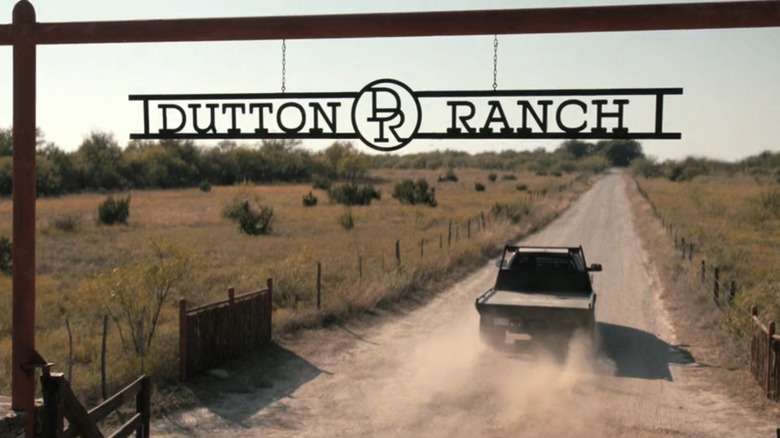
However, Episode 5 represents a critical pivot. By collapsing the central tension, the show has effectively hit the "reset" button. Whether this was a calculated risk intended to deepen the mystery or a narrative miscalculation that sacrificed the show’s strongest asset, remains to be seen. As it stands, Dutton Ranch is at a crossroads. It can either lean into the complexities of this new alliance and find a fresh source of danger, or it can risk losing the very audience that tuned in for the fire-and-brimstone intensity of the early episodes.
The upcoming episodes will be the ultimate litmus test. If the writers cannot justify this shift with a compelling payoff, they may find themselves having "culled the herd" of their own viewership. For now, fans can only wait, watch, and hope that the current calm is merely the prelude to an even greater, albeit more complicated, storm.


 Rifan Muazin
 Basiran