Reynand Wu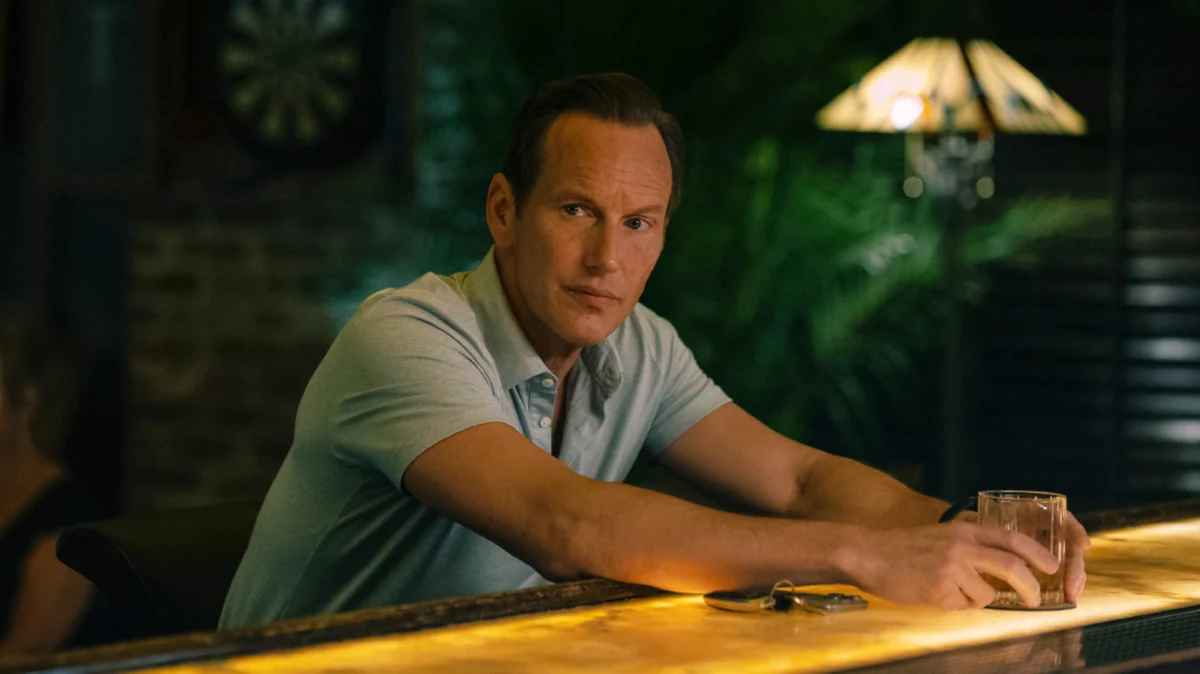
The landscape of modern television has seen a definitive shift toward prestige, high-stakes psychological drama, and few projects have generated as much anticipation as Apple TV’s reimagining of Cape Fear. While the IP is rooted in the 1962 original and Martin Scorsese’s gritty 1991 remake, the 2026 limited series offers a fresh, contemporary lens on a classic narrative of obsession and vengeance. At the heart of this storm stand two of Hollywood’s most accomplished performers: Amy Adams and Patrick Wilson.
While Adams needs little introduction, her co-star, Patrick Wilson, has become a subject of intense audience curiosity. Viewers tuning into Cape Fear are finding themselves struck by a sense of recognition—a "where have I seen him?" moment that persists throughout the episodes. This is no accident. Over the past two decades, Wilson has quietly built one of the most robust, versatile, and enduring filmographies in the industry.
The Premise: A High-Stakes Legal Thriller
Cape Fear follows the lives of Anna and Tom Bowden, a married couple of high-powered attorneys whose professional successes are abruptly overshadowed by the return of a ghost from their past. Max Cady, a notorious criminal whom the Bowdens were instrumental in imprisoning, is released from incarceration. Driven by a singular, sadistic desire for retribution, Cady systematically dismantles the Bowdens’ sense of security.
Created by Nick Antosca, the series has been praised by critics for its taut pacing and psychological complexity. In his review for /Film, Bill Bria described the series as "intense and insidiously manipulative," highlighting the way the show elevates the source material from a straightforward stalker thriller into a nuanced exploration of moral ambiguity and the erosion of domestic safety.
A Career Built on Consistency: The Chronology of Patrick Wilson
To understand why Patrick Wilson feels like a permanent fixture of the cinematic landscape, one must look at his trajectory, which began in the early 2000s. His professional journey is a masterclass in industry longevity, characterized by a willingness to pivot between genres—from Broadway stages to superhero blockbusters and low-budget horror phenomena.
The Early Years and Breaking Out
Wilson’s career trajectory began in earnest with the acclaimed HBO miniseries Angels in America (2003). His portrayal of Joe Pitt demonstrated a vulnerability and dramatic range that caught the attention of casting directors across Hollywood. His transition to feature films in 2004’s The Alamo was a significant, if commercially difficult, moment. Despite the film being a major box office disappointment, Wilson’s performance stood out, marking him as a talent capable of anchoring large-scale historical dramas.
Throughout the mid-2000s, Wilson navigated a diverse range of projects:
- 2004: The Phantom of the Opera (showcasing his musical theater background).
- 2005: Hard Candy, a breakout indie thriller that proved he could hold his own in high-intensity, dialogue-heavy chamber pieces.
- 2006: Little Children, a drama that solidified his reputation as an actor who thrives in roles centered on the complications of suburban life.
The Superhero and Horror Turning Points
The year 2009 served as a major turning point in Wilson’s visibility with his role as Nite Owl in Zack Snyder’s Watchmen. This was the moment Wilson moved into the realm of the "blockbuster actor." However, rather than becoming a stereotypical action star, he leaned into his collaborative partnership with director James Wan.
This relationship would define the next decade of his career. In 2010, Wilson starred in Insidious, a micro-budget horror film that became a cultural phenomenon. The film’s success was tethered to Wilson’s grounded performance, which allowed audiences to buy into the supernatural premise. This led to his role as Ed Warren in The Conjuring (2013), a franchise that would become a cornerstone of modern horror cinema. Wilson’s ability to imbue the paranormal investigator role with gravitas and empathy helped turn the Conjuring universe into a multi-billion-dollar enterprise.
Supporting Data: The Breadth of the Wilson Filmography
It is rare to find an actor who has successfully navigated as many disparate sub-genres as Patrick Wilson. His filmography reads like a roadmap of the last twenty years of Hollywood production trends.
| Genre | Notable Projects |
|---|---|
| Horror/Supernatural | Insidious (Series), The Conjuring (Universe) |
| Superhero/Sci-Fi | Watchmen, Aquaman (1 & 2), Moonfall |
| Drama/Thriller | Little Children, The Founder, The Commuter |
| TV Prestige | Fargo (Season 2), Girls, A Gifted Man |
Beyond his film work, his contribution to television has been equally significant. His role as Lou Solverson in the second season of Fargo remains one of his most lauded performances, earning him a Golden Globe nomination. This role required him to portray a man of unyielding integrity amidst a chaotic, violent landscape—a precursor to the themes he explores in Cape Fear.
Official Perspectives and Behind-the-Scenes Synergy
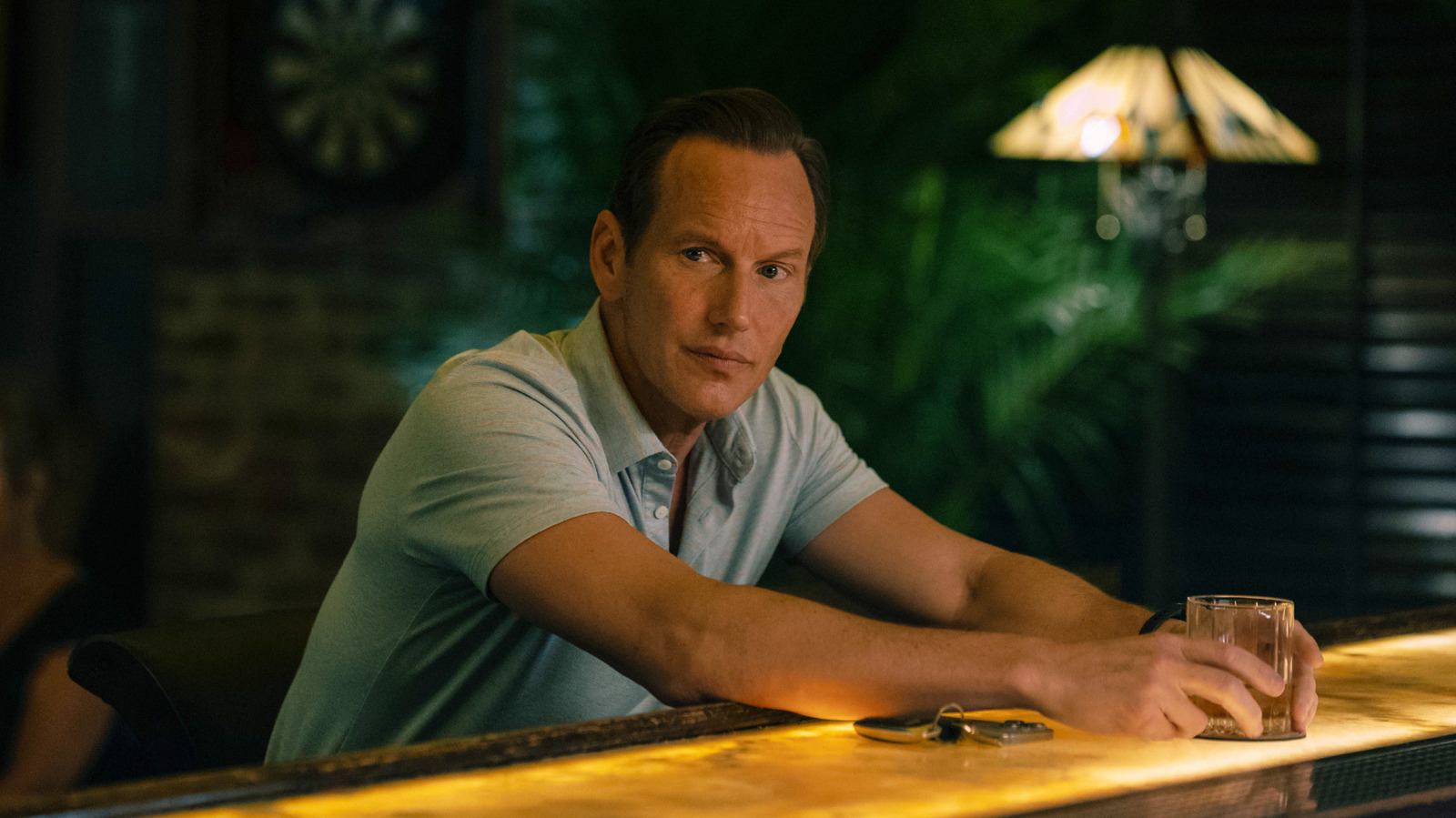
The casting of Wilson as Tom Bowden in Cape Fear was a deliberate choice by the production team. Bringing in a performer with such a vast, "everyman" resume creates an immediate sense of rapport with the audience. When a viewer sees Wilson, they don’t just see a character; they see a synthesis of the roles he has inhabited—the protective husband, the seasoned investigator, and the man pushed to his limits.
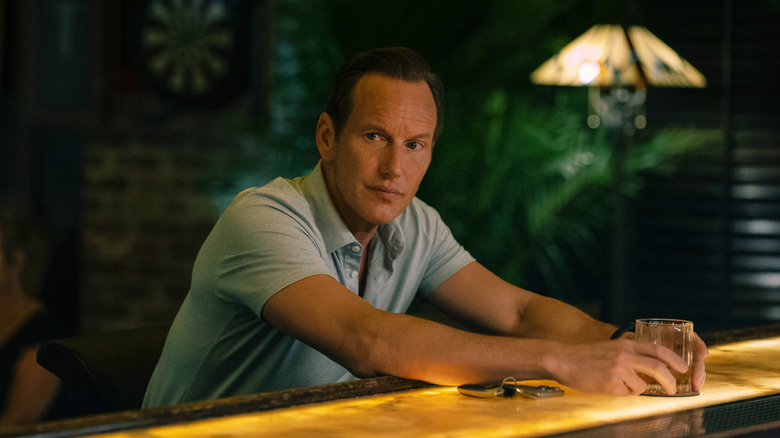
Producers Martin Scorsese and Steven Spielberg have long championed the idea of casting actors who bring their own "cinematic history" to a project. By casting Wilson alongside Amy Adams—an actress with a similar track record of high-caliber performances—the show benefits from a pre-existing sense of gravitas. The chemistry between Adams and Wilson is designed to feel lived-in; they portray a couple whose professional background in law provides them with the tools to fight Cady, even as their personal foundations are crumbling.
The Implications: Why He Matters to the Thriller Genre
The "everyman" archetype in thrillers is a precarious one to maintain. If the actor is too vulnerable, the audience loses faith in their ability to fight back. If they are too capable, the suspense evaporates. Patrick Wilson occupies the "goldilocks zone" of this archetype. His performance in Cape Fear relies on his ability to express controlled desperation.
The implications of his casting extend to the way Cape Fear is received by the streaming audience. Apple TV has invested heavily in prestige, and Wilson represents a "prestige-by-proxy" brand. He is an actor who rarely appears in a project that lacks a solid script or a compelling director. Consequently, his presence acts as a quality signal for the audience.
Furthermore, his work in Cape Fear showcases a maturation of his craft. While his earlier roles often relied on his physical charisma, his portrayal of Tom Bowden is more internal. He is playing a man whose expertise in the legal system is rendered useless by an adversary who operates entirely outside the boundaries of the law. This conflict—the clash between institutional order and raw, chaotic malice—is the beating heart of the series.
Conclusion: A Legacy of Reliability
As audiences continue to digest the latest episodes of Cape Fear, the "familiarity" factor of Patrick Wilson will likely transition into a deeper appreciation for his craft. He is not merely an actor who pops up in high-profile projects; he is a cornerstone of the modern entertainment ecosystem. Whether he is directing a chapter of a horror franchise, squaring off against a supervillain in the DCEU, or navigating the psychological terror of a series produced by cinema legends, Wilson remains a constant.
In an industry that often favors flash-in-the-pan fame, Patrick Wilson’s career stands as a testament to the power of consistent, high-level performance. As Cape Fear cements its status as a must-watch television event, Wilson’s role as Tom Bowden serves as a reminder of why he has remained a go-to performer for over two decades. He is the anchor that holds the tension, the face that feels like home, and the talent that ensures the thriller keeps us watching until the very last frame.


 Sagoh
Sagoh
 Nana Wu