In the rapidly evolving landscape of digital aesthetics, the boundary between the virtual and the tangible is becoming increasingly porous. A provocative new creative project has captured the attention of the design community by posing a deceptively simple question: What if our favorite digital platforms were not merely lines of code or cloud-based services, but physical consumer goods sitting on a supermarket shelf?

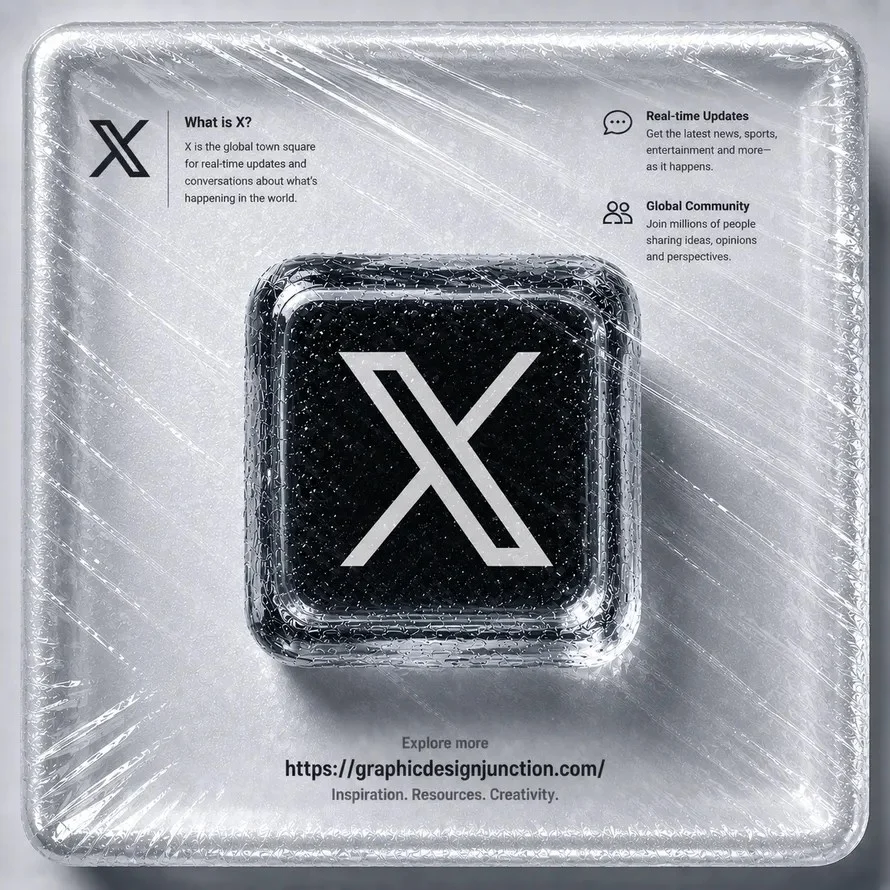
This expansive AI-generated poster series transforms tech giants and creative tools—from ChatGPT and Instagram to Nvidia and WordPress—into premium, retail-ready products. By stripping these entities of their digital context and reimagining them through the lens of traditional industrial packaging, the project offers a profound commentary on the nature of brand recognition in the 21st century.

The Genesis of the Concept: Bridging the Digital-Physical Divide
The project emerged from a desire to challenge the conventions of modern graphic design. Most consumers interact with brands like LinkedIn, TikTok, or Claude through the cold, flat interface of a screen. The creative team behind this series sought to break this cycle of familiarity by introducing a tactile, "real-world" element.

The conceptual framework was rooted in the aesthetics of high-end retail. Each brand was reimagined as a product encased in a sterile, white disposable foam tray, shielded by a taut layer of transparent plastic film. This specific choice of presentation evokes the feeling of premium goods—perhaps a high-end electronics peripheral or a luxury gourmet item—forcing the viewer to process the brand’s identity as a physical object rather than a utility.

A Chronology of Artistic Exploration
The development of this series did not happen overnight; it was a deliberate, iterative process that unfolded through the following phases:

- Conceptualization (Q1 2026): Designers identified the most recognizable logos in the tech sector, focusing on those with strong, iconic visual identities.
- Technological Integration: The team utilized advanced AI image generation models to simulate complex 3D rendering, a task that would have historically required months of professional photography and expensive 3D modeling software.
- Refining the Visual Language: The team settled on the "Crystal-Inspired Logo Effect." By transforming flat, vector-based logos into three-dimensional, glossy, crystal-like objects, they added depth, weight, and light-refraction properties that grounded the brands in reality.
- Scaling the Series: Once the template was perfected, the methodology was applied to over 25 distinct brands, creating a cohesive, cross-industry visual narrative.
Supporting Data: Why "Retail-Style" Branding Resonates
The success of this series is not merely aesthetic; it is rooted in cognitive psychology and consumer behavior. Market analysts note that when consumers see a familiar logo in an unexpected, physical format, it triggers a "pattern interrupt." This cognitive shift forces the brain to pay closer attention to the brand’s shape, color palette, and core identity.

Supporting evidence from the design community suggests that product-style mockups consistently garner higher engagement rates on social platforms compared to standard digital interface screenshots. By treating digital platforms as tangible commodities, the series taps into the human desire for ownership and collectability, effectively "gamifying" the brand experience.

The Role of AI as a Creative Partner
Perhaps the most significant implication of this project is the role of Artificial Intelligence. In previous years, creating a series of this magnitude—involving complex lighting, realistic plastic reflections, and material physics—would have been the exclusive domain of large-budget advertising agencies with dedicated 3D teams.

Today, AI serves as an accelerant for creativity. As seen in the provided prompts, the process of generating these images involves sophisticated verbal descriptions: "Ultra-realistic product packaging, white disposable foam tray, glossy crystal ice cube object, premium studio lighting." This allows the artist to focus on the "what" and the "why" of the design, while the AI manages the technical execution of the "how."

Detailed Breakdown of Featured Brands
The collection spans a diverse array of sectors, proving that the packaging concept works regardless of the industry:

- The Social Giants: Brands like Instagram, TikTok, and X (Twitter) are presented as vibrant, colorful consumer goods, emphasizing their status as daily essentials.
- The Creative Tools: Platforms like Behance, Dribbble, and Envato are framed as "professional kits," aligning with their role in the creative workflow.
- The AI Innovators: ChatGPT and Claude are depicted with futuristic, crystalline precision, reflecting their status as the cutting edge of current technology.
- The Infrastructure Providers: Even legacy giants like Google, Microsoft, and Apple receive the treatment, highlighting how deeply ingrained these corporations have become in our physical lives.
Implications for Modern Branding
The implications of this series are far-reaching for the future of marketing and corporate identity.

1. The Power of "Brand Architecture"
The series demonstrates that a truly "strong" brand is one that remains recognizable regardless of the medium. When the logo of a social media giant is stripped of its digital functionality and reduced to its essential visual components, it remains instantly identifiable. This confirms that brand value is now a psychological construct that transcends the digital interface.

2. The Democratization of Professional Design
This project serves as a case study for how small teams or individual designers can produce high-quality, professional-grade visual content. By utilizing AI, the barrier to entry for high-end conceptual art has been lowered, allowing for a more diverse range of ideas to reach the marketplace.

3. Future Trends in Advertising
Expect to see more brands experimenting with "physicality" in their marketing. As consumers grow fatigued with digital-only advertisements, the use of hyper-realistic 3D renders that simulate real-world products will likely become a standard tool for brands looking to differentiate themselves in a crowded digital marketplace.

The Verdict: A New Perspective
The "Digital-to-Physical" poster series is more than just a collection of cool images; it is a testament to the versatility of brand identity. By placing familiar icons into a physical, supermarket-style context, the creators have managed to turn abstract platforms into objects of desire.

Whether you are a graphic designer looking for inspiration or a tech enthusiast curious about the future of branding, the project offers a clear lesson: The most effective brands are those that can exist in any reality. As AI continues to evolve, we can expect to see more of these "creative experiments" that challenge our perceptions and redefine how we interact with the digital world.

For those inspired to replicate this style, the barrier is no longer technical skill, but rather the quality of one’s imagination. As the project concludes, it leaves us with an intriguing thought: If these brands were real products, which one would be sitting in your shopping cart?