

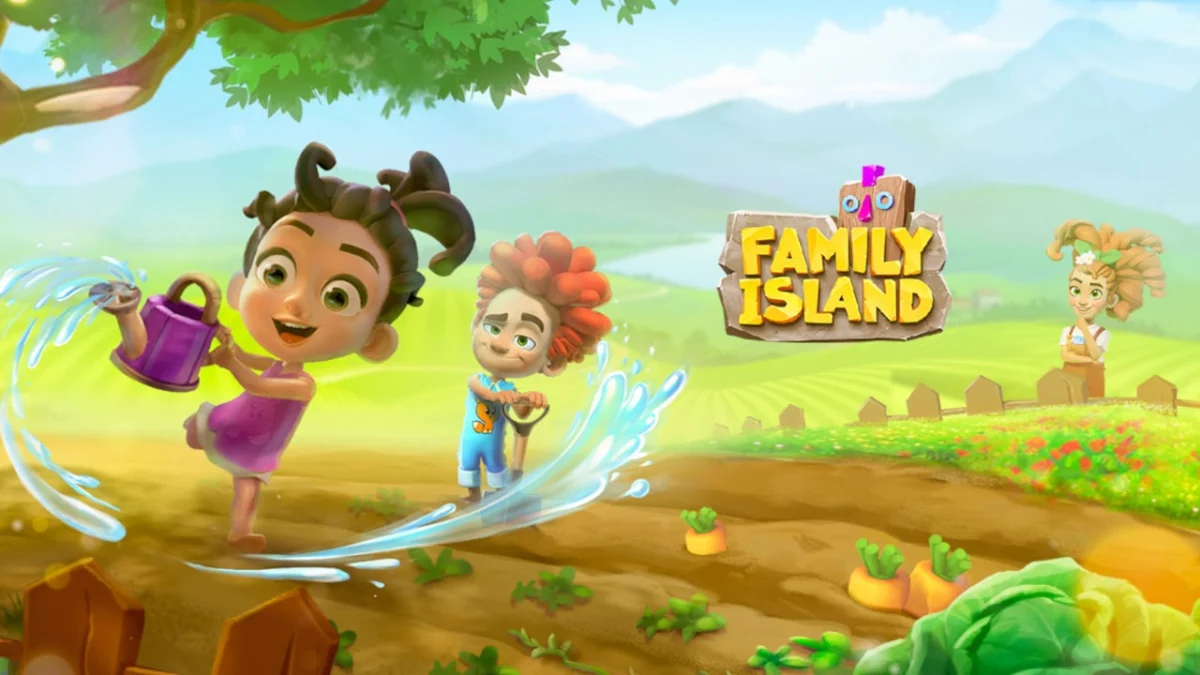
San Francisco, CA – [Current Date] – In the ever-evolving landscape of mobile gaming, titles that successfully blend engaging mechanics with sustainable player retention strategies often rise to prominence. One such game is Melsoft Games’ "Family Island," a captivating stone-age simulation that has garnered a significant global following. Central to its design, and indeed, to its player community’s daily ritual, is the persistent quest for energy – the lifeblood of progression within its expansive, prehistoric world. This article delves into the phenomenon of "Family Island free energy," exploring the intricate systems designed by developers to keep players engaged, the psychological underpinnings of its free-to-play model, and the broader implications for the mobile gaming industry.
Main Facts: The Heartbeat of a Stone-Age Saga
"Family Island" transports players to a fantastical Stone Age setting, challenging them to rebuild a civilization on a deserted island alongside a charming family. The core gameplay loop involves exploring uncharted territories, cultivating crops, raising livestock, and constructing elaborate structures to transform a barren isle into a thriving homestead. Every action, from clearing a bush to harvesting a field, consumes "energy," a finite resource that dictates the pace of progression.
Recognizing the critical role energy plays in player engagement and potential frustration, Melsoft Games has implemented a multi-faceted approach to its distribution. At the forefront of this strategy are daily "free energy" links, disseminated primarily through the game’s official social media channels, most notably its Facebook page. These links offer players instant infusions of energy, coins, and other valuable in-game resources, serving as a powerful incentive for daily logins and community interaction.
This system is more than just a goodwill gesture; it is a meticulously crafted component of the game’s free-to-play (F2P) monetization model. By providing accessible avenues for free energy, developers aim to alleviate bottlenecks for non-spending players, fostering a sense of continuous progression while simultaneously nurturing a dedicated community. The daily hunt for these links has become a ritual for millions, transforming a simple game resource into a focal point of online communities and player guides. This article serves as an comprehensive resource, compiling these daily links (last checked for freebies on June 1st, 2024, ensuring up-to-date information for the diligent player) and offering strategic advice on maximizing in-game energy acquisition.
Chronology: The Evolution of an Island Empire and Its Energy Economy
"Family Island" launched as a relatively straightforward farming and adventure simulator, but its success and longevity are deeply rooted in its ongoing development and strategic engagement with its player base. Melsoft Games, a developer known for its accessible and engaging casual titles, released "Family Island" to a welcoming audience eager for a fresh take on the simulation genre.
Early Days and Core Mechanics (Launch – ~2020): Upon its initial release, "Family Island" quickly established its core loop: explore, build, farm, and manage resources, all gated by the energy system. Early versions focused on intuitive tutorials and a gentle learning curve, introducing players to the basic methods of energy replenishment, such as passive regeneration and consuming food. The initial energy cap and regeneration rates were designed to encourage regular, short play sessions, a common characteristic of successful mobile games.
The Rise of Social Media Giveaways (~2020 – Present): As the game matured and its player base expanded, Melsoft Games began to leverage social media more aggressively as a tool for community building and player retention. The introduction of daily "free energy" links via platforms like Facebook marked a significant turning point. This strategy proved incredibly effective, transforming the act of acquiring in-game resources into a collaborative, community-driven event. Players would eagerly await the daily posts, share them with friends, and discuss optimal strategies, thereby increasing the game’s organic reach and daily active users (DAU). This period also saw an increase in the variety of freebies offered, extending beyond just energy to include coins, rubies, and other event-specific items, further enriching the player experience.
Feature Expansion and Energy Management Complexity (~2021 – Present): Subsequent major updates introduced new islands, complex crafting recipes, seasonal events, and deeper narrative arcs. Each expansion brought with it new energy demands, making efficient energy management even more crucial. Developers continually fine-tuned the balance between energy consumption, regeneration, and the availability of freebies, aiming to maintain a challenging yet rewarding progression curve. The importance of in-game methods for increasing energy capacity (like house upgrades) and acquiring substantial energy boosts (like player level-ups) became more pronounced, integrating these mechanics seamlessly into the overall game progression. This continuous cycle of new content, strategic energy distribution, and community engagement has been pivotal to "Family Island’s" sustained popularity and its position as a leading title in the mobile simulation genre.
Supporting Data: The F2P Model, Player Psychology, and Social Engagement
The strategic distribution of free energy in "Family Island" is a textbook example of best practices within the free-to-play (F2P) gaming model. This model, dominant in the mobile sector, relies on offering a game for free while generating revenue through in-app purchases (IAPs) for virtual goods, cosmetic items, and, crucially, resources like energy that accelerate progression.
The Free-to-Play Economic Engine:
- Monetization through Scarcity: Energy gates are a core F2P monetization strategy. By limiting the pace of action, games create a perceived scarcity that encourages players to either wait (and thus potentially engage with ads or return daily) or spend real money to instantly replenish resources. "Family Island" balances this by offering free alternatives, ensuring a broad appeal.
- Player Retention and Daily Habits: The daily free energy links are a powerful mechanism for driving daily active users (DAU). Players are incentivized to log in every day, not just to play, but to claim their freebies. This routine builds habit, significantly increasing player retention rates. Industry data consistently shows that games with strong daily login bonuses have higher player stickiness.
- Segmenting the Player Base: The free energy system effectively caters to different player archetypes:
- "Whales" (high spenders): They may still purchase energy to maintain rapid progression, supplementing the freebies.
- "Dolphins" (moderate spenders): They might spend occasionally to overcome specific bottlenecks, appreciating the freebies for daily play.
- "Minnows" (non-spenders): They rely heavily on free energy and in-game methods, allowing them to enjoy the game without financial commitment, which is crucial for a healthy and large player base.
The Psychology of Freebies and Variable Rewards:
- Operant Conditioning: The unpredictable nature of the quantity of energy from daily links (while guaranteed to give something) taps into principles of variable reward schedules. This is a highly effective psychological mechanism for habit formation, as players are continually motivated by the anticipation of a potentially larger reward.
- Loss Aversion: The fear of missing out (FOMO) on daily freebies is a subtle but potent psychological trigger. Players log in daily to avoid losing out on valuable resources they could have claimed.
- Sense of Value and Gratitude: Receiving free items fosters positive sentiment towards the game and its developers. It makes players feel valued, enhancing their overall experience and loyalty.
Social Media as a Strategic Engagement Tool:
- Cost-Effective Marketing: Distributing freebies via social media is an incredibly efficient marketing strategy. It organically drives traffic to official pages, boosts engagement metrics (likes, shares, comments), and increases visibility through algorithmic promotion, all at a minimal direct cost compared to paid advertising.
- Community Building: The shared experience of claiming daily rewards and discussing game strategies on official pages fosters a strong sense of community. Players connect over common goals, enhancing their investment in the game world.
- Direct Communication Channel: Social media platforms provide Melsoft Games with a direct line of communication to its player base, allowing them to announce updates, gather feedback, and address concerns in real-time.
These interwoven strategies demonstrate a sophisticated understanding of both game economics and player psychology, making "Family Island’s" energy distribution system a cornerstone of its enduring success.
Official Responses: Melsoft Games’ Strategy for Player Engagement
While Melsoft Games rarely issues explicit "official responses" solely on its free energy distribution strategy, their consistent implementation and evolution of these systems speak volumes about their underlying philosophy and strategic objectives. The company’s approach can be inferred from the design choices and community management practices observed over several years.
Prioritizing Player Retention: It is evident that Melsoft Games places a high premium on player retention. The daily free energy links are a direct manifestation of this priority, ensuring that players have a compelling reason to return to the game every day. By consistently providing resources that facilitate progression, the developers aim to minimize player churn often associated with "paywalls" or excessive grind. This strategy acknowledges that a large, active player base is more valuable than aggressively monetizing a smaller, frustrated one.
Fostering a Vibrant Community: The decision to distribute freebies primarily through social media channels like Facebook highlights a deliberate effort to cultivate a robust and interactive player community. By encouraging players to visit their official pages, Melsoft Games not only boosts their social media presence but also creates a centralized hub for discussion, feedback, and shared experiences. This strategy transforms passive players into active community members, enhancing their overall investment in the game.
Balancing Monetization with Accessibility: Melsoft Games’ approach to energy management reflects a careful balancing act between monetization and accessibility. While energy gates serve as a mechanism to encourage in-app purchases, the generous provision of free energy and alternative in-game methods ensures that "Family Island" remains highly playable for those who choose not to spend money. This inclusive approach broadens the game’s appeal, drawing in a larger audience and ultimately creating a more diverse and active player ecosystem. The developers understand that a healthy F2P economy thrives on a mix of spending and non-spending players, each contributing to the game’s vibrancy in their own way.
Responsive Development and Iteration: The continuous updates to "Family Island," including new content, events, and occasional adjustments to energy mechanics, suggest a responsive development team. They actively monitor player feedback and engagement data, iterating on their systems to ensure a positive player experience. The consistent delivery of free energy, alongside new ways to earn it in-game, is a testament to their commitment to keeping the game fresh and rewarding.
In essence, Melsoft Games’ "official response" to the question of free energy is embedded in their operational strategy: to create a highly engaging, long-lasting mobile game that appeals to a broad audience by strategically balancing progression, monetization, and community interaction through well-designed resource management systems.
Implications: Player Experience, Monetization, and Industry Trends
The energy system and the strategic distribution of free energy in "Family Island" have profound implications across several critical areas, from individual player experience to broader industry trends in mobile gaming.
Impact on Player Experience:
- Managed Progression: For players, the energy system dictates the pace of their journey. While it can sometimes lead to frustrating halts, the consistent availability of free energy, especially through daily links, mitigates this, providing bursts of activity that keep the game dynamic. This "managed progression" encourages players to savor the content rather than rushing through it.
- Sense of Accomplishment: Overcoming energy constraints through clever management, diligent collection of freebies, and strategic gameplay fosters a strong sense of accomplishment. Each cleared obstacle or completed task, despite the energy cost, feels earned.
- Community and Social Connection: The daily hunt for links and the sharing of tips within the community transforms a solitary mobile game experience into a more social one, enhancing player satisfaction and belonging.
Implications for Monetization:
- Sustainable Revenue Model: The blended approach of energy gating and free distribution creates a sustainable F2P revenue model. It generates income from players willing to spend, while retaining a large free-to-play audience that contributes to the game’s ecosystem through engagement, ad views (if applicable), and word-of-mouth marketing.
- Predictable Engagement: The daily freebie strategy leads to predictable player engagement patterns, which is invaluable for developers in planning events, content releases, and server load management.
- Reduced Negative Sentiment: By offering ample opportunities for free progression, "Family Island" avoids the widespread player backlash often associated with overly aggressive monetization schemes in mobile games, contributing to a positive brand image.
Broader Industry Trends and "Family Island" as a Case Study:
- The Power of Social Media in F2P: "Family Island" exemplifies how social media can be integrated beyond mere marketing into a core gameplay loop, driving engagement and providing tangible in-game benefits. This model is increasingly adopted by other mobile titles seeking to build loyal communities.
- Evolution of Energy Mechanics: The game showcases a sophisticated evolution of the classic energy system. It’s not just a timer; it’s a multi-faceted resource managed through passive regeneration, active collection, strategic upgrades, and external giveaways, offering diverse pathways for players.
- Player-Centric Design: The emphasis on providing continuous free energy and multiple ways to earn it reflects a player-centric design philosophy. Developers understand that long-term success in F2P comes from nurturing the player base, not just extracting revenue.
In conclusion, "Family Island’s" approach to free energy is far more than a simple giveaway; it is a meticulously crafted system that underpins the game’s economic model, psychological engagement strategies, and community building efforts. By offering accessible pathways to progression while subtly encouraging monetization, Melsoft Games has created a compelling and enduring mobile experience that continues to thrive in a highly competitive market, setting a benchmark for player-friendly F2P design.
Other Ways to Get Family Island Free Energy
While the daily social media links are a fantastic source of instant energy, "Family Island" offers numerous in-game mechanics that, when understood and utilized effectively, can significantly boost your energy reserves and enhance your overall gameplay experience. Mastering these methods is crucial for sustained progression and maximizing your time on the island.
Feed the Family: The Culinary Path to Energy
One of the most fundamental and consistent ways to acquire energy in "Family Island" is by feeding your family members. Just like in real life, a well-fed family is an energetic family. This mechanic is deeply integrated into the farming and resource gathering aspects of the game.
- Regular Meals are Key: Ensure your family members are regularly consuming food. The game often prompts you when a family member is hungry. Providing them with meals not only keeps them happy but also grants you a steady stream of energy. The quality and type of food can sometimes influence the amount of energy received, with cooked dishes generally providing more benefits than raw ingredients.
- Strategic Food Gathering: Your island, and those you explore, are teeming with natural food sources. Keep an eye out for:
- Mushrooms: These grow abundantly and are easily collected for a quick energy boost.
- Berries: Similar to mushrooms, berries are a readily available natural resource.
- Wild Crops: Various wild plants can be harvested.
- Farming and Cooking: The most sustainable way to feed your family is by establishing a farm. Plant various crops, harvest them, and then process them in your kitchen. Cooked meals, often requiring multiple ingredients, typically yield more energy and can even offer additional bonuses. Prioritize growing crops that are efficient for cooking high-energy meals. Planning your farm layout and cooking schedule around your family’s hunger cycles can create a powerful, self-sustaining energy loop.
Wait: The Virtue of Patience and Regeneration
"Family Island," like many mobile games, features a passive energy regeneration system. While it might seem slow, understanding its mechanics is vital for efficient play.
- Automatic Regeneration: Your energy bar will automatically refill over time, even when you’re not actively playing the game. This means that after a period of inactivity, you’ll return to a replenished energy supply.
- The Energy Cap: Crucially, your energy regeneration stops once you hit your maximum energy capacity (your "energy cap"). This is why it’s important to spend your energy regularly. Letting your energy bar sit full means you’re effectively wasting potential regeneration.
- Optimizing Play Sessions: The best strategy here is to play in short bursts, deplete your energy, and then take a break. During your break, your energy will regenerate, allowing you to return later for another productive session. This method encourages healthy play habits and prevents burnout. If you’ve used all the daily links and exhausted other in-game methods, waiting is your only recourse.
Level Up Your House: Expanding Your Energy Potential
Beyond simply waiting for energy to regenerate, you can actively increase the amount of energy you can store. This is achieved by upgrading your primary residence on the island: your house.
- Increased Energy Cap: Each time you level up your house, your maximum energy capacity increases. This is a game-changer because a higher cap means you can store more energy before regeneration stops, allowing for longer, more productive play sessions.
- Strategic Prioritization: When considering which buildings to upgrade, prioritize your house. While other upgrades might unlock new features or resources, increasing your energy cap provides a fundamental boost to your overall progression speed and flexibility. The resources required for house upgrades are often substantial, so planning and gathering these materials should be a consistent goal.
- Long-Term Benefit: Investing in your house early pays dividends in the long run. A larger energy pool means less waiting, more doing, and a faster pace of progress through the game’s extensive content.
Increase Your Player Level: Rewarding Overall Progress
As you complete tasks, explore new areas, and build structures in "Family Island," you accumulate experience points (XP). Earning enough XP allows you to increase your overall player level, a milestone that often comes with significant rewards, including substantial energy boosts.
- XP Accumulation: Virtually every action you take in the game, from clearing obstacles to harvesting crops and completing quests, grants you XP. Focus on completing quests and challenges, as these often provide the most significant XP rewards.
- Generous Rewards: Each time you level up your player profile, the game provides a package of rewards. These often include a significant amount of energy, sometimes enough to completely refill your bar and then some. This makes leveling up a highly anticipated event.
- Motivation for Diverse Gameplay: The XP system encourages players to engage with all facets of the game, rather than focusing solely on one activity. By trying new things and exploring new content, you’ll naturally accumulate XP and, in turn, earn more energy.
By integrating these diverse methods – from social media giveaways to in-game culinary arts, strategic waiting, structural upgrades, and overall progression – "Family Island" ensures that players always have avenues to acquire the energy needed to continue their stone-age adventure. Mastering these strategies is key to unlocking the full potential of your island and leading your family to prosperity.












No comments yet. Be the first to join the conversation!