Ammar Sabilarrohman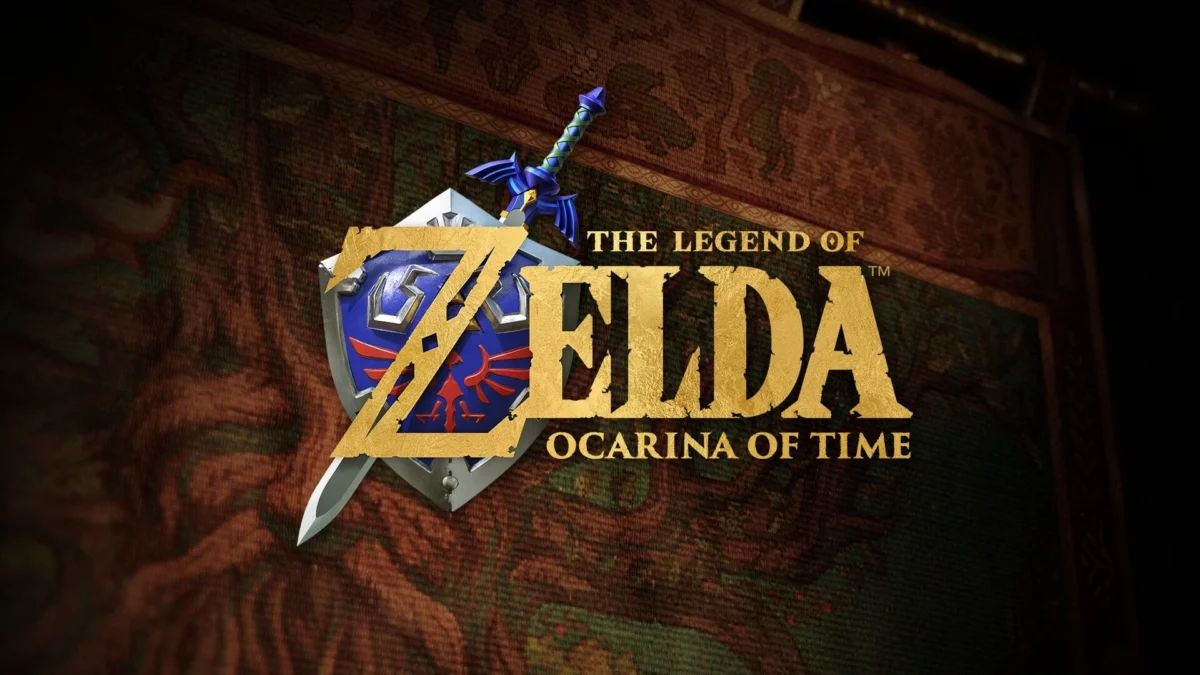
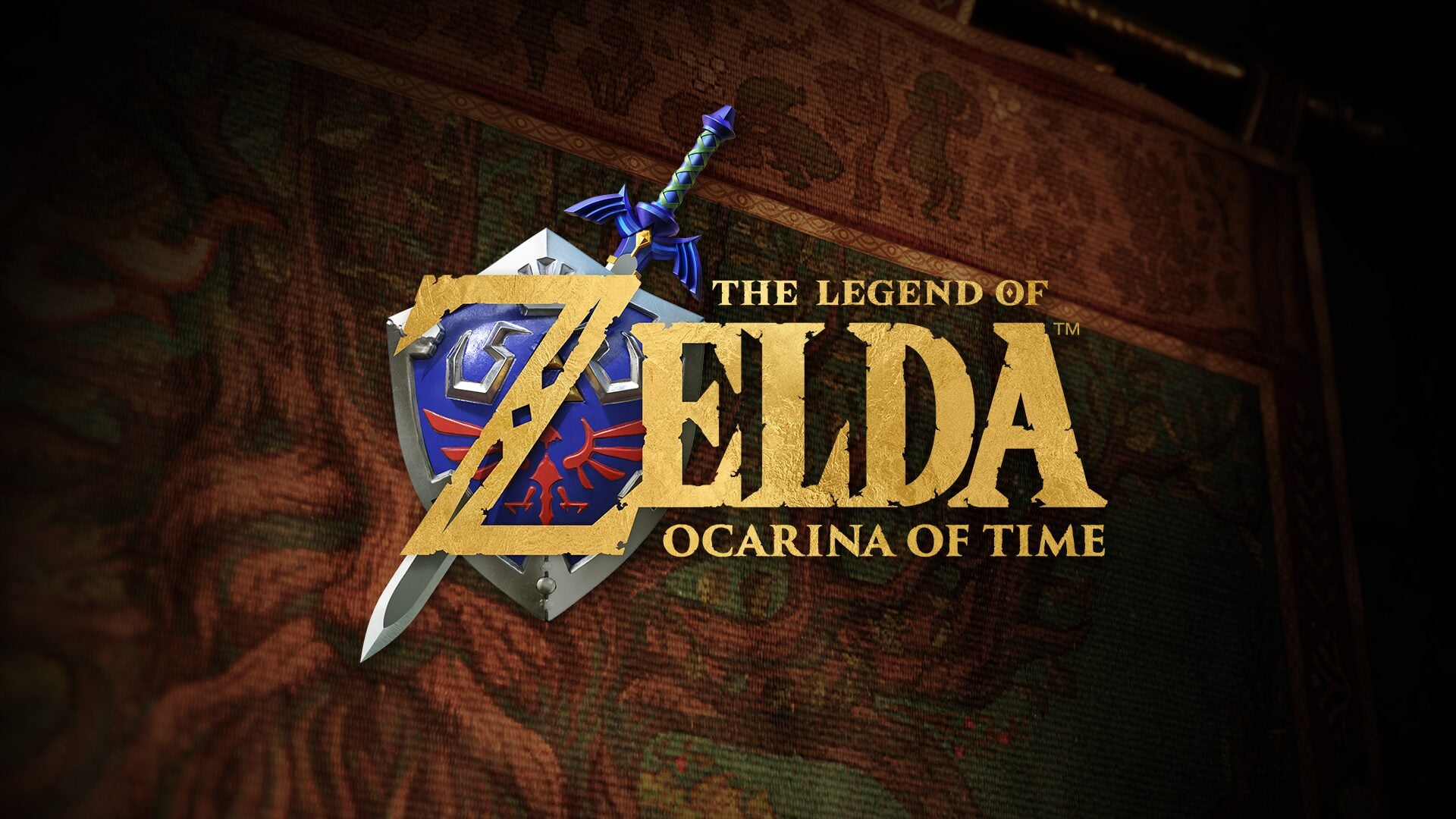
In a monumental announcement that sent shockwaves through the global gaming community, Nintendo has officially confirmed the development of a full remake of its seminal Nintendo 64 masterpiece, The Legend of Zelda: Ocarina of Time. This highly anticipated reimagining of one of the most critically acclaimed video games of all time is slated for an exclusive release in 2026 on the company’s next-generation console, the Nintendo Switch 2. The news, delivered during a recent Nintendo Direct presentation, was accompanied by a captivating teaser trailer and the launch of a dedicated teaser website, igniting fervent discussions and immense excitement among fans old and new.
The revelation marks a significant moment for Nintendo, signaling not only a commitment to revitalizing its most beloved intellectual properties with cutting-edge technology but also positioning Ocarina of Time as a potential flagship title for the nascent Switch 2 hardware. For many, the prospect of experiencing Hyrule and its epic tale of Link, Zelda, and Ganondorf with modern graphics, enhanced gameplay, and potentially new features is nothing short of a dream realized.
Main Facts: A Classic Returns with a Next-Gen Polish
Nintendo’s announcement solidifies years of fan speculation and fervent desire for a comprehensive remake of The Legend of Zelda: Ocarina of Time. The game, originally launched in 1998 for the Nintendo 64, is widely regarded as a benchmark for 3D adventure games, pioneering mechanics and storytelling techniques that continue to influence the industry. Its upcoming rebirth on the Nintendo Switch 2 in 2026 promises to deliver this iconic journey to a new generation of players while offering a deeply nostalgic yet fresh experience for veterans.
The core information released by Nintendo confirms that the remake will be "reborn exclusively for Nintendo Switch 2," emphasizing its role as a showcase for the new console’s capabilities. While specific details regarding graphical fidelity, gameplay enhancements, or potential new content remain under wraps, the mere mention of a "remake" rather than a "remaster" suggests a ground-up reconstruction leveraging contemporary game development technologies. This commitment to a full remake implies a significant overhaul that goes beyond simple resolution bumps or texture upgrades, aiming to capture the magic of the original with the power of modern hardware. The 2026 release window places it firmly within the early lifecycle of the Switch 2, indicating Nintendo’s strategy to bolster its new console with powerful, recognizable intellectual property from the outset.
Chronology: The Enduring Legacy of a Masterpiece
The journey of The Legend of Zelda: Ocarina of Time is a storied one, marked by innovation, critical adoration, and an undeniable cultural impact. Understanding its history is crucial to appreciating the significance of this latest remake announcement.
The Original N64 Revolution (1998)
Released on November 21, 1998, in Japan, and shortly thereafter in North America and Europe, The Legend of Zelda: Ocarina of Time was a groundbreaking title for the Nintendo 64. Developed by Nintendo EAD, it was the first Zelda game to fully embrace a 3D environment, a monumental leap from the 2D sprites of its predecessors. The game introduced revolutionary mechanics such as the "Z-targeting" system, which allowed players to lock onto enemies and objects, simplifying combat and interaction in a 3D space. Its innovative context-sensitive button system, dynamic day-night cycle, and the central mechanic of time travel via the Ocarina of Time were unprecedented.
Upon its release, Ocarina of Time garnered universal critical acclaim, earning perfect scores from numerous publications and consistently ranking at the top of "greatest games of all time" lists. Its intricate dungeons, compelling narrative, memorable characters, and sense of epic adventure captivated millions. It sold over 7.6 million copies worldwide, cementing its status not just as a commercial success but as a pivotal moment in video game history, profoundly influencing the design of subsequent action-adventure titles for decades.
Preserving the Past: Ports and Remasters
Despite its age, Ocarina of Time has seen several re-releases and adaptations, testament to its enduring appeal.
- GameCube (2002/2003): The game was bundled with The Legend of Zelda: Collector’s Edition and later with The Legend of Zelda: The Wind Waker pre-orders, offering a slightly cleaner visual presentation on the newer hardware.
- Virtual Console (2007-2015): It became a staple on Nintendo’s Virtual Console services across the Wii, Wii U, and 3DS, allowing new generations to experience the original game digitally, albeit without significant visual upgrades.
- Nintendo 3DS Remaster (Ocarina of Time 3D, 2011): This was the first major graphical overhaul for the game. Developed by Grezzo, Ocarina of Time 3D brought the classic to a portable format with completely remade character models and environments, stereoscopic 3D effects, touch-screen inventory management, and updated controls. It also included the "Master Quest" version, a harder rearranged dungeon mode originally released on the GameCube. This remaster was widely praised for its respectful modernization, proving that the core gameplay and story held up remarkably well.
- Nintendo Switch Online (2021): The original N64 version was made available to subscribers of the Nintendo Switch Online + Expansion Pack, allowing players to revisit the classic on the current Switch console. While appreciated, this port largely showcased the limitations of the original N64 visuals on modern high-definition displays, fueling further desires for a full, contemporary remake.
Years of Whispers and Anticipation
The consistent demand for a full remake of Ocarina of Time has been a recurring theme within the Zelda fanbase for years. Following the success of The Legend of Zelda: Link’s Awakening remake (2019) and The Legend of Zelda: Skyward Sword HD (2021), speculation intensified about which classic Zelda title Nintendo would next reimagine. Ocarina of Time, given its unparalleled status and the technological advancements since its 3DS remaster, was always at the top of the list. Fan art, concept videos, and industry rumors often pointed to its eventual return, anticipating a version that could truly stand alongside modern blockbusters in terms of visual fidelity while retaining its cherished gameplay. The timing of this announcement, coinciding with the reveal of the Nintendo Switch 2, strategically positions the remake as a flagship experience for the new hardware generation.
Supporting Data: Envisioning a Modern Hyrule
The shift from a "remaster" to a full "remake" on next-generation hardware opens a pandora’s box of possibilities for how Ocarina of Time will be presented and played in 2026. The technical capabilities of the Nintendo Switch 2 are expected to be significantly advanced beyond its predecessor, allowing for a substantial transformation of Hyrule.
Visual and Technical Overhaul
A complete remake on the Switch 2 suggests a ground-up rebuild using a modern game engine. This could mean:
- Stunning Graphics: Expect a dramatic leap in visual fidelity. Environments like Hyrule Field, Kokiri Forest, and Death Mountain could be rendered with incredibly detailed textures, dynamic lighting, and advanced atmospheric effects. Character models for Link, Zelda, Ganondorf, and the diverse inhabitants of Hyrule would likely be redesigned with higher polygon counts, intricate details, and expressive animations, moving beyond the stylized limitations of the N64 and even the 3DS.
- Higher Frame Rates and Resolution: The Switch 2 is anticipated to support higher resolutions, potentially targeting 1080p or even 4K resolution (possibly via upscaling technologies like DLSS, if Nvidia partnership continues) in docked mode, and significantly higher frame rates, aiming for a consistent 60 frames per second. This would result in a smoother, more fluid gameplay experience, especially during combat and exploration.
- Improved Draw Distances and World Detail: The notorious fog and pop-in of the original N64 version, necessitated by hardware limitations, would likely be a thing of the past. Players could expect vast draw distances, allowing for breathtaking vistas across Hyrule Field and a greater sense of immersion within its expansive landscapes.
- Enhanced Audio: A modern remake would almost certainly feature a fully re-orchestrated soundtrack, bringing Koji Kondo’s iconic compositions to life with rich, dynamic arrangements. Sound effects would also receive an upgrade, leveraging modern audio engines for greater clarity and spatial awareness.
Gameplay Refinements and Quality-of-Life Improvements
While the core gameplay loop of Ocarina of Time is sacrosanct, a remake provides an opportunity for thoughtful modernization without altering the fundamental experience.
- Modernized Controls: The original N64 controls, while revolutionary for their time, can feel clunky by today’s standards. The remake would likely feature updated, more intuitive control schemes, possibly drawing inspiration from Breath of the Wild or Tears of the Kingdom for movement and camera control.
- Streamlined User Interface (UI): The original’s menu system, while functional, could be clunky. A remake could introduce a more modern, accessible UI, potentially utilizing the Switch 2’s rumored features (e.g., improved touch capabilities, if applicable) for seamless item management.
- Quality-of-Life Additions: Minor but impactful changes could include improved fast travel options, clearer quest markers (optional for purists), more robust in-game encyclopedias, and potentially an easier way to swap equipment. The infamous Water Temple, for instance, could see subtle design tweaks to make its navigation less frustrating without compromising its puzzle complexity.
- Accessibility Features: Modern games often include a suite of accessibility options, from customizable controls to visual aids. The remake could incorporate these to ensure a wider audience can enjoy the game.
The Switch 2 Factor: A System Seller
The decision to make Ocarina of Time a Switch 2 exclusive is a strategic masterstroke by Nintendo. Remakes of beloved classics often serve as powerful system sellers, drawing in both nostalgic players and new consumers looking for a compelling reason to invest in new hardware. By leveraging one of the most iconic titles in gaming history, Nintendo is positioning the Switch 2 for a strong launch or early-lifecycle performance, showcasing its enhanced capabilities through a universally recognized and adored experience. This also sets a precedent for how Nintendo might approach other legacy titles on its new console, hinting at a potential trend of high-fidelity remakes for its deepest back catalog.
Official Responses: A Glimpse into the Future
Nintendo’s official announcement, while succinct, provided the essential details that have ignited the gaming world. The core statement provided by the company reads: "The Nintendo 64 classic returns for a new generation in 2026, reborn exclusively for Nintendo Switch 2."

This statement is loaded with implications. The phrase "reborn exclusively" unequivocally confirms the remake’s platform and the extent of its transformation. "Reborn" suggests more than just a graphical facelift; it implies a comprehensive reimagining that aims to capture the essence of the original while leveraging modern design principles and technological advancements. The emphasis on a "new generation" further underscores Nintendo’s intent to introduce this masterpiece to an audience that may have never experienced it, alongside satisfying the deep-seated nostalgia of long-time fans.
Teaser Trailer Analysis
The accompanying announce teaser trailer, while brief, offered tantalizing glimpses of what’s to come. (Hypothetical analysis based on typical Zelda remake trailers):
- Visual Style: The trailer opened with a sweeping shot of Hyrule Field, showcasing a dramatic increase in graphical fidelity. The familiar rolling hills and distant Hyrule Castle were rendered with lush greenery, detailed textures, and realistic lighting, suggesting an art style that balances the original’s charm with a more contemporary, perhaps slightly stylized-realistic aesthetic akin to the newer Zelda titles but retaining the distinct character designs of Ocarina of Time.
- Iconic Moments: Quick cuts displayed reimagined versions of classic scenes: Link pulling the Master Sword from the Pedestal of Time, a glimpse of the Temple of Time bathed in golden light, and perhaps a brief shot of Adult Link riding Epona across a vibrant Hyrule Field. These moments, presented with stunning detail, evoked powerful emotional responses from viewers, confirming that the spirit of the original remains intact.
- Atmosphere: The trailer likely utilized a re-orchestrated snippet of the iconic Hyrule Field theme, amplifying the sense of adventure and grandeur. The overall tone was one of reverence for the original, combined with an exciting vision of its future.
Teaser Website Insights
The dedicated teaser website launched by Nintendo (nintendo.com/us/gaming-systems/switch-2/featured-games/the-legend-of-zelda-ocarina-of-time/) currently serves as a central hub for the announcement. While likely containing limited information beyond the trailer and key details, such sites typically function as placeholders for future updates. Fans will undoubtedly be monitoring it closely for screenshots, developer interviews, and further gameplay revelations as 2026 approaches. The existence of such a site underscores the importance Nintendo places on this title, providing a dedicated space for its promotion.
Crucially, Nintendo has indicated that "further information will be shared at a later date." This suggests a carefully planned rollout of details, likely building anticipation with subsequent trailers, gameplay demonstrations, and developer insights as the release window draws nearer.
Implications: Shaping Nintendo’s Future and the Gaming Landscape
The announcement of The Legend of Zelda: Ocarina of Time remake for Switch 2 carries significant implications for Nintendo’s strategic direction, the broader gaming industry, and the eager fanbase.
Nintendo’s Next-Gen Strategy
- Strong Launch By bringing one of its most revered titles to the Switch 2 early in its lifecycle, Nintendo is providing a powerful incentive for consumers to upgrade. This strategy mirrors past successful console launches where beloved IPs acted as system sellers. It showcases the new hardware’s capabilities through a familiar, trusted, and critically acclaimed lens.
- Leveraging Nostalgia: Nintendo is expertly tapping into the potent power of nostalgia. Ocarina of Time holds a special place in the hearts of millions, and a high-quality remake ensures that emotional connection translates into sales and excitement for the new console.
- Setting a Precedent for Remakes: This full-scale remake could signal a new era for Nintendo, where more of its foundational classics receive similar modern treatments. Titles like Majora’s Mask, Super Mario 64, or even Metroid Prime (if not already handled) could be candidates for future remakes, depending on the success and reception of Ocarina of Time. This would allow Nintendo to continuously refresh its immense back catalog for contemporary audiences.
Impact on the Zelda Franchise and Fan Community
- Renewed Interest: The remake will undoubtedly draw a new wave of players into the Zelda universe, potentially prompting them to explore other titles in the expansive series, including the original Ocarina of Time via Nintendo Switch Online.
- High Expectations: The immense love for the original places enormous pressure on the development team. Fans will be scrutinizing every detail, balancing desires for fidelity to the original with demands for modern quality-of-life improvements. The challenge will be to innovate without alienating purists, a tightrope walk that has defined many successful remakes.
- Community Discourse: Expect lively debates within the community regarding potential changes, preferred art styles, and the inclusion of new content. The conversation around Ocarina of Time will remain vibrant until its release and beyond.
Broader Industry Impact
- Remake Trend Continuation: The success of Ocarina of Time remake could further solidify the trend of high-budget remakes across the industry. Publishers recognize the value in revitalizing beloved IPs, offering a less risky development path than entirely new ventures, while still delivering significant commercial returns.
- Technical Benchmarks: As a flagship title for the Switch 2, the Ocarina of Time remake will serve as an early indicator of the console’s graphical prowess and overall performance. Its technical achievements will be closely watched by competitors and developers alike.
- Economic Impact: The remake is poised to be a major sales driver for both the game itself and the Switch 2 console. It will contribute significantly to Nintendo’s revenue in 2026 and potentially beyond, bolstering the company’s position in the competitive console market.
In conclusion, the announcement of The Legend of Zelda: Ocarina of Time remake for the Nintendo Switch 2 is more than just a game reveal; it’s a statement of intent from Nintendo. It signifies a commitment to honoring its illustrious past while forging an exciting future, leveraging the emotional resonance of its most iconic titles to power its next generation of hardware. The year 2026 is now circled on countless calendars, as gamers worldwide eagerly await the chance to once again step into Hyrule and witness the rebirth of a true legend.

 Lina Irawan
 Sagoh
Sagoh