Azzam Bilal Chamdy
Japan’s relationship with wood is far more than a matter of construction; it is a profound spiritual dialogue between human ingenuity and the natural world. From the towering, thousand-year-old pillars of the Hōryū-ji Temple to the snow-dusted, thatched-roof villages of Shirakawa-gō, wood serves as the backbone of Japanese identity. Today, this ancient heritage is undergoing a global renaissance, as international designers, architects, and homeowners increasingly look to the Land of the Rising Sun for a blueprint on how to marry sustainable innovation with aesthetic perfection.
The Architectural Legacy: A Chronology of Mastery
To understand the current global fascination with Japanese wood, one must first look at the timeline of its development. The Japanese approach to timber is rooted in a geography where forests cover nearly 70% of the landmass. This abundance necessitated a culture of reverence and precision.
The Foundation of Tradition (6th – 12th Century)
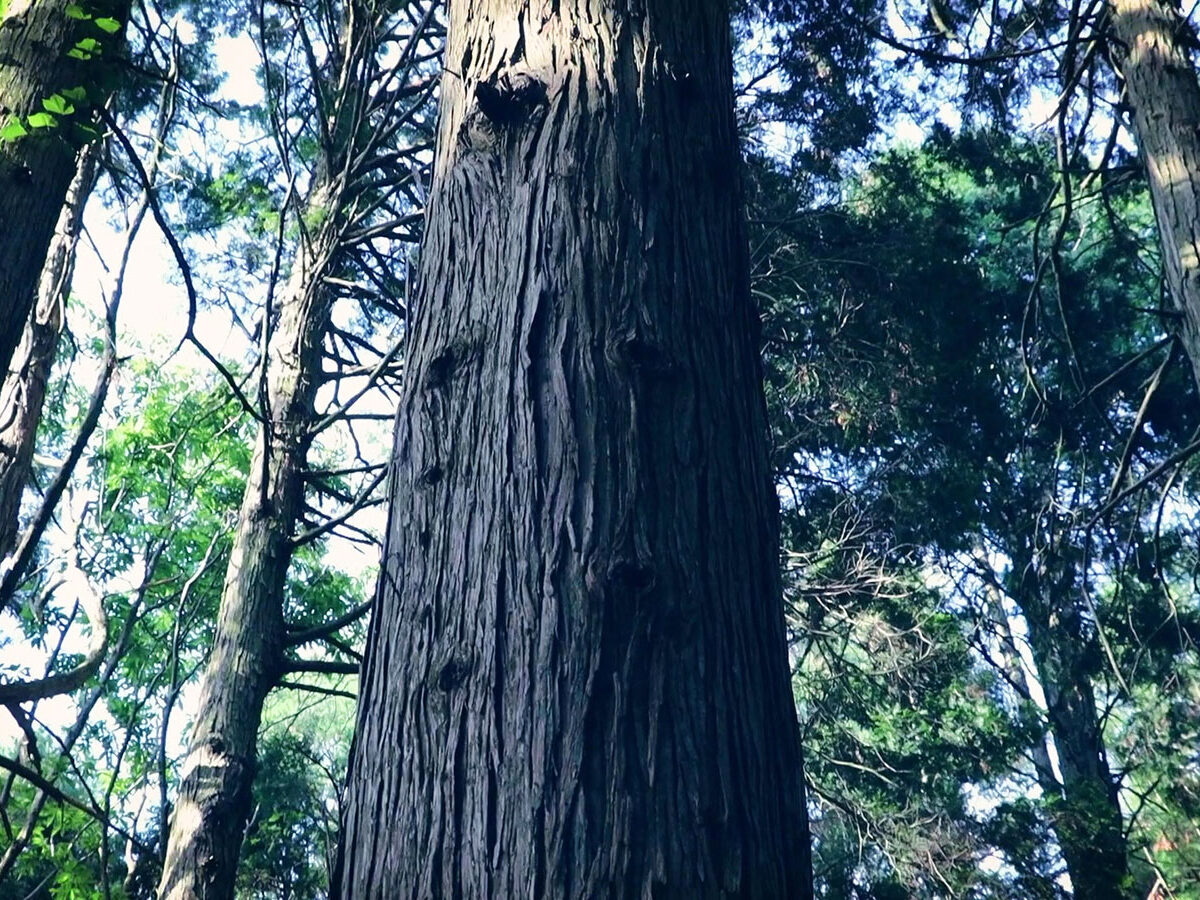
The introduction of Buddhism to Japan in the 6th century acted as a catalyst for advanced wooden architecture. The Hōryū-ji Temple in Nara, recognized as one of the world’s oldest wooden structures, stands as a testament to the durability of Japanese joinery. During this era, masters developed the kigumi technique—interlocking wood joints that require no nails or glue. These joints allow buildings to "breathe" and shift during earthquakes, providing a structural flexibility that remains a marvel of engineering to this day.
The Refinement of Zen Aesthetics (13th – 16th Century)
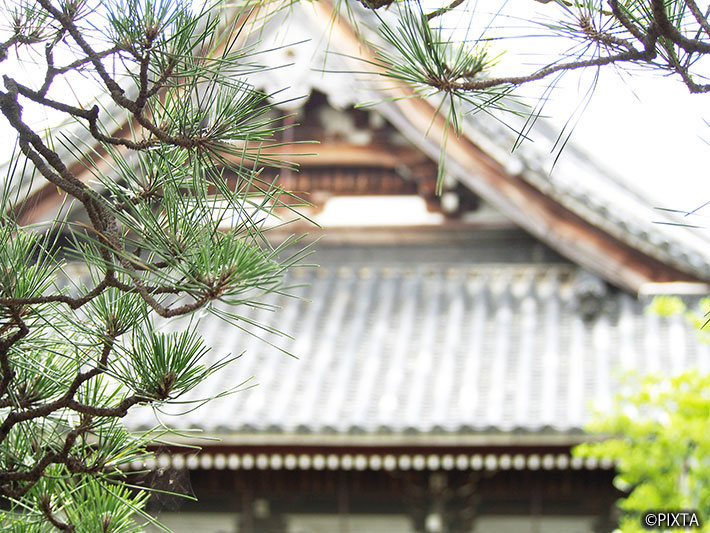
As the influence of Zen Buddhism grew, so did the appreciation for simplicity, or wabi-sabi. The architecture of this period shifted toward understated elegance. The use of Hinoki (Japanese cypress) and Sugi (Japanese cedar) became standard, not only for their structural integrity but for their sensory properties. The aroma, texture, and natural luster of the wood were integrated into daily life, creating spaces that felt inherently connected to the forest.
The Modern Integration (20th Century – Present)
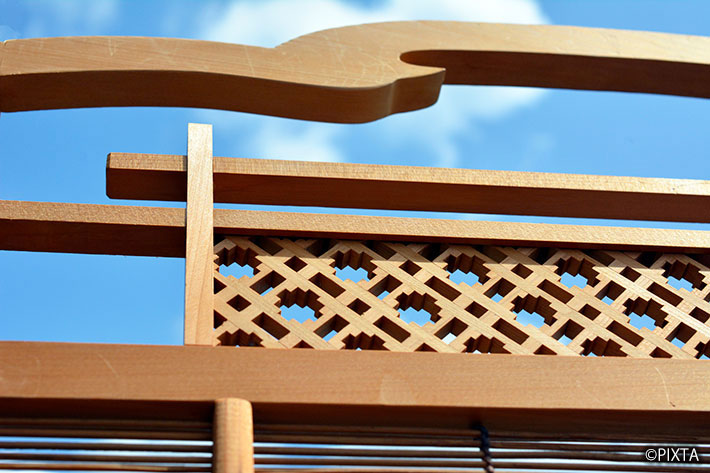
In the contemporary era, Japanese woodcraft has evolved to meet the demands of modern urban living. Architects like Kengo Kuma have brought international acclaim to the use of wood in massive urban projects, such as the Japan National Stadium. By blending traditional lattice work with modern engineering, Japan is proving that wood is not merely a relic of the past, but a viable, sustainable material for the future of global architecture.
Nature’s Art: The Science of Japanese Timber
The brilliance of Japanese woodcraft lies in the deep understanding of material science possessed by the country’s master carpenters. The Japan Wood Products Export Association (JWPEA) recently released a documentary, "Japan – Land of Wood," which provides an intimate look into why these materials are held in such high regard globally.
The Sensory Profile of Japanese Species
Lead carpenter Andy Zgola, who has dedicated his career to mastering Japanese techniques, emphasizes that the choice of wood is a sensory decision as much as a structural one.
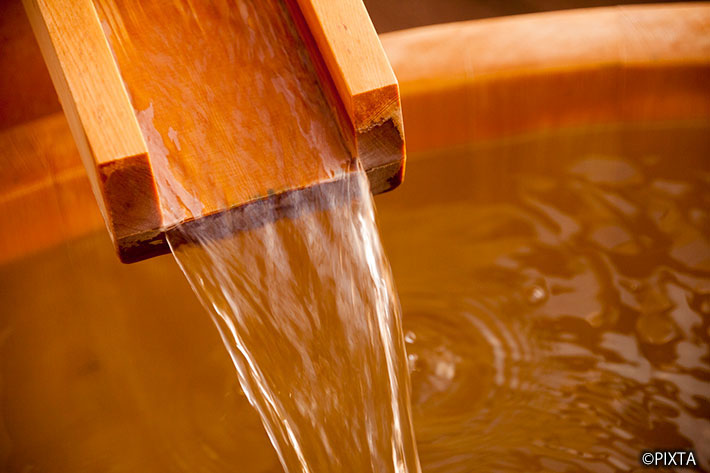
"Cedar has a gloss so it feels warm," Zgola explains. "Hinoki cypress is cool and lovely. It has lots of oil inside, so it is resistant to insects. You can smell hinoki when you go to hot springs." This inherent quality of Japanese wood—its natural resistance to rot and pests, paired with its tactile comfort—makes it an ideal choice for both high-end furniture and residential construction.

Unmatched Precision
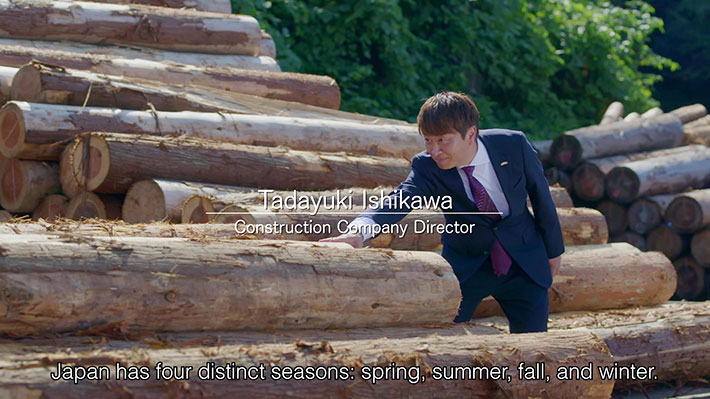
Tadayuki Ishikawa, a director at a prominent Japanese construction firm, notes that the global demand for Japanese wood stems from a quality standard that is difficult to replicate elsewhere. "If you look anywhere in the world, the quality of Japanese building techniques is unmatched in my opinion," Ishikawa states. This precision is not just about the final aesthetic; it is about the "fit and finish" that ensures longevity, durability, and a structural lifespan that can last for centuries.
Global Implications: The Export of Aesthetics and Sustainability
The international interest in Japanese wood is not just a trend; it is a response to the growing global need for sustainable building materials. As the construction industry seeks to reduce its carbon footprint, the Japanese model of forestry management offers a compelling roadmap.

The Shift in Interior Design
Tiffany Luk, an international sales executive for a luxury furniture company, observes a clear shift in consumer behavior. "Furniture that combines classic Japanese woodworking techniques with modern designs is gaining interest abroad," she says. This move toward "slow design"—furniture that is built to last generations rather than years—mirrors the broader Japanese philosophy of mottainai, or a deep respect for resources.
Sustainability as a Core Value
The Japanese wood industry operates under strict environmental protocols. The focus is on the "cycle of the forest," where trees are harvested at the peak of their maturity to ensure the health of the ecosystem. This practice ensures that forests are managed as renewable assets. The JWPEA documentary highlights how this commitment to sustainability is woven into every stage of production, from the careful selection of saplings to the final milling processes that minimize waste.
Official Responses and Industry Outlook
The industry is currently positioning Japanese wood as a premium global commodity. By showcasing the fusion of advanced, computer-aided design (CAD) with age-old hand-tool traditions, Japanese exporters are effectively bridging the gap between traditional craft and the needs of a global market.
The data supports this growth. The export of Japanese cedar and cypress has seen a steady uptick, particularly in markets that prioritize high-performance building materials, such as Europe and North America. Architects are increasingly specifying Japanese timber for its stability, beauty, and the "biophilic" benefits it brings to indoor environments—the idea that wood, as a natural material, reduces stress and improves the well-being of occupants.
Looking Toward the Future
As we look toward a future where urban development must prioritize environmental stewardship, the lessons from Japan’s wooden tradition are more relevant than ever. The integration of Japanese wood into modern homes and offices represents more than just a stylistic choice; it is an act of environmental responsibility.
Embracing the "Land of Wood"
The Japan Wood Products Export Association’s ongoing initiatives aim to invite the world to look closer at what Japan has to offer. Whether it is through the installation of a hinoki soaking tub, the adoption of cedar cladding for a modern residence, or the simple appreciation of a handcrafted wooden joint, there is a tangible benefit to incorporating these traditions into one’s life.

As the world continues to move away from synthetic, disposable materials, the enduring appeal of Japanese wood lies in its ability to offer a connection to the natural world. It is a material that grows more beautiful with time, aging gracefully and developing a patina that tells a story of the forest, the craftsman, and the home it inhabits.
For those interested in exploring this intersection of art and utility, the path is clear. By studying the techniques of masters like Andy Zgola and supporting the sustainable forestry practices championed by organizations like the JWPEA, we can all contribute to a global architectural landscape that honors the planet and celebrates the human touch.

For further insights into the craftsmanship and environmental standards behind Japanese timber, viewers are encouraged to watch the full feature, "Japan – Land of Wood," provided by the Japan Wood Products Export Association.
Editorial Staff, Grape Japan


 Neng Nana
 Asro
Asro