Raul Delapena Setiawan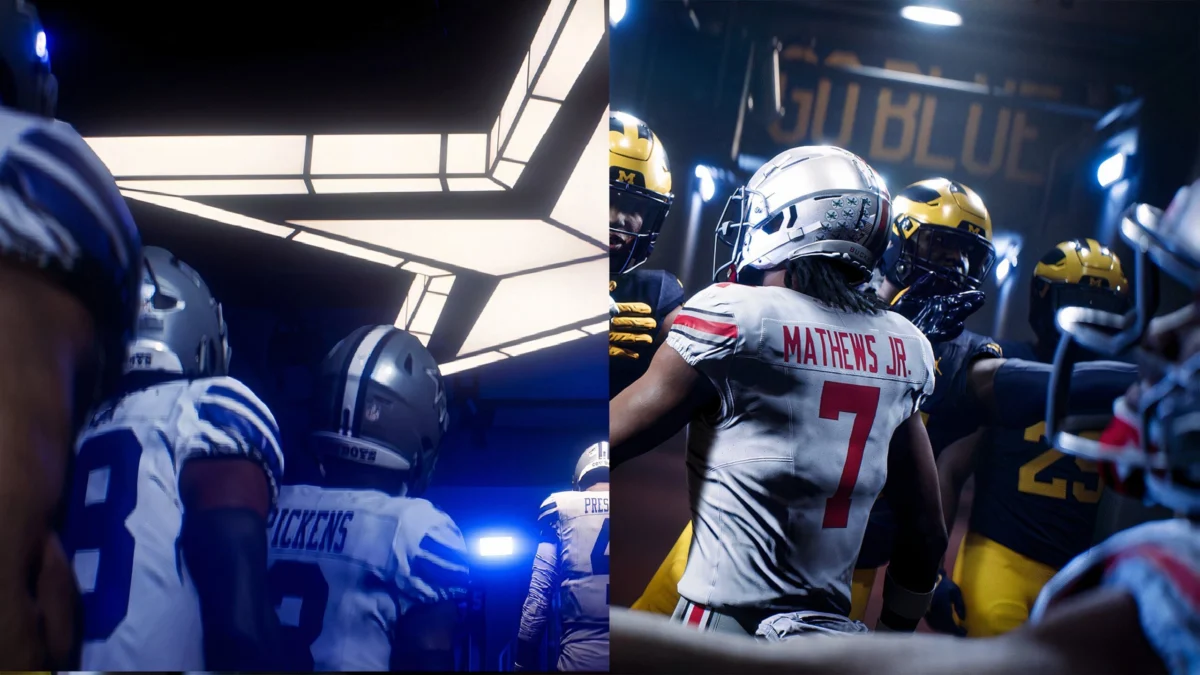
By Cory Wells
Published June 12, 2026
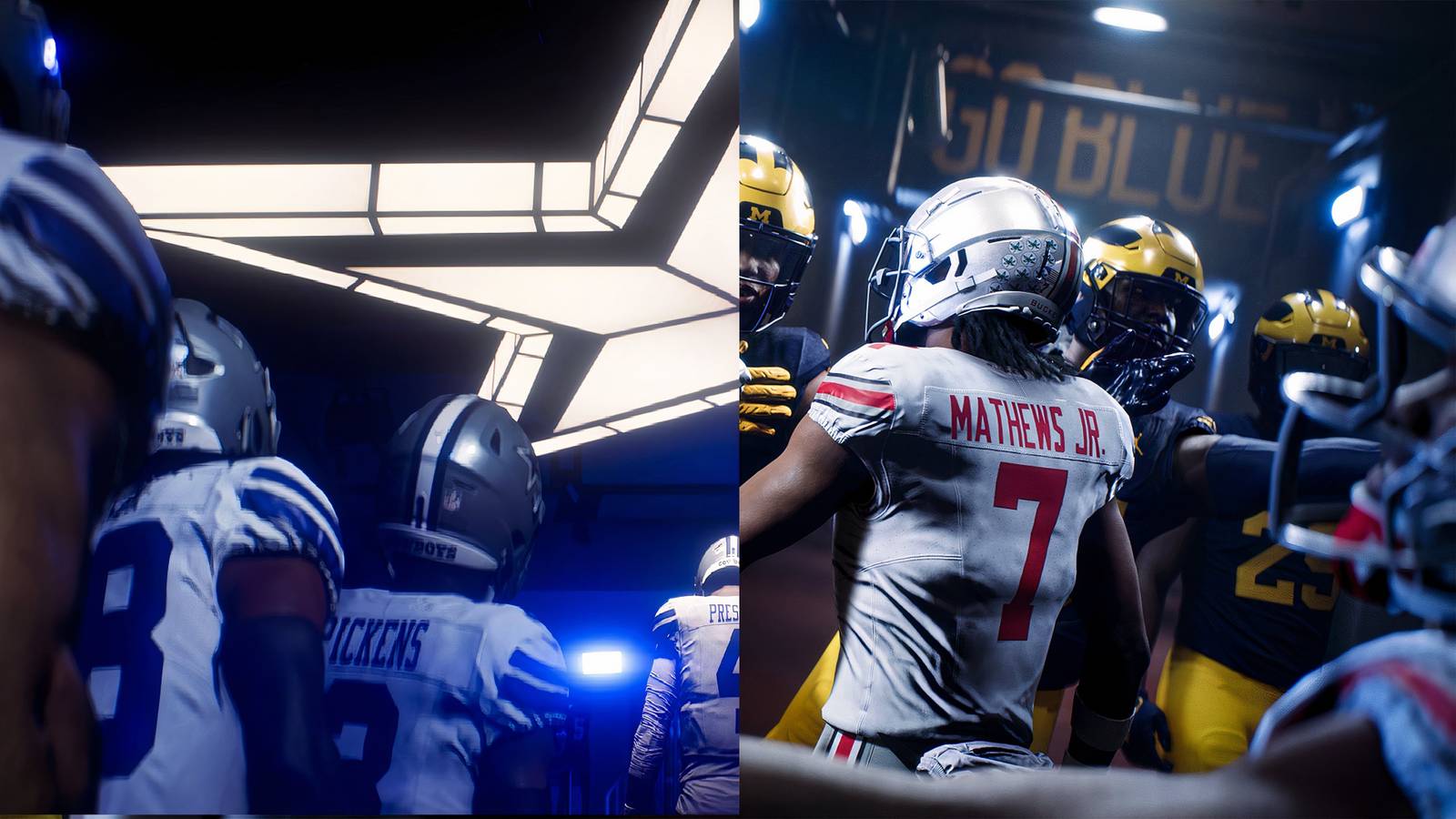
The atmosphere at Navy Pier in Chicago was electric, reminiscent of the golden age of E3 press events. EA SPORTS transformed the iconic venue into "The Opening Drive," a high-stakes reveal event that brought together industry influencers, seasoned gaming journalists, and gridiron legends—including Cam Newton—to witness the future of simulation football. With both Madden NFL 27 and EA SPORTS College Football 27 on full display, it is clear that Electronic Arts is moving toward a more cohesive, simulation-heavy future that bridges the gap between the professional ranks and the collegiate gridiron.
Main Facts: A Unified Vision for Simulation
For the first time in franchise history, Madden NFL 27 and College Football 27 are being built upon a shared gameplay foundation. While each title retains its distinct flavor—the surgical precision of the NFL versus the high-octane, unpredictable nature of college ball—the core engine updates are synchronized.
The most significant change is the total overhaul of the defensive interface. EA has shifted the burden of defensive complexity from cumbersome menu-diving to a streamlined, trigger-based system. By mapping pre-play defensive schemes and "shells" to the left trigger, players can now adjust their defensive posture with a fluidity that was previously impossible. This isn’t just a quality-of-life update; it is a fundamental shift in how the game is played, rewarding those who can diagnose offensive formations and react in real-time.
Chronology of the Reveal
The journey to this year’s iteration began months ago with internal feedback loops, but the public "Opening Drive" event marked the first time the community could get hands-on time with the titles. Over the course of the weekend, I spent extensive hours with the College Football 27 beta, testing the new mechanics that will define the upcoming season.
Early on, the gameplay felt foreign. The shift to a more tactical defensive approach meant that veterans of the series would have to unlearn years of muscle memory. However, as the weekend progressed, the brilliance of the new macro system became evident. By allowing players to map defensive schemes to the right bumper, EA has effectively democratized advanced strategy. Whether you are struggling to contain a dual-threat quarterback or looking to disguise a complex blitz package, the tools are now readily available at the press of a button.
Supporting Data: Defensive Aggression and AI Intelligence
The most immediate takeaway from the gameplay sessions is the newfound aggression of the defensive secondary. Historically, zone coverage in football simulations has been reactive, often resulting in "dead zones" where receivers could sit comfortably. In Madden NFL 27 and College Football 27, the AI is far more proactive.
Defensive backs now exhibit a "seek and attack" mentality. They no longer wait for the ball to arrive; they actively break on routes and contest passes in mid-air. This change, paired with a new "jostle" mechanic for wide receivers and defensive backs, adds a layer of physical realism that was previously absent. If you are playing with a cornerback who has elite physical ratings but lacks top-end speed, you can now use the jostle mechanic to tie up a receiver, disrupting their route timing in real-time.

Furthermore, the introduction of the "Tackle Stick" on the right analog input provides players with more agency during contact. Whether you are attempting a wrap-up tackle to prevent extra yardage or looking for a momentum-shifting lunge, the fluid animations ensure that the game registers every point of contact. Gone are the "dead areas" of non-contact; the physics engine now accounts for the totality of player collisions.
Official Responses and Technical Advancements
During the event, developers emphasized that the goal for this year’s cycle was "Simulation Authenticity." This is best represented by the implementation of a new Dynamic Lighting system. Unlike previous iterations where lighting remained static throughout a quarter, the 2027 engine calculates light and shadow minute-by-minute. As the sun sets over a stadium, the shifting shadows across the field will physically impact visibility and, by extension, player performance.
Coupled with Dynamic Weather—which can now shift from a light drizzle to a torrential downpour mid-game—these environmental factors are no longer just cosmetic; they are gameplay elements that teams must adapt to.
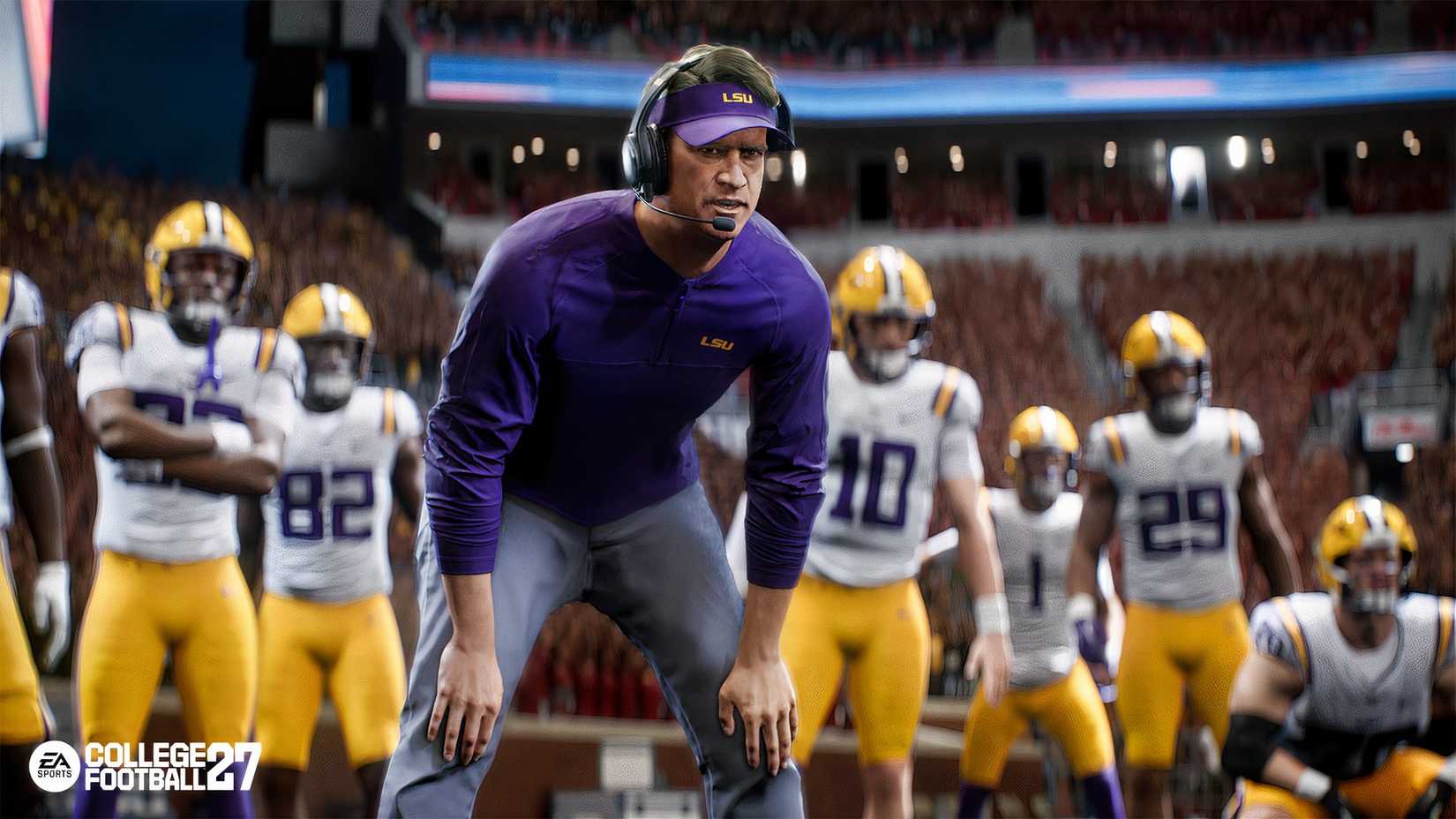
For the presentation purists, College Football 27 is receiving a major broadcast refresh. The inclusion of Joel Klatt alongside Chris Fowler and sideline reporter Holly Rowe brings a fresh, high-level broadcast energy to the "Big Game" matchups. Meanwhile, Madden NFL 27 is doubling down on the spectacle of the NFL, with three distinct score-bug configurations designed to mirror the unique atmospheres of Thursday, Sunday, and Monday night football.

The New Catch Meter: A Controversial Shift
Perhaps the most polarizing feature introduced is the optional "Catch Meter." Much like the shooting mechanics found in modern basketball simulations, this system requires players to time their catch inputs to secure the ball.
The mechanic is not enabled by default, signaling that EA is aware of the potential frustration for casual players. However, for those who choose to enable it, the stakes are high. A "green" timing window results in a secured catch, while "yellow" puts the outcome in the hands of the player’s ratings, and "red" almost guarantees a drop. During my testing, I saw elite wide receivers drop routine passes simply because the user failed to time the button press correctly. It is a high-risk, high-reward system that forces the user to respect the difficulty of the sport.
Implications: The Future of the Franchise
The shift in these games is clear: EA SPORTS is moving toward a future where the player’s ability to manage the game is just as important as their physical skill on the sticks. By implementing features like the catch meter, customizable macros, and aggressive defensive AI, the developers are moving away from the "pick-up-and-play" arcade style that defined the early 2000s and toward a rigid, simulation-based experience.
For the hardcore community, these changes are a breath of fresh air. They represent an acknowledgment that the fanbase has grown up. They no longer want to just run "Money Plays" that exploit AI glitches; they want the tools to build their own identity on the field.
However, the implications for the broader audience are significant. If these games become too complex, there is a risk of alienating those who simply want to play a quick game after work. The success of Madden NFL 27 and College Football 27 will ultimately depend on how well EA balances this deep, tactical simulation with the accessibility that made these franchises household names.
Conclusion
As I left the Navy Pier, the sentiment among the press was one of cautious optimism. The games are undoubtedly the most fluid and visually impressive versions we have seen to date. The move to a unified gameplay engine has allowed the developers to focus on the nuances of the sport—the timing of a catch, the angle of a tackle, and the psychology of a defensive scheme.
While the learning curve is steeper than it has ever been, the payoff—a game that finally feels like the real, unscripted drama of the NFL and college football—seems well worth the effort. Whether or not these changes will resonate with the casual base remains to be seen, but for those who have been waiting for a truly "hardcore" football simulation, the 2027 season looks like the start of a new era. We have been granted the tools to master the game; now, we just need the time to practice.


 Asro
Asro
 Muslim