Reynand Wu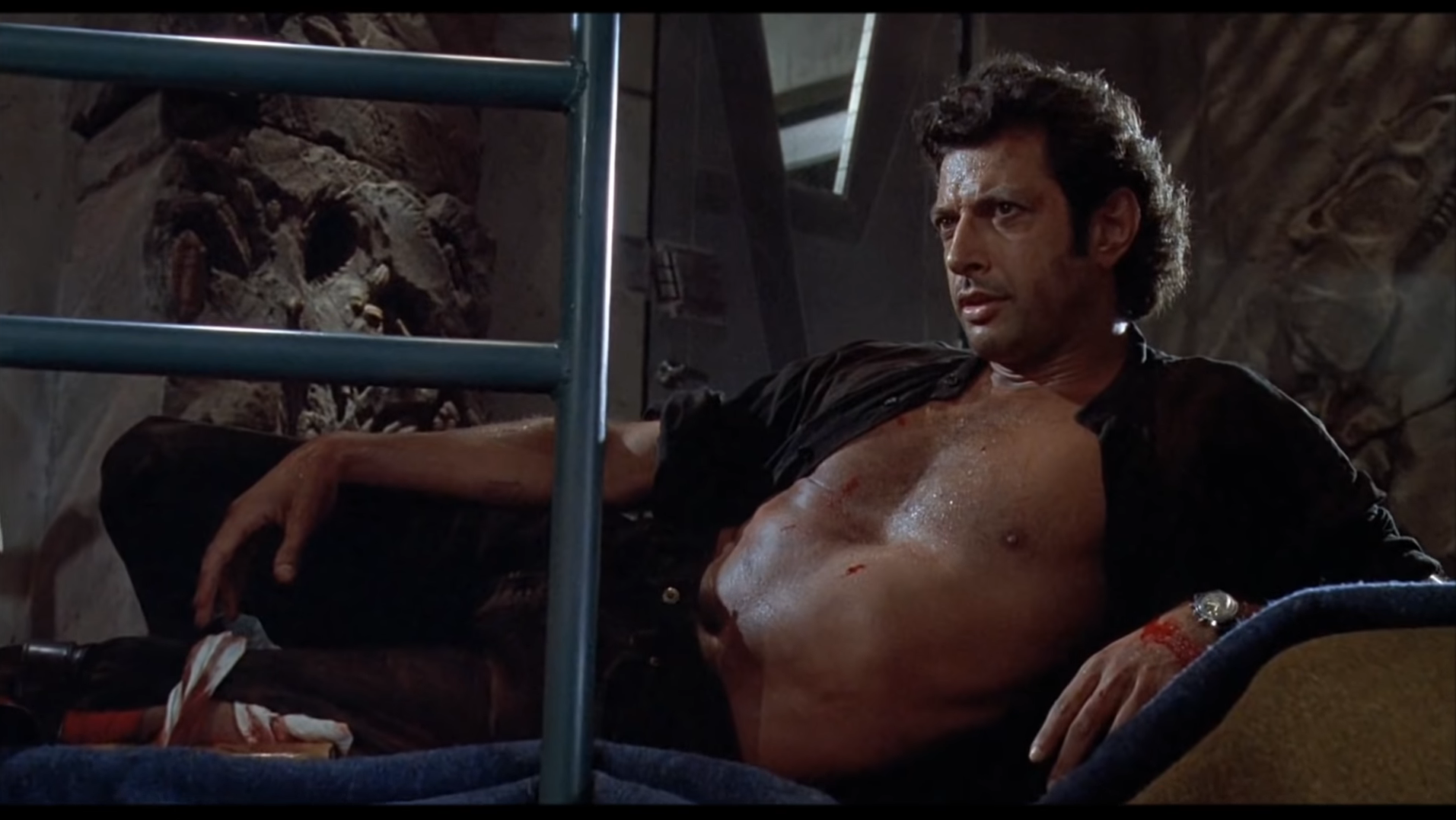
In the annals of cinematic history, few duos are as iconic as the frenetic, white-haired scientist Emmett "Doc" Brown and his wide-eyed protege, Marty McFly. The chemistry between Christopher Lloyd and Michael J. Fox is the heartbeat of Robert Zemeckis’ 1985 masterpiece, Back to the Future. However, a recent, illuminating interview with co-writer Bob Gale for Gold Derby has pulled back the curtain on the casting process, revealing a "what-if" scenario that could have fundamentally altered the DNA of the franchise: Jeff Goldblum as the man behind the time machine.
The Casting Carousel: A Look at the Candidates
The search for the actor to portray the eccentric inventor was as complex as the flux capacitor itself. While Christopher Lloyd’s performance is now considered definitive, he was far from the only name floated during pre-production. The production team, led by Zemeckis and Gale, alongside producer Neil Canton, considered a wide range of talent, including John Cleese, Gene Hackman, Albert Brooks, and even Devo frontman Mark Mothersbaugh.
The list reads like a "who’s who" of 1980s character acting royalty. Each potential candidate brought a different shade of mania to the table. John Lithgow, for instance, was a primary contender, drawing from his penchant for high-energy, intellectual roles. However, the decision ultimately narrowed down to three names that would leave a lasting mark on the sci-fi genre: John Lithgow, Jeff Goldblum, and the eventual choice, Christopher Lloyd.
Intriguingly, all three men were connected by their involvement in the cult classic The Adventures of Buckaroo Banzai Across the 8th Dimension, a project that Neil Canton had produced. This shared history created a unique intersection of talent, where the casting directors were essentially choosing between three distinct flavors of brilliance.
The Goldblum Factor: A Shift in Tone
When discussing the near-casting of Jeff Goldblum, Bob Gale provides a fascinating analysis of how the film’s tone would have shifted. Goldblum, known for his unique, staccato delivery and intellectual quirkiness, would have brought a different energy to the role.
Gale suggests that audiences have actually already seen what a "Goldblum-esque" Doc Brown might have looked like—in the form of Dr. Ian Malcolm in Steven Spielberg’s 1993 blockbuster, Jurassic Park. "Ironically, Jeff Goldblum plays Doc Brown in Jurassic Park, right?" Gale remarks. "That’s how his Doc Brown would have been. You can watch Jurassic Park and say, ‘Ah, that’s how Jeff would have played it.’"
While Goldblum’s brand of chaotic, fast-talking brilliance is undeniable, the production team ultimately felt that Lloyd brought a physical, almost vaudevillian intensity that the role of Doc Brown demanded. It wasn’t just about the lines; it was about the way the actor inhabited the space of the room. As Gale recalls, "There was just something about Chris that we responded to. We said, ‘He’s going to kill this.’ And he did."
Behind the Flux Capacitor: The Darker Lore of Doc Brown
Beyond the casting revelations, Gale’s interview shed light on the character’s backstory—details that were never explicitly stated in the final screenplay but served as the foundation for the character’s desperate motivations.
One of the most striking pieces of trivia is the revelation that Doc Brown’s home, which burned down in the film’s lore, was intentionally destroyed by the scientist himself to claim insurance money. The funds, as it turns out, were the primary source of financing for his ambitious and dangerous scientific research.
This dark detail adds a layer of moral complexity to the character. It reframes Doc Brown not just as a kindly, absent-minded professor, but as a man so consumed by his scientific obsession that he was willing to commit insurance fraud to see his vision come to life.
The Ethics of 1985 vs. The Modern Hollywood Machine
Gale’s commentary on the character’s ethics provides a sobering look at how the film industry has changed over the last four decades. Doc Brown’s decision to negotiate with Libyan terrorists to secure the plutonium necessary to power the DeLorean is one of the most famous inciting incidents in film history.
Gale reflects on how this plot point would likely be sanitized in today’s climate: "I think that’s one of the things that people love about the movie—today it would all be homogenized. If we were making this movie today, they would say, ‘Well, you can’t have Doc Brown be in business with terrorists.’"
He continues, "Well, but we did. And nobody has a problem with it, really. Because you just say, ‘OK, this is how passionate the guy is. He had to get his hands on plutonium somehow, and he was going to do whatever he could, because it was his science.’"
This "small beans" approach to character morality—allowing protagonists to have fatal flaws and engage in questionable acts—is often cited as the reason why Back to the Future feels so grounded despite its high-concept premise. It is a testament to a time when screenwriters were encouraged to let characters be desperate and human, rather than archetypes of moral perfection.
Implications for the Legacy of the Franchise
The revelation that the film could have featured Goldblum, and that the script was originally conceived with a darker, more desperate backstory for its lead, invites a broader conversation about the nature of casting and character development in Hollywood.
1. The Role of Improvisational Chemistry
Casting is rarely just about who reads the lines best; it is about the "X-factor" that an actor brings to a room. Christopher Lloyd’s ability to project both intense intelligence and a childlike sense of wonder was the perfect counterweight to Michael J. Fox’s grounded, relatable performance. If Goldblum had been chosen, the dynamic would have been shifted toward intellectual arrogance rather than earnest, eccentric mentorship.
2. Narrative Integrity and "Homogenization"
Gale’s warning about the "homogenization" of modern film scripts is a critique shared by many veteran writers. When studios prioritize "brand safety" and moral purity in their protagonists, they risk losing the narrative friction that makes characters memorable. Doc Brown’s willingness to deal with terrorists was a plot device that defined the stakes; removing those edges often removes the tension that keeps audiences glued to their seats.
3. The Enduring Treasure Trove of Production History
The upcoming book, Back to the Future: The Complete Screenplay, promises to be more than just a script collection. It is shaping up to be a historical document of a pivotal moment in film history. By including production materials, internal memos, and anecdotes from the writing room, Gale is providing fans with a masterclass in how a script evolves from a set of "what-if" scenarios into a cultural phenomenon.
Conclusion: A Perfect Storm of Talent
While it is fascinating to imagine Jeff Goldblum’s frantic, bespectacled take on Emmett Brown, it is difficult to imagine a world where the film succeeded as perfectly as it did with Christopher Lloyd at the helm. The success of Back to the Future was a "perfect storm" of casting, writing, and timing.
The film remains a staple of pop culture because it refuses to talk down to its audience. It gives us a hero who commits fraud, a mentor who deals with terrorists, and a story that doesn’t feel the need to apologize for its characters’ desperate actions. As Bob Gale continues to share these stories, the legend of the DeLorean and its eccentric pilot only grows, reminding us that sometimes, the best decisions in cinema are the ones that happen in the room when the cameras aren’t yet rolling.
For those who want to dive deeper, the upcoming release of Back to the Future: The Complete Screenplay offers a rare, unfiltered look at the creative process behind one of the most beloved films of all time. It is a necessary reminder that every legendary performance we take for granted was once just one "no" away from being someone else’s defining role.

 Sagoh
Sagoh
 Basiran