Suro Senen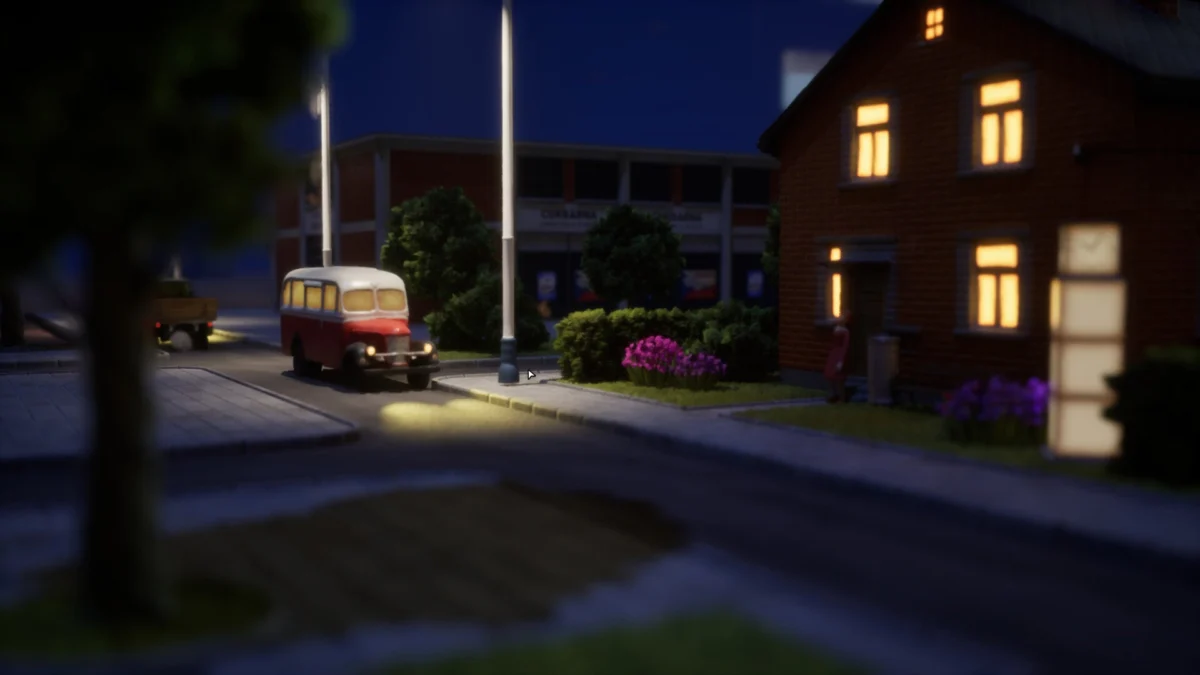
In an era defined by the cold precision of procedural generation, high-fidelity photorealism, and the relentless march of AI-assisted asset creation, the city-building genre has largely become a race toward the infinite. Developers strive to simulate millions of citizens, vast sprawling metropolises, and complex economic systems that mirror reality down to the last decimal point. However, a new project from developer Polyperfect is taking a radical, antithetical approach. Zlin City: Arch Moderna is not aiming for the infinite; it is aiming for the intimate. By blending physical craftsmanship with digital architecture, the team is attempting to bring the tactile, imperfect warmth of a hobbyist’s workbench to the PC screen.
Main Facts: A Shift Toward the Miniature
Zlin City: Arch Moderna is a city-building game that draws its primary inspiration from the real-world Czech city of Zlín—a location historically famous for its unique functionalist architecture and its deep ties to the Baťa Shoe Company. Unlike its peers, which utilize sterile 3D modeling software, Zlin City is built upon the literal foundations of physical reality.
The game is designed to look and feel like a high-end diorama or a meticulously crafted model railway set. The core visual philosophy is rooted in the "beauty of imperfection." The developers have moved away from the flawless, mathematically perfect geometry of traditional game assets in favor of real-world physical models that are 3D-printed, hand-painted, and then digitized. This process captures the subtle artifacts of human creation: paint drips, visible brush strokes, adhesive residue, and the weathered edges of materials that have been handled by human hands.
The game promises a gameplay loop that balances urban management with historical education. Players are tasked with constructing and managing a version of Zlín that feels less like a spreadsheet simulation and more like a curated exhibit. While concrete gameplay details remain sparse, the developer has cited titles like Tiny Glade and the foundational SimCity as structural influences, promising a blend of relaxing construction and deeper insights into the architectural heritage of one of Europe’s most fascinating industrial hubs.
Chronology: From Real-World History to Digital Canvas
The history of Zlin City is bifurcated between the historical narrative of the city itself and the technical journey of its development.
The Architectural Foundation
The city of Zlín, located in the Moravian region of the Czech Republic, is an architectural anomaly. During the 1920s and 30s, under the influence of the Baťa company, the city became a beacon of functionalism. Its red-brick factories and standardized worker housing created a distinct aesthetic that is both rigid and deeply human. This specific "Arch Moderna" style serves as the game’s primary aesthetic anchor.
The Development Trajectory
The project began as an experimental endeavor by Polyperfect to challenge the industry standard of digital perfection. Throughout the early development phases, the team transitioned from standard 3D asset pipelines to a hybrid workflow:
- Phase 1 (Concept): Defining the scope, focusing on the "diorama" aesthetic and selecting the specific architectural landmarks of Zlín to be modeled.
- Phase 2 (Physical Prototyping): The creation of physical models, utilizing 3D printing and manual painting techniques to ensure that every structure had a unique, tactile quality.
- Phase 3 (Digitization): Scanning the physical models into the game engine, preserving the light-catching textures and "flaws" that are usually scrubbed out during the standard clean-up phase of game development.
- Phase 4 (Alpha Testing): The current stage, where supporters via Patreon are granted access to early builds to refine the gameplay mechanics while the team works toward a wider Steam release.
Supporting Data: Why "Imperfection" Matters
To understand why Polyperfect’s approach is significant, one must look at the current state of game development. The "uncanny valley" in simulation games is often caused by a lack of visual noise. When every wall, window, and street corner is a pristine, repeated texture, the human brain registers the scene as "fake."
By introducing physical artifacts—the "imperfections"—the developers are leaning into a psychological phenomenon known as wabi-sabi. This Japanese aesthetic philosophy focuses on the acceptance of transience and imperfection. In a digital space, this creates:
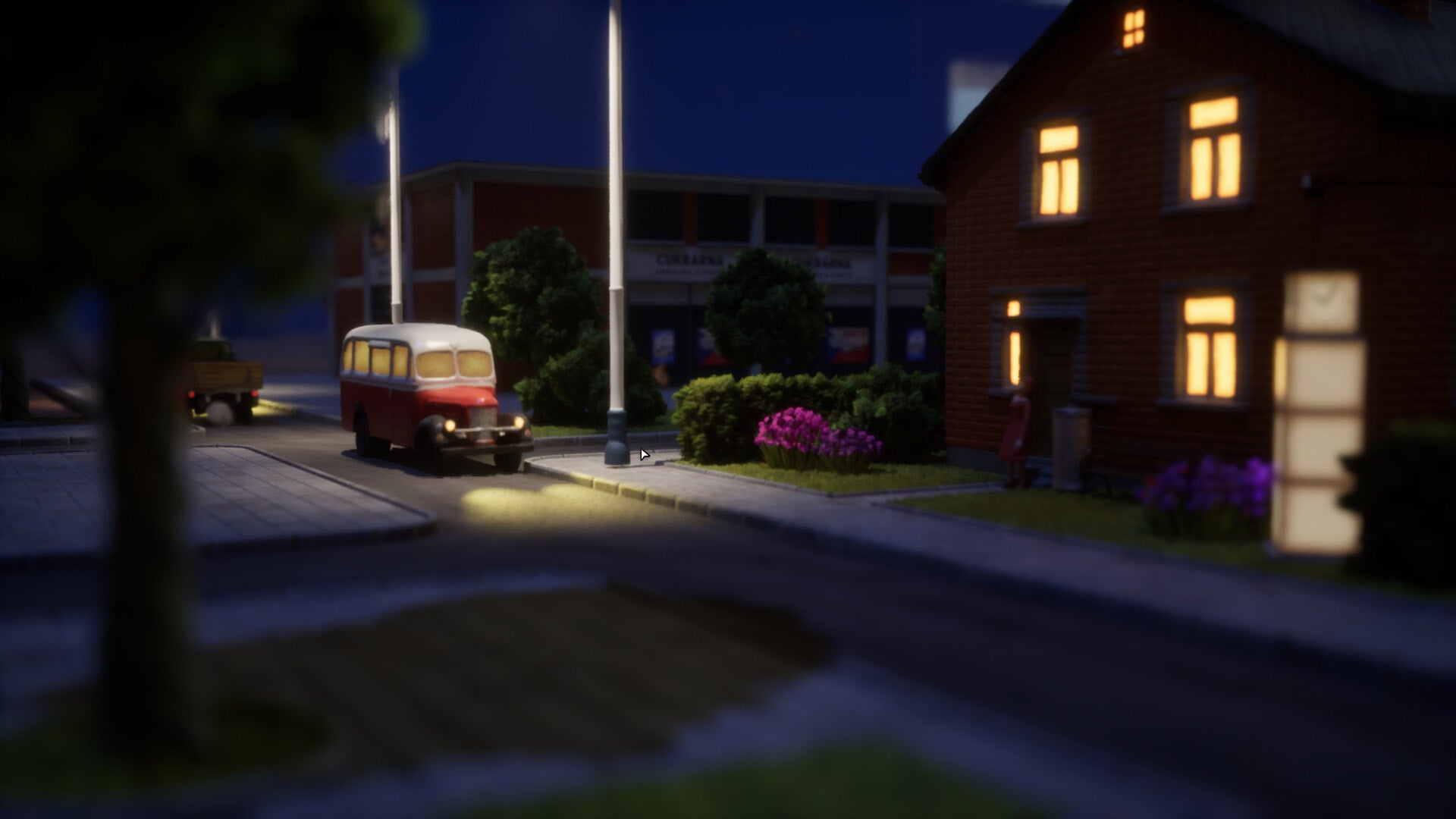
- Visual Depth: Real-world paint textures catch light differently than generated shaders. This provides the "toy-like" quality that makes Zlin City feel tactile.
- Narrative Weight: A building with a visible glue mark or a slightly uneven brush stroke carries the implicit history of the "builder." In the context of a game about architecture, this reinforces the idea that these cities are made by people, for people.
- Unique Identity: Because the physical models are handcrafted, the variation between structures is organic rather than algorithmic, ensuring that no two streets look exactly the same due to the inherent variations in human dexterity.
Official Responses and Philosophy
In their official communications, Polyperfect has been vocal about their disdain for the current trend of AI-driven, sterile development. "In a time when things are being artificially generated, Zlín City bets on the beauty of imperfection and an unmistakable human touch," the studio stated in their reveal press release.
The developers have explicitly linked their vision to the world of classic puppet animation and model railways. These are mediums that evoke a specific sense of nostalgia and wonder—a feeling that the world you are interacting with is something you could reach out and touch. By choosing to prioritize the "human touch," Polyperfect is positioning Zlin City not just as a game, but as an interactive piece of art that honors the labor of its creation.
Implications for the Industry
The success or failure of Zlin City: Arch Moderna will serve as a bellwether for the indie development scene. If a game built on the concept of "physical-to-digital" translation can find a significant audience, it may signal a shift in how developers approach environmental design.
The Rise of "Analog-Digital" Hybrids
We may see a move toward "analog-digital" hybrids where developers spend more time on physical prototyping to inform their digital assets. This would be a significant departure from the current trend of outsourcing asset creation to generic, automated pipelines.
The Educational Potential of Simulation
Furthermore, Zlin City highlights the potential for the city-builder genre to pivot toward cultural preservation. By gamifying the history of Zlín’s architecture, the game offers a template for how other developers might digitize local history. Instead of building generic "City #4," players are invited to learn about the functionalism movement, the role of industry in city planning, and the cultural legacy of a specific European region.
The Economic Model of Development
The decision to utilize a Patreon-based alpha model is also telling. It suggests a move toward "community-funded craftsmanship." Rather than rushing to a publisher to force a release, the developers are relying on a smaller, more dedicated group of patrons to fund the labor-intensive process of physical model building and digitization. It is a slow, artisanal approach to software development that stands in stark contrast to the "crunch" culture often associated with larger titles.
Conclusion: A Smaller, Kinder City
Zlin City: Arch Moderna is an invitation to slow down. In a genre dominated by the desire to expand, conquer, and optimize, it asks the player to look at the details. It asks us to appreciate the stroke of a brush on a miniature wall and the history behind a brick factory.
Whether it succeeds as a robust management simulation remains to be seen, but as a statement on the state of digital art, it is already a success. It reminds us that our games do not need to be perfect to be meaningful. Sometimes, the beauty is in the glue, the paint drip, and the human hand that put it there. For those interested in the future of the genre, the game is currently available to explore via the developer’s Patreon, with a wider community gathering on its Steam wishlist page. In a sea of artificial perfection, Zlin City is a breath of, admittedly, hand-painted fresh air.


 Asro
Asro
 Muslim