Dwi Wanna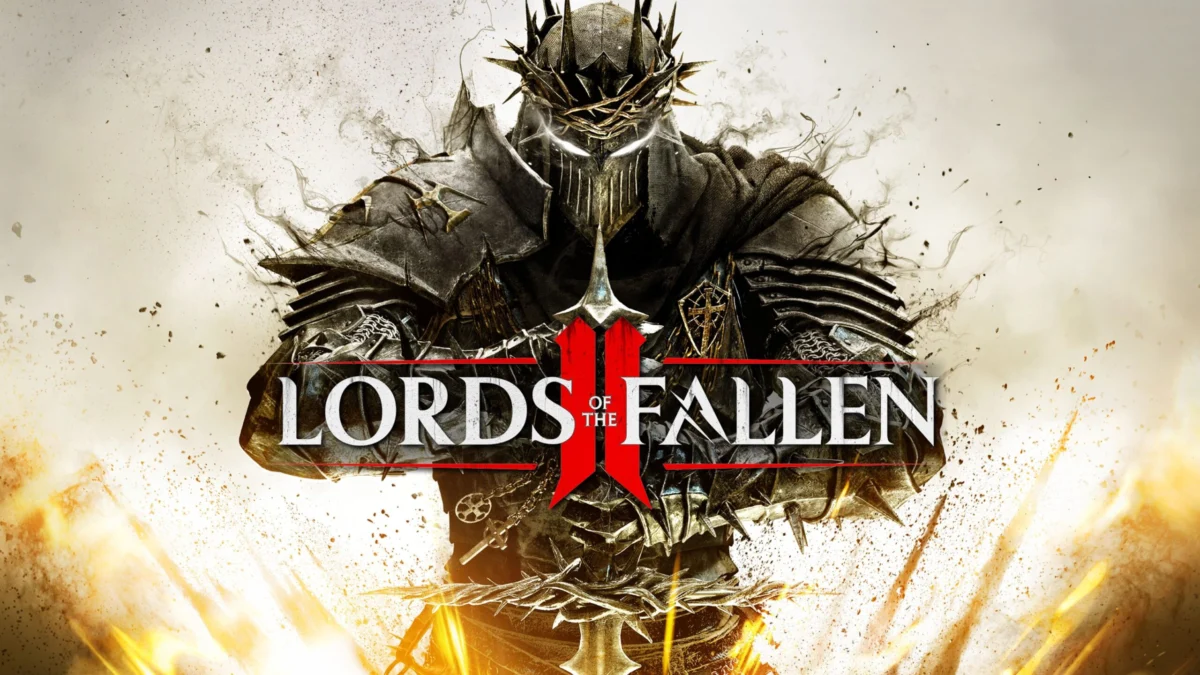
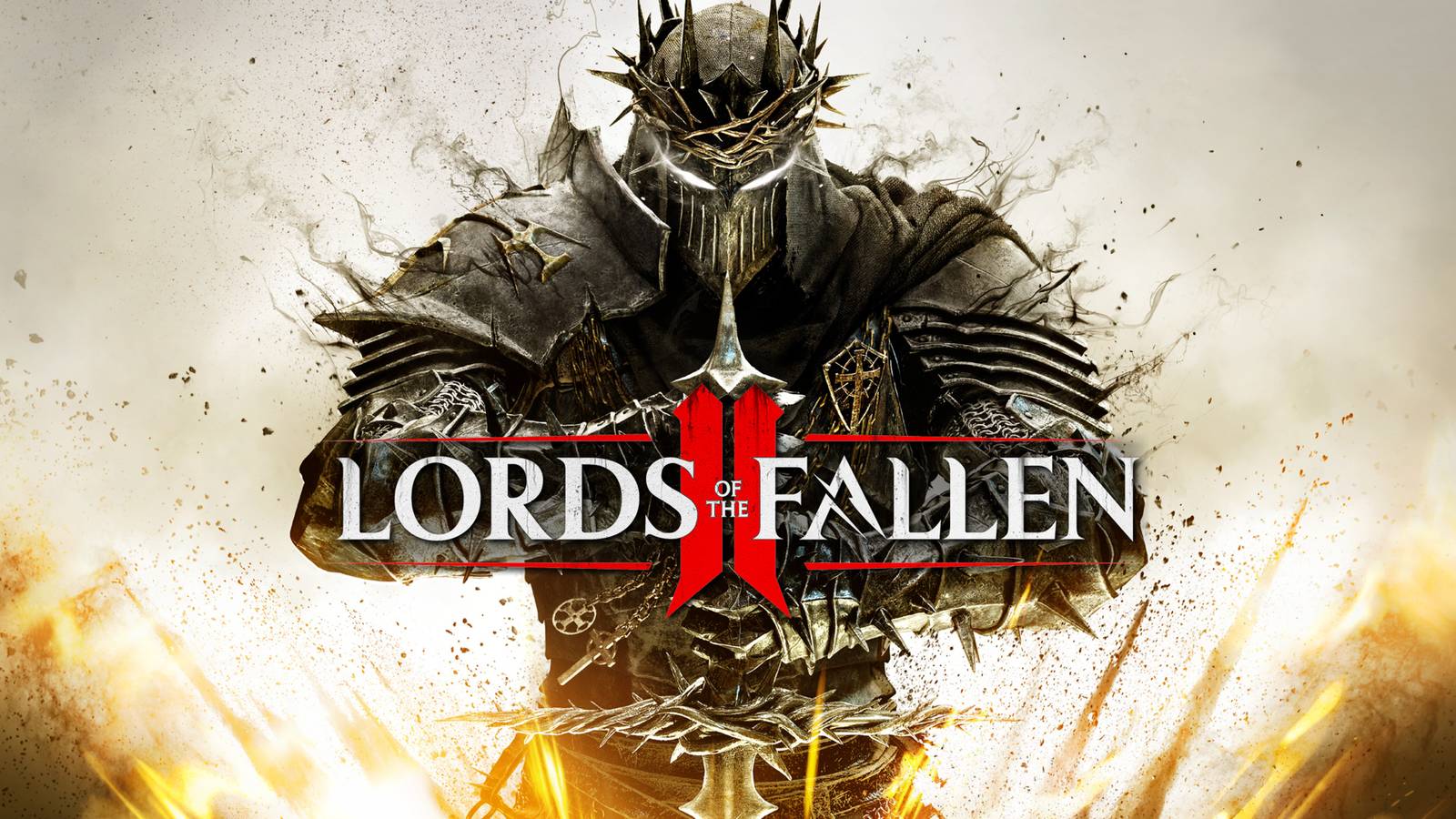
In a move that highlights the increasingly cutthroat nature of the modern gaming industry, CI Games has officially announced that the highly anticipated sequel, Lords of the Fallen II, will no longer meet its original 2026 release window. Instead, the studio has set its sights on an early 2027 launch. The decision, confirmed by CEO Marek Tyminski, underscores a growing trend among developers: the realization that launching into a crowded market—especially one overshadowed by industry titans—is a recipe for commercial and critical stagnation.
The Announcement and Official Stance
The confirmation arrived via an official communication from CI Games CEO Marek Tyminski on X (formerly Twitter). In his statement, Tyminski candidly acknowledged the pressures of the 2026 release calendar. By opting to shift the release, CI Games is effectively insulating Lords of the Fallen II from the suffocating "holiday crunch" that occurs every November and December.
More importantly, the delay serves a dual purpose. Beyond mere market avoidance, it provides the development team with a critical "buffer period" for technical refinement. Tyminski emphasized that the studio is working in tandem with a dedicated "Gameplay Feedback Team"—a group comprised of seasoned Souls-like veterans—to ensure that the sequel addresses the pain points that plagued the predecessor.
"As development progresses, we have worked closely with the Gameplay Feedback Team… to identify meaningful opportunities to further refine and strengthen the overall experience," Tyminski stated. "These enhancements will benefit from additional integration, iteration, and polishing time, enabling the team to deliver the highest possible quality at launch."
A Market Under Siege: Why 2026 Is a "No-Fly Zone"
To understand the gravity of this decision, one must look at the unprecedented density of the 2026 release schedule. The video game industry is currently experiencing a "post-pandemic peak" in development, where many projects delayed by global supply chain disruptions and shifting development cycles have finally reached maturity.
The September and October Gauntlet
The late-2026 calendar has been characterized by an onslaught of high-profile releases. September alone features a staggering array of titles, including Marvel’s Wolverine, Onimusha: Way of the Sword, Warhammer 40,000: Dawn of War IV, and Control Resonant. These games are not merely niche releases; they represent massive financial investments and established intellectual properties that compete directly for the same player base as Lords of the Fallen II.
October is arguably even more hazardous. The release of Gears of War: E-Day, Call of Duty: Modern Warfare 4, Final Fantasy Resonance, and Phantom Blade Zero creates a scenario where even the most dedicated "hardcore" gamer would struggle to find the time or budget to engage with every title.
The GTA VI Factor
The ultimate "black hole" in the 2026 calendar is, without question, the launch of Grand Theft Auto VI. Historically, Rockstar Games titles exert a gravitational pull that distorts the entire industry’s sales performance. Launching a new action-RPG, particularly a Souls-like title that requires significant time investment, within the same quarter as GTA VI is widely considered a strategic error. By delaying, CI Games is not just avoiding competition; they are avoiding the "noise" that would inevitably drown out their marketing efforts during the final months of the year.

Learning from History: The Legacy of Technical Debt
The decision to delay Lords of the Fallen II is deeply rooted in the studio’s recent history. The previous entry in the franchise was lauded for its artistic direction and ambitious mechanics, yet it was severely hampered by technical performance issues, frame rate drops, and bugs that marred the initial player experience.
In the Souls-like genre, where precision and fluid performance are paramount to the core gameplay loop, technical shortcomings are often fatal to a game’s reputation. By taking the extra months to iterate on the engine and polish the core systems, CI Games is making a calculated bet: they would rather face a delay-related backlash now than a quality-related decline in player retention and review scores later. This "Quality First" mandate is an increasingly popular strategy, as modern audiences are quick to punish games that release in an unoptimized state.
The 2027 Landscape: Is the Horizon Clearer?
While moving to early 2027 provides a reprieve from the holiday chaos, it does not guarantee a vacuum of competition. The first quarter of 2027 is already shaping up to be a dense landscape of its own.
The Q1 2027 Competitive Field
- January: Titles such as Stranger Than Heaven and Final Fantasy XIV: Evercold will occupy the early-year spotlight.
- February: A wave of major releases, including Tomb Raider: Legacy of Atlantis, Persona 4 Revival, Fable, and Metro 2039, are already slated for this period.
While this list is less daunting than the sheer volume of November 2026, it suggests that CI Games cannot simply rest on their laurels. They are moving from a "fire" into a "frosty" but still competitive environment. The success of Lords of the Fallen II will depend entirely on how effectively they utilize the extra development time to differentiate themselves from these other anticipated titles.
Implications for CI Games and the Industry
The delay of Lords of the Fallen II has several long-term implications for the industry at large:
- The Rise of the "Flexible Release" Model: As development costs skyrocket, studios are increasingly abandoning fixed holiday release targets. The risk of launching alongside a cultural phenomenon like GTA VI is too high to ignore.
- Sustainability of the Souls-like Genre: The market is becoming saturated with games inspired by the Dark Souls and Elden Ring formula. For Lords of the Fallen II to succeed, it must do more than just exist—it must provide a unique identity that separates it from the growing crowd.
- Investor and Stakeholder Management: CI Games must navigate the delicate balance of keeping shareholders happy while delaying a major revenue driver. By framing the delay as a "polishing and refinement" necessity, the company is attempting to maintain confidence in the final product’s quality, which ultimately protects long-term stock value.
Conclusion: A Measured Risk
Ultimately, the decision by Marek Tyminski and his team at CI Games is a display of maturity. In an era where "crunch" and "unfinished releases" have become common complaints, the willingness to step back and wait for a more advantageous release window is a rare, positive sign.
While fans are undoubtedly disappointed to wait until Q1 2027 for their next foray into the dark, punishing worlds of the franchise, the consensus among industry analysts is that this is the correct strategic move. The game will now enter a market with slightly more room to breathe, providing the developers with the necessary time to ensure that the final product is not only playable but polished to a level that can stand tall against the heavy hitters of 2027.
As we await a formal release date, the gaming community remains in a state of cautious optimism. If the "Gameplay Feedback Team" and the development cycle can truly elevate the experience beyond the technical hurdles of the previous game, Lords of the Fallen II may yet define its own path in the early months of 2027. For now, the game stays in the shadows, waiting for its moment to strike when the field is less crowded and the lights are shining just a little bit brighter.


 Asro
Asro
 Muslim