Suro Senen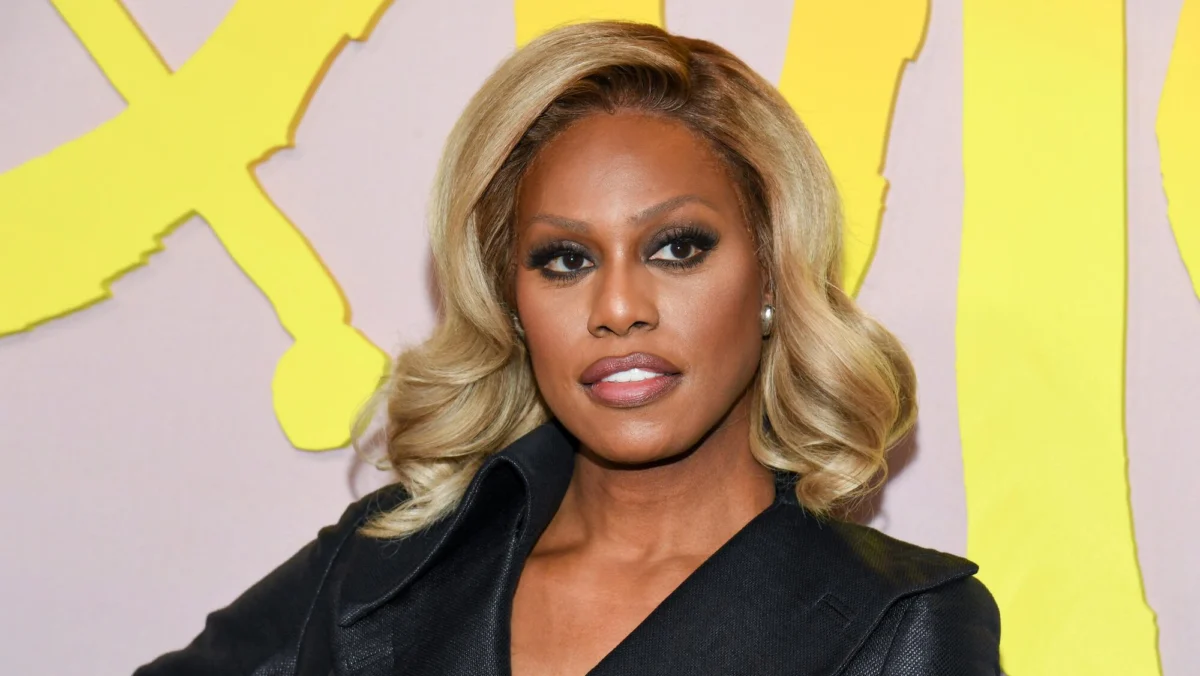
Nearly two years into Donald Trump’s second nonconsecutive term, the landscape for diversity, equity, and inclusion (DEI) in corporate America has undergone a seismic shift. For Emmy-winning actress, producer, and activist Laverne Cox, this political realignment has manifested as a tangible financial burden. As a Black trans woman who has spent over a decade as a prominent voice in the movement for LGBTQ+ equality, Cox recently revealed that the administration’s aggressive stance against DEI initiatives has directly impacted her livelihood, forcing her to tap into her retirement savings to weather a cooling professional climate.
The Economic Impact on a Cultural Icon
In a candid interview with Attitude magazine, Cox detailed the stark reality of her current financial situation. Despite her status as a household name—cemented by her groundbreaking role as Sophia Burset on Netflix’s Orange Is the New Black—Cox admits that the current climate has created a "chilling effect" that has trickled down to her own bottom line.
"I’ve lost so much money because of this administration, the past year," Cox told the publication. "I managed to stay busy with acting and branding work, as well as speaking engagements. But I never thought college speaking gigs would dry up."
For many public figures, speaking engagements at universities and corporate conferences provide a stable secondary income stream. However, as the Trump administration has intensified its rhetoric and policy directives against what it terms "gender ideology" and "DEI initiatives," institutions have become increasingly risk-averse. This hesitation has led to a noticeable decline in bookings for advocates who are vocal about trans rights and intersectional social justice.
A Chronology of Progress and Retrenchment
To understand the weight of Cox’s current financial anxiety, one must look at her journey from the brink of insolvency to the heights of Hollywood success.
2013: The Breakthrough
When Orange Is the New Black premiered in 2013, Cox was 40 years old, a point in life where many actors have established long-term financial security. For Cox, it was the opposite. She entered the role with significant student loan debt, no savings, and no retirement fund. She has frequently spoken about the "financial hole" she spent years digging herself out of, working tirelessly not just to build a career, but to establish a foundation for the future.
2013–2019: The Activism Era
Throughout her tenure on the show, Cox became a cultural ambassador for the trans community. She leveraged her newfound platform to speak at universities, corporate retreats, and public forums. Her goal was twofold: to provide for her own future and to "humanize" the trans experience for a broader audience. These years were marked by a high demand for her perspective, as organizations sought to broaden their understanding of diversity.
2025–2026: The New Political Reality
With the inauguration of Donald Trump for his second term in January 2025, the institutional appetite for DEI began to wane rapidly. Following the administration’s explicit directives to dismantle federal and corporate DEI structures, major Hollywood studios, corporate brands, and educational institutions began a process of "retreat." This period marks the current phase of Cox’s career, where the political environment has directly encroached upon her economic stability.
Supporting Data: The Shrinking DEI Landscape
The financial strain reported by Cox is not an isolated incident; it mirrors a broader trend within the entertainment and corporate sectors. According to recent reports, including those analyzed by Deadline, the rollback of DEI programs has been swift and systematic.
Following executive directives issued in early 2025, many major media conglomerates have quietly restructured their HR and content departments. The rationale provided by these organizations often cites "fiscal responsibility" or "brand neutrality," yet industry insiders suggest a more pointed fear of political retribution.
- Corporate Hesitancy: Surveys conducted within the entertainment industry indicate that nearly 40% of major production houses have scaled back or entirely eliminated their dedicated DEI departments since the start of 2025.
- The "Fear" Factor: As Cox noted, brands are "very scared" to associate with figures who are perceived as being at the forefront of the culture wars. The potential for social media backlash or administrative scrutiny has led many corporate marketing teams to adopt a "safety-first" approach, effectively blacklisting advocates who challenge the status quo.
- Speaking Circuit Contraction: Academic institutions, once the primary hubs for social justice discourse, have faced pressure from state legislatures to curtail funding for "divisive topics." This has led to a dramatic reduction in speaking fees and guest-lecturer opportunities for high-profile activists.
Official Responses and Corporate Strategy
The administration’s stance has been characterized by its punitive approach to any policy or initiative categorized as "woke" or "ideological." In various press briefings throughout the last 18 months, administration spokespeople have characterized DEI programs as "discriminatory," arguing that they prioritize identity over merit.
While the White House has not commented on specific cases like that of Laverne Cox, their general policy is clear: a total decoupling of federal funding from organizations that maintain active DEI mandates. This has forced corporations, which rely on government contracts and public favor, to choose between their previously stated commitments to social progress and their bottom lines.
In response to the current environment, many PR firms have advised their high-profile clients to adopt a "low-profile" strategy. However, for an advocate like Cox, whose career is inextricably linked to her identity and her activism, this is not an option.
The Implications for the Future of Representation
The implications of this shift extend far beyond one actress’s bank account. When figures like Laverne Cox are forced to dip into their retirement funds due to a hostile political environment, it sends a chilling signal to other creators, activists, and marginalized voices in the industry.
The Erosion of "Retirement Privilege"
Cox pointed out a painful irony: "The blessing is that I finally have the privilege to have a retirement fund to dip into, but you don’t really want to do that." Her situation highlights the precarious nature of financial success for individuals from marginalized backgrounds. For many, the road to financial stability is long and fragile. When political winds shift, the progress made by these individuals is often the first thing to be eroded.
The Stifling of Diverse Storytelling
If Hollywood continues to retreat from DEI, the diversity of stories being told on screen is likely to suffer. When studios fear the fallout of "identity-based" narratives, they revert to safer, more conventional content. This creates a feedback loop: fewer diverse stories lead to less empathy in the general public, which in turn fuels the political appetite for further dismantling DEI.
The Long-Term Economic Cost
The economic impact on marginalized talent may lead to a "brain drain" within the entertainment industry. If the profession becomes financially untenable for those who are vocal about social justice, the industry risks losing the very perspectives that have driven the most innovative and culturally resonant content of the last decade.
Conclusion: A Resilience Tested
Laverne Cox’s story is a microcosm of the current American experience for those who have spent their careers advocating for progress. Her willingness to discuss the "financial hole" she is once again finding herself in is a testament to the honesty she has brought to her public life for years.
As the second term of the current administration continues, the question remains: how much further will the rollback go? For now, Cox remains focused on her work, balancing the demands of acting with the necessity of survival in a climate that is increasingly hostile to the values she represents. Her experience serves as a stark reminder that in the face of political change, the most vulnerable are often those who have worked the hardest to bridge the divide.


 Nana Wu
 Jia Lissa