Nana Muazin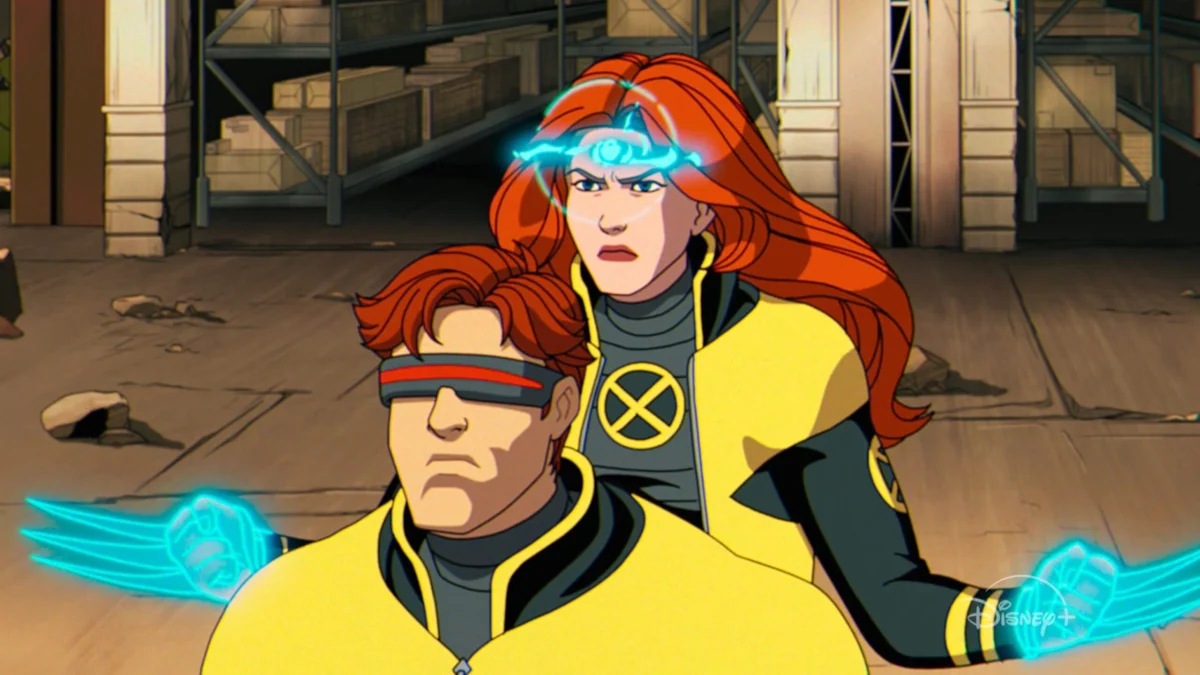
Introduction: The Evolution of Identity
"Mutation: it is the key to our evolution." These words, spoken by the world’s most prominent mutant activists, have become more than a mantra; they are the foundation of a new social consciousness. As humanity grapples with the increasing visibility of the X-Gene, the Xavier Institute for Higher Learning and associated organizations have unveiled a new diagnostic tool: the Cerebro Personality Assessment Protocol. Designed to categorize the psychological profiles of both mutants and human allies, the test asks the fundamental question: Which X-Men character are you?
This article examines the implications of this digital profiling, the psychological archetypes identified by the test, and what the results suggest about the current state of mutant-human relations.
1. Main Facts: The Anatomy of the Assessment
The Cerebro Assessment is a multi-stage interactive inquiry that forces participants to navigate moral dilemmas common to the ongoing conflict between Homo sapiens and Homo superior. Unlike standard personality tests, the protocol does not measure extroversion or cognitive style; instead, it measures tactical preference, ideological stance, and conflict resolution strategy.
The assessment filters responses through three primary lenses—or "Archetypes"—represented by the most influential figures in mutant history:
- The Loner (Wolverine/Logan): Characterized by self-reliance, physical protectionism, and a distrust of institutional systems.
- The Visionary (Professor X/Charles Xavier): Defined by institutional diplomacy, long-term idealism, and the belief in systemic integration.
- The Survivor (Magneto/Erik Lehnsherr): Defined by strategic ruthlessness, a focus on survival, and a refusal to compromise on safety.
2. Chronology: From Underground to Public Consciousness
The development of this tool did not occur in a vacuum. It follows a decade of heightened geopolitical tension.
- 2014-2016 (The Latency Period): Public awareness of the X-Gene shifted from urban legend to verified biological fact. During this time, the "Loner" archetype was the most common response in psychological surveys, as mutants sought to hide their abilities from government registries.
- 2018-2020 (The Escalation): As Sentinel programs were proposed by various state actors, public sentiment polarized. The "Survivor" archetype saw a statistically significant rise in popularity among youth populations who felt threatened by encroaching state surveillance.
- 2022-2024 (The Integration Phase): The launch of the formal Cerebro Protocol marks a transition toward "Identity Advocacy." By allowing individuals to identify with these archetypes, the Institute is attempting to turn the fear of mutation into a framework for self-understanding.
3. Supporting Data: The Behavioral Divergence
Data gathered from the initial beta testing of the assessment reveals stark divides in how different cohorts approach the "Human-Mutant Dilemma."
Tactical Decision Making
When presented with the hypothetical scenario of anti-mutant protesters surrounding a school, the data shows a 42% preference for "The Survivor" approach (evacuating while planning a counter-strike). Only 28% of participants chose the "Visionary" approach (public dialogue), suggesting that as geopolitical tensions rise, the public’s faith in peaceful discourse is rapidly declining.
The Trust Deficit
Perhaps the most telling metric comes from the question regarding a corrupt politician offering to support mutant rights. A staggering 60% of respondents identified with the "Loner" strategy: Watch them closely, and if they betray us, take immediate action. This indicates a profound lack of trust in traditional political structures, regardless of which mutant faction the respondent aligns with.
4. Official Responses and Ideological Stance
The three archetypes provide more than just character labels; they serve as a mirror for modern political philosophy.
The Philosophy of the Visionary
Representatives from the Xavier Institute state that the "Visionary" result is not merely about being "peaceful." It is an active, demanding, and often exhausting commitment to coexistence. As one spokesperson noted, "The Visionary profile is the hardest to maintain. It is easy to be a survivor; it is easy to be a loner. It is very difficult to build a bridge while someone is trying to set it on fire."
The Reality of the Survivor
Supporters of the "Survivor" ideology—often aligned with the principles of the Brotherhood—argue that the assessment validates their caution. They contend that history is a cycle of oppression, and those who do not prioritize their own survival are destined to be victims of the next Sentinel deployment.
The Necessity of the Loner
The "Loner" archetype remains the most popular among independent agents. This profile represents the individual who has been failed by both the State and the Institute. It is a cynical, yet protective, identity that prioritizes the "immediate circle"—the people you can touch, see, and defend—over abstract political goals.
5. Implications: The Future of Coexistence
The Cerebro Assessment is ultimately a diagnostic of our collective future. If the majority of the population identifies with the "Survivor" or "Loner" archetypes, it suggests that the "Visionary" dream of a peaceful, integrated society is becoming increasingly marginalized.
The Risk of Echo Chambers
Sociologists have raised concerns that these personality tests may lead to "Archetype Siloing." If individuals only surround themselves with others who share their specific mutant identity, the possibility for cross-ideological dialogue vanishes. A school of "Survivors" will naturally adopt a more aggressive stance, while a "Visionary" community may find itself unprepared for physical conflict.
Toward a Synthesis
However, some experts argue that the test is a necessary step toward maturity. By forcing individuals to confront their "biggest flaw"—whether it be the Loner’s isolation, the Visionary’s naivety, or the Survivor’s anger—the protocol encourages self-reflection.
The final question of the assessment asks: What do you believe about coexistence? This is the crux of the matter. Whether one believes coexistence is a dream worth fighting for, a dangerous fantasy, or a secondary concern compared to immediate safety, the answer dictates the direction of the next decade of human history.
Conclusion: The Choice is Yours
As the Cerebro scan concludes, the results serve as a mirror. Whether you identify with the fierce protectiveness of Logan, the unwavering hope of Charles Xavier, or the calculated resolve of Erik Lehnsherr, you are participating in a conversation that defines the future of our species.
The X-Gene is not just a biological marker; it is a catalyst for change. The question remains: how will you use your mutation? Will you build, hide, or survive? The assessment is live, the data is being processed, and the future is waiting to be written.
Data Summary Table: Archetype Distribution
| Archetype | Core Philosophy | Primary Risk |
|---|---|---|
| Wolverine | Autonomy/Defense | Isolationism |
| Professor X | Integration/Hope | Idealistic Blindness |
| Magneto | Sovereignty/Power | Ruthless Overreach |
For those who have not yet undergone the assessment, the Cerebro interface remains active. The path to understanding your place in the evolution of humanity begins with a single, honest choice.

 Jia Lissa
 Iffa Jayyana