Neng Nana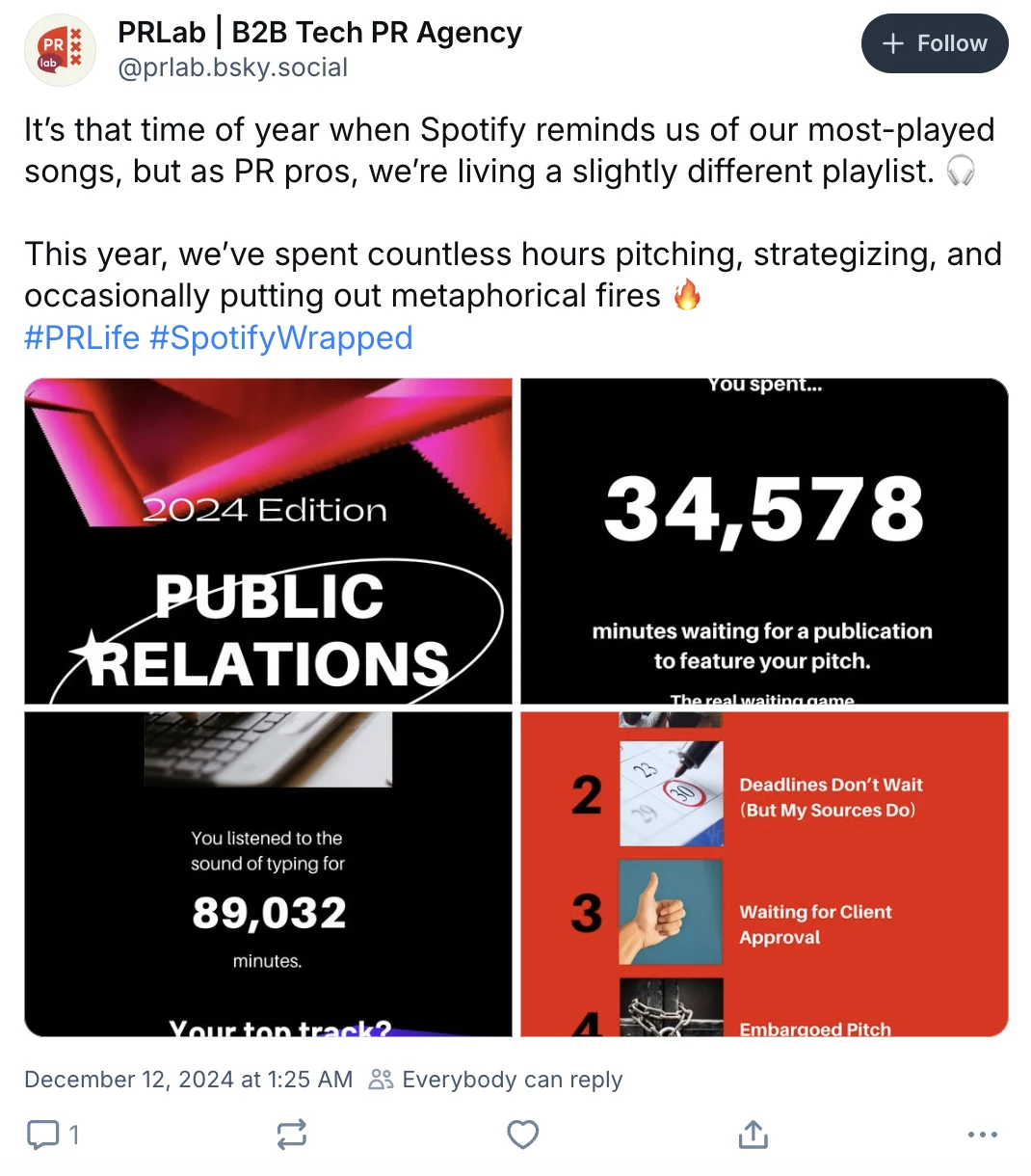
The landscape of social media is undergoing its most significant structural shift in over a decade. As users grow increasingly weary of algorithmic manipulation, invasive advertising, and the volatile governance of traditional platforms, a "decentralized" challenger has emerged from the experimental fringes to the mainstream: Bluesky. With over 44 million users as of May 2026, the platform is no longer merely a niche alternative to X (formerly Twitter); it has become a legitimate, high-functioning ecosystem for discourse, journalism, and brand strategy.
The Genesis: From Jack Dorsey’s Vision to a Decentralized Reality
To understand the current influence of Bluesky, one must look at its origins. Conceived during the final years of Jack Dorsey’s tenure as CEO of Twitter, the project began as an initiative to build an open, decentralized standard for social media. The objective was to create a protocol—rather than a walled garden—that would allow users to own their social identity, move their followers between servers, and escape the "company-controlled" model that has defined the social web since the early 2000s.

The platform is built upon the AT Protocol (Authenticated Transfer Protocol). This open-source framework ensures that Bluesky is not owned by a single entity. Unlike X, Instagram, or TikTok, which utilize proprietary algorithms designed to maximize ad revenue and time-on-app, the AT Protocol allows for interoperability and user-led moderation. This architecture has proven to be the platform’s greatest competitive advantage in an era where digital sovereignty is becoming a primary concern for privacy-conscious users.
Chronology: From Invite-Only to 44 Million Strong
Bluesky’s growth trajectory has been marked by strategic patience rather than aggressive, unmanaged expansion.

- 2021–2023: The project existed primarily as an experimental development phase, accessible only to a select group of developers and early testers via an invite-only system.
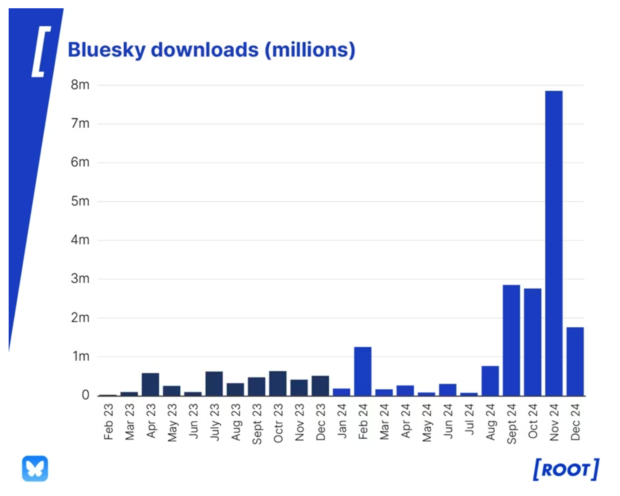
- February 2024: Following a period of refinement, Bluesky officially opened its doors to the general public, removing the invite requirement and sparking a wave of new sign-ups.
- November 2024: The platform experienced a historic inflection point. Following shifts in the political and functional landscape of X, Bluesky reached the #1 spot on the Apple App Store, recording 7.85 million downloads in that month alone.
- 2025–2026: Having solidified its infrastructure, the platform moved beyond "the alternative to X" phase. It began integrating professional features, such as advanced verification via personal domains and the launch of "Starter Packs," which allow communities to onboard new members to specific interest groups with a single click.
Supporting Data: Why the Migration is Real
The numbers suggest that Bluesky’s growth is not merely a "protest" movement, but a fundamental change in user behavior.
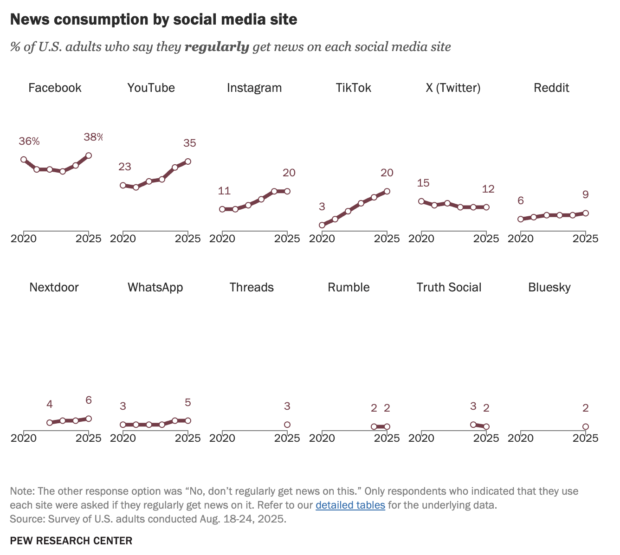
Current demographic data from mid-2026 indicates that the platform’s user base is primarily composed of individuals aged 18 to 34, with a significant concentration in the United States. While the platform has a lower penetration rate regarding general news consumption (only 2% of U.S. adults use it as a primary news source compared to 12% on X), its engagement metrics tell a different story.

Industry experts observe that Bluesky users are significantly more likely to engage in "meaningful interaction." While platforms like X have seen a rise in automated content and polarizing political rhetoric, Bluesky’s "custom feeds" feature allows users to filter out the noise. By subscribing to specific algorithmic feeds—curated by the community—users can opt for content regarding science, art, or niche technical fields, effectively insulating themselves from the broad-spectrum toxicity found elsewhere.
Official Responses and Platform Philosophy
The leadership team behind Bluesky has maintained a consistent stance: they are not interested in the "attention economy." In recent internal communications, the team emphasized that the goal is to build a place where users can find news and stay in touch with friends without being treated as a product.

"We want Bluesky to be a place where users can both find the latest news and stay in touch with their friends," the company noted in a recent update. This commitment to the user experience is evidenced by the complete absence of traditional, intrusive advertising. By eschewing an ad-supported model, Bluesky avoids the pressure to keep users "hooked" via rage-bait algorithms, a move that has been roundly praised by digital safety advocates and media critics alike.
Strategic Implications for Business in 2026
For brands, the rise of a major, ad-free, decentralized platform creates a paradox. Traditional social media marketing relies on targeted ads and mass-reach algorithms; both are absent on Bluesky. However, this environment creates a high-value opportunity for companies willing to pivot to a "human-first" strategy.
1. The Death of the "Promotional" Tone
On Bluesky, overly polished or hyper-promotional content often falls flat. The platform functions more like an online community or a creative workshop. Successful brands are those that treat the platform as a place for "Thought Leadership." By sharing original research, behind-the-scenes insights, and inviting open feedback, brands can establish themselves as industry authorities rather than just another corporate account shouting into the void.
2. Niche Community Integration
The "Custom Feeds" feature is the most powerful tool for marketers. Brands can align themselves with specific, interest-based feeds. If a company sells specialized equipment, they can contribute to the "Coffee Lovers" or "Tech Enthusiasts" feeds. This allows for laser-focused engagement that is impossible to achieve on broader platforms where reach is often diluted.
3. The New "Testing Ground"
Many marketers are currently using Bluesky as a low-stakes environment to test new messaging concepts. Because the community is active and provides immediate, authentic feedback, brands can iterate on their tone and content style before scaling those concepts to larger, more mainstream platforms like Instagram or X.
4. Direct Access to Media and Journalism
Perhaps the most significant development is the influx of journalists and media outlets. Because Bluesky allows for easy domain-based verification and does not penalize external links, it has become the preferred space for PR professionals. Brands looking to build media relationships are finding that the "cold pitch" is less effective here than the "community build"—joining the same starter packs and conversations as the journalists they aim to reach.

The Future: A Sustainable Alternative?
As we move through 2026, the question is no longer whether Bluesky is a viable platform, but rather how it will influence the future of the internet. The decentralized model is no longer a fringe academic theory; it is a proven architecture that has successfully scaled to tens of millions of users.
For the casual user, it offers a reprieve from the exhaustion of modern social media. For the business owner, it offers a glimpse into a future where engagement is earned through value and conversation rather than purchased through ad spend.

Whether Bluesky will eventually challenge the total dominance of the industry giants remains to be seen. However, its current growth confirms one undeniable truth: users are no longer satisfied with being passive consumers of algorithmic content. They want ownership, they want agency, and they are willing to build a new digital square to get it.
Recommendation for Brands: If you have not yet claimed your brand handle on the AT Protocol, you are delaying an essential piece of your digital real estate strategy. Even if you do not launch a full campaign today, securing your identity on a decentralized network is a necessary hedge against the inherent instability of modern social media platforms. The era of the "company-owned" social experience is waning; the era of the decentralized, user-centric web has arrived.


 Nana
Nana
 Jia Lissa