Muslim
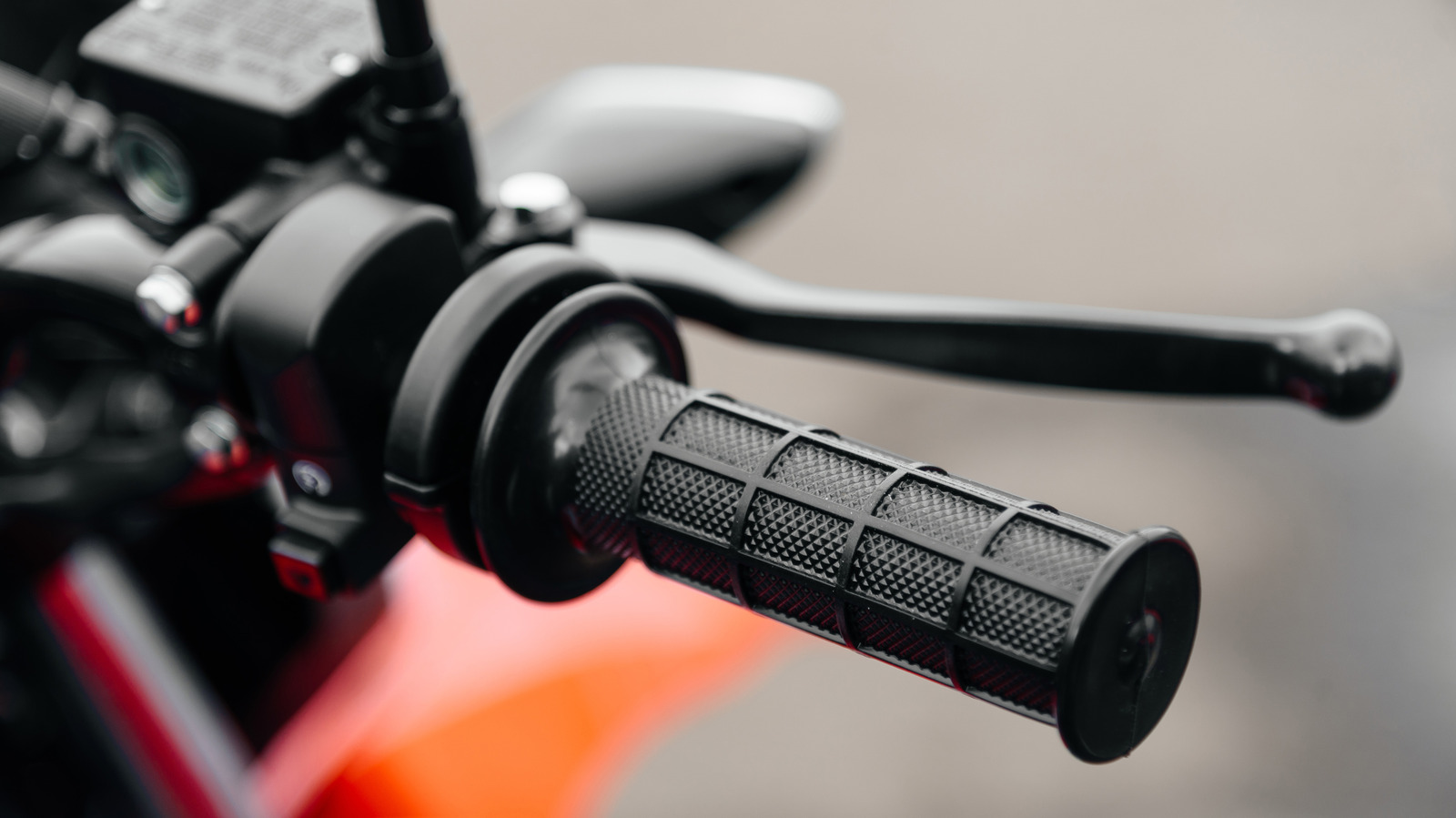
For the uninitiated, the physics of a motorcycle can seem counterintuitive. While cars rely on a singular brake pedal to distribute stopping force across four wheels, the motorcyclist is tasked with the manual operation of two independent systems: the hand-operated front brake and the foot-operated rear brake. Mastering the coordination of these two levers is the single most important skill a rider can develop. Central to this mastery is the "70/30 rule"—a foundational guideline for safe, controlled deceleration.
Main Facts: Decoding the 70/30 Principle
The 70/30 rule serves as a baseline for motorcycle deceleration. In standard, dry-road conditions, it suggests that approximately 70% of your total stopping power should be generated by the front brake, while the remaining 30% should be handled by the rear.
This distribution is not arbitrary; it is dictated by the fundamental laws of physics. When a motorcycle begins to decelerate, the bike’s center of gravity shifts forward. This phenomenon, known as "weight transfer," places a significantly higher load on the front tire’s contact patch. As the front tire is pushed harder into the pavement, its available traction increases, allowing it to handle more braking force without skidding. Conversely, the rear tire experiences a reduction in downward pressure, making it prone to locking up if over-braked.
Using both brakes in tandem is not merely a suggestion—it is a necessity for chassis stability. Relying solely on the front brake can cause the suspension to dive aggressively, potentially upsetting the bike’s geometry and steering. Conversely, ignoring the front brake and relying on the rear often results in inadequate stopping power and a significantly longer braking distance. By utilizing the 70/30 approach, the rider ensures that the chassis remains balanced, predictable, and fully responsive to emergency inputs.
The Chronology of Stopping: What Happens During a Brake Event
Understanding the "why" of the 70/30 rule requires a look at the sequence of events during a braking maneuver:
- The Initial Squeeze (The "Load" Phase): As you begin to apply the front brake, you are compressing the front forks. This is the moment where you "load" the tire. Professional instructors often emphasize a "squeeze, don’t grab" technique. A gentle initial application allows the front tire to settle into the pavement, maximizing grip before you apply maximum pressure.
- The Rear Engagement (The "Stabilization" Phase): Simultaneously, the rear brake should be applied. While the rear brake contributes less to total stopping power, it acts as an anchor for the chassis. It prevents the bike from "pitching" too far forward and helps keep the motorcycle tracked straight.
- The Peak Deceleration (The "Threshold" Phase): As the bike slows, the weight transfer peaks. This is the moment where the 70/30 ratio is most pronounced. With the front tire now firmly planted due to the weight shift, the rider can safely increase pressure on the front lever.
- The Release (The "Trail" Phase): As the bike comes to a near stop, the rider must gradually ease off the brakes to prevent a "jerk" at the final moment of stillness.
Supporting Data and Physics of Weight Transfer
The efficiency of a motorcycle’s braking system is limited by the traction available at the contact patch of the tires. Traction is a product of the coefficient of friction and the normal force (weight) acting on the tire.
- Front-Heavy Dynamics: Because most motorcycles have a high center of gravity and a relatively short wheelbase, the amount of weight transferred forward under hard braking is substantial. On some sportbikes, under extreme deceleration, the rear tire can become so light that it momentarily loses contact with the road—a "stoppie." In such a state, the rear brake becomes entirely useless because there is no friction to work against.
- Traction Ratios: In a static state, many motorcycles have a 50/50 weight distribution. However, during hard braking, that distribution can shift to 90/10 or even higher. The 70/30 rule is a "safe" compromise that works across a wide variety of road conditions, ensuring that neither wheel is tasked with more work than it can handle.
- The Geometry Factor: Cruisers with long, raked-out front ends handle weight transfer differently than sportbikes with steep head angles. While the 70/30 rule remains a useful heuristic, the specific geometry of your machine will dictate exactly how much "feel" you need at each lever.
Official Perspectives: The Role of ABS and Modern Tech
In recent years, the conversation surrounding the 70/30 rule has been complicated by the widespread adoption of Anti-lock Braking Systems (ABS).
Most manufacturers and safety organizations, such as the Motorcycle Safety Foundation (MSF), now emphasize that while the 70/30 rule is an excellent mental model for learners, it is not a rigid mathematical formula. Modern linked braking systems, found on many touring and adventure motorcycles, electronically distribute braking force between the front and rear wheels automatically. On these machines, a rider might simply squeeze the front lever, and the bike’s computer will determine the optimal split of force.
However, safety experts caution against complacency. "Electronic aids are a safety net, not a replacement for fundamental skill," says one veteran instructor. "If you don’t know how to balance the chassis manually, you won’t be able to handle a situation where the ABS fails or where you are riding a bike that lacks these sophisticated systems."
Exceptions to the Rule: When 70/30 Doesn’t Apply
As with any guideline, context is king. The 70/30 rule is designed for dry, clean, high-friction pavement. In the real world, circumstances often dictate a departure from this standard:
1. Emergency Braking
In a true emergency, your front brake capacity increases significantly. Some high-performance riding schools teach that in an absolute panic stop, the ratio can shift to 90/10. The goal is to maximize the front tire’s grip while using the rear brake only to keep the bike stable.
2. Wet or Slippery Surfaces
When the road is covered in gravel, sand, or rain, the front tire’s ability to handle high pressure is compromised. In these conditions, locking the front wheel is a recipe for an immediate low-side crash. Riders are often taught to be more "rear-brake biased" in low-traction environments, as a rear-wheel slide is generally easier to correct than a front-wheel slide.
3. Riding with a Passenger
The presence of a passenger shifts the center of gravity rearward. This increases the load on the rear tire, meaning the rear brake becomes more effective and can handle a higher percentage of the braking duty than it would if the rider were solo.
4. Downhill Grades
When descending a steep hill, the weight of the bike is already shifted forward by gravity. Applying the front brake aggressively on a steep decline can lead to a loss of steering control. In these scenarios, the rear brake is essential for managing speed without inducing excessive nose-dive.
Implications for Rider Safety
The ultimate goal of internalizing the 70/30 rule is to develop "muscle memory." In a high-stress emergency situation, you will not have the time to calculate ratios or contemplate physics. You need to react instinctively.
By practicing controlled stops in a parking lot, you learn the "threshold"—the limit of how much pressure each brake can take before the tire loses grip. This is why experienced riders emphasize the importance of "seat time." The 70/30 rule is a starting point, but the finish line is a deep, intuitive understanding of your specific motorcycle’s limits.
Ultimately, the front brake is your primary tool for stopping, and the rear brake is your primary tool for control. Respect the power of the front brake, but never ignore the stabilizing influence of the rear. Whether you are a beginner navigating the basics or an experienced rider refining your technique, the 70/30 guideline remains the bedrock of safe and effective motorcycle operation. Treat it as a tool in your repertoire, stay aware of your environment, and always prioritize smooth, progressive inputs over sudden, jerky reactions.


 Asro
Asro
 Suro Senen