Ali Ikhwan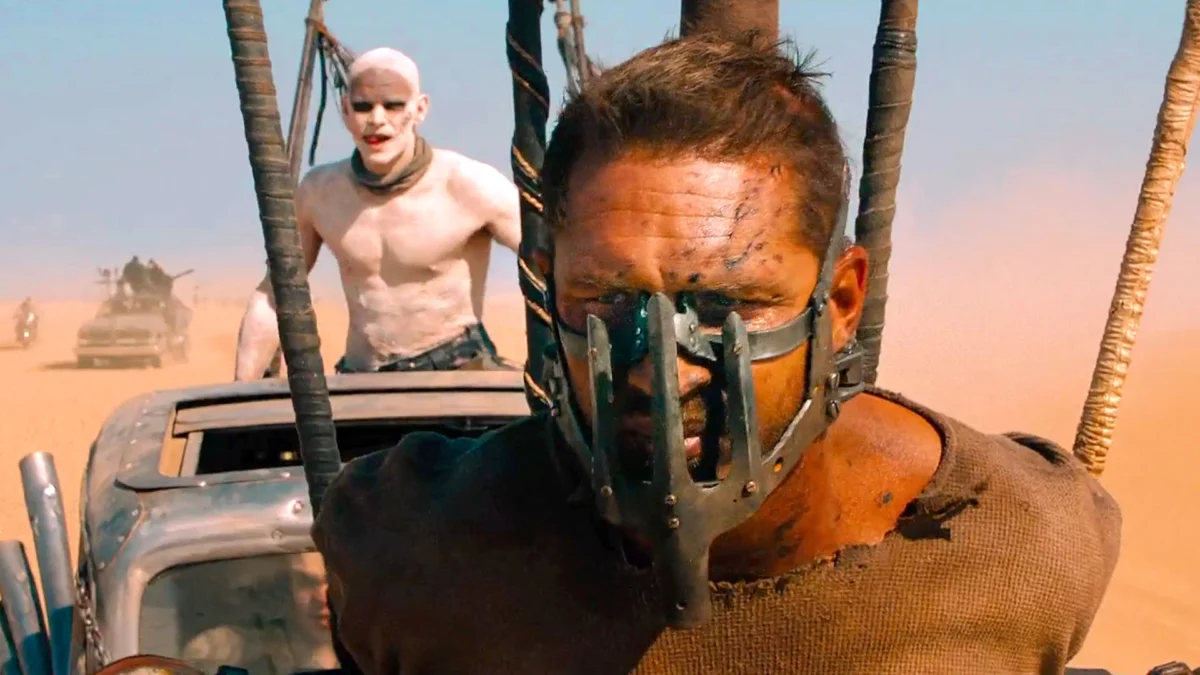
By [Your Name/Journalistic Staff]
June 12, 2026
In the modern cinematic landscape, the mere suggestion of expanding a beloved franchise is often met with a collective groan from audiences and critics alike. We live in an era of diminishing returns, where the "cinematic universe" model—popularized by Marvel and aggressively imitated by every major studio—has frequently led to franchise fatigue. When a legendary director begins discussing potential television spin-offs or additional sequels for a long-running series, the instinctual reaction is one of protectionism. We fear that the legacy of a masterpiece will be diluted by a streaming service’s need for "content."
However, there is a singular, undeniable exception to this rule: George Miller.
As rumors circulate—fueled most notably by industry insider Matthew Belloni—that the visionary director is eyeing a final Mad Max film and a potential television expansion, the industry is forced to confront a reality it often ignores: George Miller does not play by the rules of the Hollywood blockbuster machine. He operates on a frequency of pure, kinetic storytelling that has, for nearly five decades, defied the laws of diminishing returns. To deny Miller the chance to complete his vision would be to deny cinema one of its most vital, uncompromising voices.
The Chronology of Chaos: A Legacy Built on Defiance
To understand why Miller deserves carte blanche, one must look at the history of the Mad Max franchise, a series that has reinvented itself with every iteration.
The Australian New Wave (1979)
The saga began in 1979 with the original Mad Max, a lean, mean, low-budget thriller born out of the Australian New Wave. At a time when cinema was dominated by glossy Hollywood productions, Miller delivered a gritty, visceral nightmare. It was a film that launched the career of Mel Gibson and introduced the world to the "Wasteland"—a concept that was then a novel subversion of the post-apocalyptic genre.
The Myth-Making Era (1981–1985)
Miller didn’t just make a sequel; he created a mythology. Mad Max 2: The Road Warrior (1981) remains the gold standard for action filmmaking. It transformed the series from a revenge story into a post-apocalyptic Western, complete with iconic villains like Lord Humungus and the enigmatic Feral Kid. By the time Mad Max Beyond Thunderdome arrived in 1985, Miller had already successfully pivoted from a chase-film director to an epic myth-builder, proving that the world of Max Rockatansky was infinitely expandable.
The Renaissance (2015–2024)
Perhaps the greatest testament to Miller’s genius occurred in 2015. After a thirty-year hiatus and a development cycle that spanned decades, Miller returned with Mad Max: Fury Road. In an industry that usually crumbles under the weight of "legacy sequels," Miller delivered a film that was not only a box-office success but a cultural touchstone that redefined the action genre. The subsequent release of Furiosa: A Mad Max Saga in 2024 further cemented his ability to explore the corners of his universe, offering a prequel that shifted the tone while maintaining the high-octane DNA of the series.
Supporting Data: The Miller Factor
Critics often point to the "franchise fatigue" metric, but Miller’s career trajectory defies conventional data analysis. While his peers often fall into the trap of repeating their greatest hits, Miller’s filmography is a tapestry of wild experimentation.

- Genre Fluidity: Miller’s success is not limited to high-octane action. He co-wrote and produced Babe and directed Happy Feet, both of which were massive, award-winning successes. His ability to pivot from the nihilistic landscape of the Wasteland to the whimsical world of a dancing penguin or an orphaned pig highlights a director who understands the fundamental mechanics of emotional storytelling.
- Critical Consistency: Even when a film underperforms commercially—such as the polarizing Babe: Pig in the City or the visually stunning Three Thousand Years of Longing—the critical consensus eventually pivots to view these works as "underrated classics." Miller’s films possess a shelf life that extends far beyond their initial theatrical windows.
- Technical Innovation: Miller’s use of practical effects, combined with his distinctively vibrant color palettes and "choreographed violence," creates a sensory experience that cannot be replicated. His films don’t just tell stories; they provide immersive, kinetic experiences that demand a high degree of craftsmanship, a quality increasingly rare in the age of generative AI and heavy CGI reliance.
Official Responses and Industry Sentiment
While Warner Bros. has not issued an official mandate regarding a new television series, the industry buzz surrounding the prospect is palpable. Insiders suggest that Miller is currently in a position of "creative sovereignty"—a rarity in the modern studio system.
Industry analysts observe that the success of Furiosa proved there is still a massive, hungry audience for Miller’s specific brand of storytelling. When asked about the potential for further expansion, Miller has consistently maintained that he is driven by "the itch of the idea." He is not a director who chases trends; he is a director who creates them.
The primary concern among purists, as voiced in recent discourse, is the medium of television. The argument is that the scale of Fury Road is inherently cinematic, and that "shrinking" the Wasteland to fit a television screen is a betrayal of the franchise’s visual grandeur. However, this concern ignores Miller’s history of television work and his mastery of pacing. If Miller believes the story requires the episodic structure of a series, then the medium is secondary to the narrative.
Implications: The Risks and Rewards of Evolution
The move toward a television series represents a significant shift for the franchise. The implications are twofold:
The Risk of Dilution
There is, undeniably, a risk that a serialized Mad Max could lose the "tight-rope" tension that defines the films. The beauty of the movies lies in their economy of storytelling—every frame is essential. A television format, which relies on exposition and slower character arcs, could potentially clash with the frenetic pace that fans expect.
The Reward of World-Building
Conversely, a series offers Miller the chance to flesh out the sociology of the Wasteland. We have only ever seen glimpses of the societal collapse that followed the initial films. A series could delve into the trade routes, the rise of the various cults (like the War Boys), and the day-to-day survival of the denizens of the desert in a way that a two-hour film never could. It is the chance to see the ecology of a dying world, rather than just the anatomy of a chase.
Conclusion: Trust the Architect
When we look at the trajectory of the Mad Max saga, we are not looking at a product that needs to be "milked" for money. We are looking at a grand, operatic vision that is still very much in progress. George Miller has earned the right to dictate the terms of his own finale.
If he believes the next chapter of Max’s life—or the life of the world that surrounds him—requires the long-form narrative of television, we should not fear the change. We should trust the architect who built the cathedral. The history of cinema is littered with franchises that overstayed their welcome, but George Miller has never been a guest who doesn’t know when to leave; he is a host who knows exactly how to finish the party.
Whether it is on the IMAX screen or the living room television, a story told by George Miller is a story worth hearing. If he wants to finish his saga, the only logical response from the industry and the audience alike is to hand him the keys, step back, and prepare for the ride. After all, in the Wasteland of modern cinema, he remains the most reliable driver we have.


 Nana Wu
 Jia Lissa