Neng Nana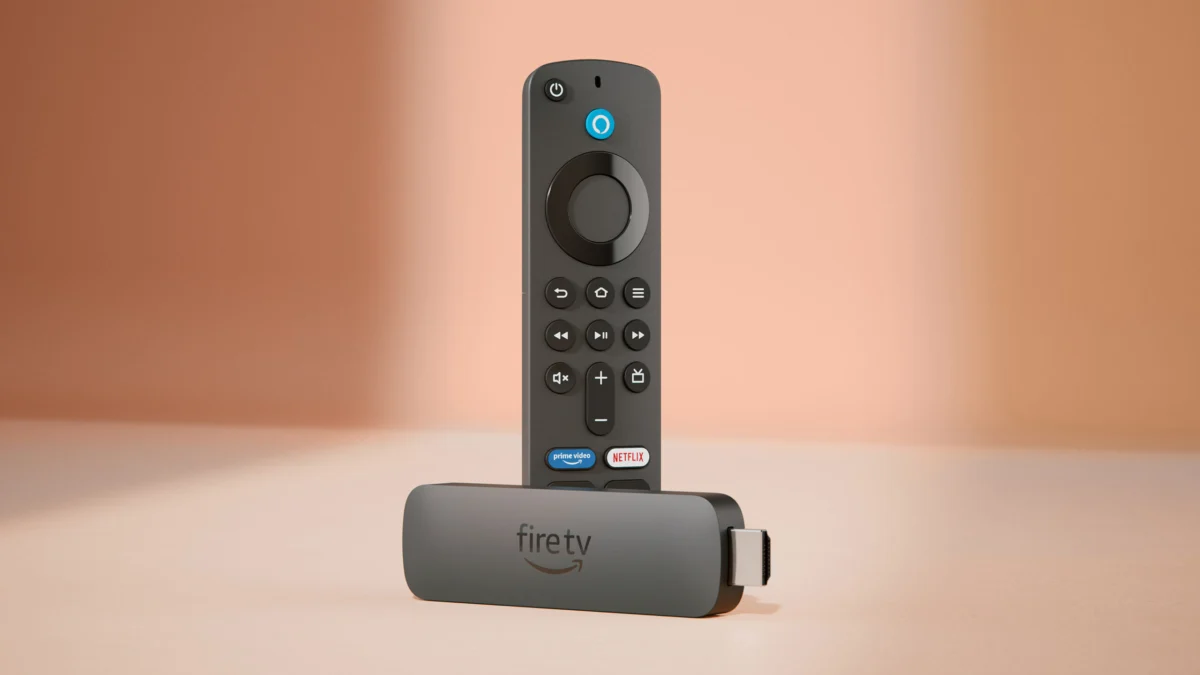
In the rapidly evolving landscape of home entertainment, the barrier to entry for high-definition, high-dynamic-range content has never been lower. For consumers looking to breathe new life into an aging television set or upgrade their smart home ecosystem, Amazon has just issued a compelling invitation. The Amazon Fire TV Stick 4K Select, the company’s lean and efficient streaming solution, has seen a dramatic price correction, dropping to just $17.99—a 55% discount from its $39.99 retail price.
This price point not only matches the lowest recorded valuation for the device this year but also signals a strategic push by Amazon to saturate the living room market with its proprietary Vega operating system.
Main Facts: What You Get for Under $20
The Fire TV Stick 4K Select is engineered as a bridge between legacy hardware and modern streaming demands. While many consumers are currently locked into ecosystem debates, the "Select" branding emphasizes a streamlined approach to performance.
- Resolution and Visual Fidelity: Supporting 4K Ultra HD and HDR10+, the device is designed to upscale the visual experience of non-smart or older 1080p televisions, providing a sharper, more vibrant picture quality.
- Performance Architecture: At its core, the device is powered by Amazon’s newer Vega OS. Unlike the heavier, more cluttered iterations of Fire OS seen in previous years, Vega OS is optimized for speed. It minimizes latency during app transitions and provides a more responsive user interface.
- Hardware Specifications: The unit comes equipped with 8GB of internal storage, sufficient for most streaming applications. Connectivity is handled via Wi-Fi 5 and Bluetooth, ensuring a stable link to your home network and peripheral devices.
- The Alexa Voice Remote: The included remote is more than a simple clicker; it integrates dedicated volume and power controls, effectively allowing users to consolidate their living room remotes into a single, functional tool.
Chronology: The Evolution of the Fire TV Stick
To understand why this $17.99 price point is significant, one must look at the trajectory of Amazon’s streaming hardware over the last decade.
The Early Era (2014–2017)
When the original Fire TV Stick launched, it was a novelty—a way to bring Prime Video to a television without a gaming console. It was slow, clunky, and limited in resolution. These early devices were often seen as "disposable" tech, frequently updated to handle the increasing complexity of streaming apps.
The Expansion and 4K Pivot (2018–2022)
As 4K displays became the standard in retail, Amazon pivoted its product line. The introduction of the Fire TV Stick 4K was a turning point, moving the brand into direct competition with Roku and Google’s Chromecast. During this period, Amazon relied heavily on "Prime Day" and "Black Friday" events to drive adoption, training consumers to expect significant discounts.
The AI and OS Integration (2023–Present)
The current era is defined by the shift toward AI-assisted navigation and the transition to Vega OS. By moving away from the Android-based bloatware that characterized early Fire TV sticks, Amazon has successfully created a "lighter" experience. The current $17.99 offer is the latest in a series of moves to lock users into the Amazon ecosystem before the next generation of hardware arrives.
Supporting Data: Why Streaming Hardware Still Matters
Despite the rise of Smart TVs with built-in applications, external streaming sticks like the Fire TV Stick 4K Select remain vital for several reasons:
- Software Obsolescence: A television manufacturer rarely updates the OS of a TV after two years. In contrast, Amazon consistently pushes firmware and OS updates to its streaming sticks, ensuring that apps like Netflix, Disney Plus, and Hulu remain functional and performant long after the TV’s native software has become deprecated.
- User Experience Consistency: Users often find that the interface on their "smart" TV is sluggish or difficult to navigate. The Fire TV Stick 4K Select provides a uniform interface that remains consistent, even if a user upgrades their television in the future.
- The Rise of Live TV: With the integration of "Fire TV Channels" and live TV options, the stick functions as a cable-cutting utility. Data suggests that households utilizing external sticks spend 30% more time engaging with content than those relying solely on native TV apps.
Official Responses and Strategic Intent
While Amazon rarely comments on specific pricing strategies, industry analysts suggest that this discount is a calculated move to capture market share.
"Amazon is playing the long game," says tech industry analyst Sarah Jenkins. "By lowering the price to under $20, they are removing the last friction point for the average consumer. Once a user is in the ecosystem—using Alexa, renting movies, and subscribing to channels—the recurring revenue far outweighs the loss taken on the hardware."
The integration of "Alexa Plus" and AI-powered search is also a direct response to the complexity of modern streaming. With dozens of services available, users are experiencing "content fatigue." Amazon’s new AI search capabilities are designed to act as a concierge, helping users navigate the vast library of titles across disparate platforms like Max, Hulu, and YouTube more efficiently.
Implications: A Shift in Home Entertainment
The implications of this deal are twofold: for the consumer and for the broader tech industry.
For the Consumer
This is a low-risk investment. For less than the cost of a high-end lunch, a user can transform a "dumb" TV into a fully functional entertainment hub. It is the most cost-effective way to gain access to 4K HDR content, making it an ideal gift or a secondary device for a bedroom or kitchen television.
For the Industry
This pricing strategy puts immense pressure on competitors. Roku, which relies on a similar hardware-to-subscription model, must now contend with Amazon’s aggressive pricing and the "Vega" advantage. Furthermore, this move signals that Amazon is confident in its ability to monetize the user after the purchase. The "Fire TV" platform is no longer just a streaming device; it is a storefront, a search engine, and a smart home control center.
Future-Proofing Considerations
While 8GB of storage is sufficient for current apps, heavy users should be aware that the device is primarily designed for streaming, not local gaming or heavy media caching. However, for 95% of users—those who simply want to watch The Bear on Hulu or Stranger Things on Netflix in 4K—the hardware is more than capable of handling the task.
Conclusion
The Amazon Fire TV Stick 4K Select at $17.99 is not merely a discount; it is an invitation to streamline the digital viewing experience. By combining a faster, more refined operating system with AI-driven search capabilities and a price point that removes all hesitation, Amazon has effectively set the floor for what a 4K streaming device should cost.
For those waiting for the right moment to upgrade, the window is open. Whether you are looking to revitalize an older set or simply want a more responsive interface for your existing 4K display, this deal offers a level of value that is difficult to ignore. In the battle for the living room, Amazon has just made a decisive move, proving that high-end streaming is no longer a luxury, but a utility accessible to everyone.
As always, users are encouraged to evaluate their current setup and streaming needs, but at this price, the Fire TV Stick 4K Select is arguably the most sensible purchase in the current consumer electronics market.

 Siti Muinah
 Layla Zulfa