
 Dwi Wanna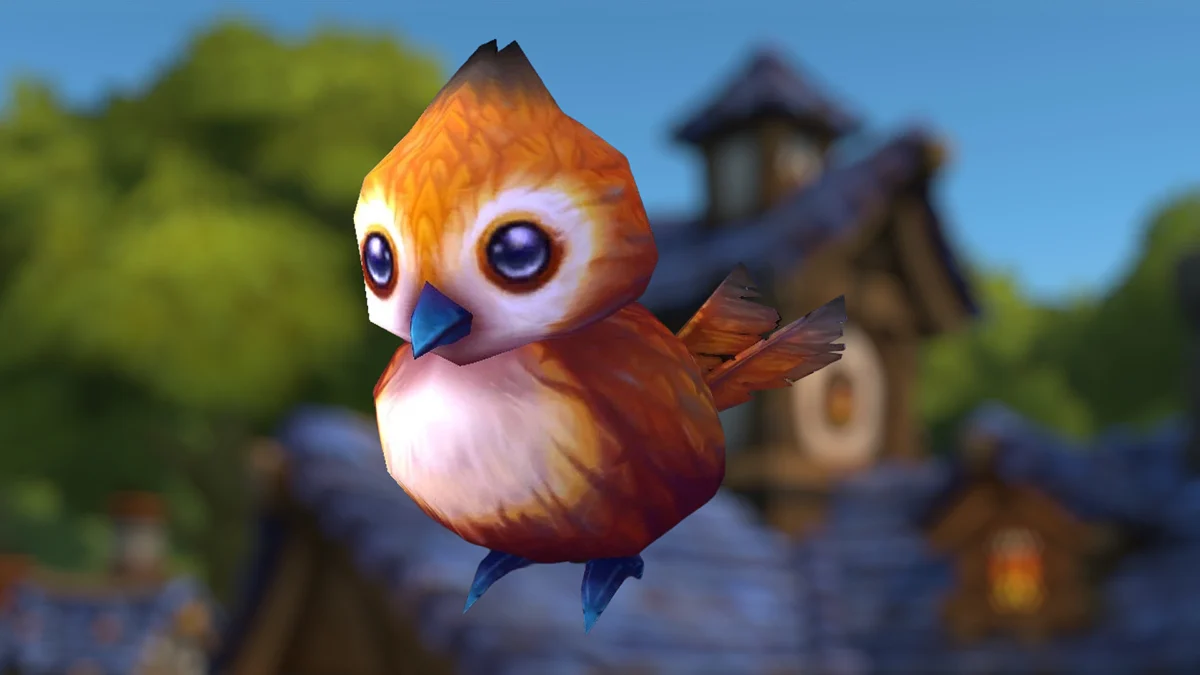
For over a decade, World of Warcraft (WoW) has evolved through complex raids, shifting political landscapes, and the constant threat of cosmic entities. Yet, amidst the dragons, demons, and interdimensional wars, one constant has remained—a small, unassuming, and perpetually charming bird named Pepe. Since his debut in the Warlords of Draenor expansion, this pixelated avian companion has transcended his humble origins to become a cultural touchstone within the MMORPG community.
With the upcoming arrival of Patch 12.1, Blizzard Entertainment is further cementing Pepe’s legacy by integrating him into the newly implemented Player Housing system. This update represents more than just a decorative choice; it is a testament to how Blizzard listens to its community, turning a simple, emergent mascot into a permanent fixture of the player’s personal sanctuary.
The Chronology of a Cult Icon: From Garrison to Dragon Isles
To understand the significance of Pepe’s inclusion in player housing, one must first look at his origins. Pepe was never intended to be the face of the World of Warcraft franchise, nor was he designed with the intent of becoming a massive marketing asset. He was a simple, "findable" NPC introduced in the Warlords of Draenor expansion (2014). Initially restricted to the player’s Garrison, Pepe could be found perched in various locations, waiting for a curious player to click him. Doing so granted the "I Found Pepe!" buff, placing him atop the player’s head for an hour.
The Rise of the Fan-Favorite
The community response was immediate and overwhelming. Players fell in love with the bird’s innocuous demeanor and the whimsical nature of his presence. Recognizing this, Blizzard began a quiet, deliberate expansion of Pepe’s footprint.
- The World Tour: Over subsequent expansions—Legion, Battle for Azeroth, Shadowlands, and Dragonflight—Pepe began appearing in increasingly obscure and challenging locations. He was found in raid instances, on the summits of treacherous mountains, and in the heart of hostile enemy territories.
- The Costume Era: Developers began introducing collectible items that allowed players to dress Pepe in various outfits, ranging from a tiny Demon Hunter costume to a pirate hat. This turned Pepe from a simple NPC into a collectible meta-game, with achievement hunters scouring the map to unlock every variation of the bird.
- The Cultural Mascot: By the time of the Dragonflight expansion, Pepe had appeared on official merchandise, in promotional art, and in developer interviews. He had effectively moved from a "hidden easter egg" to the unofficial mascot of the World of Warcraft player base.
Patch 12.1: Bringing the Icon Home
The introduction of player housing in the current cycle of World of Warcraft development is a watershed moment for the game. For years, the community had clamored for a dedicated space to call their own, a feature common in other MMOs but long absent from Azeroth. Patch 12.1 is set to deepen this system, and at the heart of this customization push is the "Mechanically Indistinguishable Pepe."
Acquisition and Implementation
According to information released via the Public Test Realm (PTR) and corroborated by databases like WoW Housing Hub, players will be able to procure their very own Pepe to decorate their homes. The item, aptly titled "Mechanically Indistinguishable Pepe," will be available through new NPCs—Agratha and Perry Winkles.
- Currency: The cost is set at ten Community Coupons, a currency associated with the social and exploration activities within the housing system.
- Versatility: Unlike many static decorations, the Pepe item is functional. It can be placed both indoors and outdoors, allowing for creative interior design or the creation of "Find Pepe" obstacle courses for guild members to navigate.
- The Buff Persists: Crucially, Blizzard has maintained the functional aspect of the bird. Clicking on your home-based Pepe will still grant the classic "Pepe" buff, allowing the bird to perch on your head as you head out into the world. This ensures that the housing feature does not sacrifice the utility that players have grown accustomed to over the last ten years.
Supporting Data: The Economics of Whimsy
While a digital bird may seem trivial, the implementation of such items serves as a vital component of player retention and community engagement.
The Cost-Benefit of Customization
The developers have implemented a "budget" system for player housing. Each item has a specific cost against this budget, preventing performance issues caused by excessive item density. By limiting the cost of a Pepe to one unit of the budget, Blizzard is actively encouraging players to create "avian armies."

This level of granularity in design—allowing for mass-placement of a specific, beloved asset—demonstrates a sophisticated understanding of player psychology. Players do not just want a house; they want a personalized environment that reflects their tenure in the game. For a veteran player, a flock of Pepes on the roof of a cottage in Founder’s Point or Razorwind Shores acts as a badge of honor, signaling a deep appreciation for the game’s history.
Official Responses and Developer Intent
Blizzard’s approach to Pepe has always been one of "organic growth." In various developer roundtables and Q&A sessions regarding the World of Warcraft roadmap, lead designers have consistently cited the "delight factor" as a priority. While they remain tight-lipped on the exact release date for Patch 12.1, the inclusion of Pepe in the housing system is widely viewed as a direct response to player feedback requesting more interactive, "cozy" elements within the game.
The decision to utilize NPCs like Agratha and Perry Winkles as vendors suggests a move toward a more integrated, community-focused ecosystem. By tying the acquisition of such a highly coveted item to the new Community Coupons, Blizzard is incentivizing players to participate in the social hubs introduced in the latest expansion, effectively weaving the "housing experience" into the broader tapestry of the game world.
Implications: The Future of Player Housing
The arrival of Pepe in our player homes is more than a novelty; it signals a shift in how World of Warcraft conceptualizes "end-game" content.
From Raiding to Resting
Historically, the end-game in World of Warcraft was defined strictly by player power, gear progression, and high-stakes raiding. The addition of housing—and the inclusion of mascots like Pepe within that system—suggests that Blizzard is embracing the "lifestyle" aspect of MMOs. This is a critical pivot. As the player base ages, the demand for non-combative, creative outlets has increased.
The "Find Pepe" Meta
By making the home-based Pepe functional for "find-the-bird" games, Blizzard is empowering the community to create their own content. This is a brilliant move in terms of player retention. When players are responsible for the challenges within their own homes, they are more likely to engage with their guild, host events, and spend time in the game world outside of traditional questing or dungeon crawling.
A Whimsical Escape
As we await the official launch of Patch 12.1, the implications are clear: World of Warcraft is becoming a more personalized experience. The ability to populate a home with dozens of tiny, pixelated birds is the ultimate expression of the "whimsical escape" that the game has sought to provide since its inception. It serves as a reminder that even in a world plagued by Void Lords and burning legions, there is always room for a small, simple bird to bring a smile to a player’s face.
In conclusion, Pepe’s transition from a hidden Garrison secret to a cornerstone of player housing is a masterclass in community management. By honoring the history of the game while simultaneously pushing forward into new systems of player expression, Blizzard ensures that the spirit of Azeroth remains as vibrant and endearing as the little bird itself. Whether you are a veteran of the Warlords of Draenor era or a newcomer exploring the Dragon Isles for the first time, your home in the upcoming patch will not truly be complete until it is guarded—or at least occupied—by a flock of Pepes.


 Pevita Pearce
 Reynand Wu




