In the landscape of modern DC Comics, few series have captured the visceral tension of institutionalized conflict quite like Barbara Gordon: Breakout. As the second issue prepares to hit comic book retailers on June 10, 2026, the industry is buzzing with anticipation regarding the trajectory of the series. Written by Eisner Award-winning scribe Mariko Tamaki and illustrated by the dynamic Amancay Nahuelpan, the book marks a bold, claustrophobic departure from traditional superhero storytelling, shifting the focus from Gotham’s rooftops to the grim, unforgiving confines of a Supermax prison.
The Core Premise: A Hero Without a Safety Net
The central tension of Barbara Gordon: Breakout #2 revolves around a terrifying realization: for a crime fighter, the greatest danger is not the criminal on the street, but the one you have already apprehended. Barbara Gordon, the iconic former Batgirl, finds herself thrust into a facility populated by the very individuals she helped bring to justice.
The narrative urgency of this issue cannot be overstated. As the preview materials reveal, Barbara is not merely serving time; she is fighting for survival. Having been arrested for her clandestine activities in support of the Batman—a development that has drawn significant scrutiny from the Gotham City authorities—she finds herself stripped of her resources, her team, and her high-tech armor.
The "Supermax" setting serves as a pressure cooker. Unlike typical superhero encounters, which often allow for tactical retreats or gadget-based solutions, this environment offers no such luxury. For Barbara, the prison is a labyrinth of shadows and hostility, where her identity as Commissioner Jim Gordon’s daughter provides no protection—and arguably, makes her an even larger target for those seeking retribution.
Chronology of the Crisis: From Arrest to Incarceration
To understand the stakes of the second issue, one must examine the progression of the narrative arc thus far. The inaugural issue established the volatile catalyst for Barbara’s downfall. Following a series of events that strained the relationship between the Bat-family and local law enforcement, Barbara’s legal status shifted from vigilante ally to state prisoner.
- The Catalyst: A high-intensity operation involving Gotham’s criminal underworld resulted in a collapse of diplomatic immunity for the Bat-family, leading to Barbara’s detention.
- The Transition: The shift from the streets to the Supermax facility marked a tonal shift in the series. The transition away from the "Oracle" or "Batgirl" persona toward a stripped-down, survival-focused narrative has been praised for its raw aesthetic.
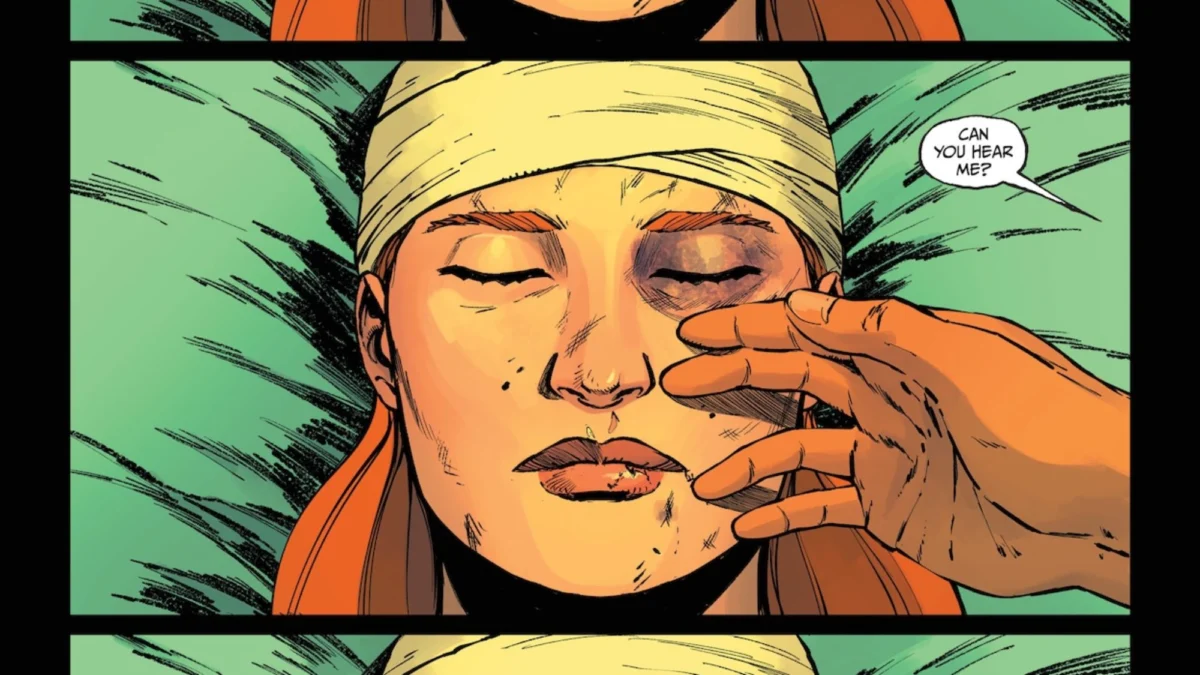
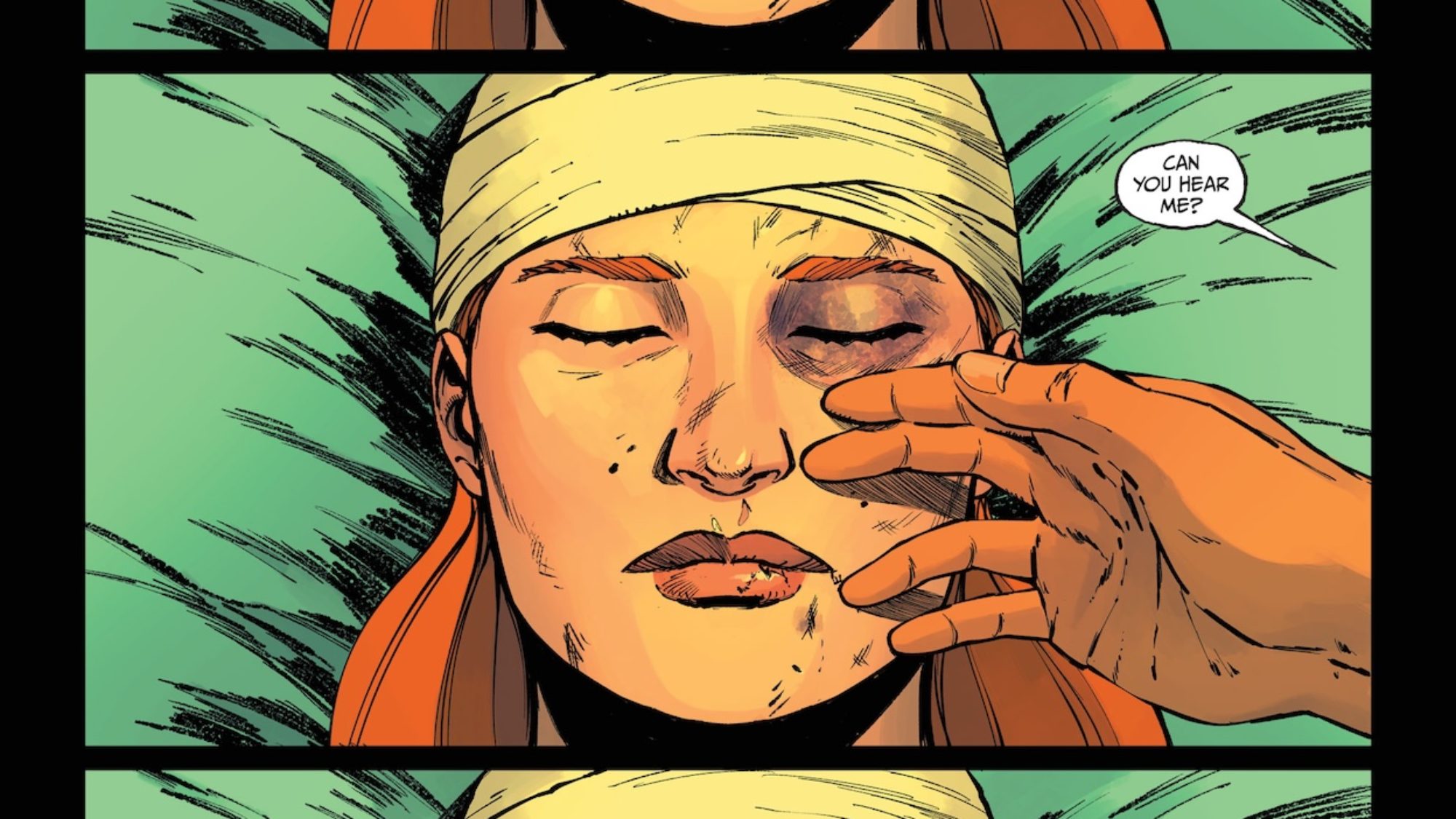
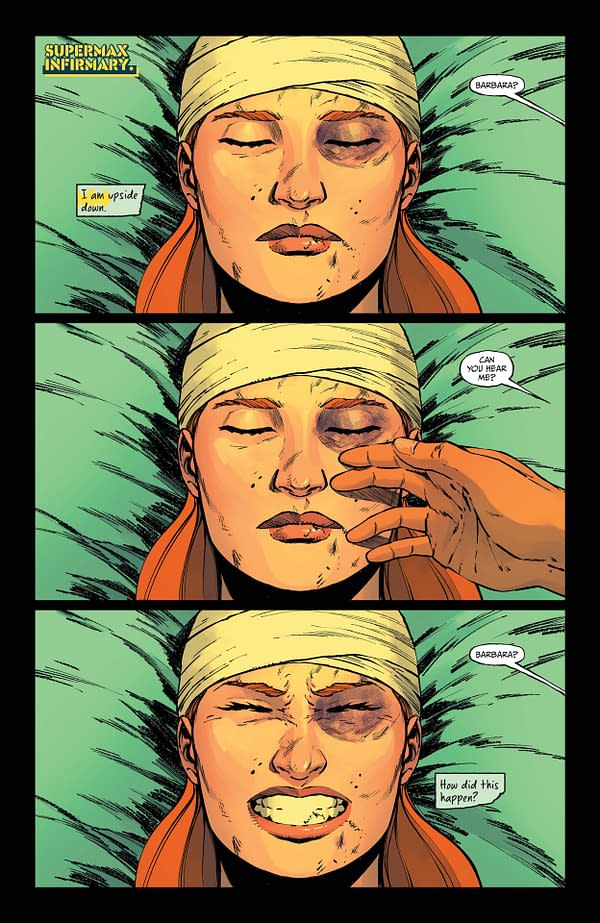
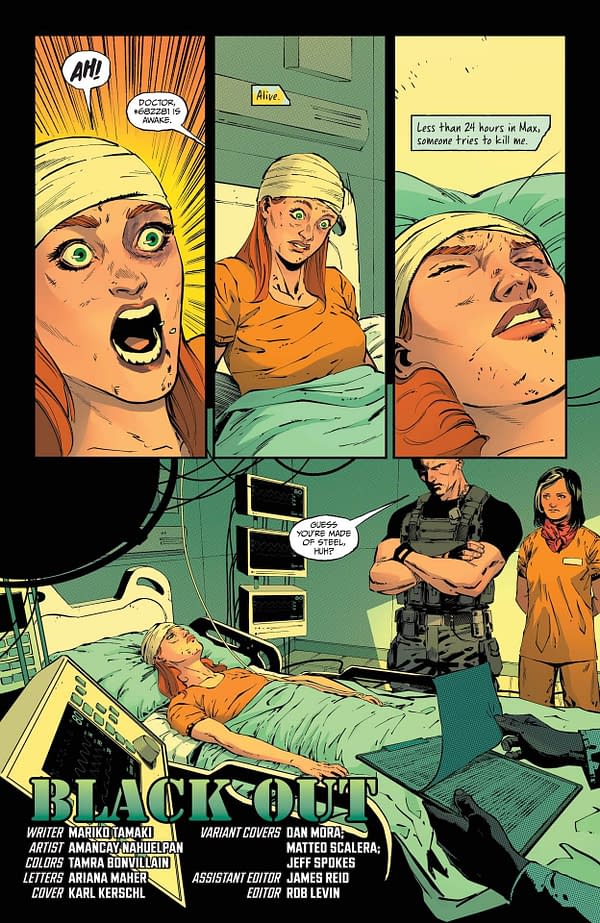
- The Current State: As of the opening pages of issue #2, Barbara is recovering in the prison’s infirmary. The visual storytelling by Amancay Nahuelpan emphasizes the physical toll of her first 24 hours behind bars. The narrative pace is relentless, establishing an immediate threat level: there is an active plot against her life, and the perpetrator is someone already familiar with her tactical methodology.
Supporting Data: The Creative Powerhouse
The success of Barbara Gordon: Breakout is largely attributed to the synergy between its creative leads. Mariko Tamaki, known for her ability to navigate complex character psychology in works such as Laura Dean Keeps Breaking Up with Me and her acclaimed run on Detective Comics, brings a grounded, gritty sensibility to this title.
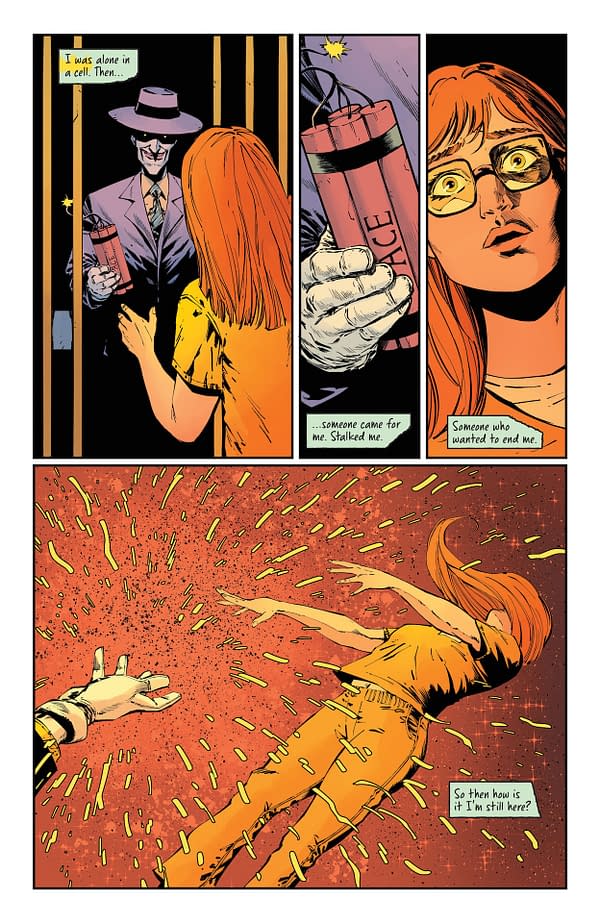
Amancay Nahuelpan’s art style provides the necessary visual weight to support such a premise. Her work on the interiors, particularly the depiction of the sterile, intimidating corridors of the Supermax facility, creates an atmosphere of pervasive dread. The stark contrast between the vibrant colors of Gotham’s past and the muted, industrial tones of the prison reinforces the isolation Barbara feels.
Industry Metrics and Market Positioning
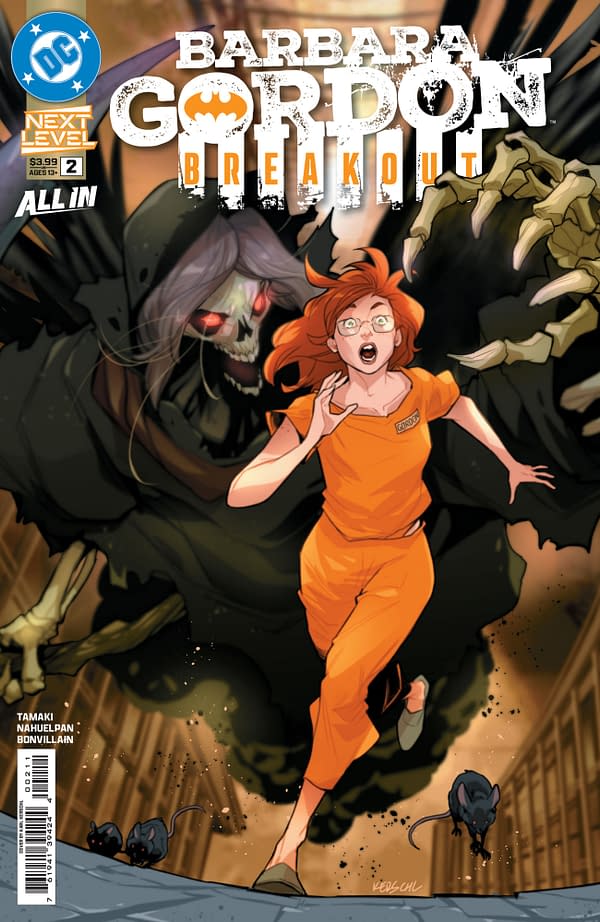
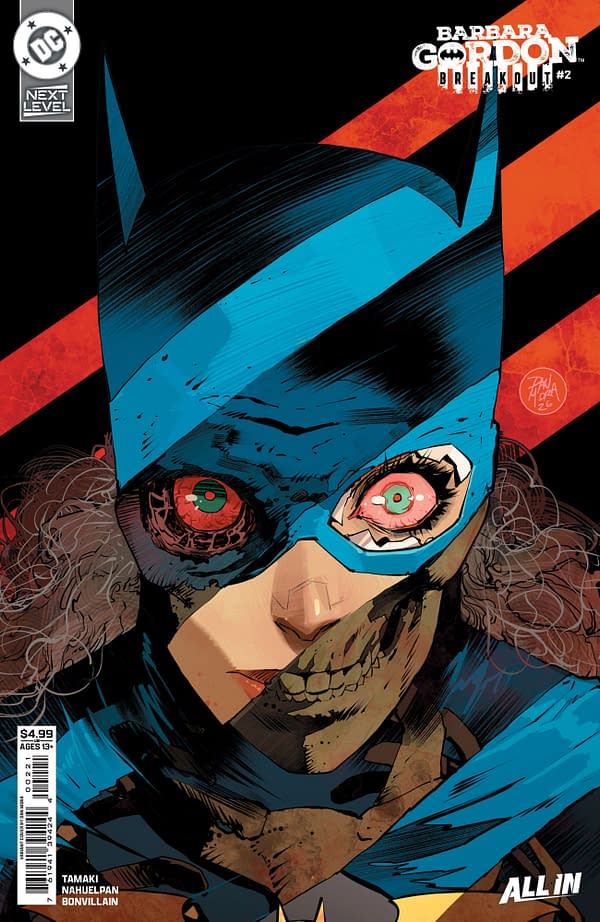
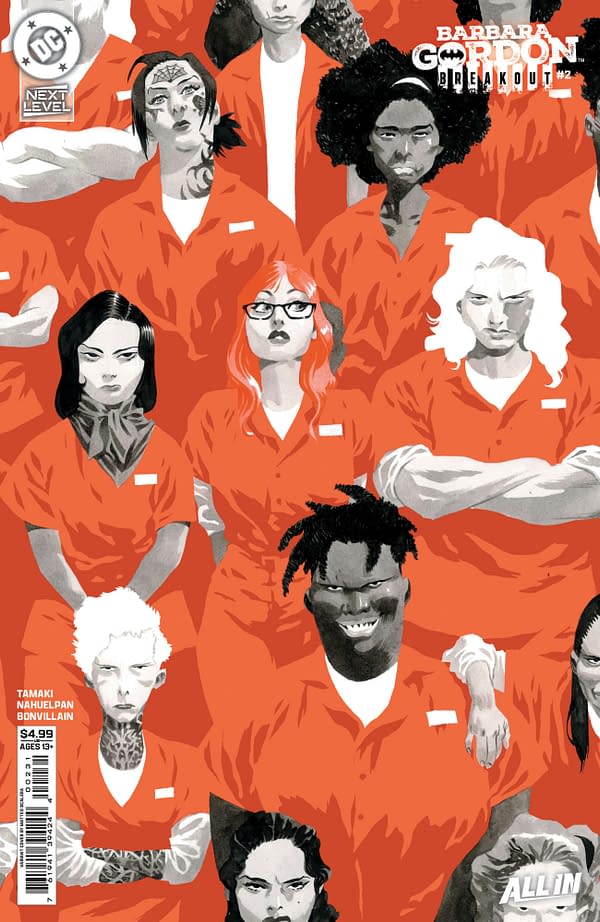
The book is positioned as a "Next Level" series for DC, signaling a commitment to character-driven, high-stakes narratives that deviate from standard team-up tropes. With a cover price of $3.99 and multiple variant covers—including works by Dan Mora, Matteo Scalera, and Jeff Spokes—DC is clearly positioning this series as a collector-friendly event.
Variant Cover Breakdown:
- Standard Cover: Karl Kerschl (DC 0426DC0051)
- Variant A: Dan Mora (DC 0426DC0052)
- Variant B: Matteo Scalera (DC 0426DC0053)
- Variant C: Jeff Spokes (DC 0426DC0054)
Implications for the Bat-Family and Gotham City
The implications of Barbara Gordon’s imprisonment extend far beyond her personal safety. The presence of a key Gotham figure in a state-run facility creates a power vacuum and a point of extreme friction between the legal establishment and the vigilante community.
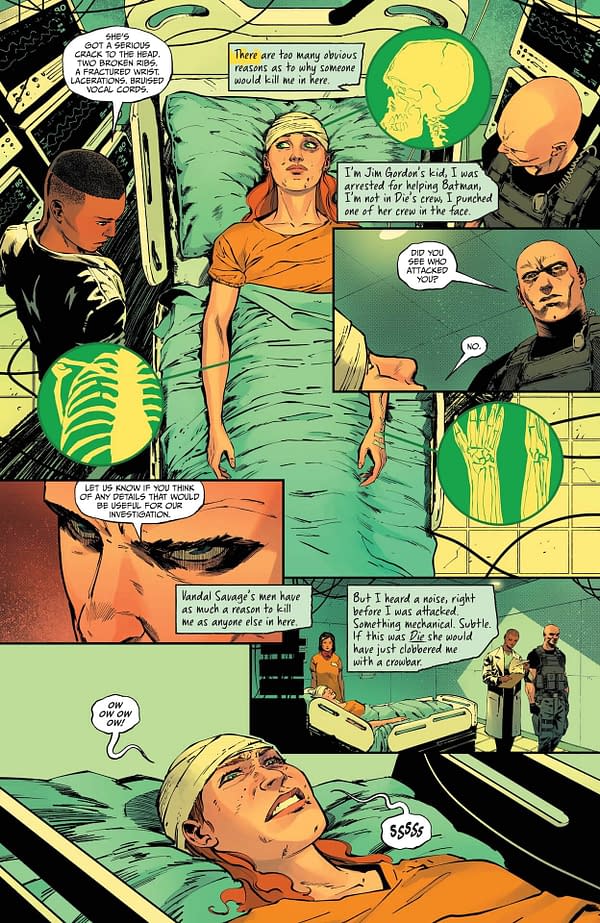
Furthermore, the "nepotism defense" mentioned in the early preview—where Barbara attempts to leverage her father’s influence—highlights the complicated relationship between the Gordons. If the police commissioner’s own daughter is being hunted within a facility meant for the city’s worst, it raises questions about the integrity of the justice system itself.
Is this a setup? Is it a systemic failure? Or is it a calculated move by an external antagonist to force the Bat-family to overextend themselves? The narrative implications suggest that the status quo of Gotham is currently under threat of permanent disruption.
Thematic Analysis: The "Hostile Reunion"
At its core, Barbara Gordon: Breakout functions as a psychological thriller. By placing the protagonist in a room with her "greatest hits" of former adversaries, Tamaki is forcing a confrontation that is both physical and existential.
In a traditional superhero comic, the hero wins by being stronger or faster. Here, Barbara must rely on intellect and the ability to manipulate her environment—a callback to her time as Oracle, but without the benefit of a digital network or external support. The prison setting serves as a metaphor for the consequences of a life spent in the shadows. For the reader, the fascination lies in seeing a hero who usually dictates the terms of engagement forced to play by the rules of those she once conquered.
Looking Forward: The Path to Issue #2
As readers prepare for the release on June 10, 2026, the conversation surrounding the book is dominated by speculation. Will Barbara form an alliance with an unlikely partner? Will the Bat-family breach the prison to retrieve her, or will she be forced to orchestrate her own escape?
The preview pages show a battered, bandage-clad Barbara asserting her identity to the authorities. This moment is crucial: it shows that despite the overwhelming odds, she has not been broken. She remains a tactician, an analyst, and a survivor. The "jailhouse rock bottom" she has hit is not the end of the story, but rather the foundation upon which her next transformation will be built.
Conclusion
Barbara Gordon: Breakout #2 is more than just a standard mid-arc installment; it is a critical pivot point for one of DC’s most resilient characters. By stripping away the mask and the support system, Mariko Tamaki and Amancay Nahuelpan are daring to explore what makes Barbara Gordon a hero when she is at her most vulnerable.
For fans of character-driven drama and high-tension thrillers, the upcoming issue promises to be a standout release of the summer season. Whether the goal is to see a master tactician outwit her captors or to witness the evolution of a legend in the face of absolute adversity, the narrative stakes are high, and the execution is, by all accounts, poised to be exceptional. Pick up your copy this Wednesday, June 10, and prepare to see the world of Gotham through the eyes of someone who is no longer watching from the outside, but fighting for her life from the very heart of the system.