Muslim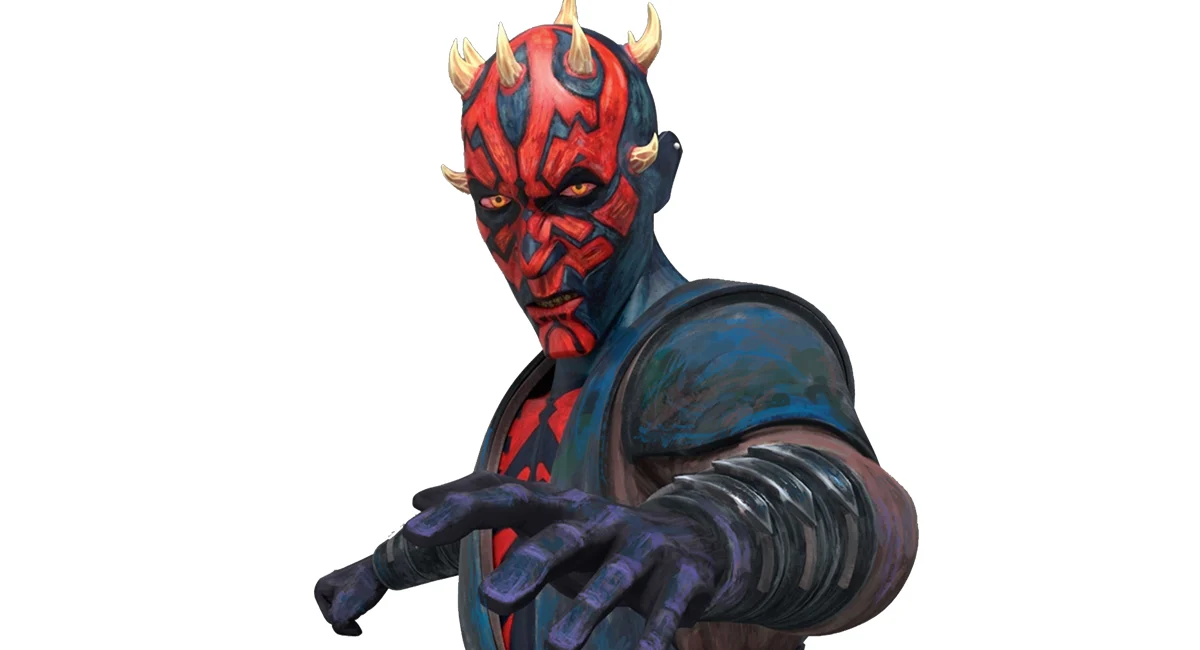
For nearly three decades, the figure of Maul has loomed large over the Star Wars galaxy. From his silent, terrifying debut in The Phantom Menace to his complex evolution in The Clone Wars and Rebels, the character has remained a quintessential icon of Sith menace. However, the latest project from Lucasfilm Animation, Star Wars: Maul – Shadow Lord, represents a daring departure in visual storytelling. By embracing a "painterly" aesthetic that pushes beyond the boundaries of traditional CGI, the series reinterprets one of pop culture’s most recognizable villains through a lens of high art and atmospheric noir.
We sat down with Lucasfilm Animation Art Director Andre Kirk to peel back the layers of this production, exploring how the studio synthesized traditional oil-painting techniques with modern digital pipelines to create a show that looks and feels unlike anything previously seen in the Star Wars universe.
The Vision: A Return to the "Painterly" Ideal
The genesis of Maul – Shadow Lord was rooted in a long-held ambition within the Lucasfilm creative team. According to Kirk, the project was heavily influenced by the vision of Lucasfilm president Dave Filoni.
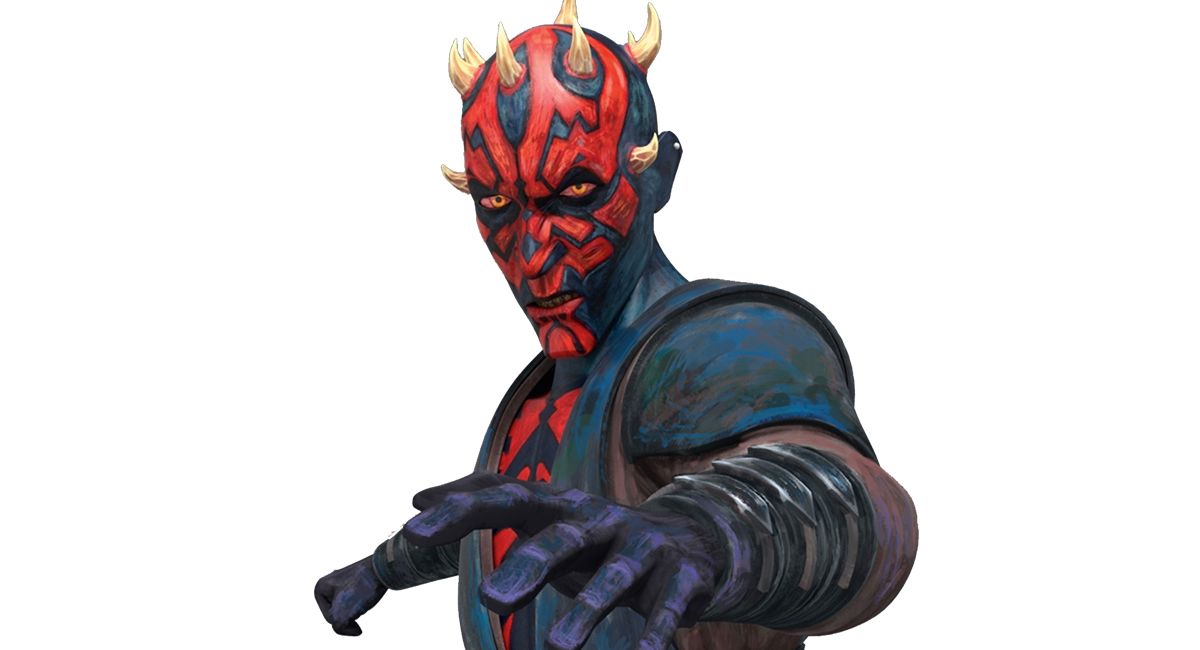
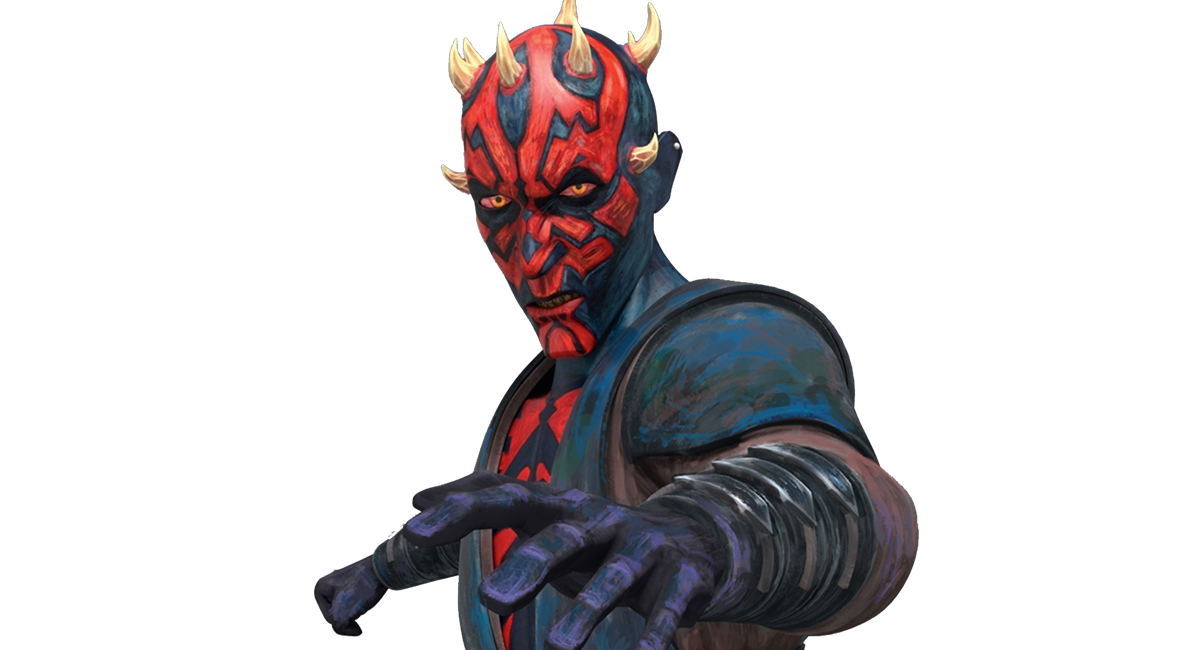
"With Maul – Shadow Lord, Dave was very involved in the look and what he wanted it to be," Kirk explains. "A lot of that was going back to the work we did on the early series of The Clone Wars. We had always aspired to a specific painterly style back then, but the technology of the time was constantly fighting us. We struggled to make the assets move and feel like a painting. Now, we are at a point where we can actually fully realize that dream."
This realization required a fundamental shift in the studio’s approach to asset production. The team was tasked with training designers in the nuances of traditional media—oil, gouache, acrylic, and watercolor—to ensure that the digital output didn’t just mimic a painting, but possessed the physical characteristics of one. "We don’t want to see the ‘paper’ underneath the paint," Kirk notes. "If you want light, it’s the color itself, not the canvas revealing through. We had to teach younger designers, who may not have had exposure to traditional media, how to think in terms of paint thickness and light refraction on textured surfaces."
Architectural World-Building: The Design of Janix
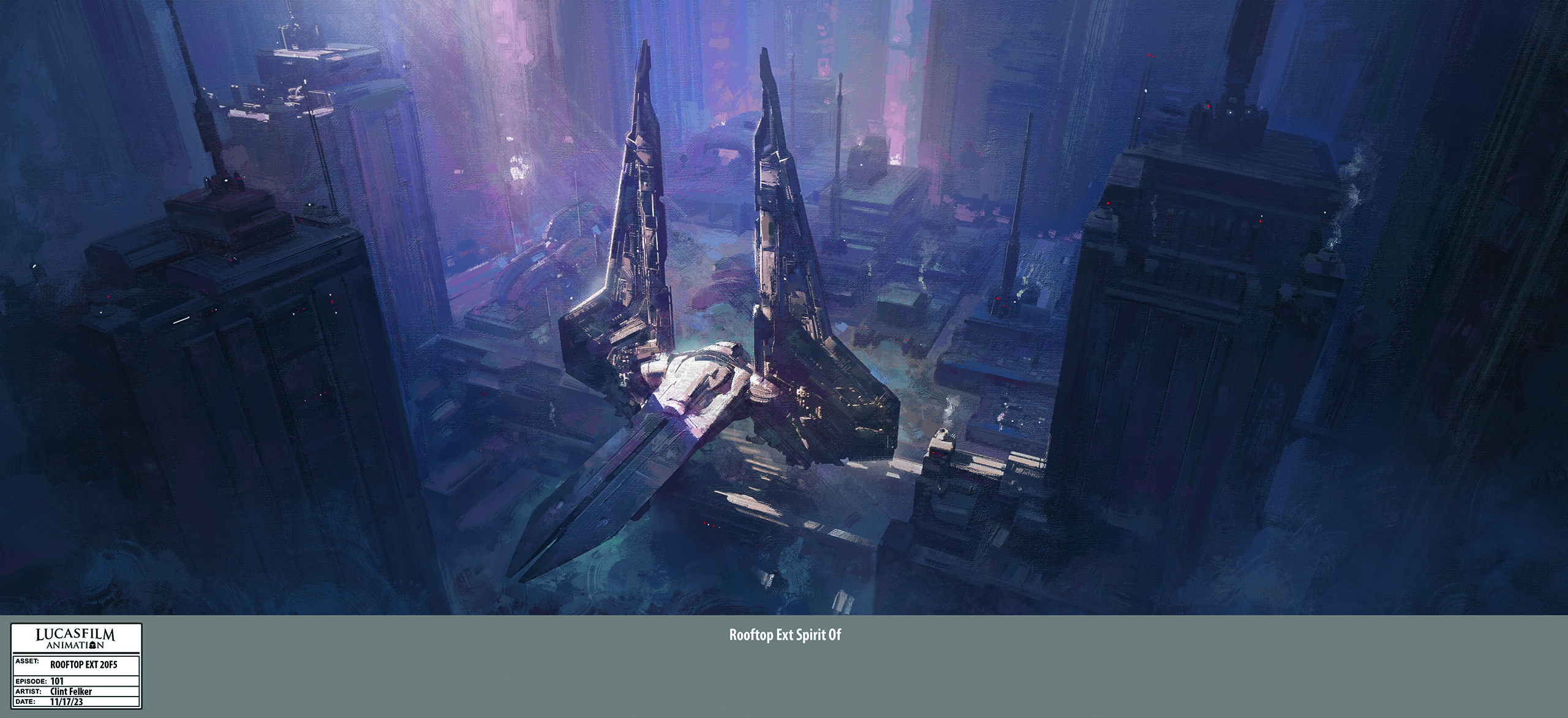
A centerpiece of the series is the planet Janix, a location that serves as the backdrop for Maul’s latest journey. Rather than relying on the sprawling, gravity-defying verticality of Coruscant, Filoni and his team opted for a more grounded, retro-futuristic aesthetic.
Janix is a city built within a massive crater on a dense jungle planet. The design process for this environment was dictated by a specific logistical constraint: the city relies on terrestrial, rather than aerial, transportation.
"Filoni was very specific about the architectural styles for the different sectors of the city," says Kirk. "We looked at a lot of ‘retro-futurism’—that version of the future we were all promised but never received. We had to ask ourselves practical questions: Do they have a tube system? How do people get around? Is it a walkable city? Even if a designer is only working on a single street corner, they need to understand if that street requires crosswalks or subway entrances. It makes the world feel lived-in and logical."
This focus on terrestrial logistics adds a layer of "film noir" texture to the show. By forcing the population to navigate a complex, crater-bound city, the animation team was able to lean into shadow, rain, and street-level silhouettes, further separating Shadow Lord from the cleaner, more heroic aesthetic of other Star Wars properties.
The Character Iteration: Defining "Our Maul"
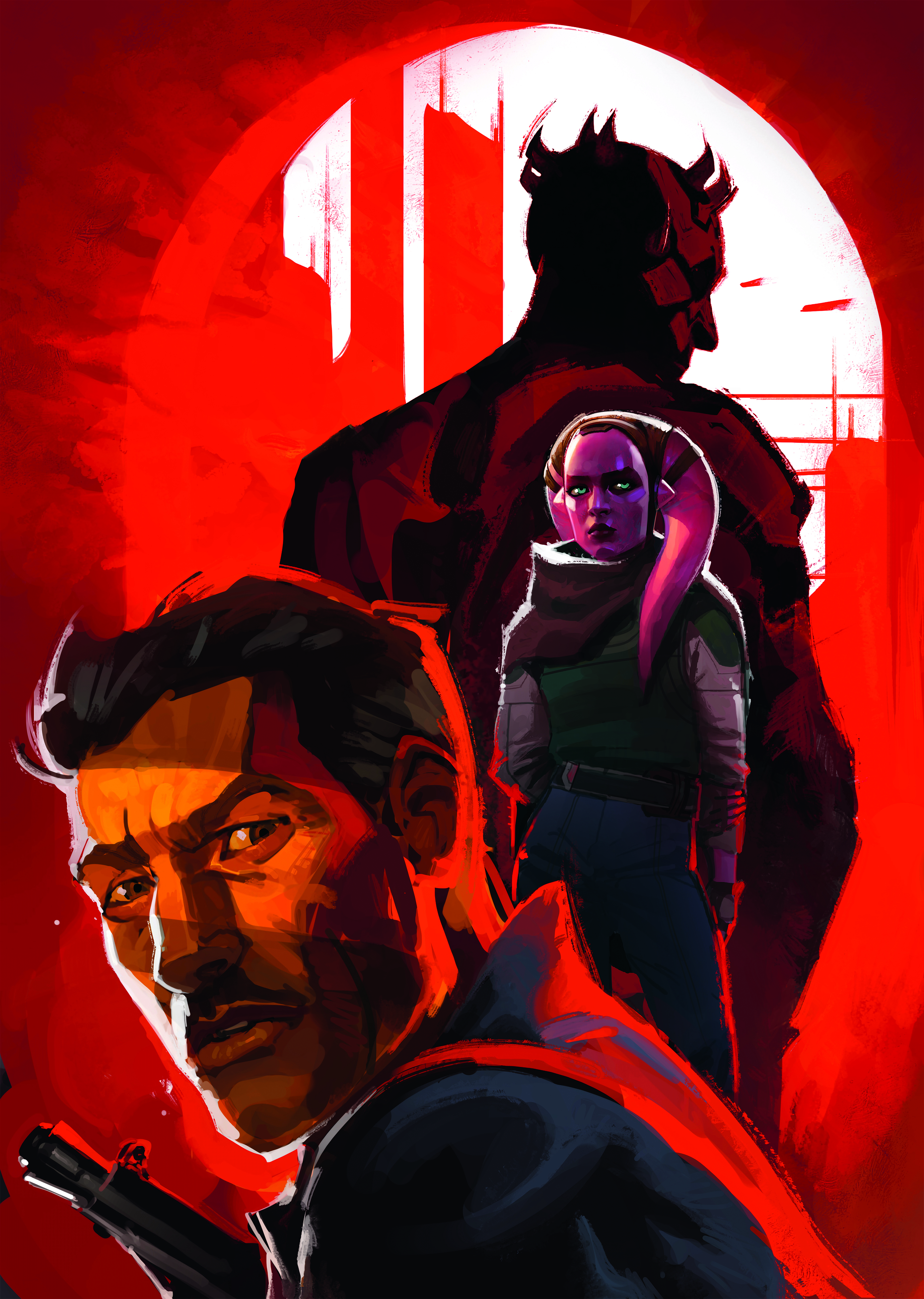
Designing a character as iconic as Maul presents a unique challenge: how do you innovate while maintaining the character’s immediate recognizability? For the team, the answer lay in rigorous iteration and the concept of the "Spirit-Of" image.
"Maul was our test subject," Kirk admits. "We had to ask, ‘What is this look we want to achieve?’ and ‘How can we anticipate it moving?’ We did a lot of iterations on his face. We wanted people to look at a shelf of action figures and instantly point to him and say, ‘That’s our Maul.’"
The team utilizes a strict seven-day sprint for character design. This is a high-pressure environment where every detail must be finalized to prevent delays in the 3D modeling pipeline. The process is bifurcated into two distinct deliverables:
- Technical Orthographics: These are the standard front, back, and side-view angles, essential for the 3D modelers. The side views are kept flat-colored to ensure that textures and highlights are not misinterpreted by the lighting department.
- "Spirit-Of" Images: These are expressive, stylized concept pieces that capture the character’s mannerisms, color palette, and personality.
"When you combine the technical sheets with the Spirit-Ofs, the crew gets a full picture of who the character is," Kirk explains. "We don’t want someone to accidentally ‘eye-drop’ a color where we’ve already established a highlight. We even provide hex numbers for skin tones to ensure consistency across different lighting environments."
The Challenge of Non-Human Emotion
Beyond Maul, the series introduces a host of new alien species, including the Jedi Master Eeko-Dio Daki. Designing an alien that is both unique to the Star Wars canon and capable of carrying the weight of a dramatic conversation is a delicate balancing act.
"It’s easy to design something ‘cute’ or ‘scary’ that doesn’t need to speak," Kirk notes. "But to design a character that can hold a conversation—one that you can relate to, without feeling either frightened or amused by their design—is a massive challenge."
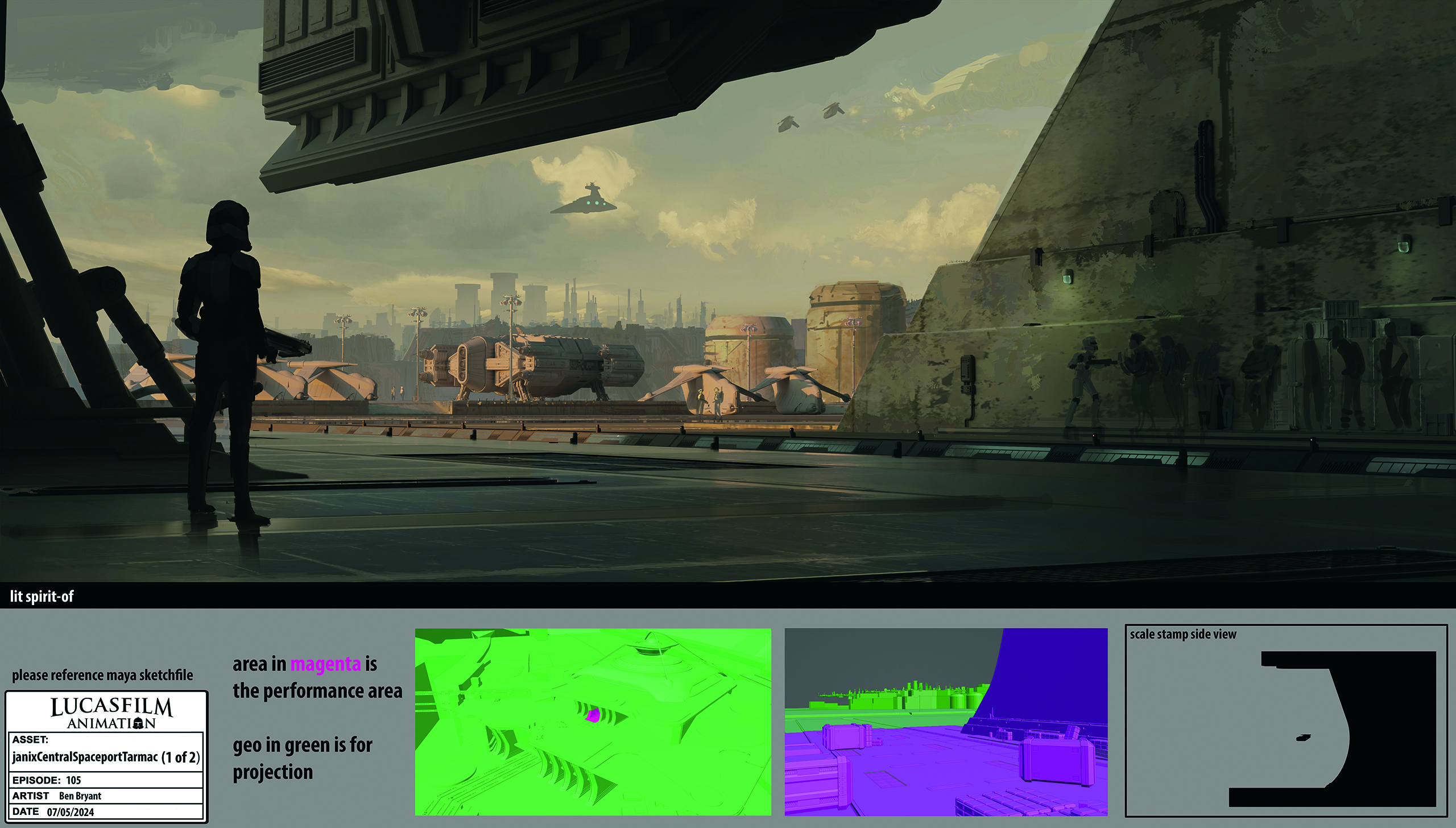
The team’s solution was to focus on the balance between individuality and the ability to "blend in." The goal is to ensure that while a character like Eeko-Dio Daki is unique, they feel like they belong to a broader, populated ecosystem. By emphasizing the character’s facial expressiveness through the new painterly lighting style, the animation team allows these aliens to convey complex motivations without relying on human-like features.
Implications: A New Era for Lucasfilm Animation
The success of Maul – Shadow Lord represents a significant shift in how Lucasfilm Animation approaches its visual pipeline. By removing the "filter" between the initial script and the final asset production, the design team has taken a more active role in the engineering and blocking of scenes.
"There’s no filter between us and the final product," says Kirk. "We get to interpret all the engineering and world-building that is written in the scripts. It gives us a sense of ownership over the character and the world. We aren’t just animating a script; we are building a specific, painterly universe that reflects the tone of the story."
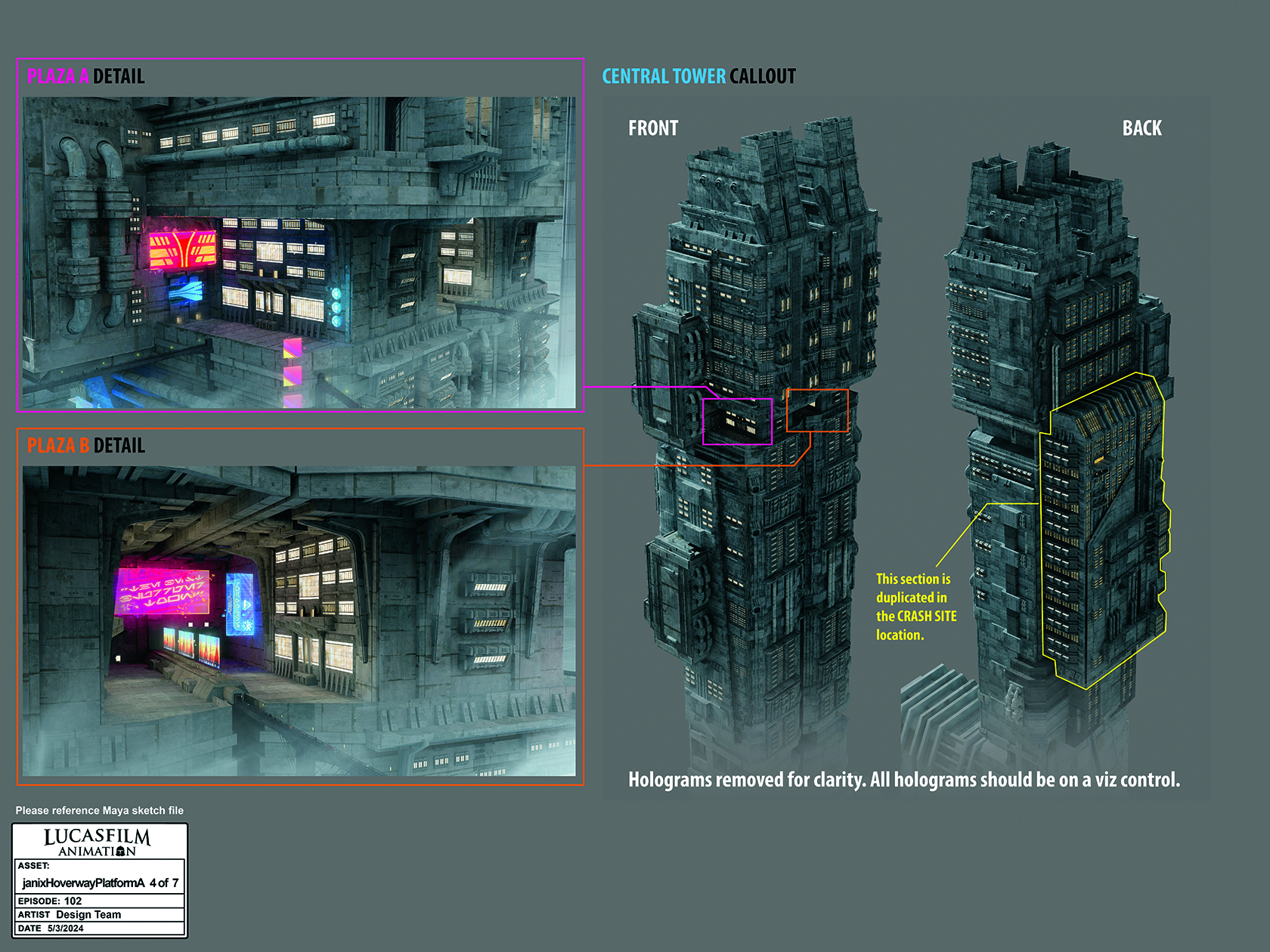
This evolution suggests a future where Star Wars animation is less bound by the constraints of "realistic" CGI and more willing to experiment with stylistic, artistic, and painterly expressions. By embracing the "thick paint" look and the atmospheric density of noir-inspired urban design, Maul – Shadow Lord has set a new benchmark for how visual language can deepen the narrative resonance of a familiar character.
As the series unfolds, it stands as a testament to the power of artistic collaboration. Through the meticulous training of artists in traditional mediums, the rigorous seven-day design sprints, and a deep, structural focus on the "Spirit-Of" of every asset, Lucasfilm has managed to breathe new, darker, and more beautiful life into a villain who, for thirty years, has defined the very nature of the Sith.
Star Wars: Maul – Shadow Lord is not merely an addition to the canon; it is a masterclass in how animation can evolve, proving that even in a galaxy far, far away, the most striking stories are often found in the play between light and shadow.

 Basiran
 Asro
Asro