Basiran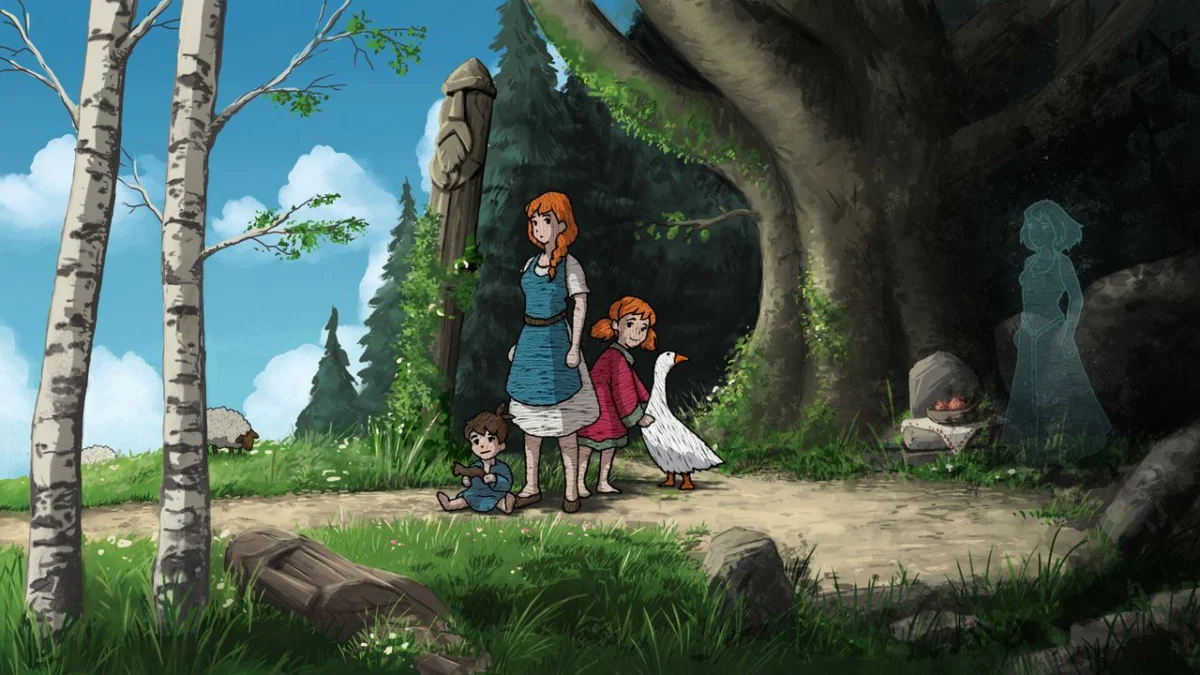
In the crowded landscape of contemporary indie gaming, where aesthetic novelty is often prioritized over mechanical depth, it is rare to find a project that manages to marry both with such tactile sincerity. Enter Scarlet Deer Inn, the latest offering from the Czech husband-and-wife development team at Attu Games. While the title initially presents itself as a quaint, cozy platformer rooted in the warmth of medieval village life, it harbors a darker, more complex narrative engine beneath its soft, embroidered surface. With a release date now locked for July 17, the gaming community is beginning to take notice of a title that promises to be as emotionally resonant as it is visually arresting.
The Art of the Stitch: A Technical Marvel
At the heart of Scarlet Deer Inn lies a visual identity that is arguably unprecedented in the medium. While many side-scrolling platformers lean heavily on pixel art or high-definition vector graphics, Attu Games has opted for a labor-intensive, traditional approach.
The backgrounds, while beautiful, are hand-painted, providing a lush, atmospheric canvas for the protagonist, Elise, to traverse. However, the true technical innovation lies in the character animation. Every character model and frame of movement has been physically created using a sewing machine. These embroidered figures are then meticulously scanned into the digital realm, creating a unique aesthetic that feels both tactile and strangely organic.
This technique creates a "folklore" quality that is difficult to replicate with digital brushes. When Elise moves across the screen, she carries the weight of a physical object—a tangible piece of craftsmanship that feels distinct from the floating sprites common in the genre. This choice is not merely for show; it sets the tone for a story that feels grounded in history, tradition, and the human touch.
Chronology of Development and the "Cozy" Deception
Development for Scarlet Deer Inn has been a journey of careful, deliberate creation. Attu Games, known for their focus on artistic integrity, spent years refining the balance between the game’s aesthetic and its gameplay loop.
Initial previews of the game, surfacing throughout late 2023 and early 2024, focused heavily on the "cozy" aspects of the experience. Players were introduced to Elise, a mother living in an idyllic, sun-drenched medieval village. The gameplay loop showcased in early trailers suggested a peaceful exploration of rolling hills, woodland traversal, and local village life.
However, this was a calculated narrative pivot. As players delve into the current Steam demo, they quickly realize that the idyllic atmosphere is a thin veil. The narrative begins with a sense of safety and routine, lulling the player into a state of comfort. But as the game progresses—often sooner than the player expects—the tone shifts dramatically.
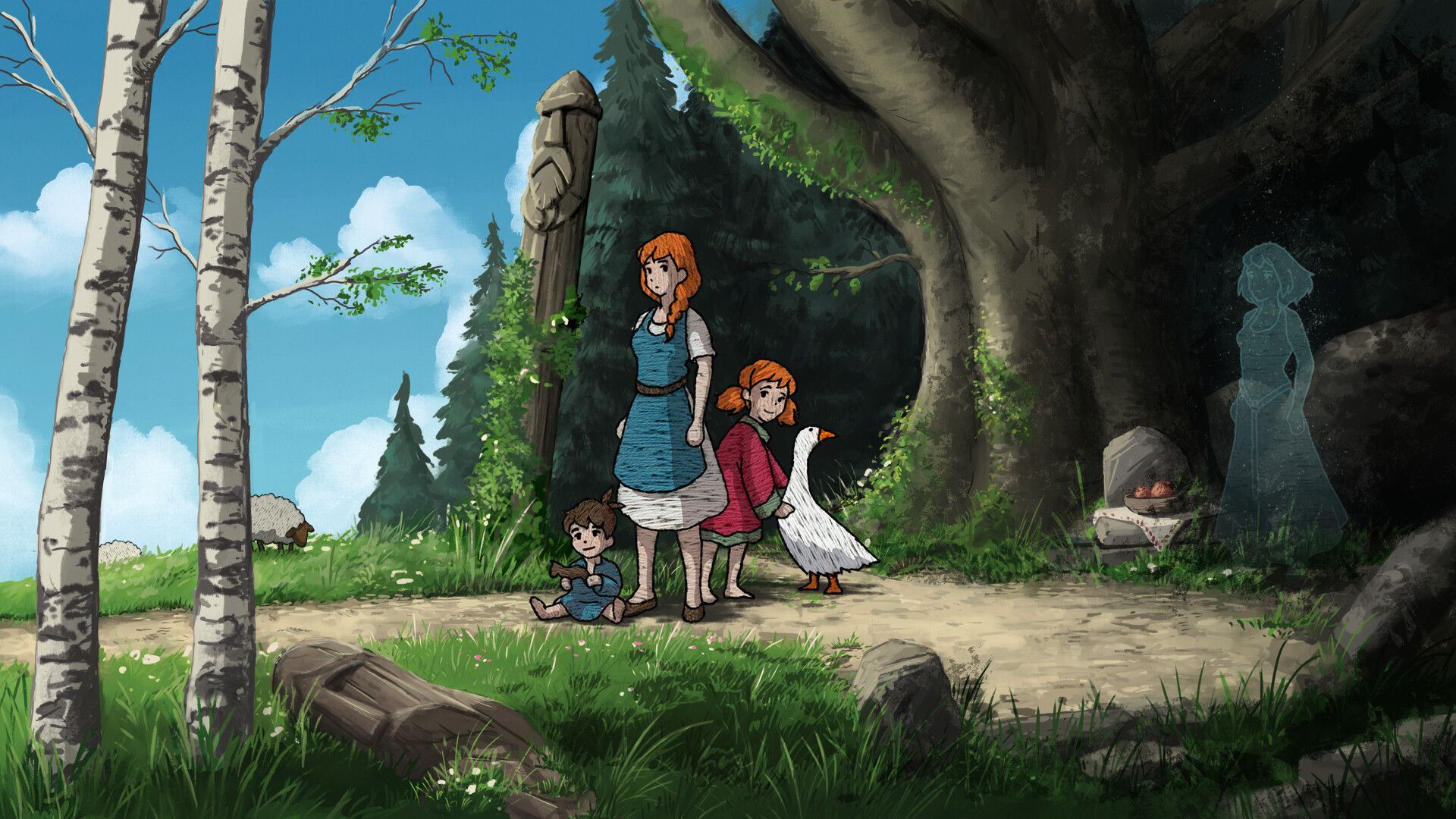
This "turn" in the narrative is where Scarlet Deer Inn finds its teeth. The transition from a lighthearted, slice-of-life adventure to something far more haunting is handled with a level of narrative maturity that distinguishes the game from its "twee" counterparts. It is this shift that has critics and early testers labeling the game as a potential "sleeper hit."
Supporting Data: Why the Demo is Essential
The developers have been adamant: don’t just watch the trailers—play the demo. This recommendation is rooted in the fact that Scarlet Deer Inn is an experience that thrives on the player’s personal discovery of its mechanics and its sudden shifts in tone.
The demo, currently available on Steam, provides approximately 20 minutes of gameplay. While short, it offers a concentrated look at the game’s core mechanics:
- Platforming Precision: The movement is fluid and responsive, emphasizing navigation through varied terrain.
- Narrative Pacing: The game manages to introduce complex character motivations through natural dialogue rather than exposition-heavy cutscenes.
- The "Shadow" Element: The demo hints at a sprawling, dark underworld buried beneath the sunny village, providing a stark contrast to the surface-level gameplay.
The community reception to the demo has been overwhelmingly positive, with players praising the intuitive controls and the jarring, effective nature of the narrative shift. For a small team like Attu Games, this grassroots momentum is critical as they head toward their mid-July launch.
Official Perspectives and the Philosophy of Attu Games
In statements surrounding the announcement of the release date, the team at Attu Games has emphasized their commitment to the "soul" of the game. They have expressed that the sewing machine technique was not merely a stylistic choice but a way to honor the folk-tale tradition they are drawing from.
"We wanted the game to feel like something pulled from a dusty old tapestry," the developers noted in recent interviews. This philosophy extends to the game’s sound design and narrative structure, both of which are designed to evoke a sense of longing and mystery. The team has avoided the common pitfall of filling every moment with constant action, choosing instead to let the player exist in the world, listening to the gossip of villagers and the rustle of the woods before the inevitable threat arises.
Implications for the Indie Market
The success of Scarlet Deer Inn would represent a significant win for "auteur" indie games—projects where a singular, highly specific artistic vision is allowed to dictate the entire user experience.
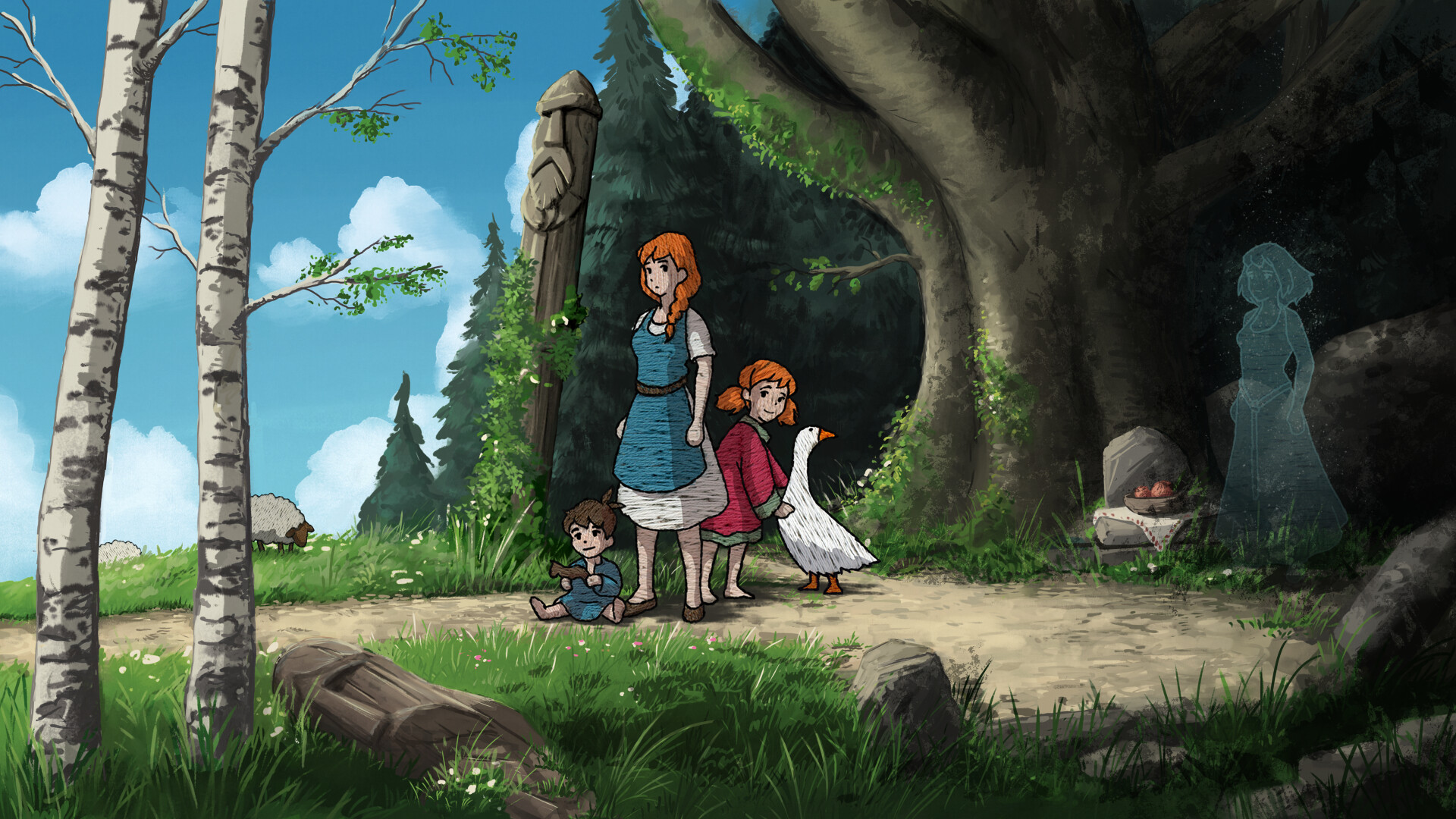
In an industry currently dominated by massive, open-world spectacles and live-service models, Scarlet Deer Inn serves as a reminder of the power of the small-scale, intimate experience. If it succeeds, it may encourage other developers to experiment with non-digital art forms, potentially leading to a new wave of "mixed-media" games.
Furthermore, the game’s ability to subvert expectations—moving from a cozy, family-friendly aesthetic to a darker, more mature narrative—challenges the current marketing norms for indie games. It proves that developers do not need to show all their cards in the trailer to generate interest. By withholding the game’s true nature until the player experiences it firsthand, Attu Games has fostered a sense of genuine mystery that is increasingly rare in the age of algorithmic marketing.
Looking Toward the July 17 Launch
As the July 17 release date approaches, the excitement surrounding Scarlet Deer Inn continues to build. The game is entering a competitive window, with a deluge of high-profile titles vying for attention. However, its unique visual identity and its ability to surprise the player provide it with a distinct competitive advantage.
For those who have already played the demo, the anticipation is not about whether the game will be "good," but rather about how far the developers will take the darker elements of the story. For those who have yet to dive in, the message is clear: ignore the trailers, download the demo, and prepare for a journey that is as much about the texture of the world as it is about the ghosts hidden within it.
Scarlet Deer Inn is more than just a platformer; it is an experiment in tone, a masterclass in independent art direction, and a testament to the fact that, sometimes, the most beautiful things are those that are stitched together with a little bit of shadow.


 Asro
Asro
 Muslim