Ali Ikhwan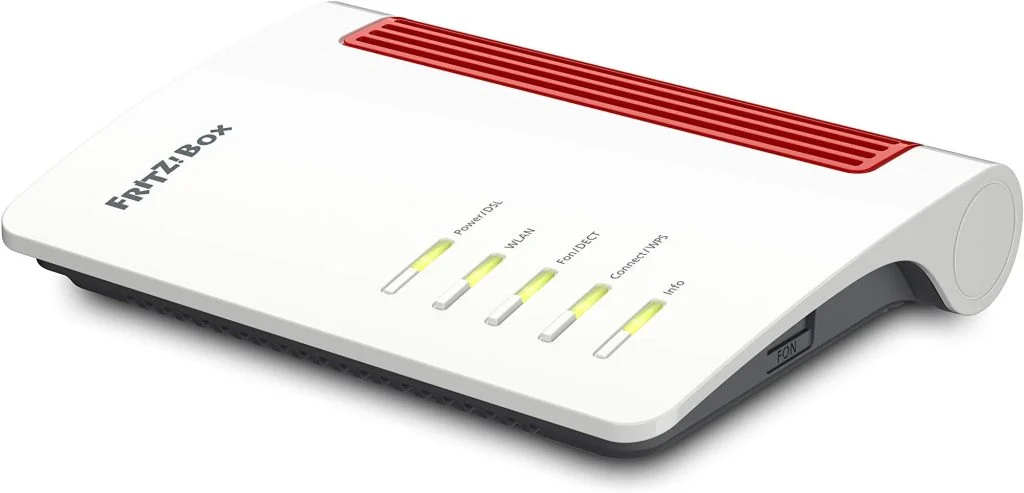
By Editorial Staff
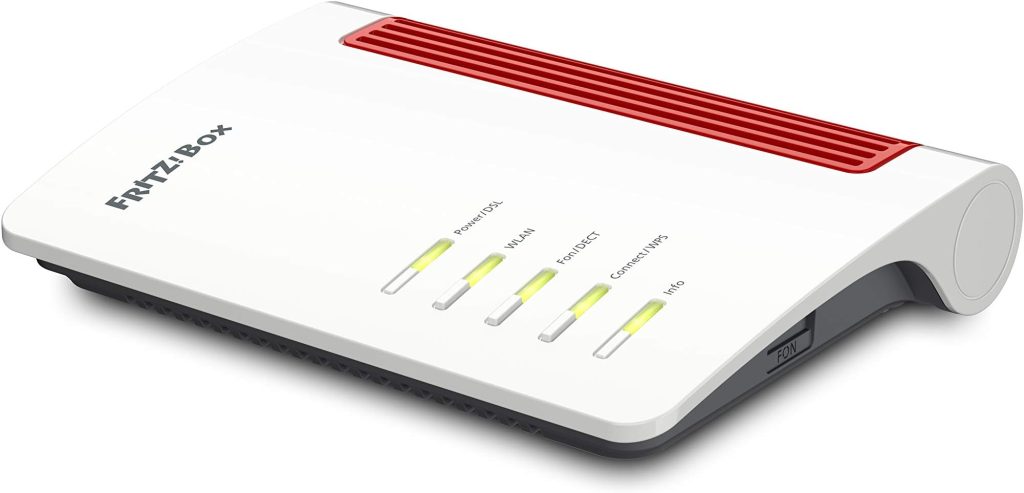
A growing divide has emerged between the hardware that European households rely on for their digital lives and the level of trust they place in the nations manufacturing that technology. According to a comprehensive, multi-national survey conducted by YouGov on behalf of AVM (the manufacturer of Fritz! products), there is a significant discrepancy between consumer sentiment regarding cybersecurity and their actual knowledge of the supply chain infrastructure powering their home networks.
The data, which aggregates responses from over 16,000 participants across 14 European nations, suggests that as geopolitical tensions remain high, consumers are becoming increasingly skeptical of networking equipment originating from China, Russia, and, to a lesser extent, the United States. Yet, despite this high level of concern, the vast majority of consumers remain blissfully unaware that the routers provided by their Internet Service Providers (ISPs) often originate from the very regions they distrust.
The Core Conflict: Geopolitical Anxiety vs. Consumer Reality
The fundamental tension identified by the survey is one of "hidden origins." When consumers purchase their own networking equipment, they are increasingly voting with their values, prioritizing hardware they perceive as secure or domestically manufactured. However, when it comes to the "ISP-supplied" router—the gateway that sits in the hallway or living room of millions of homes—there is a widespread assumption that the equipment is vetted, neutral, or "local."
The reality is far more complex. ISPs frequently white-label networking hardware from major manufacturers based in China, rebranding these devices as their own. The YouGov survey reveals that this practice is occurring in a landscape where consumers are, by and large, completely disconnected from the supply chain of their own equipment.
Chronology of Findings: A Two-Part Investigation
The discourse regarding router security did not emerge in a vacuum. It follows a deliberate investigative track initiated by AVM, which has sought to quantify the "Made in Europe" appeal in the networking sector.
- Late 2024: Initial reports surfaced regarding consumer sentiment toward foreign-made technology. These early indicators suggested that while consumers were generally worried about data privacy, they lacked a clear understanding of the hardware-level implications of their internet connections.
- Early 2025: The conversation shifted toward "Digital Sovereignty." As European governments began discussing stricter regulations on 5G infrastructure and critical networking components, the focus naturally trickled down to the home router, which serves as the endpoint for all household data.
- Mid-2025 (The Current Study): The YouGov survey was commissioned to provide empirical weight to these observations. By sampling 16,000 individuals, the study established a firm baseline for European sentiment: high mistrust for hardware originating in China and Russia, coupled with a surprising ignorance regarding the brand origins of current equipment.
Supporting Data: The Trust Deficit
The statistics provided by the survey paint a stark picture of the European mindset. When asked about their level of trust in routers originating from various geopolitical powers, the responses were decisive:
- China: In the United Kingdom, 59% of respondents expressed explicit mistrust toward Chinese-manufactured routers.
- Russia: Sentiment was even more polarized regarding Russia, with 70% of UK-based respondents stating they did not trust hardware from that source.
- Europe: Conversely, domestic trust remains high. Only 11% of respondents indicated a low level of trust in European-manufactured networking equipment.
- The Knowledge Gap: The survey’s most damning statistic regarding consumer awareness concerns brand origin. Only 14% of respondents were able to correctly identify TP-Link as a Chinese brand. Nearly half (49%) were completely unsure of the origins of Netgear products. Even for established brands, recognition was surprisingly low; the Fritz! brand itself was correctly identified by only 26% of UK respondents.
These figures suggest that while the "intent" to secure one’s home network against foreign-state interference exists, the "execution" is hampered by a lack of transparency in the consumer electronics market.
The Implications of ISP-Supplied Hardware
The most significant implication of this survey is the potential for a consumer backlash against ISPs. For years, the standard business model for internet service providers has been to provide a "free" or "included" router to ensure service stability and ease of installation. These devices are often selected based on cost-efficiency and volume manufacturing, which frequently points toward large-scale manufacturers based in Asia.
If consumers begin to demand that their ISP-supplied equipment adheres to the same "Made in Europe" standard that they are beginning to apply to their personal purchases, ISPs will face a logistical and financial challenge. Replacing or sourcing alternative, European-manufactured equipment is significantly more expensive than utilizing established, mass-produced supply chains.
Furthermore, there is the issue of "Security by Obscurity." Many ISPs offer little to no transparency regarding the firmware, the backdoors, or the data-reporting features of the routers they ship. As awareness grows, ISPs may find themselves forced to adopt "Open Hardware" policies or offer "Bring Your Own Router" (BYOR) incentives that allow customers to opt out of the ISP’s standard hardware entirely.
Market Trends and the Rise of "Digital Sovereignty"
The survey findings align with a broader, continent-wide push toward digital sovereignty. The European Union has been increasingly vocal about the need to reduce dependency on foreign technology, particularly in critical infrastructure. While the home router may seem like a trivial component compared to 5G towers or data centers, it is the final gatekeeper of user data.
Marketing experts suggest that companies like Fritz! and other European manufacturers are likely to lean heavily into the "Made in Europe" narrative in the coming quarters. By emphasizing data privacy standards, GDPR compliance, and the absence of foreign-state oversight, these companies are positioning themselves as the "premium, secure" alternative in a market flooded with low-cost, high-mistrust hardware.
Future Outlook: Will Consumers Change Their Habits?
The final question remains: will this survey lead to a shift in purchasing behavior?
Historical data on consumer electronics shows that while security is a major talking point, it often takes a back seat to price and performance. However, we are reaching a turning point. As smart home technology becomes more integrated, the router is no longer just a box that provides Wi-Fi; it is the hub for security cameras, smart locks, and personal computing devices.
If a consumer is worried about their smart camera being accessed by a foreign entity, they are starting to realize that the router is the primary point of failure. Consequently, the trend toward "third-party routers" is likely to accelerate. Savvy consumers are already replacing their ISP-supplied gateways with high-end, aftermarket routers that offer better encryption, more frequent firmware updates, and, crucially, transparent manufacturing origins.
Conclusion: The Path Forward
The YouGov study serves as a wake-up call for both ISPs and hardware manufacturers. The "hidden" nature of router origins is no longer a sustainable strategy in an era of heightened geopolitical awareness. Consumers are beginning to connect the dots between the hardware on their desks and the broader political landscape.
For the average user, the advice is clear: take control of your network. If you are concerned about where your data is flowing, the first step is to investigate the origin of the equipment that processes that data. Whether you choose to replace your ISP-provided unit or simply demand more transparency from your provider, the days of accepting "any router" are drawing to a close. As the European market shifts, expect to see a surge in demand for domestically manufactured, high-transparency networking hardware, as the consumer’s right to know becomes just as important as the speed of their internet connection.

 Nana Wu
 Ammar Sabilarrohman