Ammar Sabilarrohman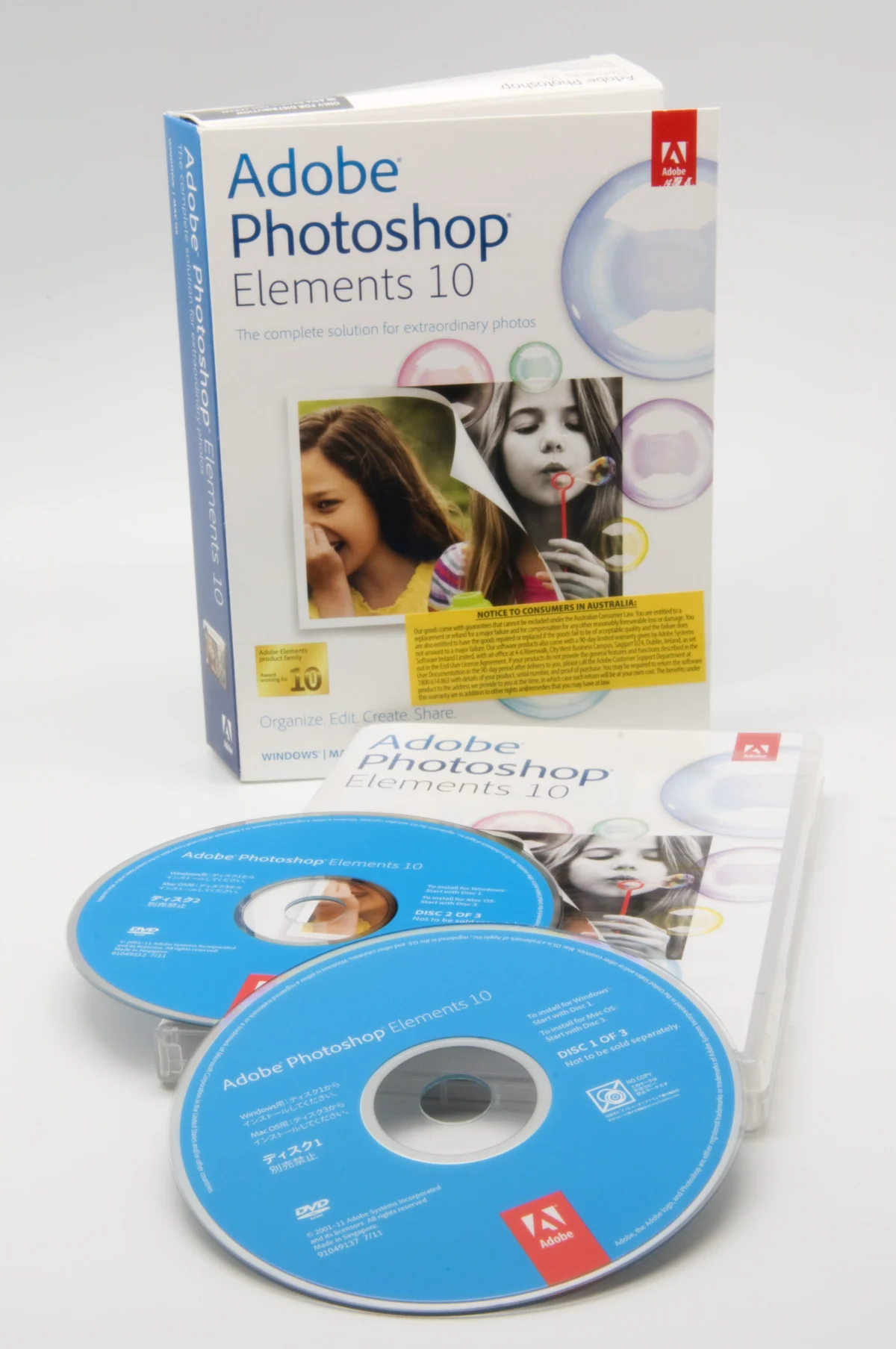
In an age where software is seamlessly delivered via high-speed internet and subscription-based cloud services, the concept of "installing" a program from a physical object feels almost archaic. Yet, for a significant portion of the creative workforce, the history of Adobe Photoshop is inextricably linked to the tactile reality of retail boxes, plastic jewel cases, and the humble magnetic floppy disk. A recent viral moment sparked by a digital-native staff writer at Creative Bloq—who expressed genuine shock that Photoshop once existed as a physical product—has opened a fascinating window into the evolution of creative technology and the widening generational divide within the design industry.
The Physical Legacy: When Software Was Hardware
For modern designers, Adobe’s Creative Cloud is a background utility, a service that updates silently in the tray. However, throughout the 1990s and early 2000s, acquiring Photoshop was a rite of passage that involved a trip to a brick-and-mortar retailer, such as Best Buy or CompUSA.
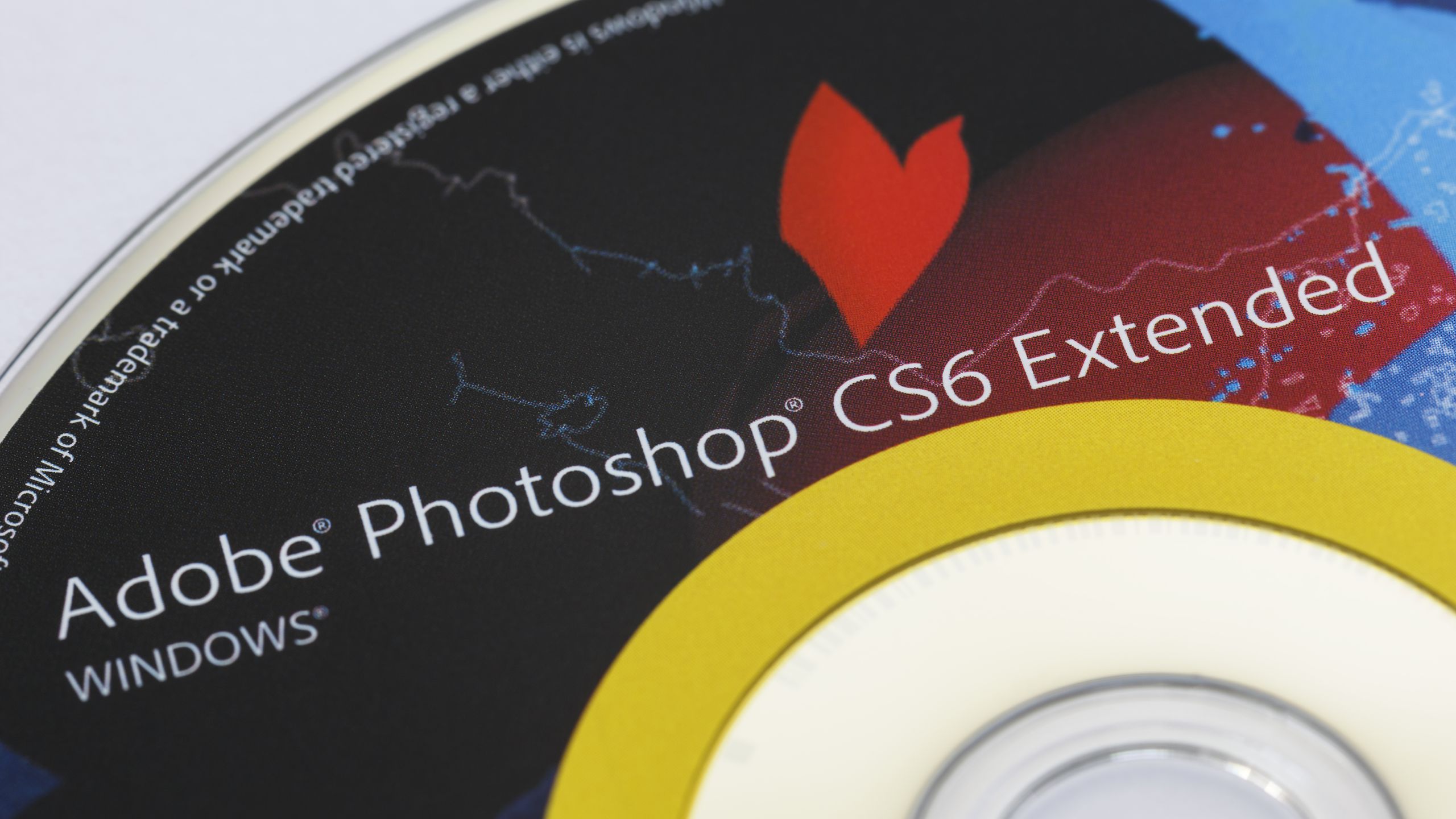
Before the advent of ubiquitous broadband, software distribution relied on physical media. Photoshop users purchased large, colorful cardboard boxes that contained the software on CD-ROMs or, in the very early days, sets of 3.5-inch floppy disks. These boxes were often prized possessions, featuring iconic artwork and thick, printed manuals that served as the primary source of technical documentation. The transition from these physical assets to the digital download model represents not just a change in logistics, but a fundamental shift in the relationship between the user and their tools.
A Chronology of the Photoshop Evolution
To understand how far the software has come, one must look at the technical milestones that defined its early years:
The Pre-Layer Era (1990–1994)
When Photoshop 1.0 was released in 1990, it was a groundbreaking tool for Macintosh users. However, it lacked the "Layers" feature that modern designers consider the lifeblood of the program. Early adopters had to be incredibly precise, as most operations were destructive. If you made a mistake on a background pixel, you were often forced to start over.
The Introduction of Layers (1994)
With the launch of Photoshop 3.0, the introduction of layers revolutionized the industry. It allowed for non-destructive editing and complex compositing, which fundamentally changed graphic design and photo retouching forever.
The CD-ROM and Suite Era (1995–2012)
As software grew in size and complexity, the floppy disk was replaced by the CD-ROM, and eventually the DVD. This era saw the rise of the "Creative Suite" (CS), a bundle of professional tools that users would purchase as a permanent, one-time license. For nearly two decades, this model allowed professionals to own their software outright, a point of contention that remains a topic of debate today.
The Cloud Transition (2013–Present)
In 2013, Adobe made the controversial decision to move exclusively to the Creative Cloud (CC) subscription model. This marked the death of the "boxed" software experience, moving all distribution to digital downloads and requiring a recurring monthly or annual payment to maintain access to the software.
Supporting Data: The Cost of Progress
The shift from a perpetual license (where you paid once and owned the version forever) to a subscription model has had profound financial implications for users.
Historically, a full retail version of Photoshop could cost upwards of $600–$700. While this was a steep upfront investment, it provided the user with a permanent asset. In contrast, the current subscription model allows Adobe to generate consistent recurring revenue. While this has allowed for constant, iterative updates and cross-device integration—such as the recent rollout of Photoshop for Android and iPad—it has also left many legacy users feeling disenfranchised.
According to industry surveys, the "subscription fatigue" among creative professionals is at an all-time high. A recent $150 million settlement involving Adobe regarding their subscription cancellation terms highlights the growing friction between the company and its user base. As costs continue to climb, many designers are looking back at the "disk era" with a mixture of nostalgia and frustration, longing for a time when software was a product you possessed rather than a service you rented.
User Perspectives: The Nostalgia of the "Physical"
The Reddit discourse that followed the recent revelation regarding physical Photoshop copies revealed a deep-seated nostalgia. One user noted, "I still have my Photoshop 2.0 floppy disk set. I couldn’t part with them when I was cleaning stuff out."
These physical artifacts serve as a tangible connection to the history of the craft. For older designers, the act of inserting a disk, waiting for the progress bar, and leafing through a paper manual was part of the creative process. It was a tactile commitment to the work. Modern designers, by contrast, experience a more ephemeral workflow. While the efficiency of today’s software is objectively superior, the loss of the "physicality" of software has arguably made the professional relationship with these tools feel more disposable.
Implications: The Widening Generational Divide
The shock expressed by younger designers at the existence of a "Photoshop disk" is a symptom of a larger trend: the rapid acceleration of technical obsolescence.
1. The Death of Ownership
We are moving toward a world where software ownership is a thing of the past. This has significant implications for archiving and design history. If a user stops paying their subscription, they lose access to their tools, and in some cases, the ability to open legacy files effectively. The "boxed" era ensured that a copy of Photoshop would always be available on a shelf, regardless of the company’s current business model.
2. The Standardization of Skills
In the early days, the barrier to entry for professional design software was high, not just in terms of cost but in terms of learning curve. Today, the accessibility of apps like Photoshop for iPad or Android has democratized design. While this is a massive net positive for global creativity, it has also led to a "black box" effect where users understand the result but are increasingly disconnected from the mechanics of the software they use.
3. The Future of Creative Tools
As we look toward an AI-integrated future, the tools we use are becoming even more abstracted. If Photoshop of the 90s was a set of digital chisels, the Photoshop of the 2020s is becoming a digital collaborator. The transition from physical disks to cloud-based, AI-driven suites is the most significant evolution in the history of design technology.
Conclusion: Bridging the Gap
The amusement—and perhaps slight annoyance—felt by veteran designers when interacting with younger colleagues who are surprised by floppy disks is not just about age. It is a reflection of how rapidly the industry has transformed.
The "physical era" of software was defined by scarcity, ownership, and a slower, more deliberate pace of learning. The "cloud era" is defined by accessibility, speed, and constant evolution. While we cannot turn back the clock to the days of installing software from a stack of floppy disks, acknowledging the history of these tools is essential for every designer. It provides context for the subscription models we use today and serves as a reminder that every "modern" convenience was built on the foundation of physical, tangible, and often difficult-to-install software.
As the creative industry continues to evolve, the challenge will be to balance the efficiency of the cloud with the agency of the individual. Whether we are clicking a "download" button or inserting a disk, the goal remains the same: to create, to innovate, and to push the boundaries of what is possible in the digital medium.

 Asep Darmawan
 Basiran