Evan Lee Salim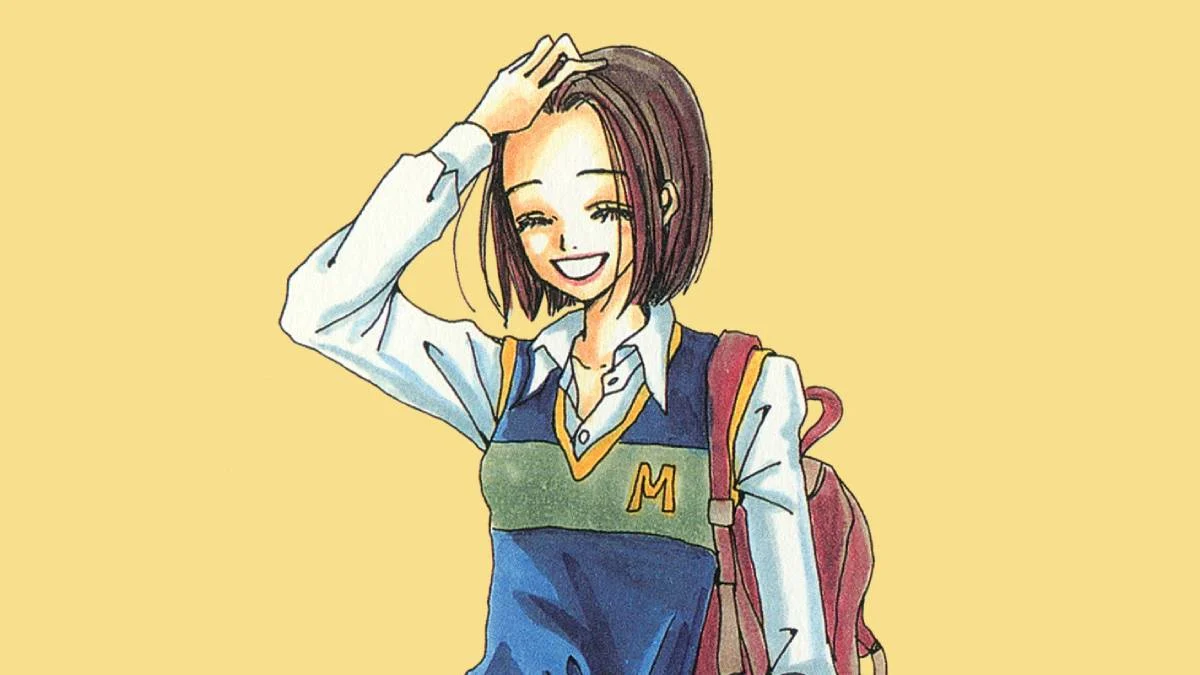
In the landscape of modern manga, few creators possess a signature as distinct and emotionally resonant as Ai Yazawa. Known globally for the fashion-forward, heartbreak-steeped drama of Nana and the artistic intensity of Paradise Kiss, Yazawa has long been a titan of the shojo genre. As Viz Media continues to mine her extensive back catalog, the latest gem to receive a wide-reaching release is I’m No Angel (Tenshi Nanka Ja Nai). While it remains one of the more obscure titles in her illustrious library, its arrival serves as a timely reminder of the revolutionary, grounded, and deeply human storytelling that defined Yazawa’s early career.
The Context: Viz Media’s Commitment to the Yazawa Legacy
Viz Media’s recent strategic push to reintroduce classic shojo to a new generation of readers has been nothing short of a boon for manga enthusiasts. Following the successful re-release of Neighborhood Story, the decision to license I’m No Angel underscores the publisher’s intent to bridge the gap between Yazawa’s early work and her modern masterpieces.
For those familiar with Paradise Kiss, I’m No Angel acts as a vital, if indirect, prequel of sorts; it introduces the character of Mikako—the older sister of the Paradise Kiss fan-favorite Miwako. However, treating the series merely as a footnote to her later works would be a disservice. I’m No Angel stands on its own as a definitive blueprint for the "Yazawa style": a blend of high school melodrama, raw emotional vulnerability, and a refusal to rely on the hollow tropes that often plague the romance genre.
A Chronology of Character: The Evolution of Midori
The narrative of I’m No Angel begins with the classic high school setup: Midori, a charismatic and popular student, transfers to a new school and immediately finds herself captivated by Akira. On the surface, Akira fits the visual shorthand of a delinquent—he sports a stoic demeanor, rides a motorcycle, and carries a brooding aura. However, as the story unfolds, he reveals himself to be a deeply empathetic and nurturing figure, a juxtaposition that drives the early conflict of the series.
The Phases of Development
- The Infatuation Phase: The initial volume sets the stage by showing how Midori uses her status as a popular student—eventually securing a position on the student council—as a bridge to get closer to Akira.
- The Deconstruction Phase: As the pair begins to interact, the narrative shifts from the thrill of the "crush" to the reality of the individual. Midori discovers the layers of Akira’s life, including his complex family dynamics and his personal history.
- The Complexity Phase: Moving beyond the central couple, the story expands into the lives of the supporting cast. The internal politics of the student council, the shifting loyalties of friends, and the external pressures of adolescence create a multi-threaded narrative that moves away from the "will-they-won’t-they" binary.
The "Yazawa Hallmark": Why Midori Matters
One of the primary reasons I’m No Angel feels like a quintessential Ai Yazawa work is the construction of its protagonist. Midori is a fascinating subversion of the standard shojo heroine. She is undeniably popular and possesses the "plucky" ambition that drives many protagonists of the era, but she is also defined by her profound imperfections.
Midori is not a character who keeps her emotions contained. She is prone to bouts of insecurity, particularly when confronted with figures from Akira’s past, such as the mysterious Hiroko. Her reactions are often messy, human, and unpredictable—ranging from climbing over bathroom stall walls to confront a peer, to breaking down in tears in the middle of a classroom when her emotions become too heavy to bear.
These moments of "un-heroic" behavior are exactly what make her feel real. By allowing Midori to be selfish, jealous, and impulsive, Yazawa creates a character who reflects the true, turbulent experience of high school life. She isn’t a paragon of virtue; she is a teenager learning to navigate the terrifying and exhilarating terrain of her first serious relationship.
Supporting Data: Beyond the Binary of Romance
While I’m No Angel is firmly rooted in the romantic aspirations of its leads, it is structurally distinct from its contemporaries. Most shojo manga of the 1990s focused heavily on the obstacles placed in front of the main couple—usually in the form of a "third wheel" character introduced specifically to stir up manufactured drama.
Yazawa rejects this. The conflict in I’m No Angel is rarely about a single villainous character trying to split the couple apart. Instead, the tension arises from:
- Interpersonal Inexperience: The friction caused by two people who are selfish, young, and unsure of how to communicate their needs.
- Platonic Webs: The relationships between the student council members—such as the evolving dynamic between Mamiya and Takigawa—receive as much care and attention as the central romance.
- External Realities: The complexities of family life and the burdens of social expectations often weigh heavier on the characters than the romance itself.
By prioritizing the social ecosystem of the school over the singular goal of a "happy ending," Yazawa ensures that the reader remains invested in the entire cast, not just the protagonist.
Official Responses and Editorial Perspective
In official communications, Viz Media has positioned this release as a cornerstone of their "Shojo Classics" initiative. The editorial team has emphasized the historical significance of the series, noting that while the aesthetic is firmly grounded in the 1990s, the emotional intelligence of the writing remains timeless.
Editor’s Note: While the narrative is dense with character growth, the series maintains a steady pace that allows readers to sit with the characters’ decisions. There are no spoilers regarding the ultimate trajectory of the relationships, as the beauty of the work lies in the journey—the way these teenagers stumble through their formative years and emerge as more mature, albeit still flawed, individuals.
Implications: The Enduring Power of the "Yazawa Style"
The re-release of I’m No Angel carries significant implications for the manga industry. It signals a move toward valuing "character-first" stories over plot-driven gimmicks. In an era where many romance manga rely on high-concept premises (such as isekai or fantasy elements), I’m No Angel serves as a stark, refreshing reminder that human interaction, when written with honesty, is more than enough to sustain a long-running series.
A Template for Future Creators
The success of this series—both in its original run and its modern reception—provides a template for writers to follow. It teaches that:
- Flaws are not weaknesses: A flawed protagonist is a relatable one.
- Support casts should be dynamic: The "best friend" or "rival" should have their own arc, independent of the main couple.
- Pacing is a tool: Don’t rush the relationship; let the insecurities, the silent moments, and the misunderstandings breathe.
Conclusion: A Must-Read for Modern Fans
For those who have already cut their teeth on Nana or Paradise Kiss, I’m No Angel is an essential chapter in the story of Ai Yazawa’s career. It is the bridge between her early experiments and her later, darker works. Even for those new to the genre, the series is remarkably accessible. It offers a window into a time when shojo manga was pushing the boundaries of what a "teen romance" could be.
The first volume of I’m No Angel is currently available in physical and digital formats, providing an ideal starting point for new readers. With the second volume slated for release on September 1, 2026, the stage is set for a long-overdue appreciation of one of the most honest, funny, and heartbreaking series in the shojo canon. Whether you are in it for the nostalgia or are simply looking for a character study that feels as real as your own high school memories, I’m No Angel is a masterful addition to any bookshelf.

 Asro
Asro
 Muslim