Rifan Muazin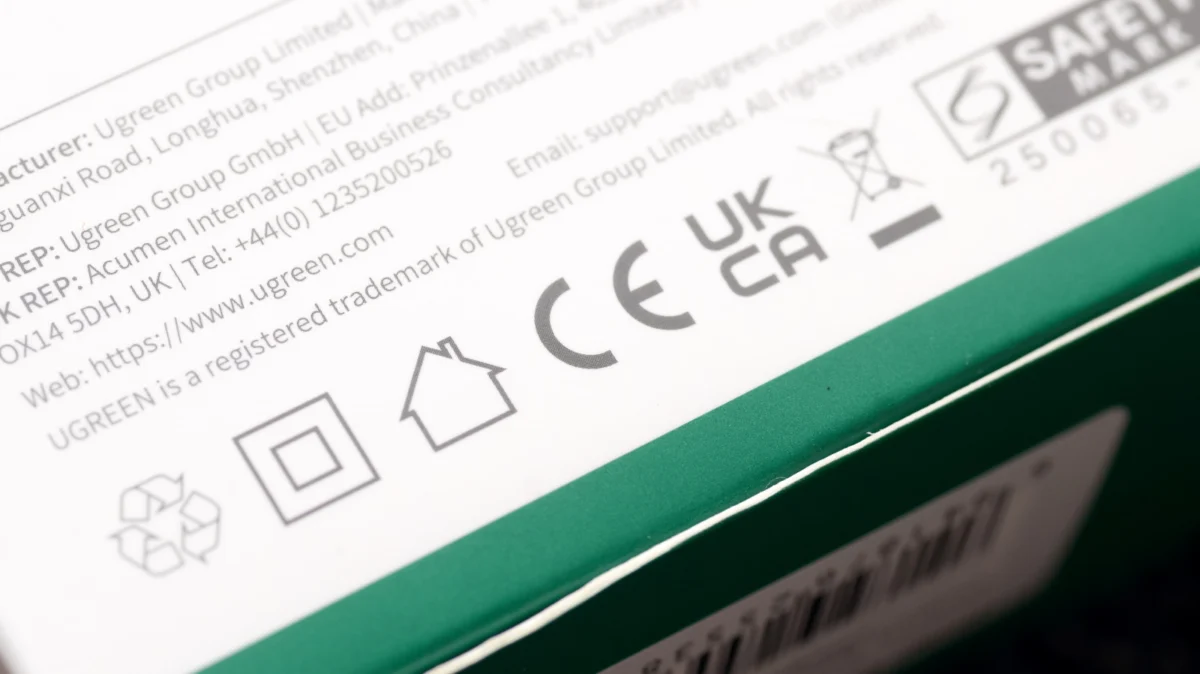
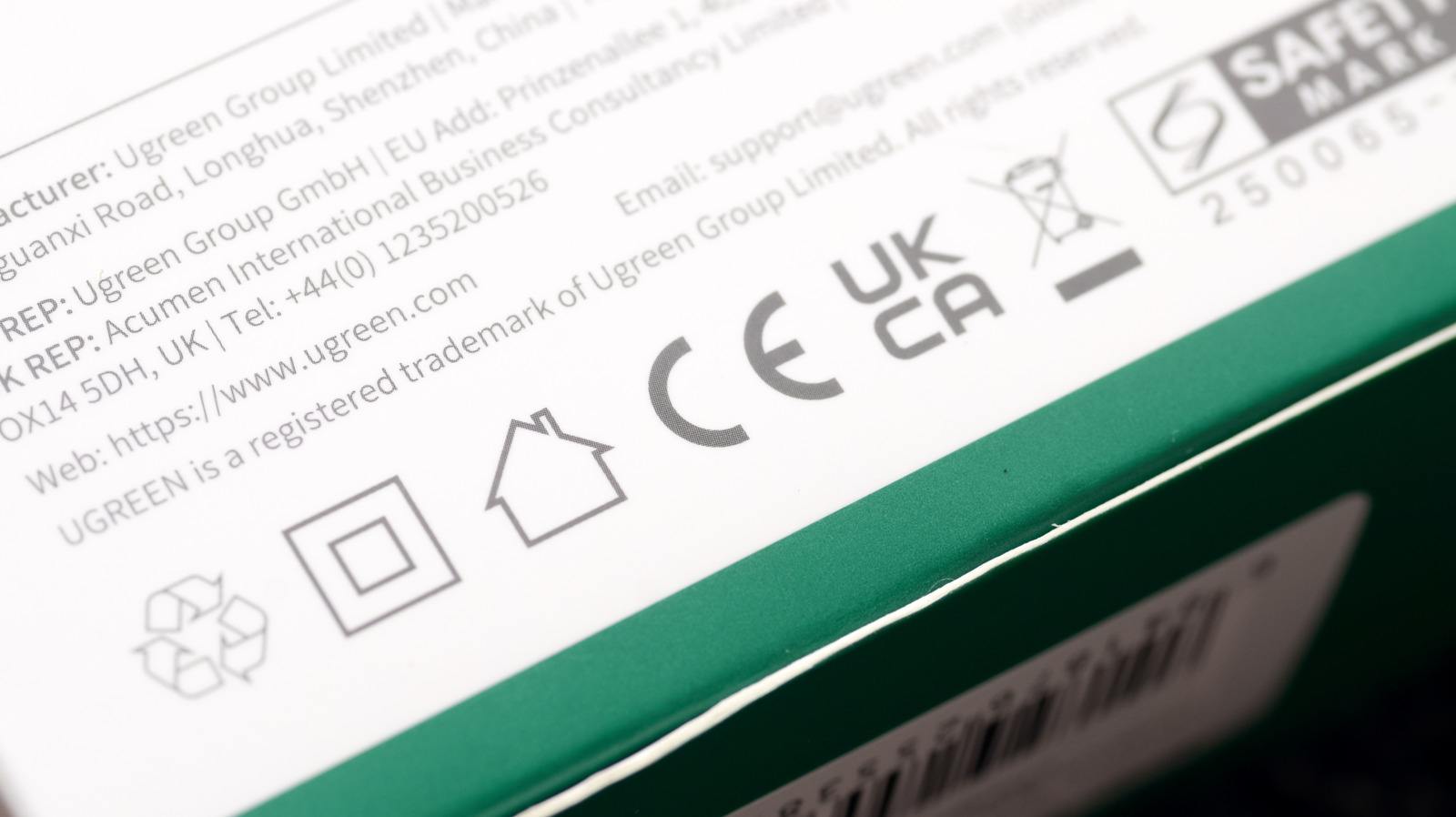
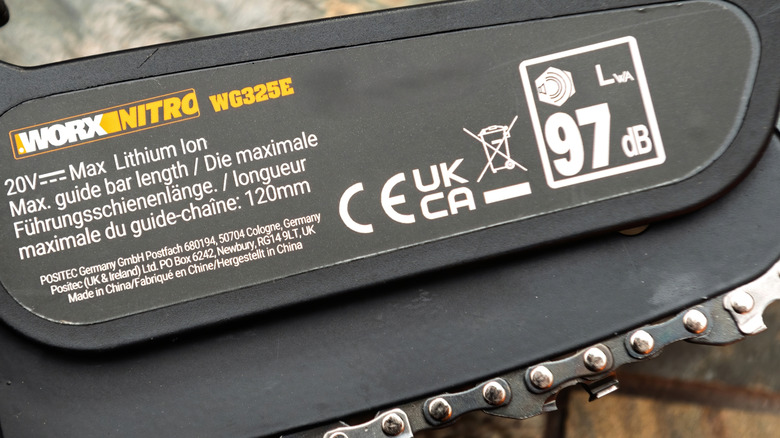
If you take a moment to examine the undersides, battery compartments, or power bricks of the electronic devices scattered around your home—from the smartphone in your pocket to the kitchen scale on your counter—you will almost certainly encounter a small, unassuming symbol: the letters "CE."
While these two characters are ubiquitous, they are frequently misunderstood. Often mistaken for a quality assurance seal, an indicator of country-of-origin, or a certificate of rigorous laboratory testing, the CE mark represents something far more complex: a regulatory passport. As the European Union continues to exert its influence over global manufacturing standards, understanding the CE mark is no longer just a concern for compliance officers; it is a vital part of consumer literacy in an interconnected global economy.
The Foundation: What Is the CE Mark?
At its most fundamental level, "CE" stands for conformité européenne, French for "European conformity." When a manufacturer places this mark on a product, they are making a legal declaration that the item adheres to the essential requirements of all relevant European Union health, safety, and environmental protection directives.
The mark is not a voluntary badge of merit; it is a mandatory requirement for any product intended for sale within the European Economic Area (EEA), which encompasses all EU member states plus Iceland, Liechtenstein, and Norway. In some cases, nations outside the EEA, such as Switzerland and Turkey, also align their domestic requirements with these standards, further expanding the mark’s footprint.
A Chronology of Compliance
The journey toward the current CE framework began in 1985 with the European Economic Community’s "New Approach." Prior to this, the European market was fractured by a myriad of divergent technical standards, which acted as non-tariff trade barriers. A product that was deemed safe in France might have required a different certification to be sold in Germany, forcing manufacturers to produce multiple versions of the same item.
- 1985: The New Approach: The EEC launched a policy shift aimed at harmonizing safety standards across the bloc. Instead of drafting thousands of pages of detailed technical specifications for every product, the EU shifted to setting "essential requirements."
- 1993: Legal Codification: The CE mark was officially integrated into EU law. It became the standardized visual representation of a product’s compliance with these newly harmonized safety mandates.
- 1996: Mandatory Adoption: The transition period ended, and electronics were officially required to carry the CE mark to enter the European market.
- Present Day: The CE mark is now required for an expansive list of product categories, including toys, medical devices, personal protective equipment, pressure equipment, and radio-frequency devices.
The Global Ripple Effect: Beyond European Borders
While the CE mark is a creature of European law, its influence is felt globally. The United States, for instance, does not require the CE mark, as it maintains its own distinct regulatory regime governed by agencies like the FCC (Federal Communications Commission) and the CPSC (Consumer Product Safety Commission).
However, you will frequently find the CE mark on electronics sold in American retail stores. This is largely a matter of manufacturing efficiency. For a global company, it is significantly cheaper to produce a single design that meets the strictest international standards than to manufacture unique regional variants. If a device is already being engineered to comply with European safety laws, manufacturers will simply print the CE logo on the product and its packaging, allowing them to ship the same inventory to both European and American markets.
This trend is bolstered by the EU’s growing power as a regulatory hegemon. The "Brussels Effect"—the process by which EU regulations become the global de facto standard—is evident in recent tech history. The most prominent example is the forced adoption of USB-C charging ports on all mobile devices sold in Europe. Rather than creating a "European iPhone," Apple, like many other tech giants, opted to pivot its global manufacturing strategy to comply with the EU’s mandate, effectively standardizing USB-C as the global hardware interface.
The Mechanics of Conformity: Who Checks the Work?
A common misconception is that the CE mark acts like a "Good Housekeeping Seal of Approval," implying that a centralized EU office has personally tested and vetted the product. In reality, the system is primarily built on the principle of self-declaration.
The Self-Declaration Process
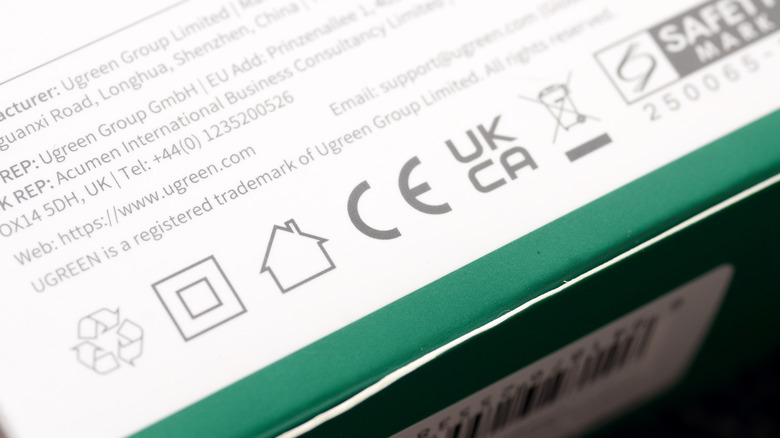
For the vast majority of consumer electronics—such as chargers, small appliances, and low-risk hardware—the manufacturer is responsible for performing their own assessment. The process typically involves:
- Risk Assessment: Identifying which EU directives apply to the product (e.g., the Radio Equipment Directive for Wi-Fi-enabled devices or the Low Voltage Directive for power supplies).
- Testing: Ensuring the product meets the technical standards associated with those directives.
- Documentation: Compiling a "Technical File" and a "Declaration of Conformity."
- Affixing the Mark: Placing the CE logo on the product.
The Role of "Notified Bodies"
For high-risk equipment, such as medical devices or industrial machinery, the manufacturer is not permitted to self-certify. Instead, they must engage a "Notified Body"—an independent, third-party organization authorized by an EU member state to conduct formal testing and certification.
When a product is vetted by such an organization, you will often see a four-digit identification code printed next to the CE mark. This code identifies the specific laboratory or agency that performed the inspection, offering a higher level of consumer assurance than self-declared products.
The Implications of Trust and Forgery
The reliance on self-declaration has made the CE mark a prime target for abuse. Because the mark is essentially a promise made by the manufacturer, bad actors can easily apply the logo to products that have undergone zero testing.
This is a major concern in the counterfeit electronics market. Forged CE marks are frequently found on knock-off phone chargers and sub-standard electrical components. These items often lack proper insulation, grounding, or heat dissipation mechanisms, posing significant fire and electrical shock risks.
Limitations and Alternatives
It is vital for consumers to understand that the CE mark is not a quality benchmark. It signifies that a product is legal to sell in Europe, not that it is the best or most durable version of that product.
To fill the gap left by the CE mark’s self-declaration nature, several countries have established their own, more rigorous certification systems. Germany, for instance, utilizes the GS mark (Geprüfte Sicherheit or "Tested Safety"). Unlike the CE mark, the GS mark can only be granted by an accredited third-party laboratory after the product has been physically tested. When consumers see a GS mark alongside a CE mark, they are looking at a product that has moved beyond basic legal compliance into the realm of verified safety.
Conclusion: A Tool for the Informed Consumer
The CE mark is a testament to the scale of the European regulatory machine. It serves as an essential mechanism for the free movement of goods across a massive economic zone and exerts a gravitational pull on global manufacturing practices.
However, the mark is not a substitute for due diligence. Consumers should view the CE label as a baseline indicator of regulatory compliance rather than an absolute guarantee of safety. In an age where global supply chains are increasingly complex, the mark remains a critical piece of information, but it is only one factor to consider when evaluating the safety and reliability of the technology we rely on every day. By understanding the distinction between self-declaration and independent certification, shoppers can better navigate the marketplace and make informed decisions about the electronics they bring into their homes.

 Azzam Bilal Chamdy
 Jia Lissa